




Japanese Meiji Planter
These heavy bronze and porcelain vessels bring botanical display indoors with the distinctive craftsmanship of late nineteenth-century workshops.
Japanese Meiji Planter
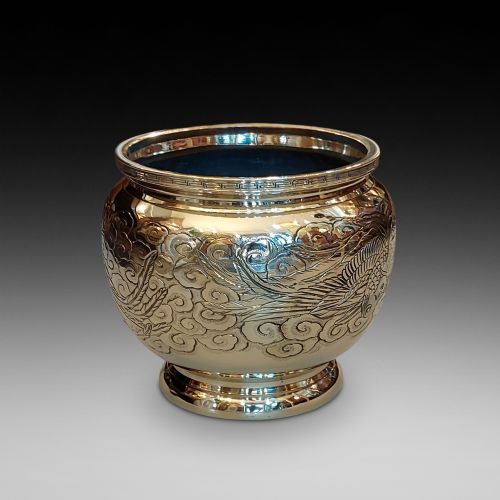
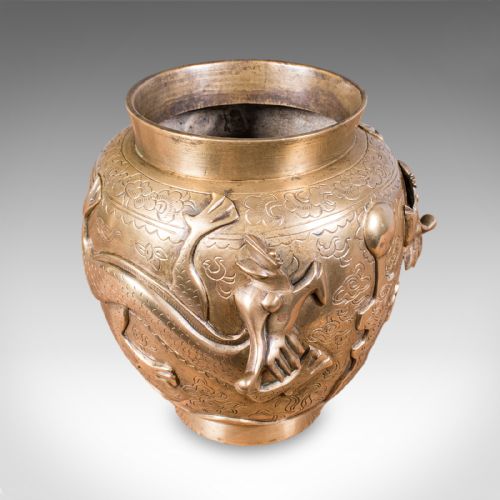
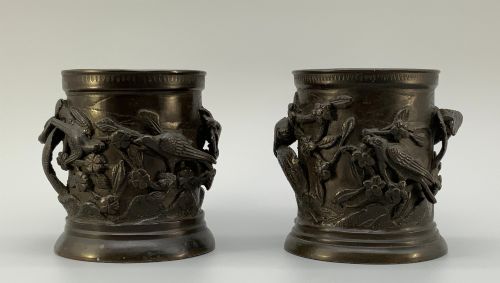
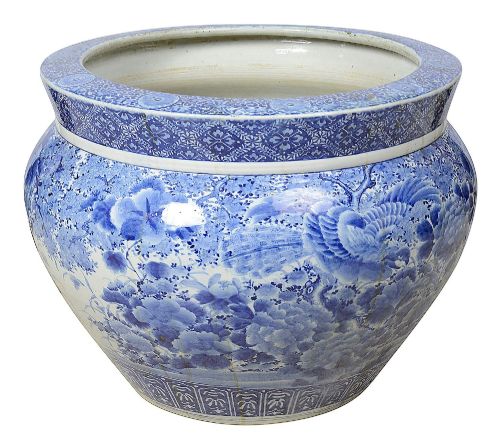
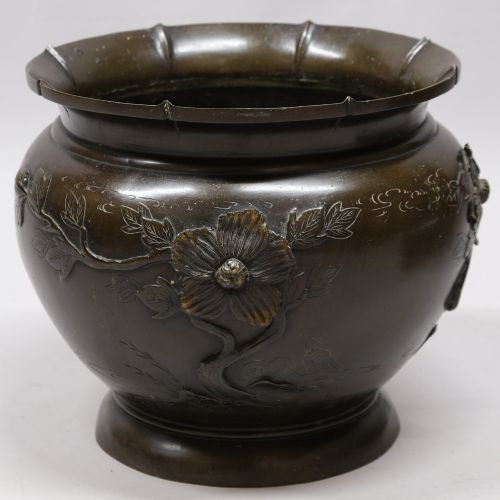
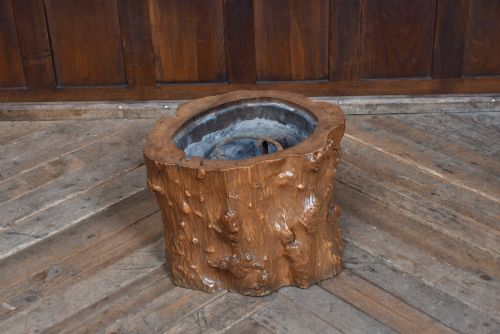
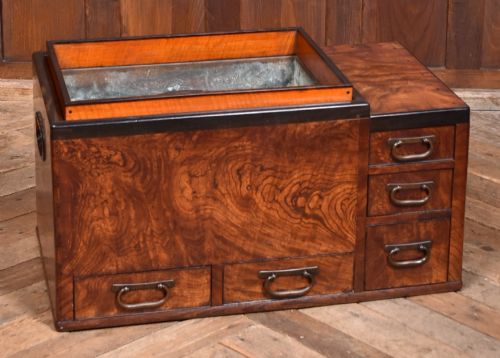
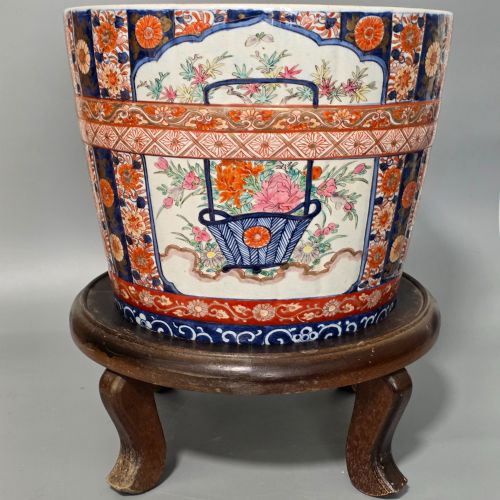
A japanese meiji planter typically takes the form of a heavy bronze jardiniere, a blue and white porcelain bowl, or a compartmentalised wooden hibachi designed for domestic greenery.
The objects stem predominantly from the nineteenth century and the early twentieth century, encompassing utilitarian garden vessels alongside decorative interior bowls.
How they were made
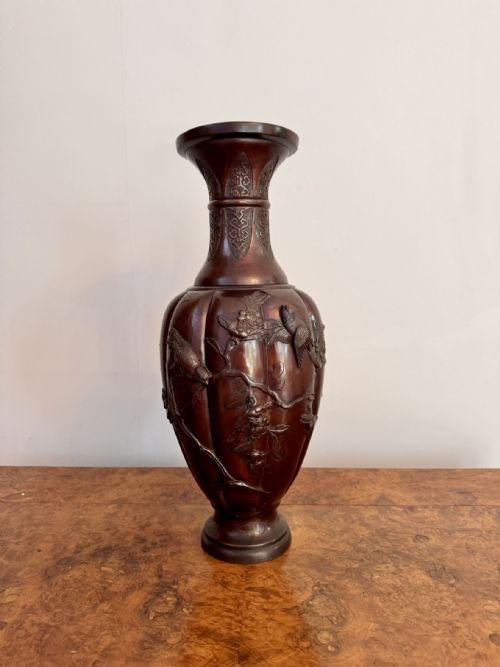
Metalworkers cast heavy bronze and brass with patinated surfaces, occasionally incorporating champleve enamel details or high-relief figures.
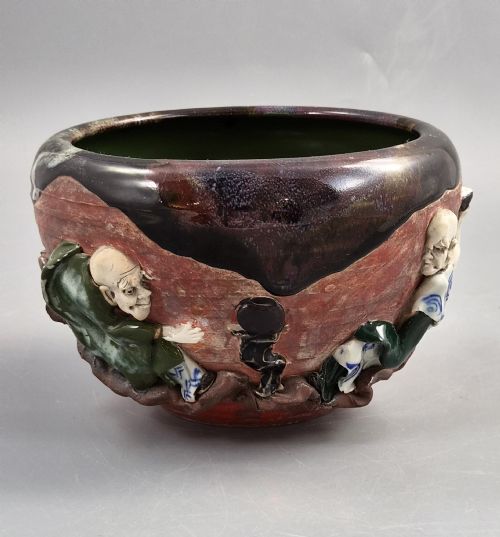
Ceramic pieces rely on blue and white porcelain, earthenware, and glazed stoneware, sometimes featuring modelled figures climbing the exterior walls.
Japanese Meiji Planter Retail Price Guide 2026
Typical asking prices for japanese meiji planter among the pieces listed under this phrase on Sellingantiques today, from the lower quarter to the upper quarter. They describe what is for sale here now, not the wider market.
Some vessels feature small ceramic figures caught mid-climb on the outer rim.
What varies in quality
Weight and metal thickness distinguish substantial cast bronze vessels from lighter decorative items, determining how well a planter anchors a room.
The clarity of surface decoration, from cast relief motifs to hand-painted ceramic glazes, separates standard commercial output from masterwork production.
Inoue Ryosai·Makuzu Kozan II
The Japanese Meiji Planter Glossary
- Jardiniere
- A large decorative pot or stand used for holding flowers or houseplants. These items form the core of the ceramic and bronze vessels found on this page.
- Hibachi
- A traditional Japanese heating device featuring an open-topped container, often repurposed in interiors as a planter or decorative bowl. They frequently utilise hardwood construction.
- Champleve
- An enamelling technique where troughs are carved into a metal surface and filled with vitreous enamel before firing. This method creates colourful decorative patterns on bronze bodies.
- Usubata
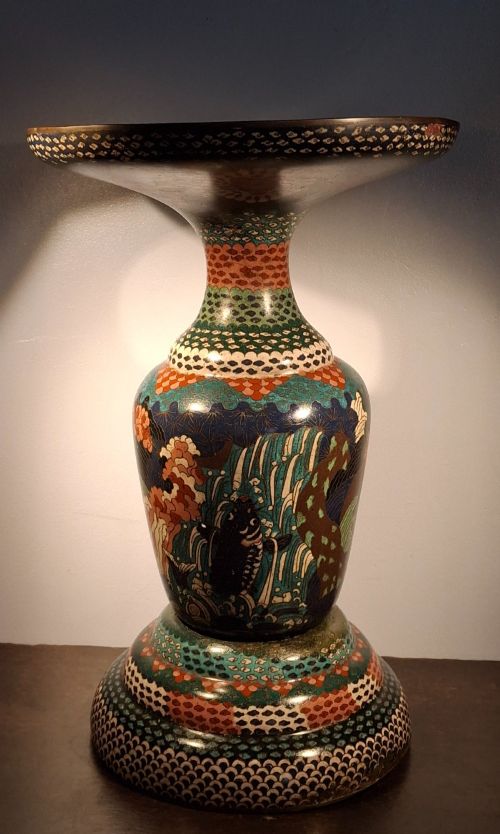
- A specific type of bronze vase used primarily for Japanese flower arrangement, featuring a wide flat rim above a slender stem and a weighted base.
- Suiban
- A shallow basin designed to hold water for viewing stones or floral displays. These low ceramic or bronze dishes often double as brush washers.
Japanese Meiji Planter: Frequently Asked Questions
What is a Japanese Meiji planter used for?
These vessels serve primarily as decorative containers for indoor plants, large floral displays, or small trees. Historically, they occupied prominent positions within domestic interiors and garden spaces.
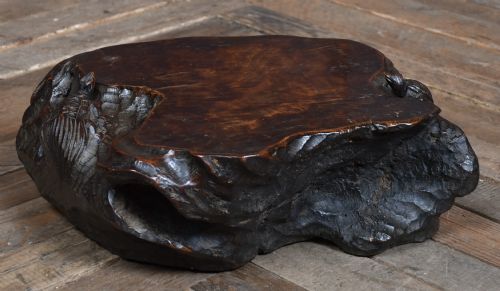
Collectors today utilise them for similar botanical purposes or display them as standalone sculptural objects on carved wooden stands.
How do I date a Meiji period planter?
Dating relies on identifying the manufacturing materials, artistic styles, and specific signatures or marks associated with late nineteenth-century and early twentieth-century production. Stylistic shifts between traditional bronze casting and later glazed earthenware provide additional chronological markers.
Items from this era frequently overlap with the Victorian period in European trade terms, reflecting distinct cross-cultural design influences.
Are these planters waterproof?
Bronze and porcelain examples generally hold water securely, making them suitable for live plantings and aquatic arrangements. Wooden hibachi vessels require internal liners to protect the timber from moisture damage.
Checking the interior construction helps determine whether a vessel needs supplementary protection for live flora.
What is the difference between a jardiniere and a hibachi?
A jardiniere is constructed specifically as a decorative pot for displaying plants or flowers. A hibachi functioned originally as a traditional heating device before finding a second life as a decorative container.
Hibachi units often feature square wooden frames with metal linings, whereas jardinieres lean toward rounded bronze or ceramic bodies.