
Japanese Meiji Ceramic Vase
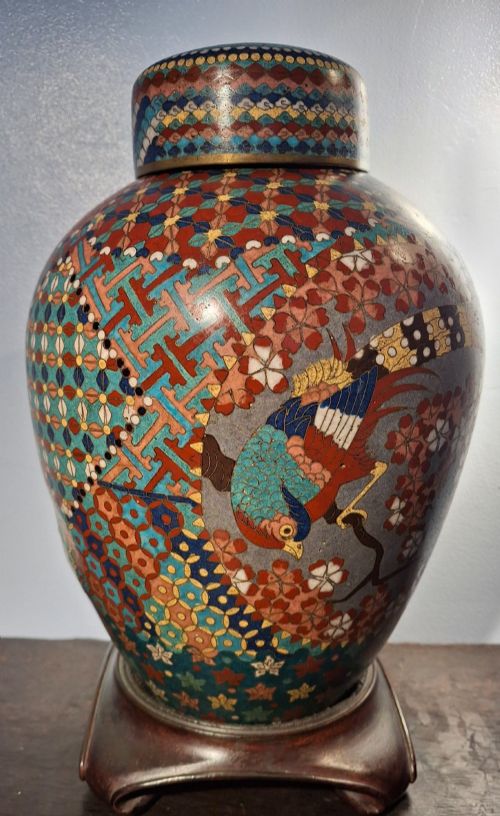
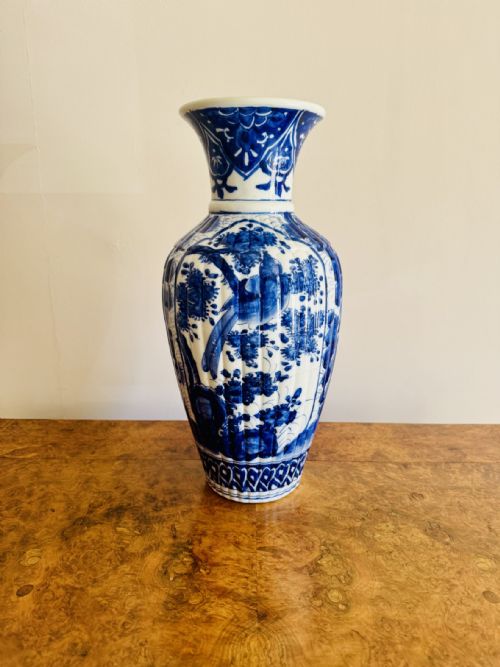
These Japanese meiji ceramic vases bring distinctive nineteenth-century craftsmanship, hand-painted palettes and varied forms to domestic spaces.
Japanese Meiji Ceramic Vase
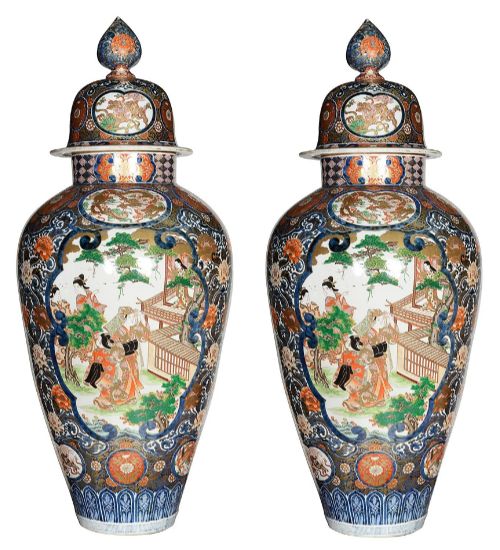
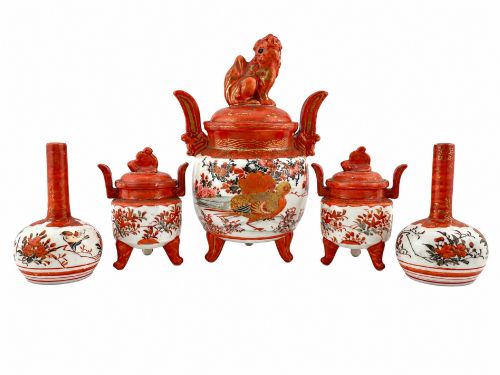
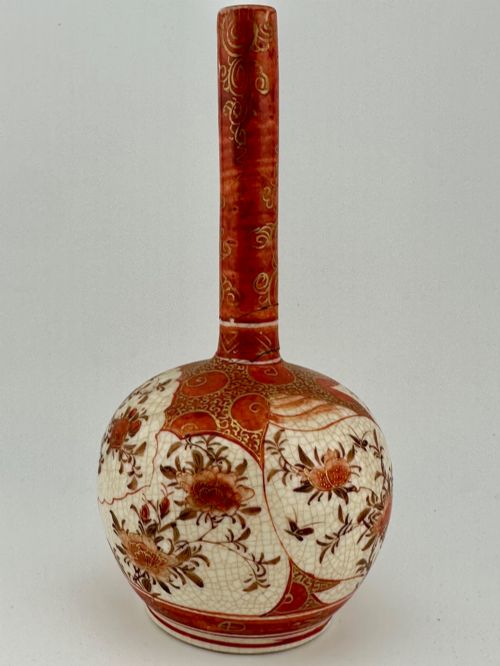
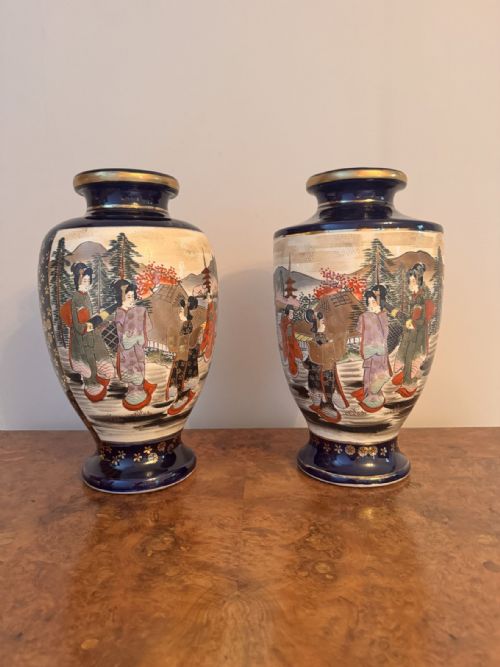
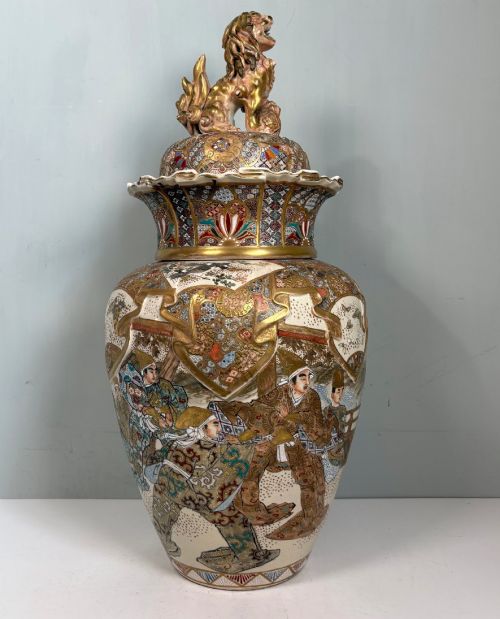
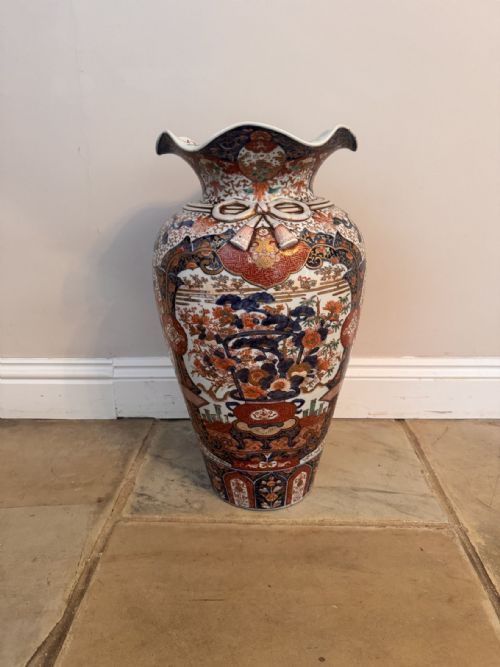
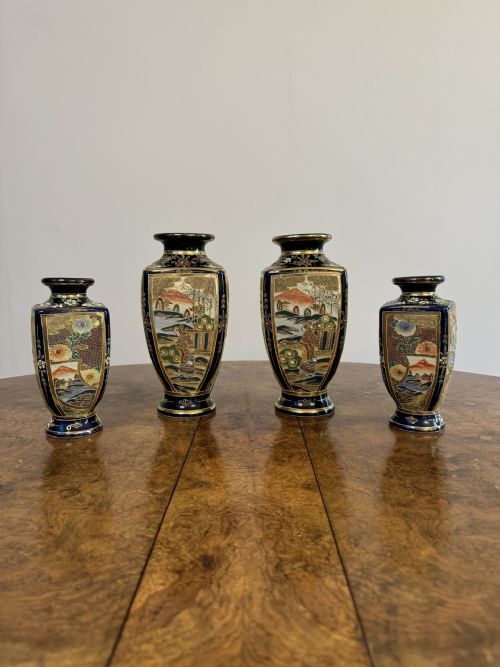
The most common examples on this page are Satsuma earthenware vessels decorated with figurative scenes and Imari porcelain pieces displaying traditional cobalt blue and iron red patterns. These items range from small cabinet vessels to towering floor pieces.
Makers and workshops of the period utilised specific regional traditions, producing everything from delicate eggshell porcelain to heavy sculptural earthenware with flambe glaze.
How they were made
Potters shaped clay into diverse ceramic bodies including stoneware, earthenware and porcelain, which were then fired before receiving intricate surface decoration. Artisans applied enamel, gold leaf and gilt highlights over glazes to build complex pictorial surfaces.
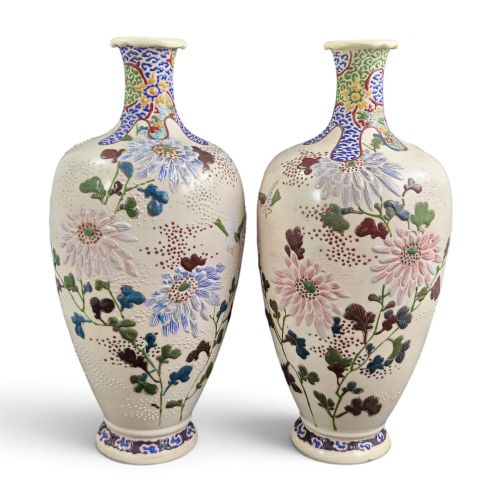
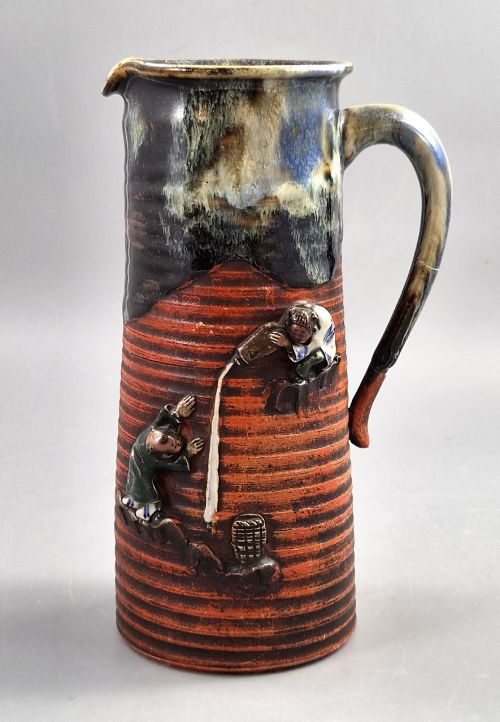
Certain wares incorporate sculptural relief elements modelled by hand, such as climbing figures or natural landscapes attached to the vessel walls. Workshops also produced pieces featuring specialised lavender flambe glazes and detailed underglaze painting.
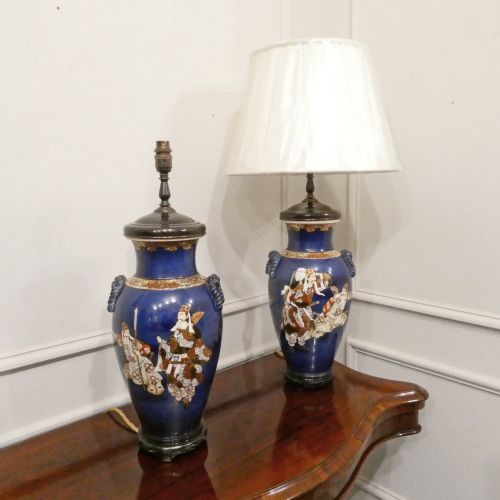
The listings combine earthenware, porcelain and stoneware forms across the nineteenth and early twentieth centuries, incorporating table lamps alongside traditional display vessels.
What varies in quality
The distinction between ordinary production and finer work lies in the precision of the brushwork and the complexity of the modelled decoration. Superior pieces display controlled gilding and expressive figural painting executed by named workshops or skilled hands.
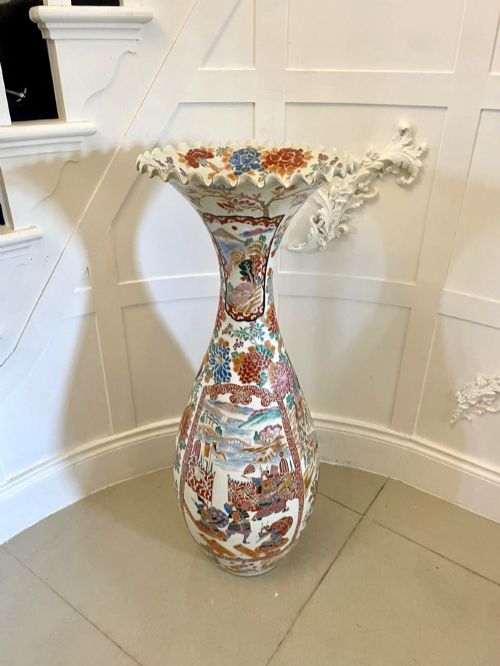
Proportion and execution differentiate standard vessels from exceptional examples, particularly in large floor-standing Imari pieces and elaborate Satsuma garnitures where balance across a matching set matters greatly.
Maruni Kobe·Shozan·Inoue Ryosai·Ban-ni·Kinzan·Hotoda·Makuzu Kozan·Hichozan Shinpo
The Japanese Meiji Ceramic Vase Glossary
- Imari
- A type of Japanese porcelain decorated in underglaze blue and overglaze iron red, gold and other colours. These items often feature dense panel designs and symmetrical floral motifs.
- Satsuma
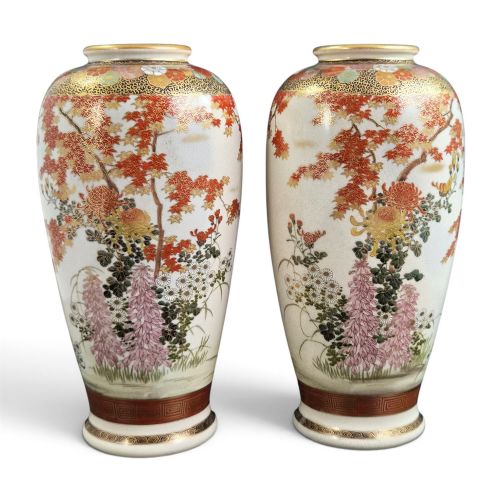
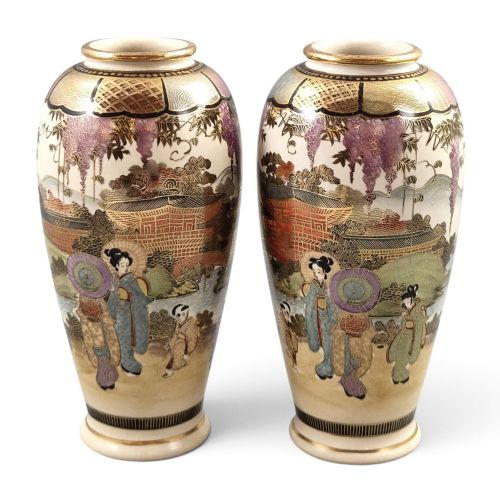
- An earthenware ceramic originating from Satsuma Province, characterised by an ivory crackle-glaze and detailed enamel and gilt painting depicting figures, flowers and landscapes.
- Kutani
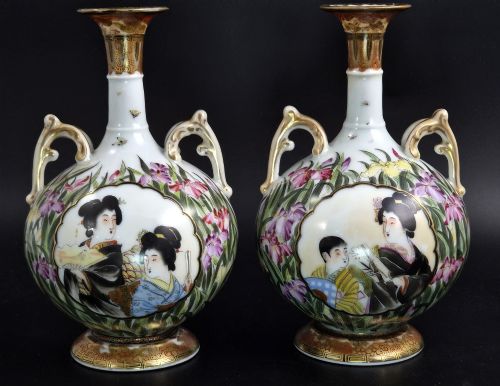
- Japanese porcelain known for its vibrant polychrome enamel painting, frequently employing greens, blues, yellows and purples in pictorial compositions.
- Sumida Gawa
- Art pottery produced near Tokyo featuring heavy flambe glazes and distinctive sculptural figures or natural elements modelled in high relief on the exterior.
- Flambe glaze
- A streaked or mottled ceramic glaze resulting from complex chemical reactions and kiln conditions during the firing process, creating rich tonal variations.
Japanese Meiji Ceramic Vase: Frequently Asked Questions
How do I identify a Satsuma vase?
Satsuma vessels feature a distinctive cream-coloured earthenware body covered in a fine network of transparent crackled glaze. They are traditionally decorated with intricate hand-painted enamel scenes enriched with heavy gilding.
You will frequently find figures, historical narratives, butterflies or floral motifs rendered with great precision across the surface of these pieces.
What is the difference between Imari and Kutani?
Imari wares are made of hard porcelain and typically rely on a strict palette of deep cobalt blue combined with iron red and gold highlights. The patterns often divide into geometric panels and botanical arrangements.
Kutani ceramics utilise a much wider range of vibrant enamel colours, particularly greens and purples, focusing on pictorial storytelling and bold graphic compositions.
Can these vases hold water safely?
Many antique ceramic pieces from this period, particularly earthenware Satsuma and sculptural Sumida Gawa wares, are porous or feature delicate applied surface elements. They function best as decorative display items rather than functional vessels for fresh flowers.
If you wish to use them for cut stems, place a discreet glass or waterproof liner inside the neck to protect the historic body from moisture.
How should I display a floor vase?
Large floor-standing Imari and Satsuma vessels require a stable, low-traffic position where they will not be knocked or brushed against. Placing them directly on solid flooring away from heavy footpaths protects their balanced proportions.
Ensure the surrounding space allows enough distance to appreciate the detailed hand-painted panels and rich gilding without visual clutter.