



Japanese Floral Pottery
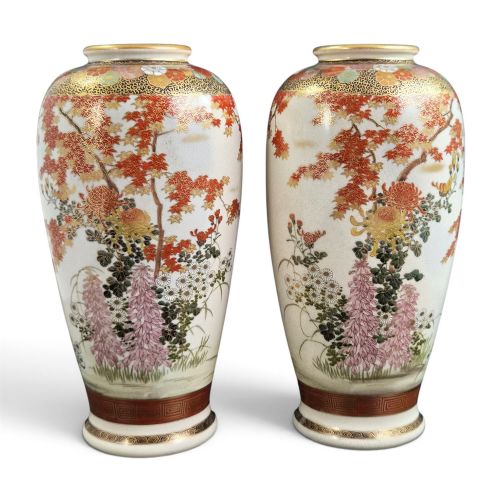
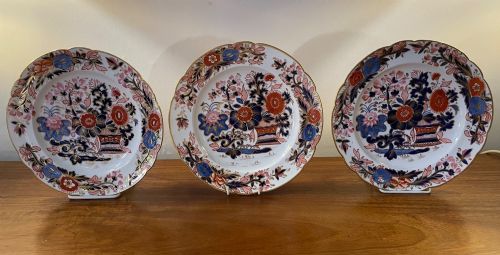
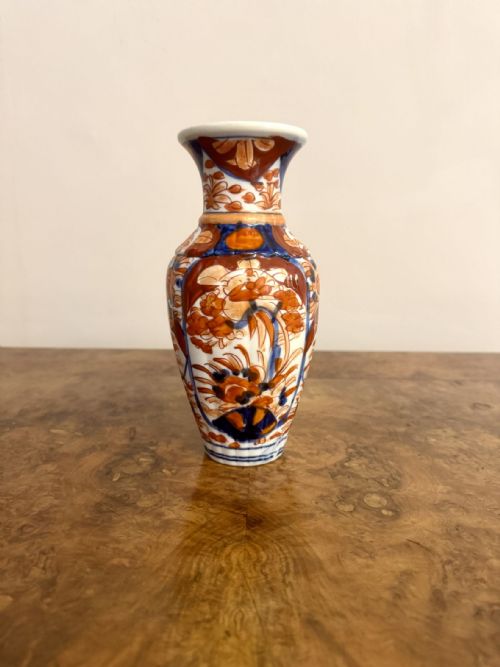
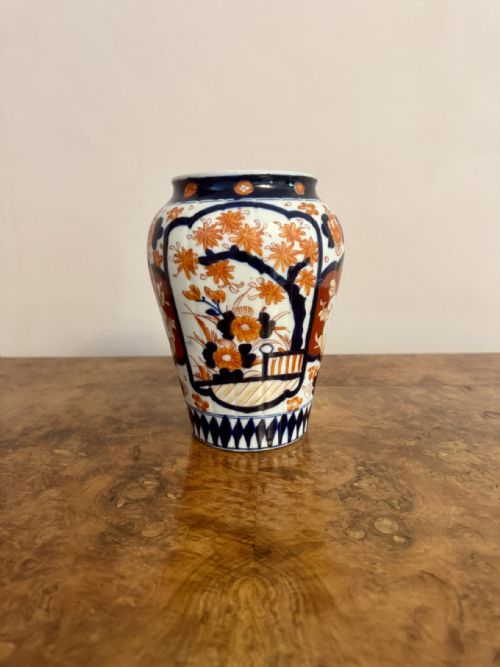
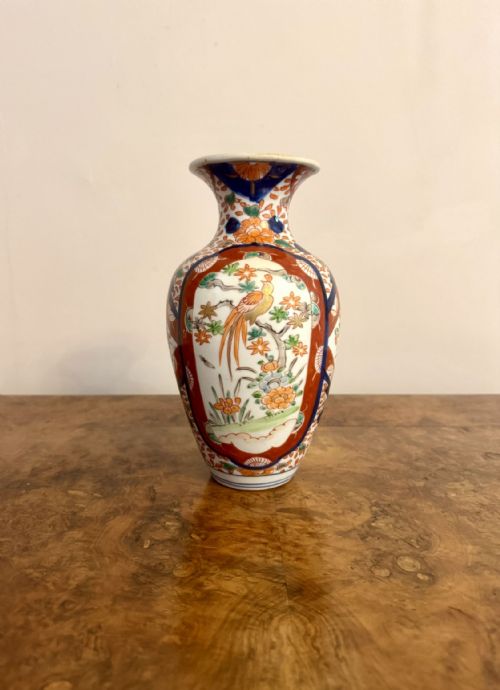
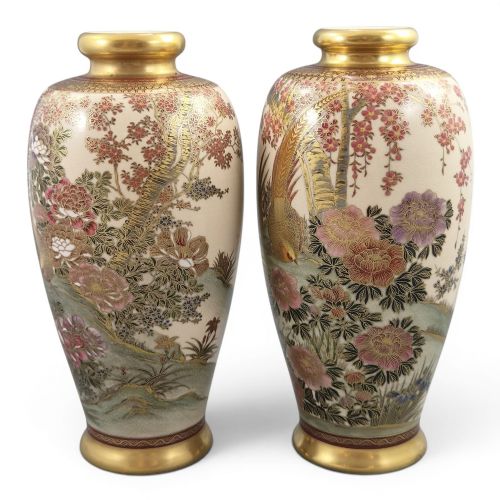
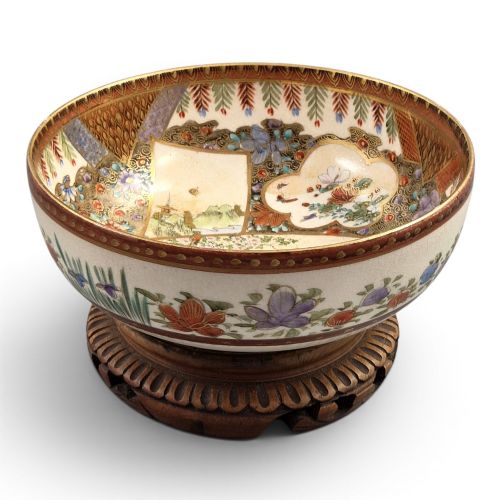
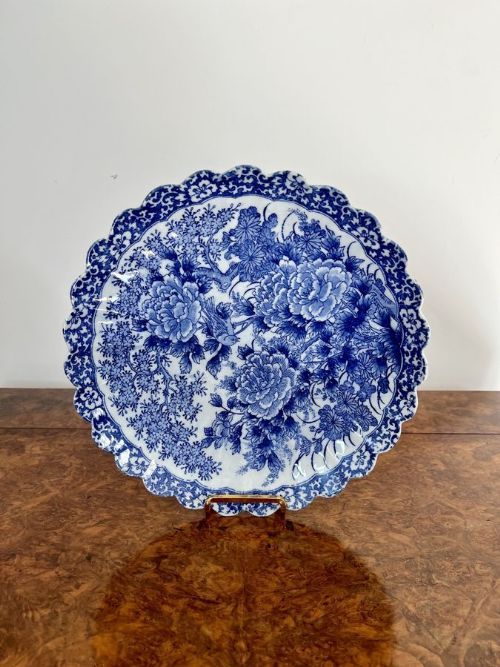
Japanese floral pottery brings intricate botanical motifs and rich regional palettes into interiors, spanning traditional Satsuma wares, Kutani pieces, and classic Imari vessels.
Japanese Floral Pottery
Vessels range from miniature incense burners to large exhibition pieces, often displaying dense arrangements of blossoms, birds, and gardens. A significant portion of these items originates from late nineteenth and early twentieth century workshops.
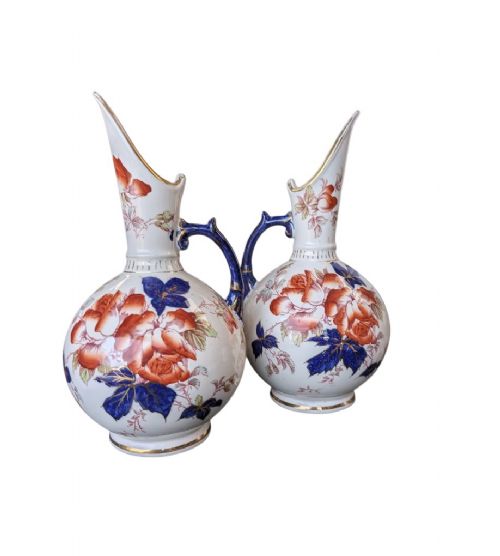
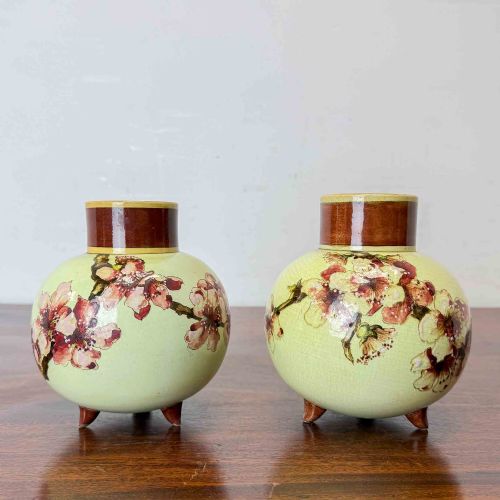
While the majority of examples stem from Japanese production centres, buyers also find related British interpretations utilising familiar decorative palettes and floral themes on earthenware.
Materials and construction
Potters shaped these objects from earthenware and porcelain, applying cobalt pigment, enamel, and glaze before firing. Many pieces incorporate gold leaf and heavy gilding to highlight intricate surface patterns.
Painters utilised fine brushwork for detailed floral scenes, often building up layered enamel effects on Satsuma wares and crisp blue and white designs on Arita porcelain.
Evaluating the pieces
Quality rests upon the precision of the hand-painted brushwork, the richness of the enamel and gilt application, and the clarity of artist signatures or workshop crests. Finer examples display meticulous control over dense floral patterns and balanced composition.
The sophistication of the potting and the preservation of delicate surface gilding distinguish standard decorative items from exceptional exhibition-grade works.
Maruni Kobe·Manpei Kobe·Kozan·Ryuzan·Nikko·Hakusan·Tagawa·Kinkozan·Hododa·Kotobuki do
The Japanese Floral Pottery Glossary
- Satsuma
- A type of earthenware with a fine crackle glaze, typically decorated with polychrome enamels and extensive gilding.
- Imari
- A style of Japanese porcelain featuring a distinctive palette of cobalt blue, iron red, and gold.
- Kutani
- Japanese porcelain known for bold pictorial designs and vibrant enamel colours, often incorporating floral motifs.
- Arita
- The Japanese town renowned as the birthplace of Japanese porcelain production and the creation of Imari wares.
- Meiji Period
- The era spanning from eighteen sixty-eight to nineteen twelve, marked by major artistic output and international trade.
Japanese Floral Pottery: Frequently Asked Questions
How do I care for antique pottery?
Dust surfaces gently with a dry, soft cloth to protect delicate enamel and gold leaf decorations. Avoid using water, harsh cleaning agents, or immersion.
Keep pieces away from direct sunlight to prevent fading of the hand-painted pigments over time.
What is the Shimazu crest?
The Shimazu mon, or family crest showing a cross within a circle, frequently appears on Satsuma ceramics. It indicates the patronage or origin associated with the Satsuma domain.
Finding this mark helps confirm the historical context of the piece during the Meiji period.
Are these pieces waterproof?
Many antique earthenware vessels, particularly Satsuma wares, have porous bodies and a crackled glaze that can seep moisture. Using them to hold fresh water and flowers risks staining the ceramic.
Display these items dry or utilise a discreet internal glass liner if used for fresh botanicals.