


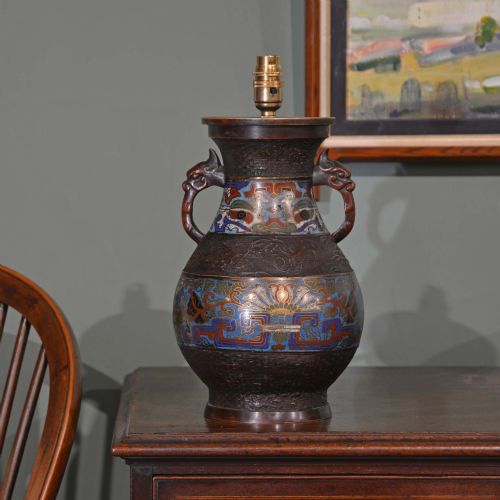


Japanese Dragon Bronze Vessel
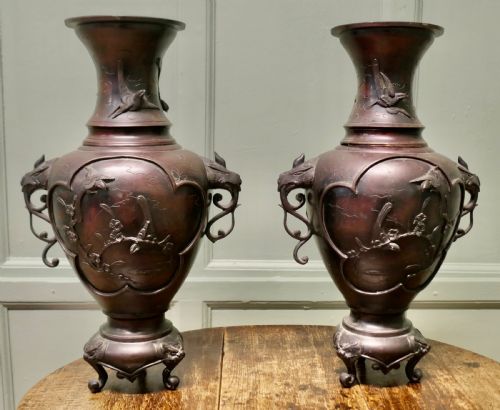
A japanese dragon bronze vessel brings the dramatic metalwork of the Meiji period and the nineteenth century straight into a room.
Japanese Dragon Bronze Vessel
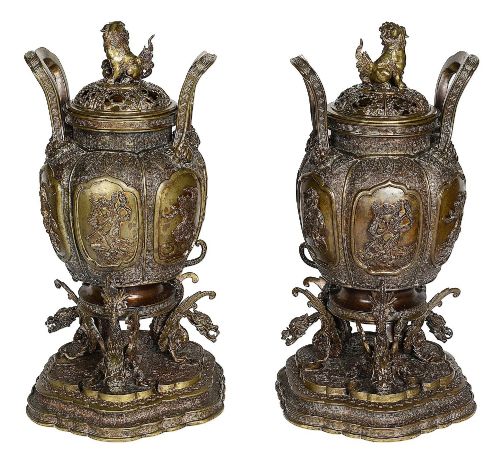
A japanese dragon bronze vessel encompasses heavy cast metal pieces made for display, burning incense or holding water.
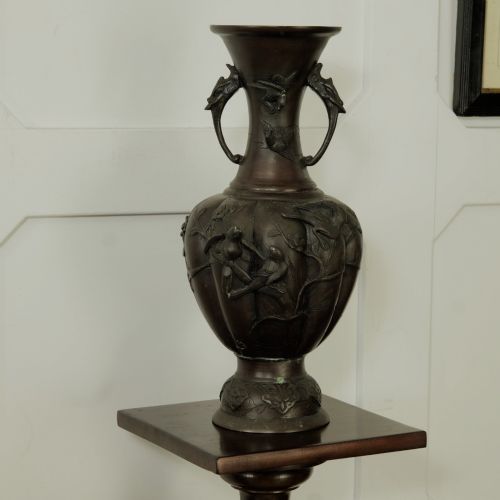
The selections found here lean heavily towards nineteenth century Meiji period vases, lidded urns and garden planters.
Buyers encounter both slender tall forms and massive monumental garden temple vases decorated with powerful serpent motifs.
Materials and construction
The foundational metal is cast bronze, frequently finished with a dark patination or rich verdigris surface.
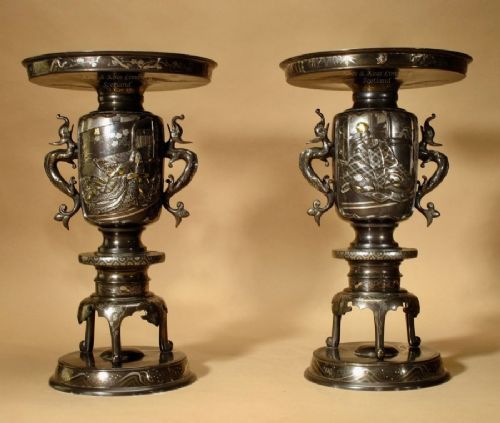
Many examples incorporate intricate gold inlay, silver inlay and champleve enamel details to highlight the dragon designs.
Some dragons coil so fiercely around the bronze necks that they appear ready to slip off and guard the floorboards.
Judging the work
The sharpness and depth of the cast dragon details separate standard production from exceptional artistry.
Subtle shifts in patination and the precision of inlaid metalwork dictate the standing of each piece.
The Japanese Dragon Bronze Vessel Glossary
- Meiji Period
- The era in Japanese history spanning from 1868 to 1912, known for prolific metalworking and international export. Much of the finest decorative bronzework originates from these decades.
- Champleve Enamel
- A technique where troughs are carved into the bronze and filled with vitreous enamel before firing. This method adds striking bands of colour alongside the cast metal.
- Usubata
- A specific form of bronze vessel traditionally used for flower arrangement, featuring a wide shallow bowl atop a distinct pillar and base. They often incorporate prominent dragon motifs.
- Hu Vase
- A vessel shape adapted from ancient Chinese ritual bronzes, featuring a pear-shaped body and tubular handles. Japanese makers adopted this archaic form during the nineteenth century.
- Patinated Bronze
- Metal treated with chemical solutions to produce a controlled aged surface finish. This treatment ranges from deep chocolate browns to greens.
Japanese Dragon Bronze Vessel: Frequently Asked Questions
What is a japanese dragon bronze vessel used for?
These metal items served as ornamental vases, lidded incense burners, garden planters and water vessels in nineteenth century interiors.
Today, collectors place them as standalone sculptural centrepieces or utilise them for large floral displays.
How do I date a japanese dragon bronze vessel?
Dating relies on identifying the manufacturing style, such as Meiji period characteristics or archaic revival forms.
The presence of specific patination techniques and enamel work also points towards late nineteenth or early twentieth century production.
How do I clean a bronze vessel?
Dusting with a dry soft cloth preserves the historic surface and chemical patination without causing damage.
Harsh metal polishes and chemical cleaners strip away the aged finish and reduce the character of the bronze.
Are these pieces heavy?
These vessels are solid cast metal objects, with larger examples weighing several kilograms or standing over a foot tall.
Garden urns and monumental temple vases require stable, sturdy placement due to their substantial physical mass.