


Japanese Crackle Glaze Ceramics
Japanese crackle glaze ceramics bring together the finely netted crazing of Satsuma earthenware and Kutani wares, prized for their intricate hand-painted enamel and gilt surfaces.
Japanese Crackle Glaze Ceramics
When you search for japanese crackle glaze ceramics, you encounter pieces originating primarily from the Meiji, Taisho, and early Showa periods, stretching from the late nineteenth century into the early twentieth century.
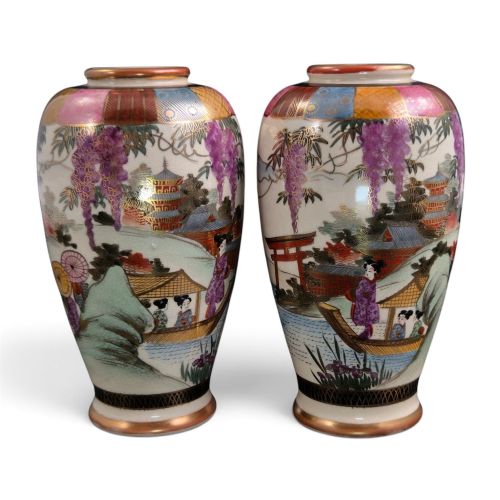
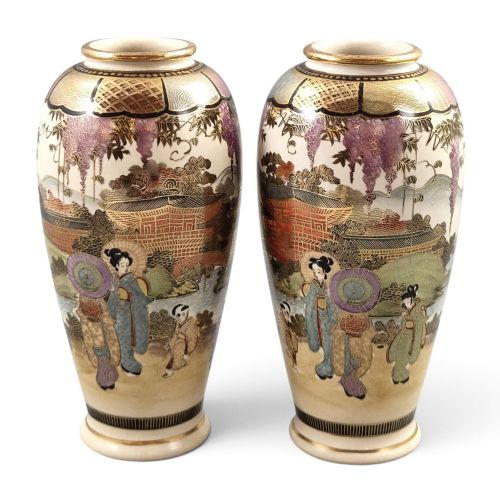
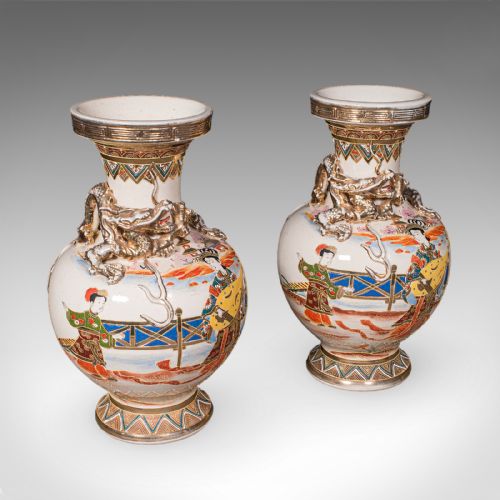
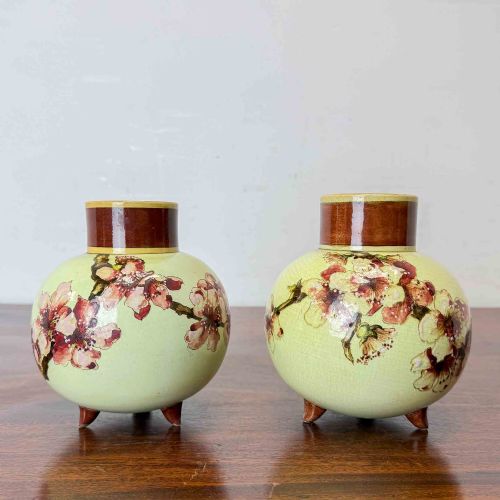
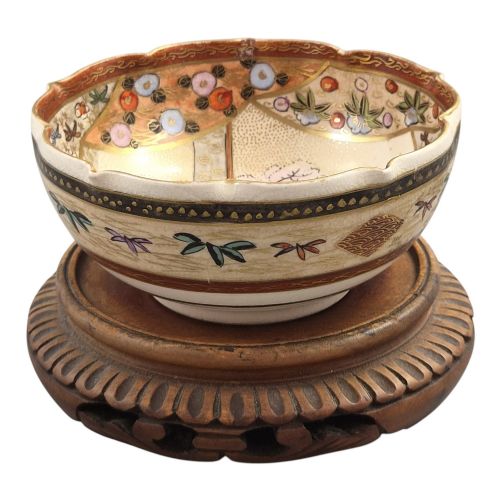
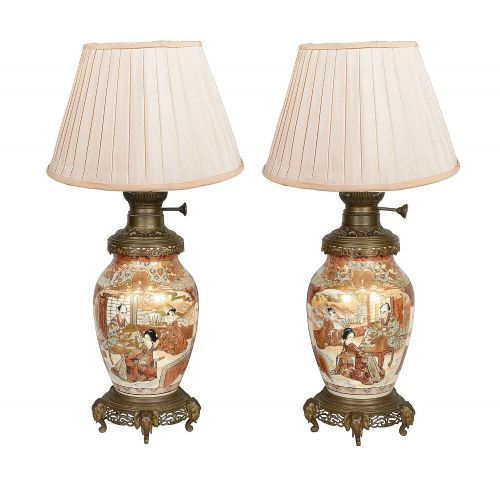
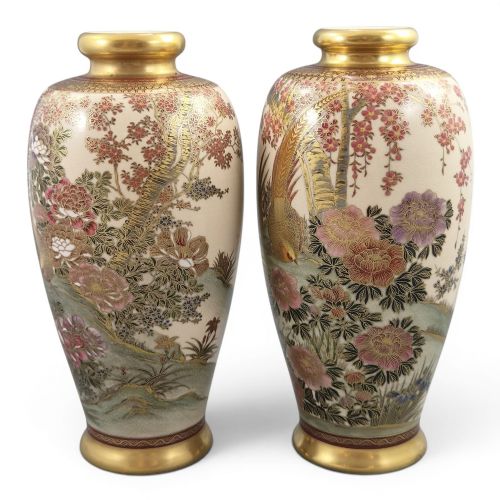
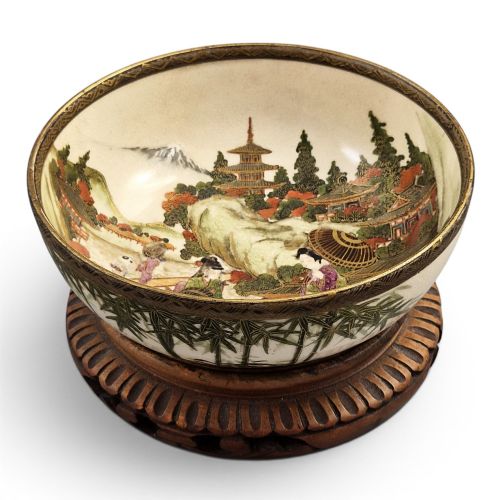
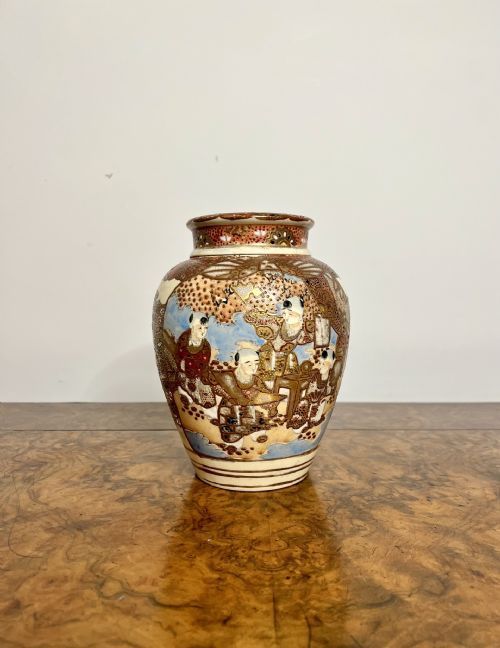
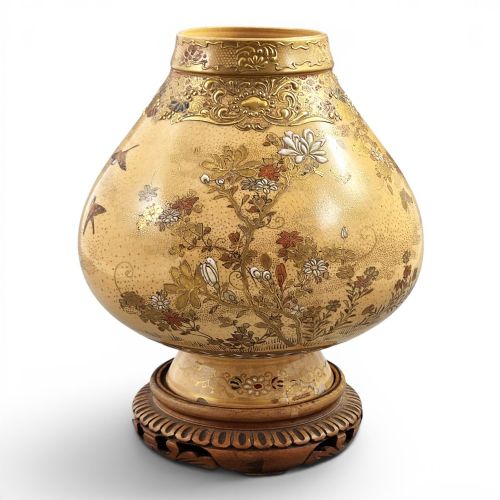
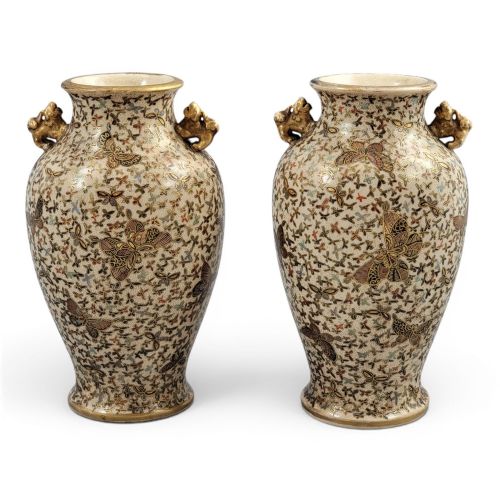
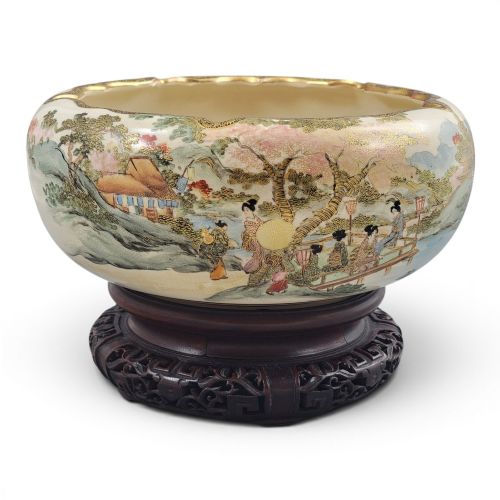
The form most frequently met is the Satsuma vase, alongside decorative bowls, ginger jars, tea caddies, and table lamps that display the characteristic fine network of glaze lines.
Origins trace largely to Kyoto, Tokyo, and Kobe workshops, spanning historical periods from late Victorian and Edwardian dates through to the 1920s and 1930s.
Materials and construction
These items rely upon an earthenware ceramic body covered in a glaze that develops an intentional network of fine cracks as it cools.
Makers then embellished these absorbent crackled surfaces using polychrome enamel pigments, detailed gold leaf, and gilt highlights to render figures, landscapes, and floral motifs.
Listings span the nineteenth century into the twentieth century, featuring earthenware forms decorated with enamel, glaze, and gold leaf.
Judging quality and execution
Quality rests upon the delicacy of the crackle ground and the density, precision, and alignment of the hand-painted enamel work and gold gilding across the ceramic body.
Pieces bearing signatures from renowned master workshops and specific studios display superior artistic control in figural rendering and composition compared to standard commercial output.
Shozan·Manpei·Gyokkō·Kinkōzan·Kinzan·Shizan·Ryuzan·Chosei·Seiko-en Chokei·Choshuzan·Jissei·Yoshisada·Tokyo Taizan·Hattori·Hayakawa
The Japanese Crackle Glaze Ceramics Glossary
- Crackle glaze
- A transparent ceramic glaze deliberately induced to fracture into a tight web of tiny lines during cooling. This crazing accepts subtle staining to emphasise the pattern.
- Satsuma
- A type of Japanese earthenware originating from Satsuma Province, featuring an ivory-coloured crackle glaze richly decorated with enamel and gold. It became a major export category during the Meiji period.
- Moriage
- A decorative ceramic technique using raised slip or enamel dots and lines to build up textured surface designs. It creates a palpable, three-dimensional effect on vases and jars.
- Kutani
- Japanese porcelain and pottery recognised for bold overglaze enamels, often incorporating extensive red and gold palettes. These wares complement Satsuma items in many collections.
- Koro
- A traditional Japanese incense burner typically supported on three feet and fitted with a pierced cover. They frequently appear among antique decorative studio pieces.
Japanese Crackle Glaze Ceramics: Frequently Asked Questions
What is Japanese crackle glaze?
Japanese crackle glaze is a decorative surface finish where the glossy coating of a ceramic piece develops a fine, deliberate network of tiny hairline fractures during the firing or cooling process. Potters often let these microscopic lines absorb subtle dark tones over time to accentuate the intricate geometric pattern beneath the painting.
This aesthetic technique was mastered on earthenware bodies, particularly during the late nineteenth century, providing a textured canvas for elaborate hand-painted enamel and gilt artwork.
How do I display these ceramics?
Displaying these items involves placing them away from direct, harsh sunlight to protect the delicate polychrome enamels and gold leaf highlights from fading over the years. Position them on stable surfaces where their detailed figural panels or floral motifs can be viewed closely at eye level.
Because many pieces are earthenware rather than vitrified porcelain, keep them clear of damp environments and handle them carefully by the body rather than by delicate applied handles or rims.
Are all crackle glaze pieces Satsuma?
Not all crackle glaze items belong to the Satsuma tradition, although Satsuma earthenware represents the vast majority of pieces featuring this distinct crazed surface. Other regional traditions, such as certain Kutani or general studio ceramics, also utilised crackled finishes for specific artistic effects.
Examining the underlying clay body, the tone of the crackle, and the style of the accompanying signature helps distinguish Satsuma production from other Japanese ceramic schools.
How do I clean antique ceramics?
Cleaning antique ceramics requires only a gentle dusting with a dry, soft brush or a clean, lint-free cloth to remove surface particles safely. Avoid using water, chemical detergents, or abrasive cloths, as moisture can penetrate the crackle lines and potentially stain the porous earthenware body beneath.
If a piece requires deeper conservation attention, consult a professional restorer rather than attempting wet cleaning at home, particularly on items with extensive gold leaf.