


Japanese Cloisonne Dishes
When searching for japanese cloisonne dishes, you enter a world of meticulous metalwork and vibrant enamel vessels that bring intricate Meiji and Edo period artistry directly into your home.
Japanese Cloisonne Dishes
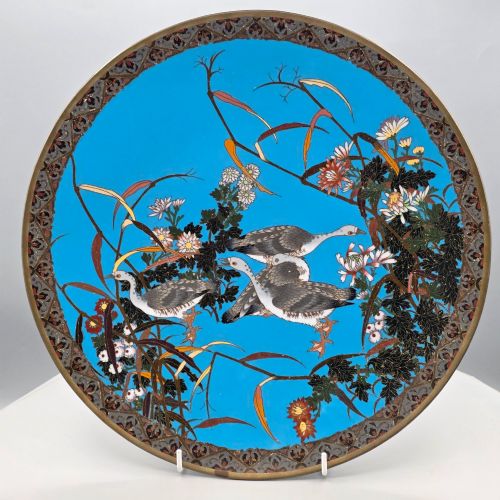
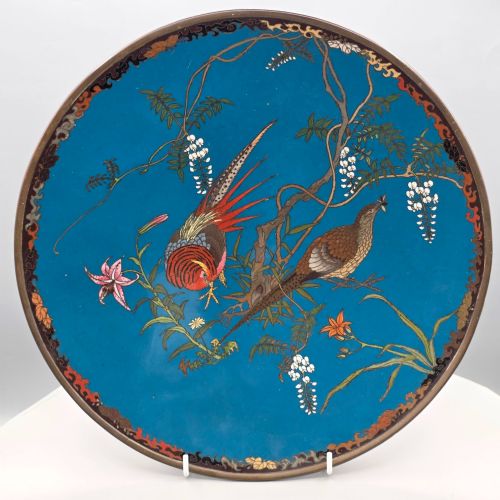
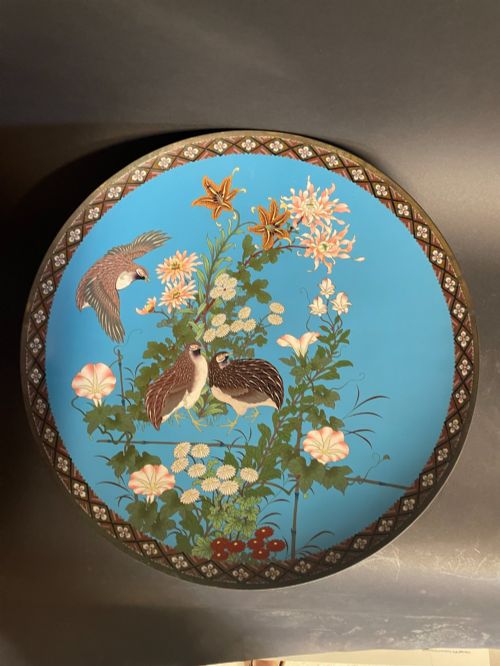
When looking at japanese cloisonne dishes, collectors examine a variety of forms including large decorative chargers, medium plates, square trays, and lidded pedestal bowls. These items date primarily from the nineteenth century, spanning periods from the Edo era through the Meiji period.
The most common versions met on this page are large decorative chargers and plates featuring detailed depictions of birds, dragons, koi, and landscapes. Objects range from smaller trays to massive chargers reaching significant diameters.
Makers utilised traditional techniques to produce works displaying phoenixes, flowers, and auspicious symbols on copper or porcelain bodies. Pieces vary from straightforward landscape plates to highly elaborate signed works.
How they were made
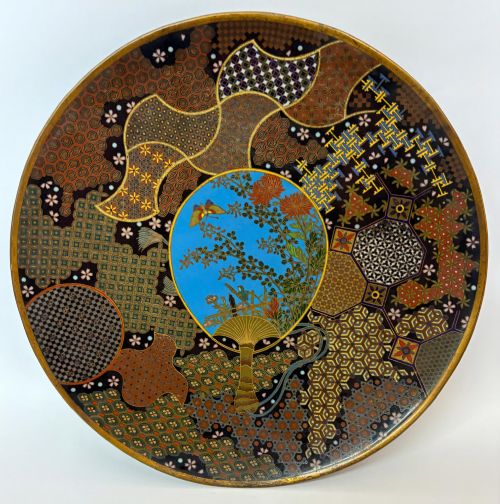
Artisans constructed these items using copper, bronze, or porcelain as a foundation, applying delicate brass or metal wire to outline intricate motifs. This wire forms the cloisons that compartmentalise the coloured enamel pastes.
Once filled with enamel, the vessels underwent firing and extensive polishing to create a smooth surface where the metal lines define every feather, scale, and petal. Certain works utilise porcelain bodies with specialised finishes like tree bark textures known as totai shippo.
Among the feathered residents of these metal plates, an owl contemplates Mount Fuji with remarkable solemnity.
What varies in quality
Quality depends heavily on the fineness of the wirework and the complexity of the enamel palette used within the design. Pieces featuring dense, controlled wiring and subtle colour gradients separate the finest examples from standard production.
The presence of an artist signature, particularly from recognised workshops, elevates the standing of a charger or tray. Furthermore, the ambition of the subject matter, such as leaping koi or detailed dragons, dictates the overall execution level.
Kinkozan
The Japanese Cloisonne Dishes Glossary
- Cloisonne
- Enamelwork in which coloured pastes are applied within compartments formed by soldered metal wires on a base. This technique creates a stained-glass effect on metal surfaces.
- Charger
- A large decorative plate intended for display rather than dining. These form the bulk of the larger nineteenth-century items.
- Totai Shippo
- A Japanese technique where enamel is applied to a porcelain body rather than metal, sometimes featuring textured grounds resembling tree bark. It showcases remarkable technical skill.
- Meiji Period
- The era in Japanese history spanning from eighteen sixty-eight to nineteen twelve, noted for a massive output of exceptional decorative arts for export. Pieces from this time show extreme precision in wire placement.
- Mon
- A Japanese heraldic badge or emblem used to decorate garments or objects. These circular crests frequently appear alongside birds and floral motifs.
Japanese Cloisonne Dishes: Frequently Asked Questions
How were japanese cloisonne dishes displayed?
These chargers and plates were primarily created for decorative display on walls, cabinets, or stands rather than everyday utility. Their vibrant enamels and intricate metalwork made them focal points in nineteenth-century interiors.
Collectors often utilise specialised wooden stands or wall-mounting wires designed to support heavy copper or porcelain bodies safely.
What subjects appear on these pieces?
Common motifs include natural elements such as iris flowers, bamboo, landscapes, and Mount Fuji. Animal subjects feature prominently, ranging from cranes, geese, and owls to mythological dragons and ho-o birds.
Religious figures such as Buddhas and samurai also appear on select Meiji period plates, reflecting traditional iconography.
How do I date a piece?
Dating relies on stylistic shifts between the Edo period and the Meiji period, alongside construction methods and the complexity of the wirework. Earlier Edo examples often feature distinct palettes and heavier construction.
Later nineteenth-century pieces frequently display extremely fine wire grids and naturalistic bird or floral compositions associated with the height of Meiji craftsmanship.
Are these items signed?
Certain chargers and trays bear artist signatures or workshop marks stamped or applied directly into the enamel on the reverse or base. Signed pieces represent the upper tier of production from this era.
Unsigned items remain common and were produced in large quantities for both domestic and export markets without losing their decorative merit.