






Japanese Ceramic Bird Dish
A Japanese ceramic bird dish brings hand-painted avian subjects into your home through centuries of ceramic tradition.
Japanese Ceramic Bird Dish
A japanese ceramic bird dish encompasses plates, chargers, and shallow bowls decorated with painted or moulded bird motifs. The selections on this page span from the late seventeenth century through to the Meiji period around nineteen hundred, covering Edo period Imari, Satsuma ware, Arita, and Kutani traditions.
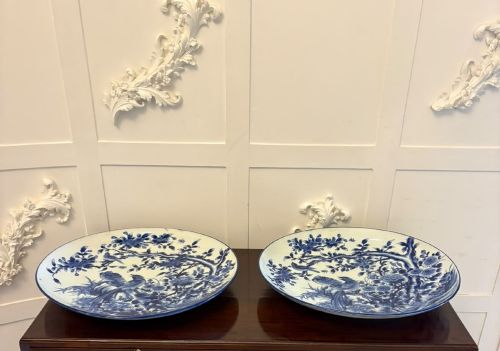
Buyers will most frequently encounter nineteenth-century Meiji period Imari porcelain plates and chargers featuring hand-painted floral and bird designs. These domestic and decorative items display traditional avian subjects such as exotic birds, house sparrows, and the mythical Ho-o bird or phoenix.
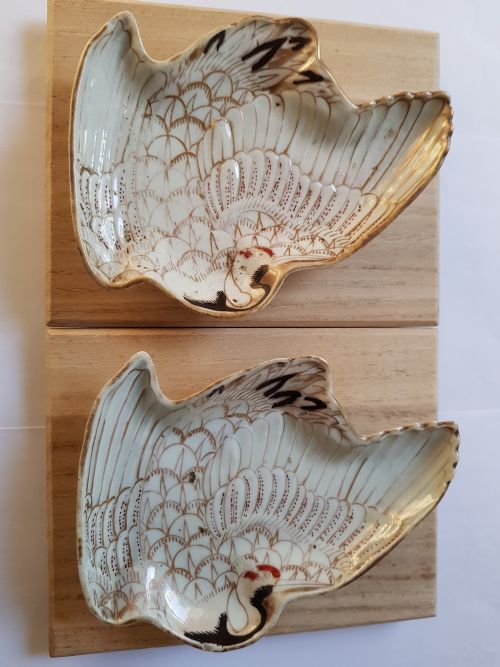
Formats vary from large decorative chargers and platters down to shallow moulded dishes shaped directly like cranes. Storage boxes sometimes accompany sets of porcelain plates, while other single pieces arrive as signed bowls or large cloisonne and lacquer hybrid chargers.
Factors of quality and execution
Quality rests in the crispness of the moulded relief and the control of the hand-painted brushwork across the bird and floral motifs. Finer examples show precise application of cobalt pigment, vibrant enamel work, and carefully laid gold gilt without messy bleed or hesitation.
The sophistication of the form also dictates distinction, moving from standard round plates to complex moulded shapes like cranes or vessels with cinnabar lacquer integration. Signed works by recognised studios or makers demonstrate a higher level of individual artistic ambition.
Japanese Ceramic Bird Dish Retail Price Guide 2026
Typical asking prices for japanese ceramic bird dish among the pieces listed under this phrase on Sellingantiques today, from the lower quarter to the upper quarter. They describe what is for sale here now, not the wider market.
The documented objects span decorative chargers, plates, dishes, platters, and shallow bowls.
Shozo
The Japanese Ceramic Bird Dish Glossary
- Imari
- A style of Japanese porcelain originally exported from the port of Arita, typically decorated in underglaze blue, iron red, and gold. This palette remained popular across the Edo and Meiji periods.
- Meiji Period
- The era in Japanese history lasting from eighteen sixty-eight to nineteen twelve, associated with increased export of decorative arts including elaborate porcelain chargers.
- Arita
- A town in Japan historically recognised as the birthplace of Japanese porcelain production. Kilns here produced the blue and white wares seen in early plates and chargers.
- Kutani
- A style of Japanese coloured porcelain known for vibrant overglaze enamel painting, often featuring birds, flowers, and detailed pictorial scenes.
- Totai
- A decorative technique involving porcelain bodies combined with other mediums such as cloisonne or lacquer work, creating textured hybrid vessels.
Japanese Ceramic Bird Dish: Frequently Asked Questions
How do I display a large charger?
Large chargers work well on sturdy plate stands or hung securely on walls using appropriate hardware designed for heavy porcelain.
Keep them out of direct sunlight to protect the enamel colours and gold gilt from fading over time.
Are these dishes safe for food use?
Older decorative pieces with overglaze enamels and gold leaf are generally intended for display rather than daily dining.
Hand washing in warm water without harsh detergents helps preserve the historical pigments and painted bird designs.
How do I tell an Edo period piece apart from a Meiji piece?
Edo period ceramics often reflect earlier potting techniques and specific trade restrictions, whereas Meiji pieces frequently show the expansive export output of the late nineteenth century.
Glaze characteristics, weight, and the specific rendering of subjects like birds offer further clues to the manufacturing date.
What does a signature on the base indicate?
A signature or artist seal points to a specific kiln, workshop, or painter responsible for the decoration of the ceramic piece.
Signatures can help narrow down the production era, particularly among Kutani and Satsuma wares from around nineteen hundred.