




Japanese Crane Dishes
Japanese crane dishes combine delicate artistry with enduring symbolism, bringing centuries of skilled ceramic and lacquer craftsmanship straight to your table.
Japanese Crane Dishes
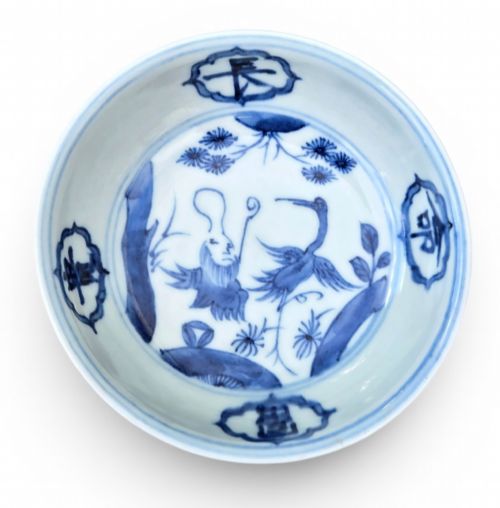
When searching for japanese crane dishes, you encounter an array of decorative plates, chargers, saucers, and sake cups spanning multiple centuries. The selection ranges from early Edo period porcelain and Ming dynasty saucers to Meiji era lacquerware and cloisonne pieces.
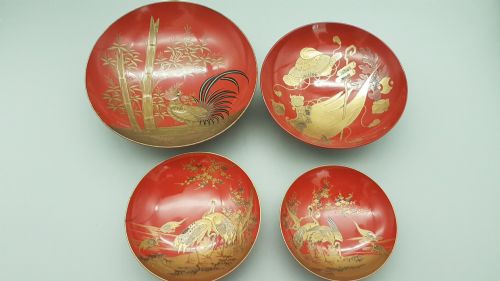
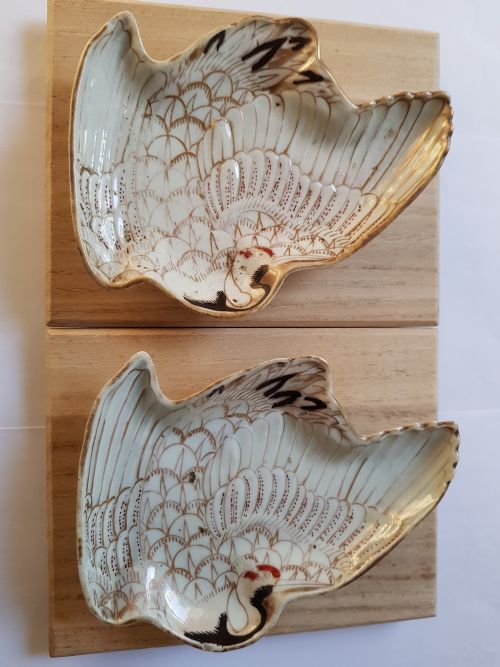
You are most likely to meet Meiji period porcelain chargers or Imari plates featuring distinct avian motifs, alongside delicate lacquerware sets and moulded shallow relief dishes from the late seventeenth century. These items vary considerably in scale, extending from tiny sake cups up to large decorative chargers.
The aesthetic traditions of these objects reflect centuries of Japanese craft history, incorporating cobalt glaze, enamel, and gold leaf details. Each dish serves as a tangible link to historical workshops across Japan and China.
Materials and construction
Porcelain forms the foundation for many pieces, decorated with cobalt glaze, iron red, and gold leaf to depict cranes and natural scenery. Potters utilised traditional moulding and glazing techniques to achieve shallow relief and deep saucer forms.
Cloisonne works incorporate brass, copper, and enamel over porcelain or ceramic cores, often utilising totai shippo wirework to simulate tree bark textures. Lacquerware pieces employ urushi lacquer and wood construction, finished with intricate surface designs for sake cups and small dishes.
Japanese Crane Dishes Retail Price Guide 2026
Typical asking prices for japanese crane dishes among the pieces listed under this phrase on Sellingantiques today, from the lower quarter to the upper quarter. They describe what is for sale here now, not the wider market.
Materials recorded include gold leaf, urushi lacquer, brass, copper, and cobalt glaze across plates, chargers, and cups.
Assessing quality and execution
The distinction between standard production and exceptional work lies in the precision of the surface decoration, whether in the fine lines of cobalt blue underglaze or the meticulous placement of cloisonne enamel and gold leaf. Superior examples demonstrate a high level of control in moulded relief work and lacquer application.
The clarity of the crane motif and the harmony of the surrounding palette separate ordinary decorative items from masterworks. Signed pieces and those retaining original surface integrity command greater attention from collectors.
The Japanese Crane Dishes Glossary
- Imari
- A traditional style of Japanese porcelain featuring distinctive cobalt blue, iron red, and gold decoration. These wares were widely produced for both domestic use and export during the Edo period.
- Totai shippo
- A specific Japanese cloisonne technique where enamel is applied over a porcelain body rather than metal. This method creates a unique textured surface that often mimics organic materials like tree bark.
- Urushi lacquer
- A natural resin harvested from trees in East Asia, used to coat wood objects. It cures into a durable, glossy finish that protects delicate items such as sake cups.
- Cloisonne
- A decorative metalwork technique where thin wire partitions are soldered to a base and filled with coloured enamel paste. The piece is then fired and polished to a smooth finish.
Japanese Crane Dishes: Frequently Asked Questions
What periods do these dishes come from?
The available pieces originate from various historical eras, including the Ming dynasty, Edo period, and Meiji period. This spans centuries of diverse ceramic and lacquer production.
Dates range from the seventeenth century through to the early twentieth century, reflecting shifting artistic styles and export markets.
How were these dishes used originally?
Many items served practical dining functions, such as serving sake from small cups or presenting food on deep saucers and plates. Chargers were typically intended for display.
Over time, these functional objects became valued as decorative items, collected for their intricate depictions of cranes and nature.
What materials are used in these pieces?
The objects are constructed from porcelain, wood, brass, and copper. Artisans decorated these bases using enamel, gold leaf, urushi lacquer, and cobalt glaze.
Some specialised pieces combine ceramic bodies with cloisonne wirework and textured enamel to imitate natural surfaces.
How do I identify a Meiji period piece?
Meiji period items often feature advanced cloisonne work, totai shippo tree bark textures, or refined lacquer techniques. Many of these later works bear signatures from the makers.
Comparing the specific enamel palette and mounting style helps distinguish late nineteenth and early twentieth century production from older Edo wares.