





Japanese Ceramic and Enamel
These pieces of Japanese ceramic and enamel bring together fine pottery, porcelain, and intricate metalwork created across the Edo, Meiji, and Taisho periods.
Japanese Ceramic and Enamel
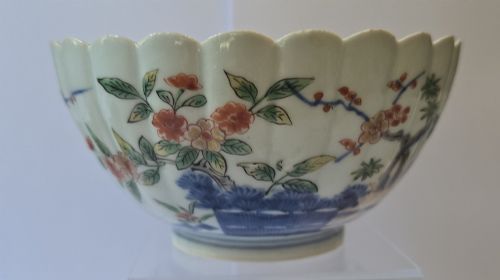
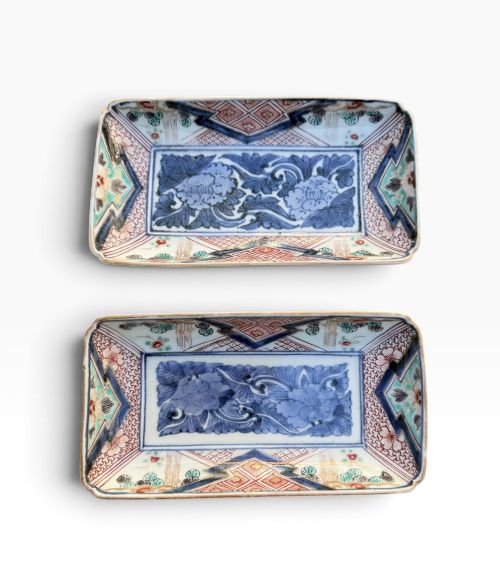
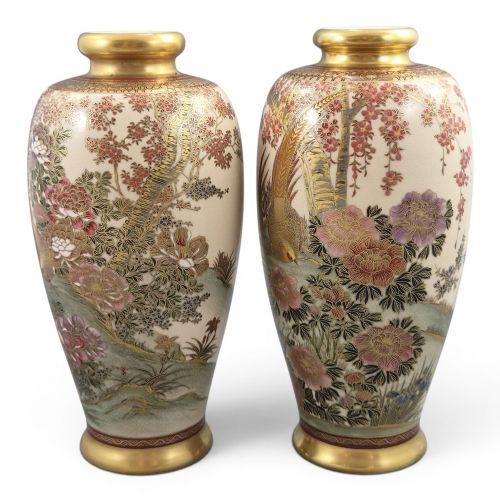
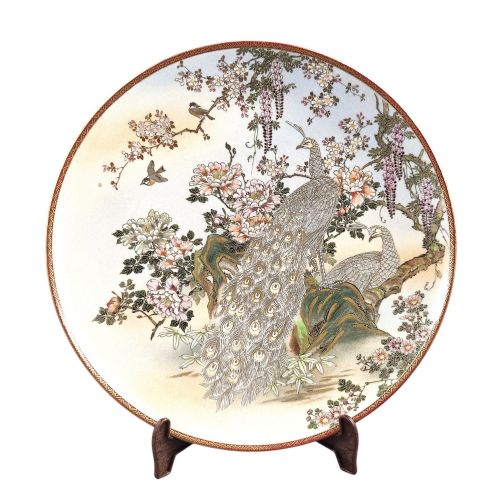
Japanese ceramic and enamel works encompass a diverse range of vessels and figures, spanning from early Arita and Imari porcelain to later Satsuma earthenware and cloisonné ginger jars. Buyers searching this phrase will find an array of decorative chargers, vases, and lidded jars reflecting distinct historical eras.
The objects seen here originate from prominent workshops and production centres across Japan, featuring works created during the seventeenth, eighteenth, nineteenth, and early twentieth centuries. Satsuma ware and Meiji period cloisonné enamel are particularly common among these listings, alongside Kutani figures and blue and white Arita porcelain.
Materials and technique
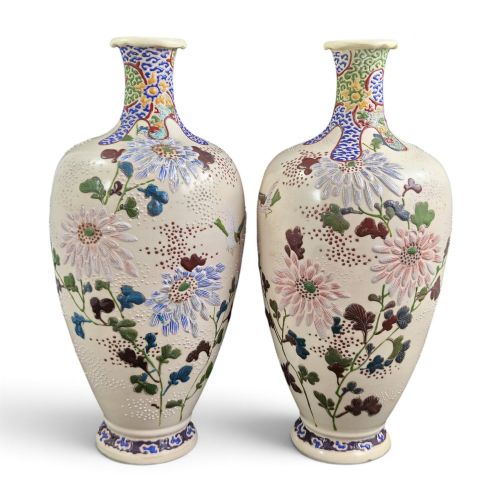
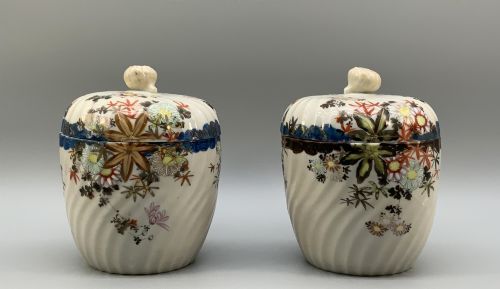
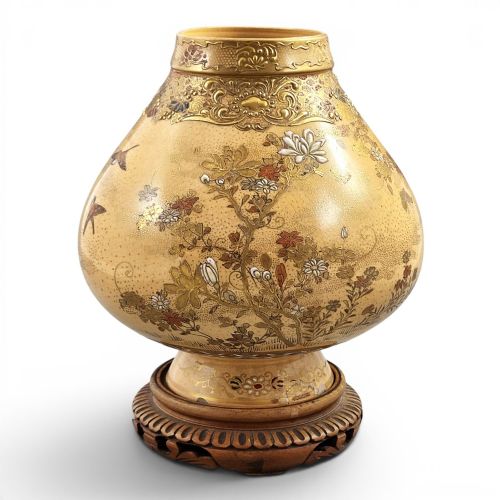
Potters and artisans shaped these items using local clays, stoneware, and fine porcelain bodies, often finishing surfaces with rich glazes, cobalt blue pigments, and extensive gold leaf or gold gilt detailing. Moriage techniques added raised enamel relief work to earthenware grounds, creating heavily textured floral and figurative panels.
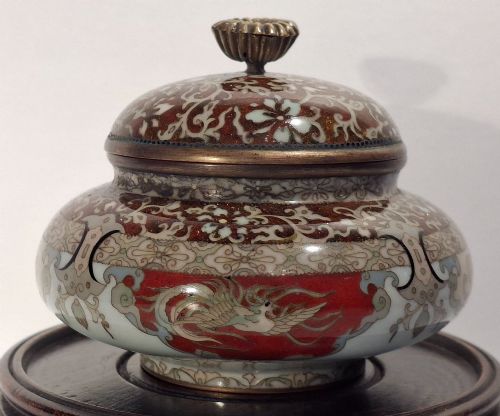
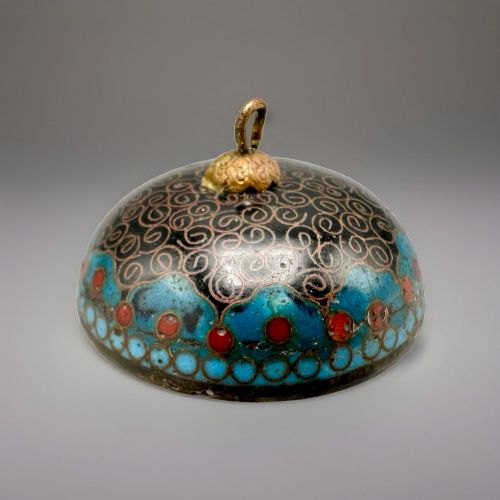
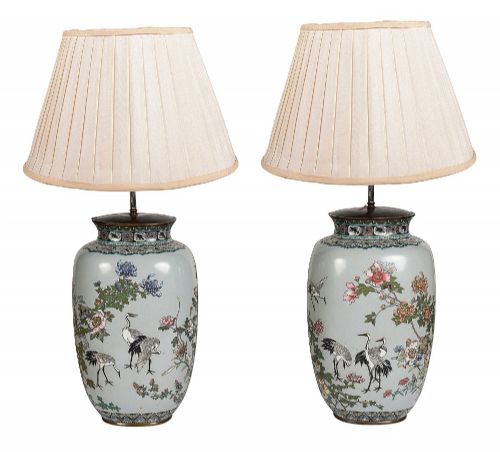
Metal wire work defined the cloisonné enamel pieces, where delicate copper or brass strips formed cells that artisans filled with coloured enamel pastes before firing and polishing. Totai shippo examples applied these enamel techniques directly onto porcelain or ceramic bodies rather than traditional metal bases.
Japanese Ceramic and Enamel Retail Price Guide 2026
Typical asking prices for japanese ceramic and enamel among the pieces listed under this phrase on Sellingantiques today, from the lower quarter to the upper quarter. They describe what is for sale here now, not the wider market.
The listings here feature works spanning from seventeenth-century Arita porcelain to early twentieth-century Taisho period ginbari vases.
Judging the standard
Quality rests upon the precision of the execution, from the intricacy of the cloisonné wirework and enamel density to the delicacy of the hand-painted moriage motifs and gold gilt highlights. Pieces bearing signatures from renowned makers or workshops generally display superior control over the kiln and finer artistic detail.
The clarity of the glaze, the balance of the composition across vases and chargers, and the preservation of the original enamel colours distinguish standard production items from exhibition-quality works.
Tsukamoto Hikokichi·Makuzu Kozan II·Manpei·Kozan·Kinzan·Nanzan
The Japanese Ceramic and Enamel Glossary
- Cloisonné enamel
- A metalworking technique where thin flat wires are soldered to a base to form compartments filled with enamel paste and fired. This method creates intricate patterned designs across vases, jars, and dishes.
- Moriage
- A decorative ceramic technique utilising raised slip or enamel to build up thick, textured patterns. It is frequently found on Satsuma earthenware depicting flowers, figures, and landscapes.
- Imari
- A style of Japanese porcelain decorated in underglaze blue, iron red, gold, and auxiliary colours. Originating from Arita, these wares gained widespread popularity for export.
- Ginbari
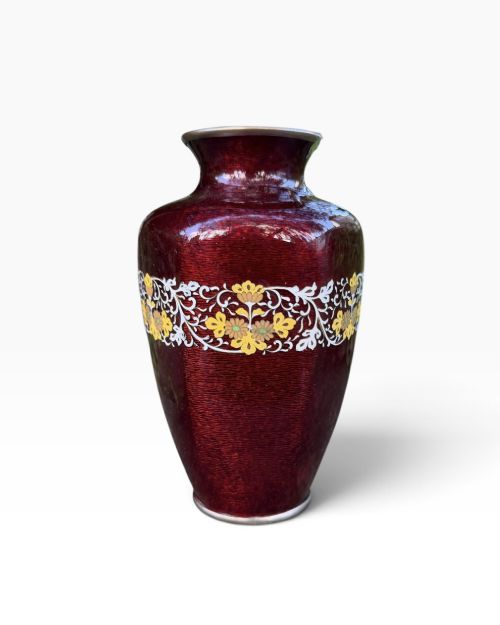
- A specialised cloisonné method featuring a textured or foiled foil background beneath translucent enamel. This technique produces a shimmering, reflective depth within the surface pattern.
- Koro
- A traditional Japanese incense burner typically supported on three legs and fitted with a pierced cover. These vessels appear in both porcelain and cloisonne enamel.
Japanese Ceramic and Enamel: Frequently Asked Questions
What is Satsuma ware?
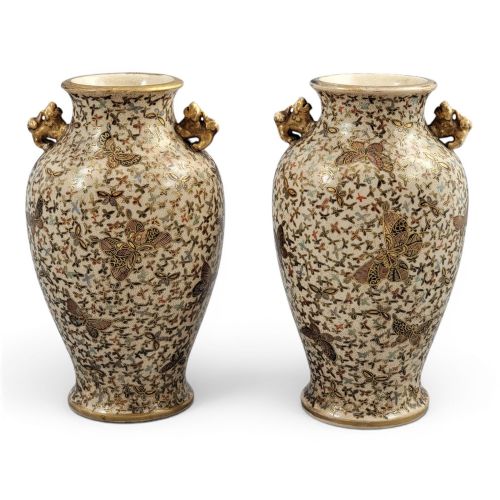
Satsuma ware is a type of Japanese earthenware traditionally characterised by an ivory-coloured, craquelure glaze decorated with elaborate enamels and gilt. These pieces often feature figurative scenes, birds, and floral arrangements.
Originally produced in Satsuma Province, the style evolved significantly during the Meiji period to cater to Western export markets, resulting in highly ornate chargers, vases, and incense burners.
How do I date Japanese porcelain?
Dating Japanese porcelain involves examining stylistic shifts, glaze characteristics, and any cyclical or reign marks stamped or painted on the base. Early wares often display robust potting techniques and cobalt painting typical of the Edo period.
Later pieces from the Meiji and Taisho periods frequently incorporate western trade influences, complex moriage decoration, and specific workshop signatures that help narrow their production window.
Where were Arita wares made?
Arita wares were produced in and around the town of Arita in Hizen province on the island of Kyushu. This region became the cradle of Japanese porcelain production following the discovery of suitable ceramic stone in the early seventeenth century.
The kilns produced both utilitarian vessels and high-end decorative porcelain exported through Dutch and Chinese traders at Nagasaki.
How should I display enamel pieces?
Enamel and ceramic pieces benefit from stable indoor environments away from direct sunlight, which can fade delicate pigments and gold leaf over time. Placing them in well-lit cabinets protects the surfaces from accidental knocks.
Maintain the items by dusting gently with a soft dry cloth, avoiding harsh cleaning agents or immersion in water that might damage exposed metal wires or aged glazes.