
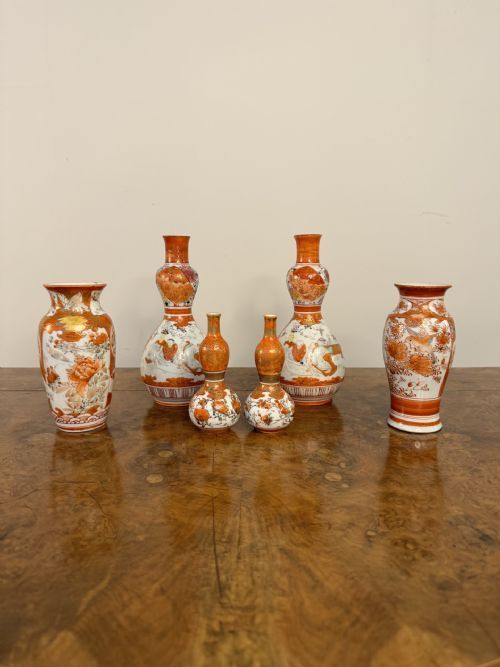


Japanese Art Pottery
Japanese art pottery brings together sculptural earthenware and stoneware, offering distinctive glazes and figurative detail for any collector.
Japanese Art Pottery
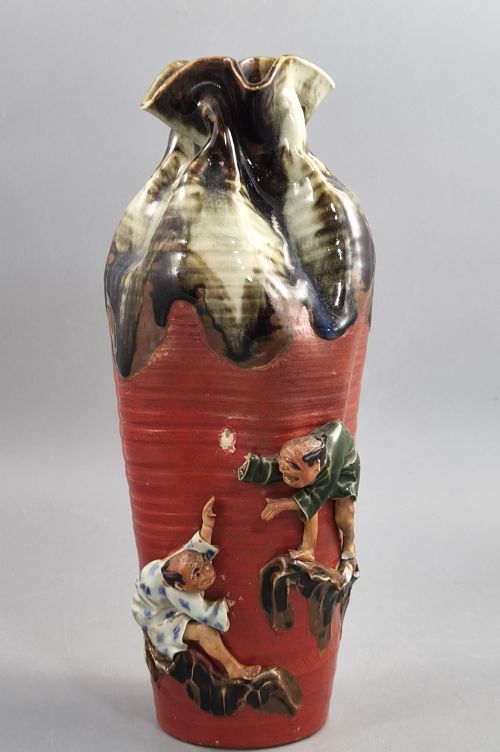
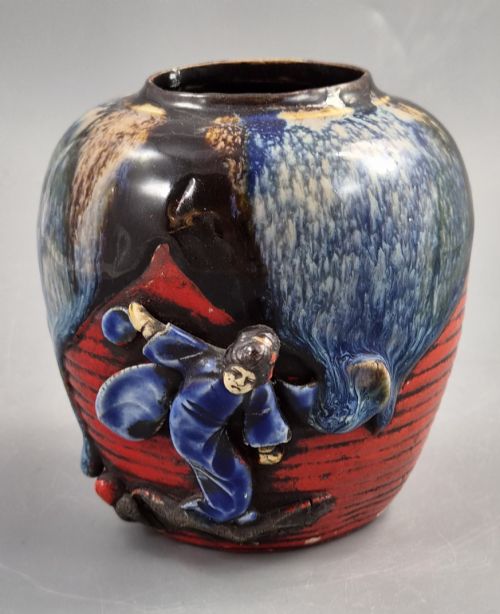
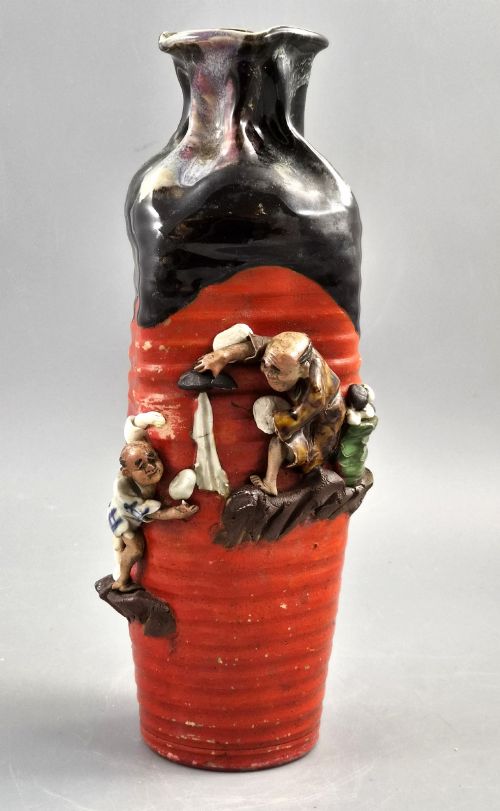
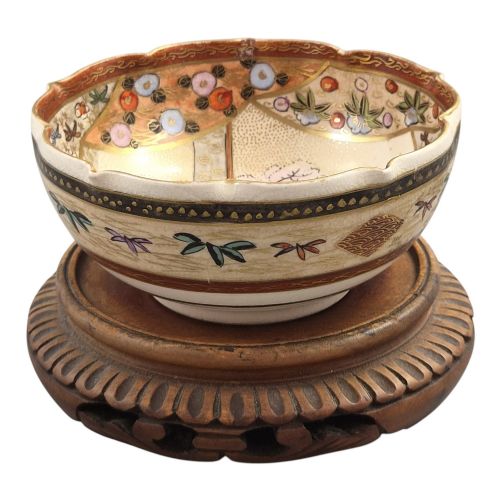
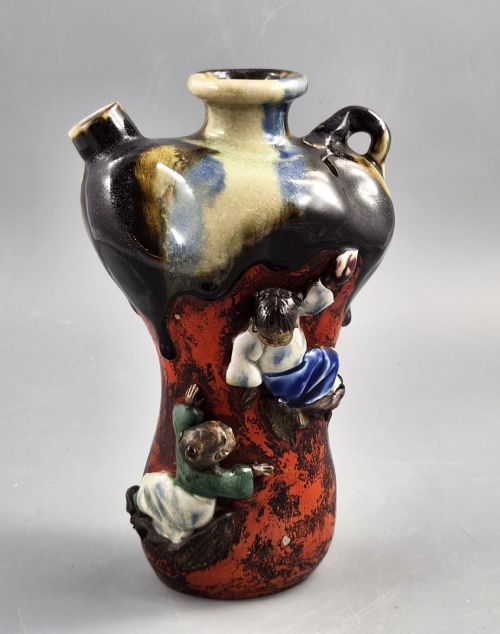
Japanese art pottery comprises vessels and figures created across the nineteenth and early twentieth centuries, spanning the Meiji, Taisho, and Showa periods. Buyers searching for Japanese art pottery encounter notable forms such as Sumida Gawa vases, Satsuma bowls, and intricate okimono figures.
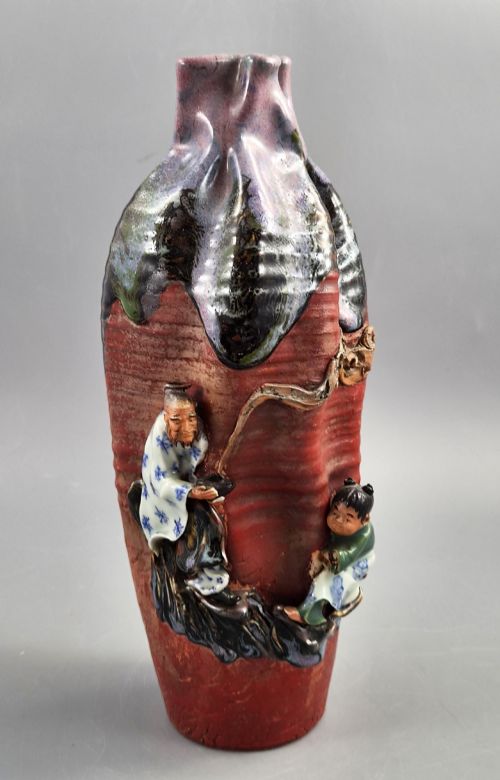
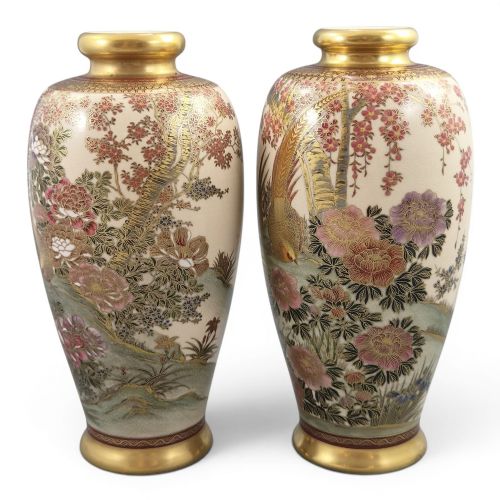
Vases and jars dominate the selection, often featuring modelled figures climbing the exterior or applied decorative motifs. Bowls, jardinieres, and figurines complete the range, originating from ceramic centres like Kyoto and Yokohama.
The objects reflect distinct historical periods, moving from late nineteenth-century Imperial wares to early twentieth-century Arts and Crafts influenced designs. Each piece demonstrates specific regional traditions in earthenware and stoneware production.
Materials and Techniques
Potters utilised earthenware, stoneware, porcelain, and terracotta as the primary bodies for shaping vases, jars, and figurines. These bases received careful hand-modelling, evident in pinched rims, applied clay figures, and sculpted animal forms.
Surfaces display rich decoration through the application of enamels, gold leaf, and complex flambe glazes. Cobalt blue, lavender, and vibrant multi-coloured palettes appear alongside detailed hand-painted designs.
Kiln techniques produced distinctive surface textures, from high-gloss flambe effects to matte earthenware finishes. Artisans combined traditional throwing methods with sculptural additions to create tactile, layered surfaces.
The available pieces encompass diverse forms, ranging from towering Sumida Gawa vases and Satsuma bowls to intricate okimono figures.
Assessing Quality
Quality rests upon the crispness of the modelling and the control of the glaze, particularly in complex flambe or applied figural works. Finer pieces display sharply defined facial expressions and secure, well-integrated applied figures.
The depth and consistency of the enamel work and gilding separate standard production from superior examples. Master workshops achieve precise registration in intricate patterns and subtle tonal variations in the glaze.
Signatures by recognised makers or distinguished kiln marks provide an additional indicator of superior execution. The harmony between the vessel form and the applied sculptural elements dictates the overall success of the piece.
Inoue Ryosai·Ban ni·Manpei·Hotoda·Makuzu Kozan·Kinkozan
The Japanese Art Pottery Glossary
- Sumida Gawa
- A style of Japanese pottery characterised by heavy dripping flambe glazes and applied clay figures scaling the vessel walls. These pieces originated around Tokyo during the late Meiji and Taisho periods.
- Satsuma
- Earthenware pottery featuring a fine crackle glaze decorated with polychrome enamels and extensive gilding. Originating in Satsuma province, production later flourished in Kyoto and Yokohama.
- Okimono
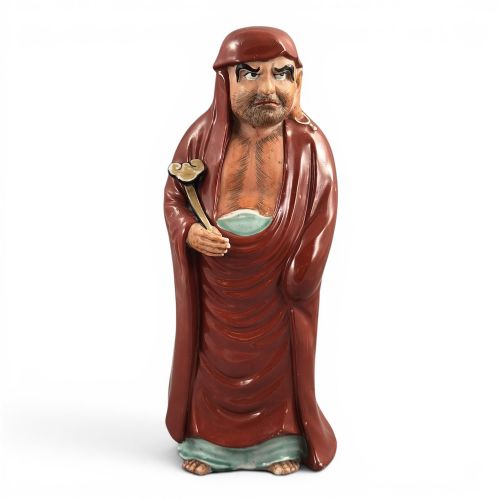
- A freestanding Japanese decorative figurine intended for display in an alcove or on a shelf. These carved or modelled figures depict deities, monks, animals, and historical personages.
- Flambe glaze
- A streaked or mottled high-temperature glaze that produces unpredictable colour transitions during firing. It frequently displays shades of blue, lavender, and red.
- Jardiniere
- A large ceramic pot or receptacle designed to hold a live plant or floral arrangement. These decorative vessels often feature substantial handles or relief decoration around the body.
Japanese Art Pottery: Frequently Asked Questions
What is Sumida Gawa pottery?
Sumida Gawa pottery is a distinctive type of Japanese ceramic featuring heavy, uneven flambe glazes and modelled clay figures climbing across the exterior. These pieces often display pinched rims and raw, unglazed clay sections that contrast with glossy coloured surfaces.
Produced primarily around the Tokyo region during the late Meiji and Taisho periods, these vessels prioritize tactile, sculptural storytelling. Artisans applied figures of sages, children, and animals directly onto the body before firing.
How do I identify Satsuma ware?
Satsuma ware is easily recognised by its distinctive cream-colored earthenware body covered in a fine network of transparent crackle glaze. Artisans decorated these surfaces using dense polychrome enamels and raised gold leaf to depict figures, landscapes, and flowers.
While production began in Satsuma province, major workshops in Kyoto and Yokohama created the elaborate vases and bowls found today. Pieces often bear artist signatures or workshop seals on the base.
What is an okimono?
An okimono is a standalone Japanese decorative sculpture designed for interior display, commonly placed in a tokonoma alcove. These figures represent deities, mythological figures, monks, and animals modelled in porcelain, earthenware, or terracotta.
Unlike functional vessels, okimono exist purely for aesthetic appreciation and showcase the detailed sculptural skill of the maker. Common subjects include figures like Daruma and traditional deities associated with good fortune.
How should I care for art pottery?
Art pottery requires gentle maintenance to protect delicate surface decorations, crackle glazes, and applied elements. Dusting with a soft, dry cloth is sufficient for routine cleaning, avoiding any harsh chemical cleaners or abrasive materials.
Keep pieces away from direct sunlight to prevent fading in enamel colours and gold leaf details. Ensure they rest on stable surfaces away from high-traffic areas where applied figures might suffer accidental impacts.