


Japanese Art Charger Plate
These japanese art charger plate pieces bring skilled metalwork and rich porcelain into your home through traditional scenes.
Japanese Art Charger Plate
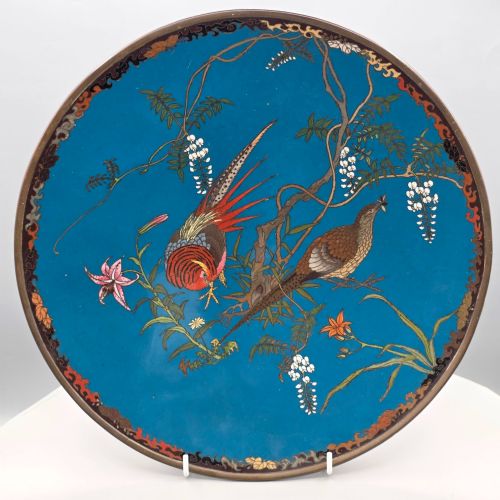
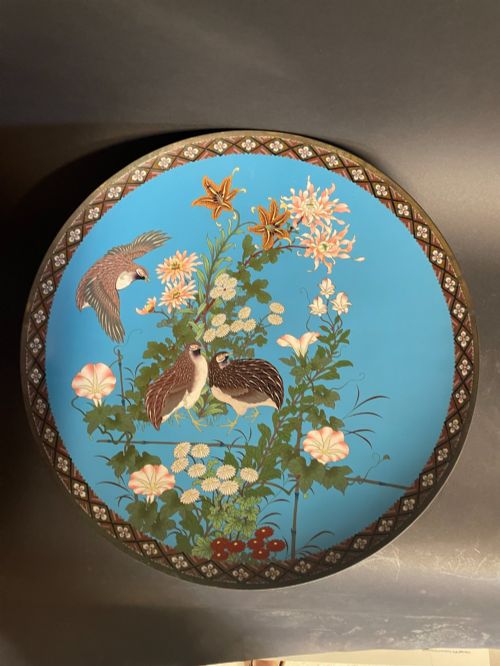
A japanese art charger plate combines large display surfaces with detailed motifs from the Meiji, Edo, and Taisho periods. You will regularly encounter large cloisonne enamel chargers and Imari porcelain plates across these listings.
The objects take the form of decorative plates, wall chargers, shallow bowls, and plaques. Makers utilised various traditional formats to depict subjects like birds, koi carp, and samurai.
Originating across the 19th century and into the early 20th century, these pieces demonstrate the diverse decorative arts of Japan. Surviving examples range from single large chargers to matched pairs and sets of plates.
Materials and Construction
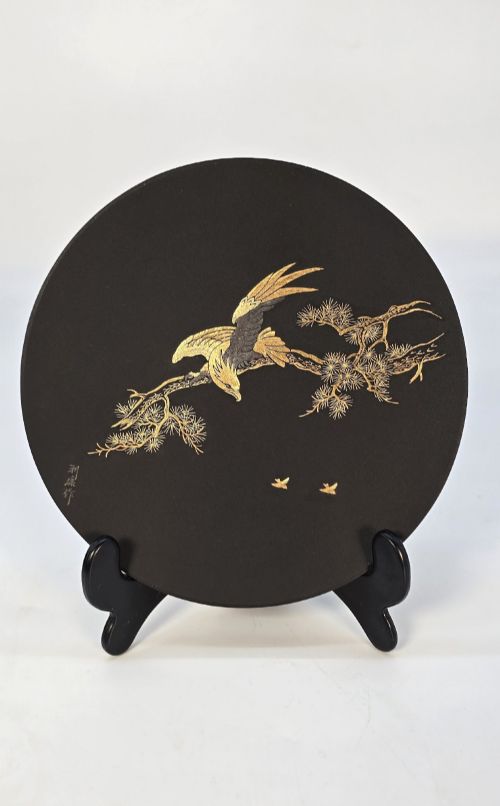
Enamel work often employs cloisonne techniques on copper bases, securing fine wire cells to hold coloured pastes before firing. Patinated iron and bronze plaques incorporate gold and silver inlay for contrasting surface detail.
Porcelain items utilise traditional ceramic methods, painted in blue and iron-red underglazes characteristic of Imari wares. Some porcelain pieces experiment with totai shippo methods, imitating tree bark textures within the design.
Wood and lacquer provide a stable foundation for decorative plaques, finished with smooth surface coatings. Gilt and gold leaf accents appear across multiple metal and lacquer substrates to highlight focal points.
Materials span copper, porcelain, brass, bronze, wood, and gold leaf, paired with styles from the Edo, Meiji, and Taisho periods.
Evaluating Quality and Execution
The precision of the metal wirework in cloisonne enamel separates standard items from exceptional examples. Finer pieces maintain uniform cell thickness and smooth, pit-free enamel surfaces across complex pictorial subjects.
Porcelain plates differ in the clarity of their painted details and the depth of the blue and red pigments. Crisp definition in figures like the Seven Lucky Gods or koi carp indicates superior artistic control.
The complexity and scale of the subject matter influence the overall accomplishment of the piece. Large chargers featuring multiple motifs, mon emblems, or precious metal inlay demand advanced technical execution.
The Japanese Art Charger Plate Glossary
- Charger
- A large decorative plate intended for display rather than dining use. These substantial vessels often measure over thirty centimetres across and hang on walls or rest on stands.
- Cloisonne
- An enamel technique where metal wires are soldered to a base to form compartments for coloured paste. Firing fuses the glass paste into durable decorative patterns.
- Imari
- A style of Japanese porcelain featuring distinct underglaze blue and iron-red designs, often accented with gold. Production centred on the town of Arita for export.
- Totai shippo
- A technique where enamel is applied directly to a porcelain body rather than metal. This method creates unique textural effects resembling organic materials.
- Mon
- A Japanese heraldic badge or crest used to identify families or clans. These symbols frequently appear within decorative art motifs on plates and chargers.
Japanese Art Charger Plate: Frequently Asked Questions
How are charger plates displayed?
These large plates typically hang on walls using specialised secure hangers or rest upright on sturdy display stands. Their substantial diameter and decorative motifs make them focal points in a room.
Smaller plates and sets can also sit flat on low tables or within cabinet displays. Ensuring stable support protects the enamel and porcelain surfaces from accidental knocks.
What periods do these pieces date from?
The listed items span the Edo period, the Meiji period, and the Taisho period. Many examples originate in the nineteenth century, reflecting active craft production during those decades.
Exact dating often relies on stylistic indicators, signatures, and manufacturing techniques recorded across the items. Pieces from the late nineteenth century show particularly intricate cloisonne work.
How should I clean my charger plate?
Dusting gently with a soft, dry cloth removes everyday particles without risking the delicate enamel or gilt surfaces. Avoid liquid cleaners, abrasive pads, and harsh chemicals that can harm older metal and ceramic finishes.
For stubborn dust in cloisonne wire recesses, a very soft dry brush used with care helps clear the crevices. Preserving the original patina and surface integrity remains the priority.
What motifs appear on Japanese chargers?
Common subjects include natural elements like birds, dragons, and leaping koi carp among swirling water. Human figures such as samurai and the Seven Lucky Gods also feature prominently in the designs.
Ausipicious symbols and mon emblems add layers of cultural meaning to the decorative compositions. Each motif reflects traditional themes popular during the Meiji and preceding eras.