

Jacobean Panelled Oak Coffer
A jacobean panelled oak coffer brings centuries of domestic history into a room while offering robust storage for modern living.
Jacobean Panelled Oak Coffer
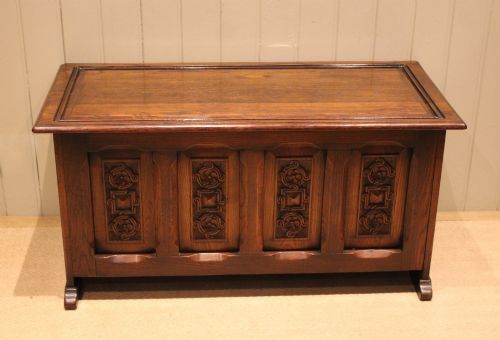
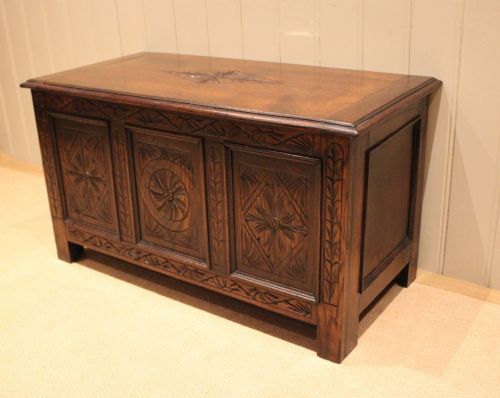
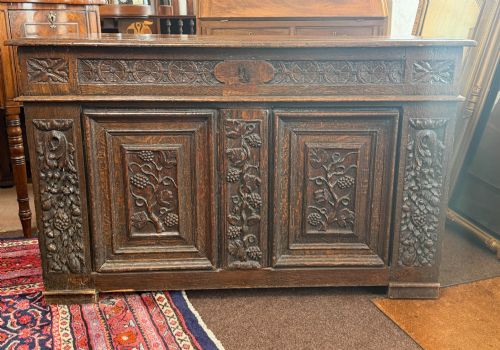
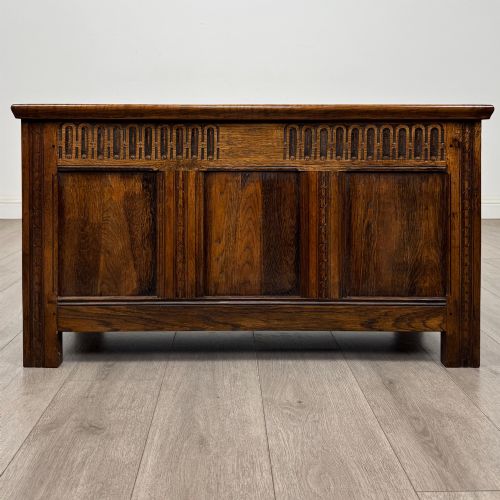
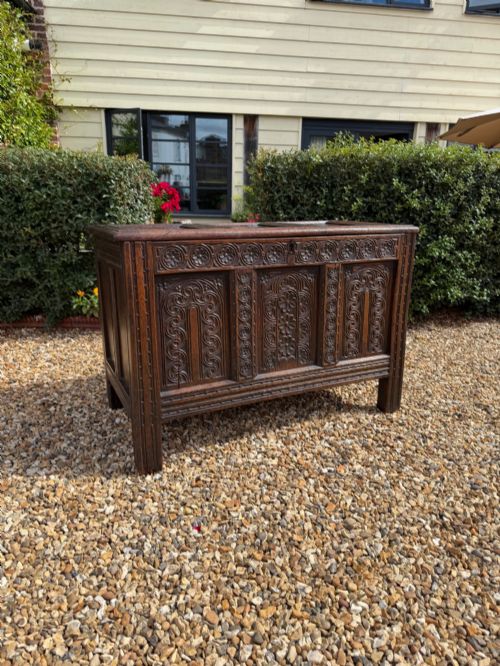
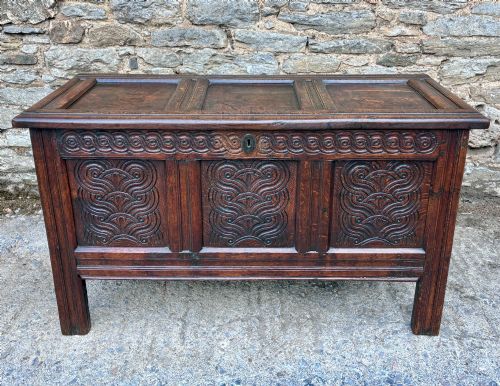
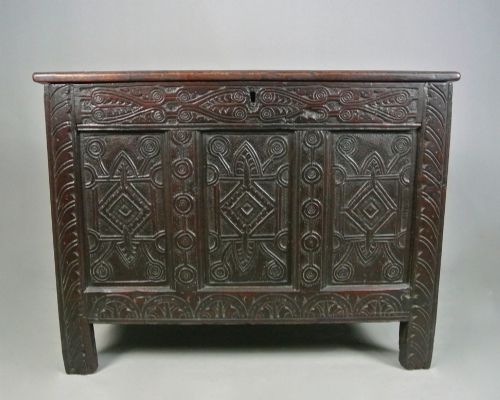
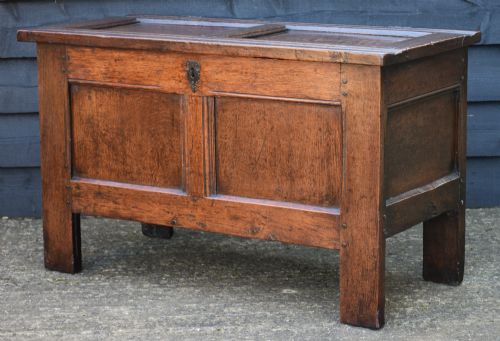
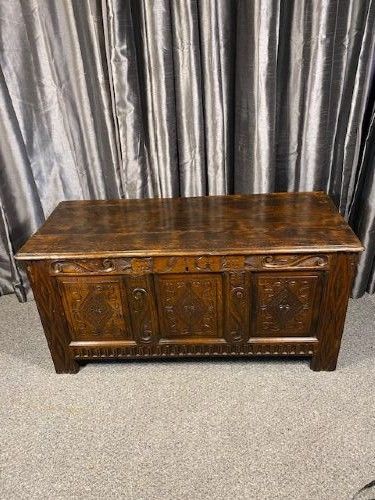
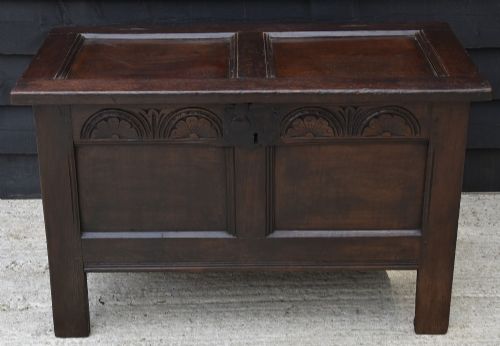
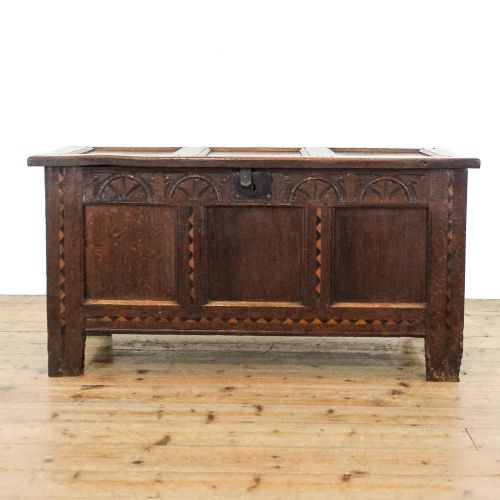
A jacobean panelled oak coffer is a sturdy wooden chest designed for domestic storage, frequently encountered as a seventeenth-century antique or a later revival piece. The form relies on heavy timber construction with framed panels forming the front and sides.
Buyers frequently encounter genuine seventeenth-century examples alongside items from the eighteenth and nineteenth centuries, as well as early twentieth-century revival pieces. These chests serve equally well as blanket boxes, hall benches or coffee tables in contemporary interiors.
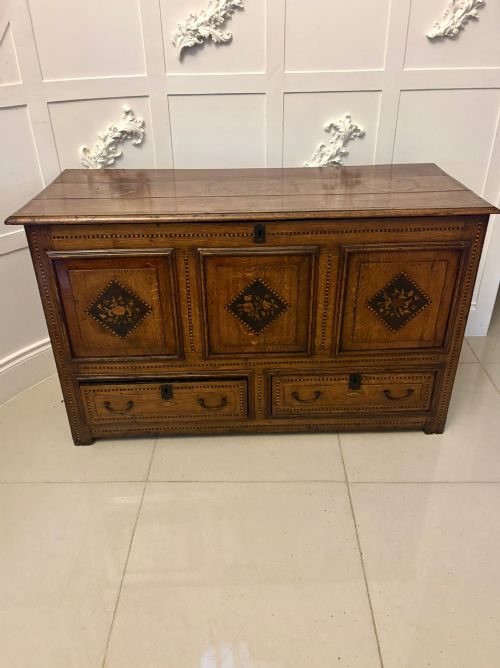
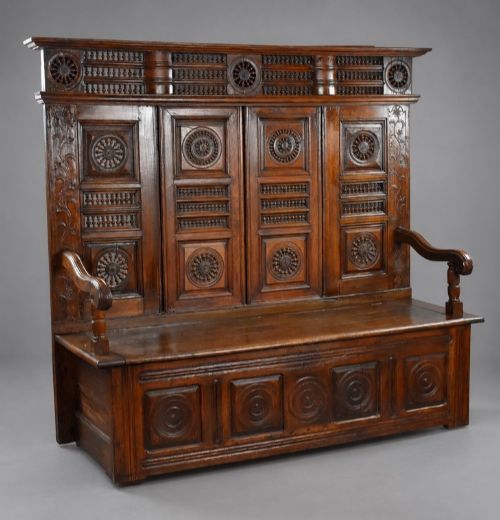
Variants include mule chests fitted with lower drawers, carved box settles with high backs, and compact smaller proportions designed for restricted spaces. The overarching style draws directly from seventeenth-century English joinery traditions.
Materials and Technique
Solid oak forms the primary structural material, often complemented by secondary timbers such as walnut and fruitwood in more elaborate pieces. Craftsmen utilised traditional frame-and-panel construction to accommodate the natural seasonal movement of the timber without splitting the panels.
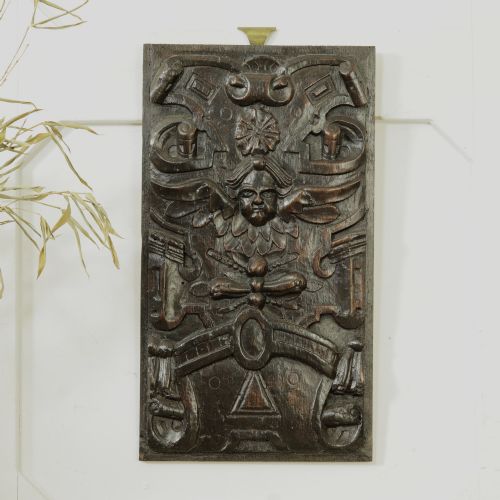
Surface decoration relies heavily on hand carving, mouldings and occasional marquetry inlay to accentuate the grain of the wood. Metal elements such as iron and brass appear primarily in operational hinges, locks and escutcheons.
Some seventeenth-century ancestors of the modern flat-pack arrived home via horse and cart in remarkably fewer pieces than expected.
Judging Quality
The standard of craftsmanship shows in the crispness of the hand carving and the tightness of the joinery joints. Pieces retaining their original hardware and unaltered timber surfaces command greater appreciation among collectors.
Subtle distinctions emerge in the depth of the patina and the balance of the proportions across the panelled front. Coffer boxes with smaller, neat proportions demonstrate particular skill in timber selection and spatial arrangement.
The Jacobean Panelled Oak Coffer Glossary
- Panelled coffer
- A wooden storage chest constructed with individual wooden panels fitted into a surrounding frame. This technique prevents the wood from warping significantly as humidity changes.
- Linenfold
- A style of carved wooden panel resembling folded linen cloth. This decorative motif appears frequently on period English furniture.
- Carolean
- Pertaining to the reign of King Charles the Second. Furniture from this era often exhibits rich carving and geometric ornamentation.
- Mule chest
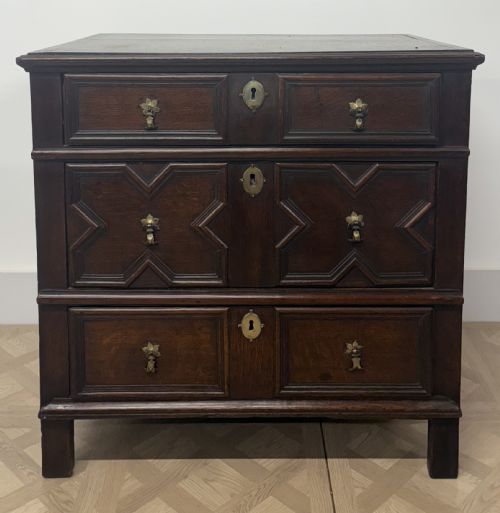
- A traditional storage chest featuring one or more drawers built into the base beneath the main compartment. It bridges the design gap between a standard coffer and a chest of drawers.
- Patina
- The surface sheen and mellow colour developed by aged wood through decades of handling and waxing. A desirable patina signals natural ageing rather than modern chemical treatment.
Jacobean Panelled Oak Coffer: Frequently Asked Questions
How were coffers originally used?
These heavy wooden chests served primarily for storing valuable textiles, documents, and personal belongings in domestic households. Their robust construction also allowed them to double as seating or tables when space was at a premium.
In merchant households and rural farmhouses, they acted as portable strongboxes that could be locked securely. Their simple, heavy utility made them central pieces of furniture before fitted wardrobes and cupboards became common.
How do I distinguish seventeenth-century pieces from later revivals?
Examining the construction joints, timber tool marks, and hardware helps differentiate period originals from twentieth-century copies. Seventeenth-century examples display hand-split or pit-sawn oak boards with irregularities consistent with early hand tools.
Revival pieces from the nineteenth and twentieth centuries often feature more uniform machine-sawn timber and standardised modern fixings. Comparing the depth of the surface patina and the wear patterns around the keyholes also offers clues to true age.
Where should I place a coffer at home?
A coffer works effectively at the foot of a bed for storing spare blankets, pillows, and winter linens. Its flat top also makes it suitable as a low coffee table in a living room.
In an entrance hallway, it provides both a convenient seat for putting on shoes and hidden storage for outdoor accessories. The natural timber tones complement both traditional country interiors and modern minimalist spaces.
What is the difference between a coffer and a chest of drawers?
A traditional coffer opens from a single hinged lid at the top, revealing a deep open well for storage. A chest of drawers accesses contents through horizontal pull-out drawers stacked vertically.
Mule chests combine both designs by placing drawers beneath the main lidded compartment. This evolution allowed easier access to stored items without needing to clear the top surface.