
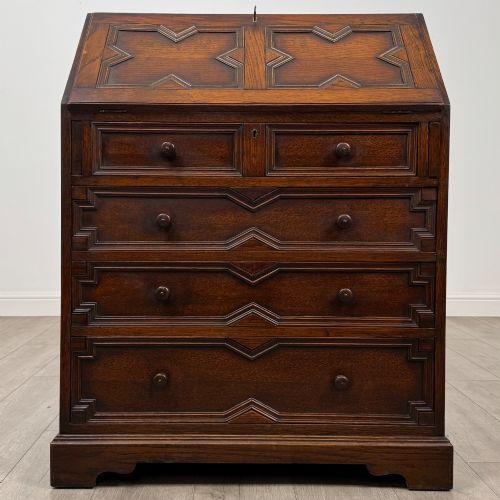
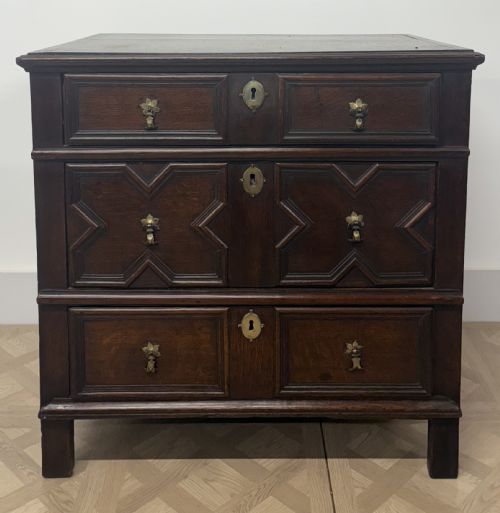
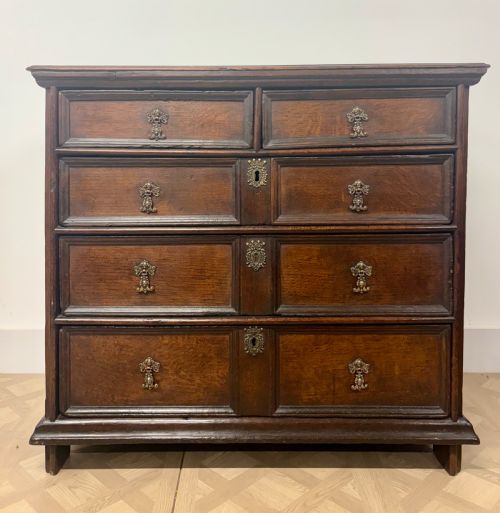
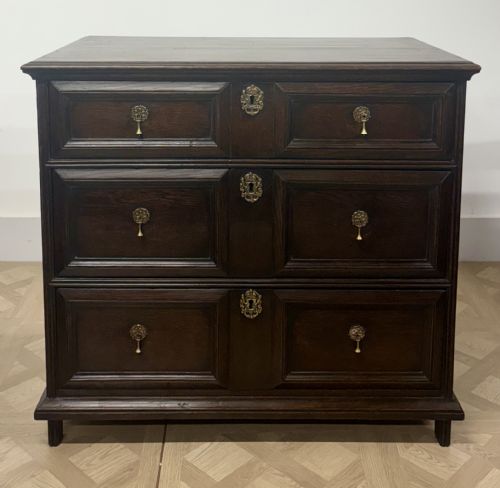

Geometric Carved Oak Chest
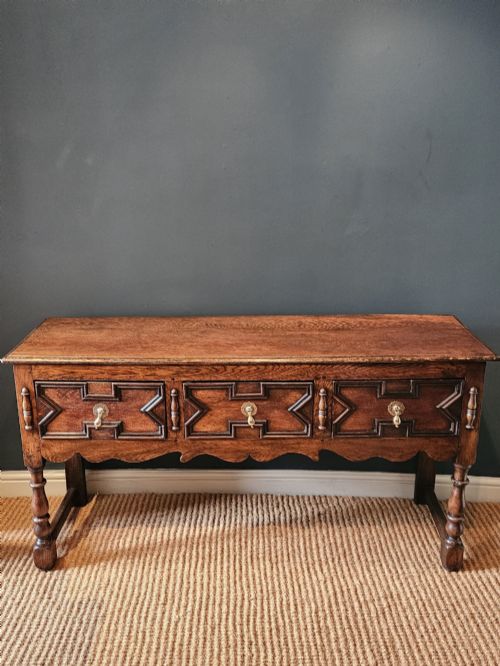
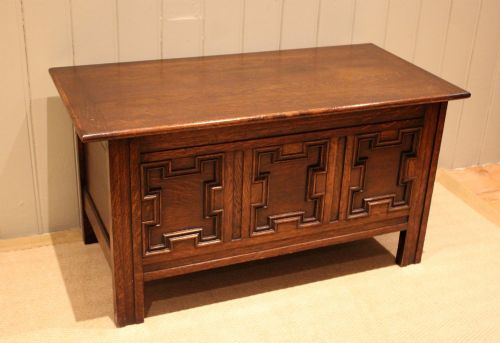
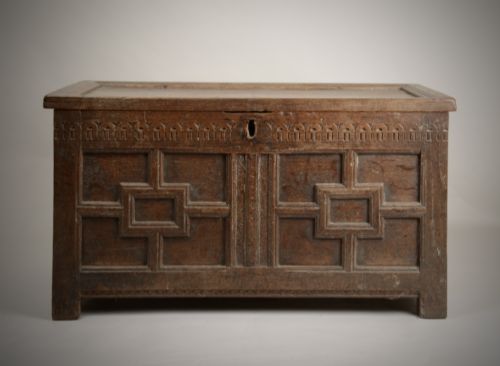
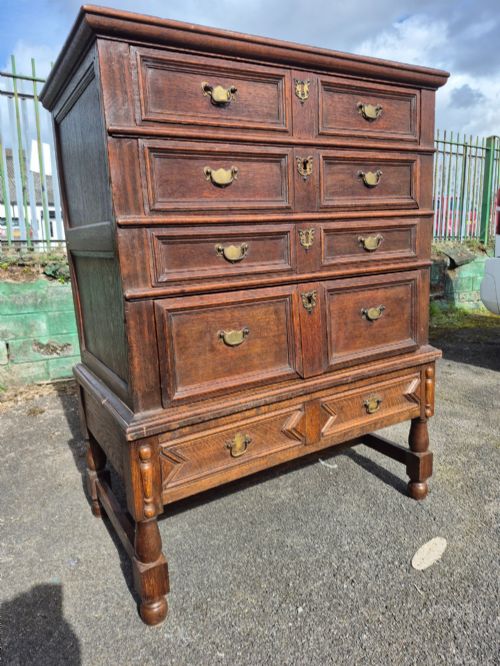
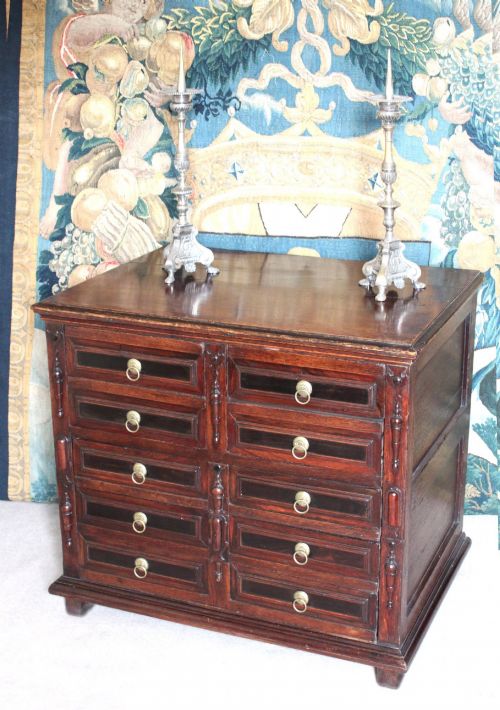
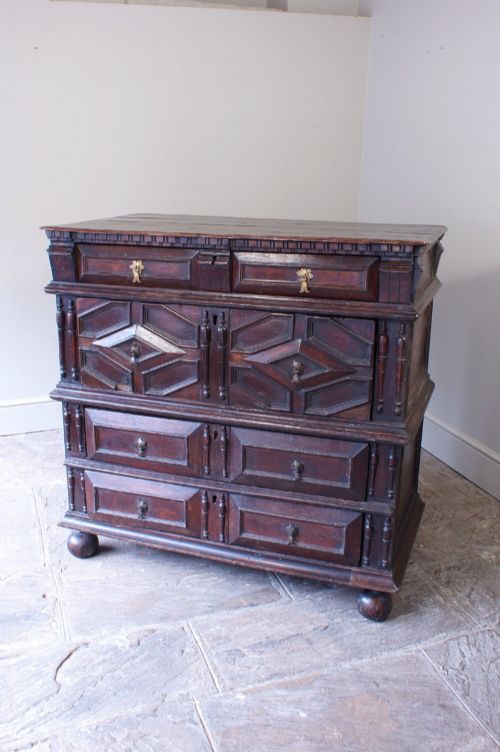
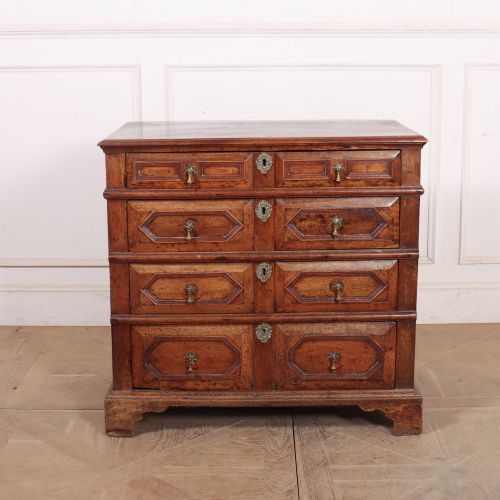
A geometric carved oak chest brings tactile depth to a room through panelled mouldings and hard timber.
Geometric Carved Oak Chest
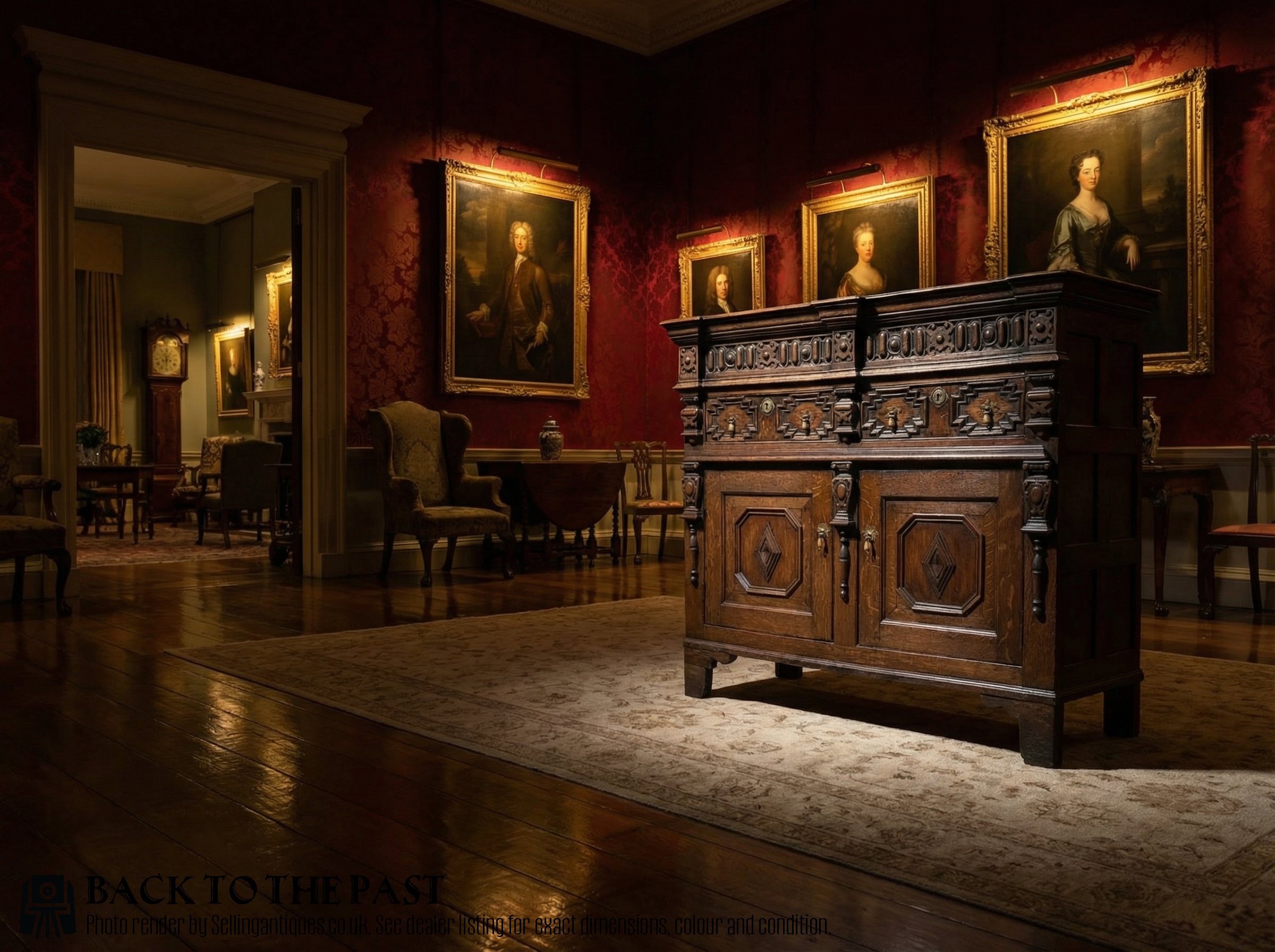
A geometric carved oak chest stands as a robust piece of storage furniture shaped by period joinery methods. When you search for a geometric carved oak chest, you encounter sturdy timber forms designed to hold domestic goods.
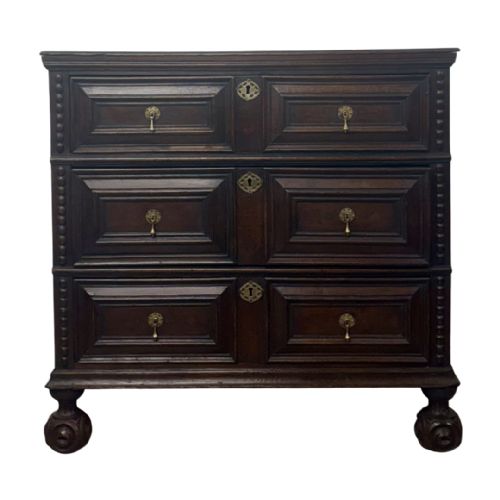
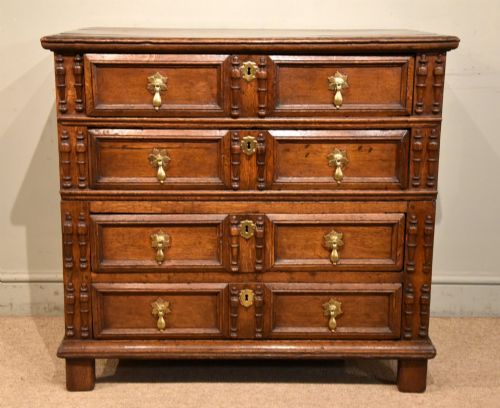
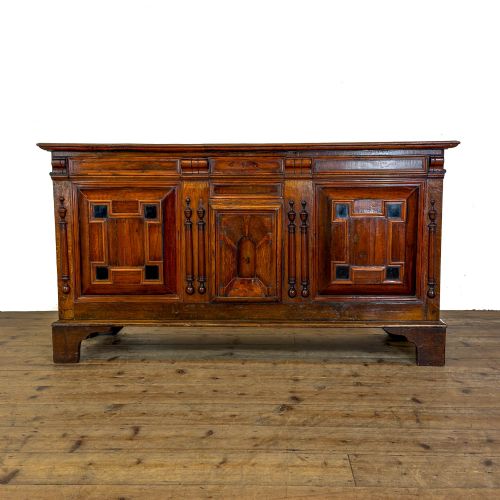
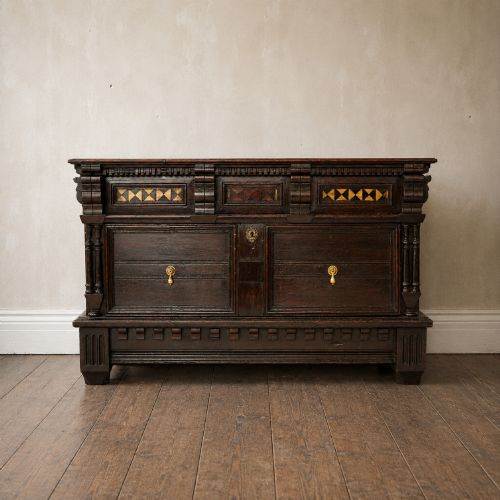
The pieces appearing on this page span several centuries, with seventeenth-century Charles II examples alongside later revivals from the Edwardian era and the nineteen-twenties. Chests of drawers and coffers dominate the forms, often displaying panelled fronts and applied mouldings.
Most examples originate from English workshops, utilising native hardwoods shaped by traditional hand tools. The visual character relies on rectangular proportions, low-relief carving, and panel construction rather than applied ornamentation.
How they were made
Cabinet makers constructed these pieces primarily using solid oak boards, frequently combining walnut, fruitwood, and ebonised wood for contrast within geometric mouldings. Joinery relied on mortise and tenon joints secured with wooden pegs, while iron and brass hardware provided functional hinges and drop handles.
Surfaces received carved decoration directly into the timber, employing geometric strapwork, applied mitred mouldings, and occasional wood inlay to create texture. The timber was left unpainted, allowing natural grain and wax finishes to develop depth over decades of handling.
The listings on this page combine seventeenth-century originals with later revival pieces from the Edwardian period and the nineteen-twenties.
What varies in quality
Quality rests in the integrity of the timber selection and the precision of the mitred mouldings applied to the drawer fronts. Pieces retain higher standing when their original brasses, backboards, and structural supports remain unaltered by later restorations.
The crispness of the hand-carved geometric patterns distinguishes finer examples from simpler utilitarian boxes. Depth of colour and the preservation of the original surface patina separate restrained master joinery from heavily reworked items.
The Geometric Carved Oak Chest Glossary
- Geometric moulding
- Applied strips of wood arranged in repeating geometric patterns on drawer fronts. This technique defined much of the decorative work during the later seventeenth century.
- Coffer
- A large rectangular chest with a hinged lid used originally for storing textiles and valuables. These pieces often pre-date standard drawer configurations.
- Mule chest
- A storage chest featuring one or more drawers built into the base beneath the main compartment. They combine the traditional coffer box with modern drawer storage.
- Ebonised wood
- Timber treated to imitate ebony through dark staining or chemical finishes. Cabinet makers used this method to create sharp tonal contrasts against lighter oak.
- Charles II
- A historical design period spanning the mid to late seventeenth century. Furniture from this era often displays bold geometric mouldings and turned supports.
Geometric Carved Oak Chest: Frequently Asked Questions
How do I date a geometric carved oak chest?
Dating relies on examining construction methods, timber choice, and the style of the applied mouldings. Seventeenth-century pieces typically show hand-split boards, pegged joinery, and distinct tool marks on the interior.
Later revivals from the Edwardian period or the nineteen-twenties imitate these earlier styles but often reveal machine-cut timber, modern screws, or standardised fixings upon close inspection.
What were these chests used for originally?
Households utilised these heavy wooden chests for storing textiles, linen, woollens, and precious documents away from damp floors and pests. The robust construction kept valuables secure in domestic and civic settings.
As domestic interiors evolved, drawer variants replaced simple lidded coffers to allow easier access to clothing without removing stacked items from the top.
How should I care for antique oak furniture?
Maintain a stable indoor environment away from direct sunlight and sudden radiator heat to prevent the solid oak panels from splitting. Apply traditional beeswax periodically to nourish the dry timber and protect the surface patina.
Avoid modern liquid polishes containing silicone, which can penetrate porous grain and degrade the historic finish over extended periods of time.
Are original brass handles common?
Original brass drop handles and escutcheons remain scarce because hardware frequently broke or was updated to suit changing tastes in later centuries. Finding period-correct brasses adds significant historical integrity to a piece.
Replacement fixings often leave filled mounting holes behind the backplate, which helps identify whether the current hardware dates to the original period of manufacture.