

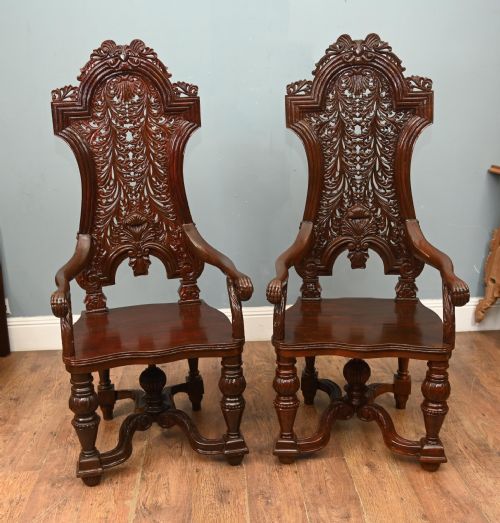
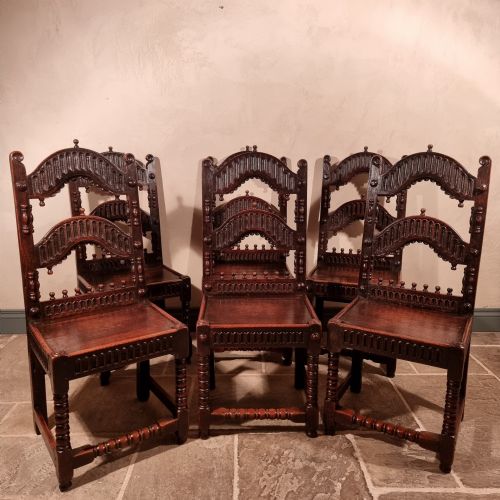

Jacobean Oak Hall Chair
A jacobean oak hall chair offers sturdy timber construction and carved detail, providing a functional seat with historic character for an entryway.
Jacobean Oak Hall Chair
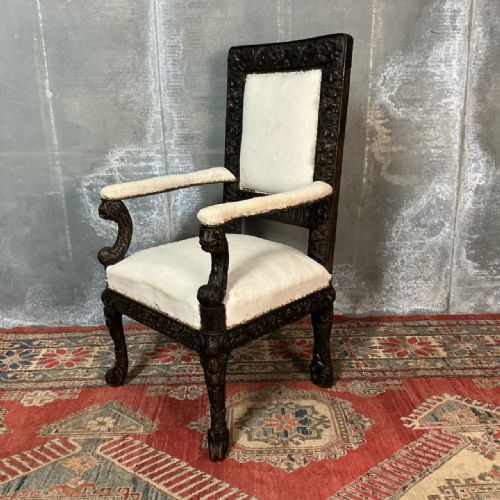
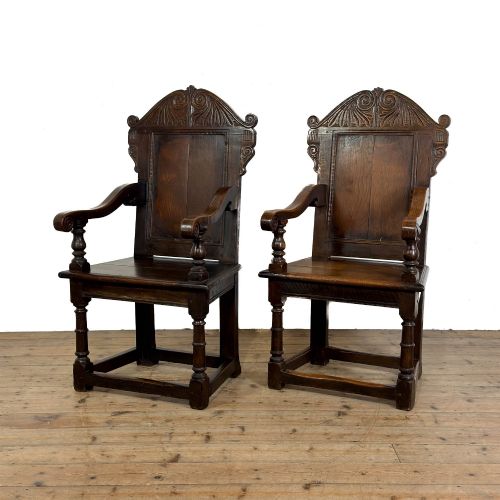
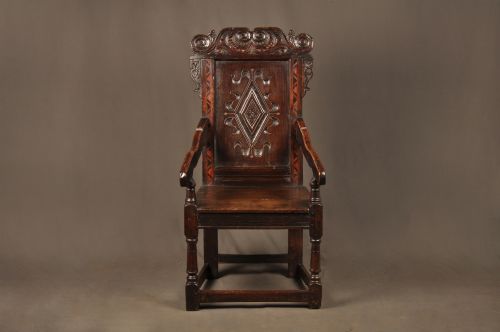
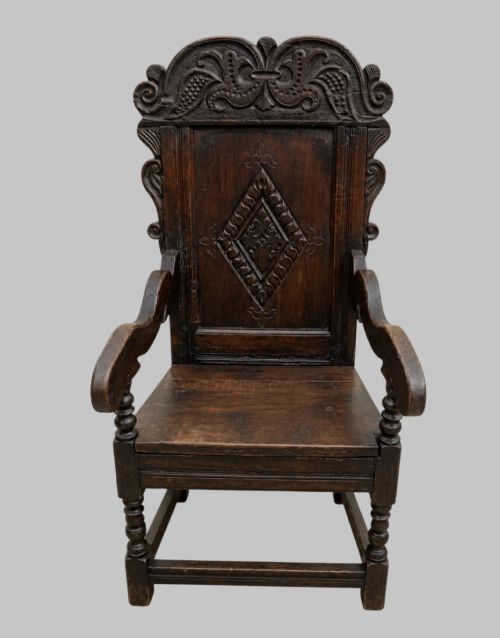
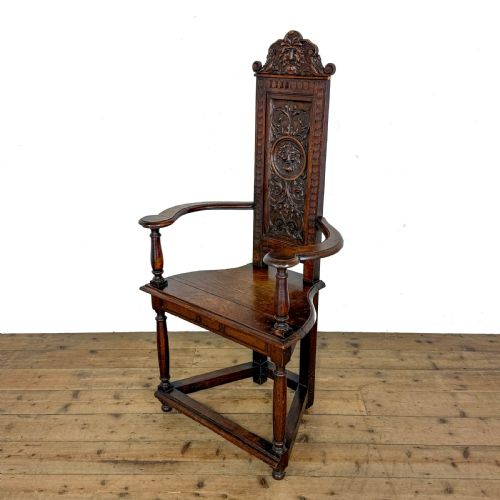
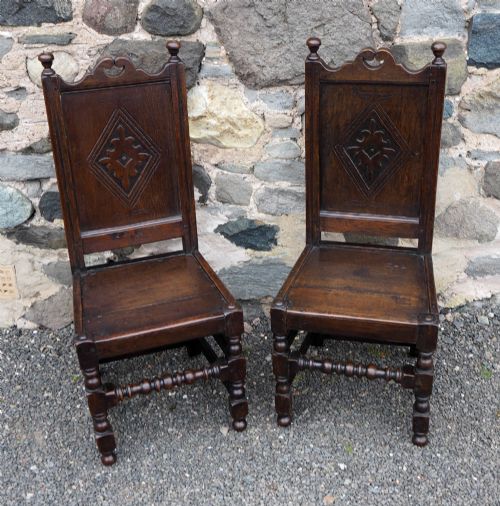
A jacobean oak hall chair encompasses robust timber seating forms designed for hallways, entrances, and reception spaces. Buyers encounter authentic seventeenth-century survivals alongside nineteenth-century revival interpretations and later twentieth-century pieces.
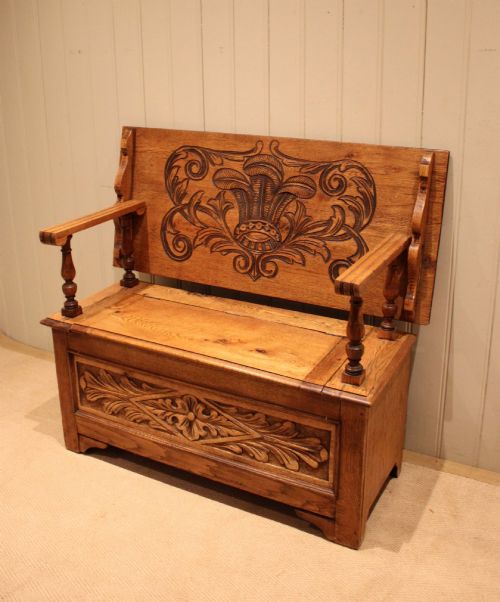
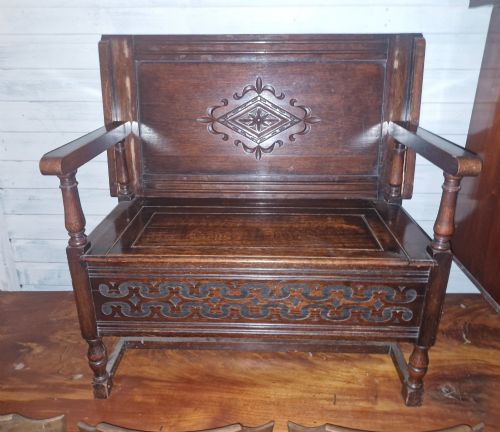
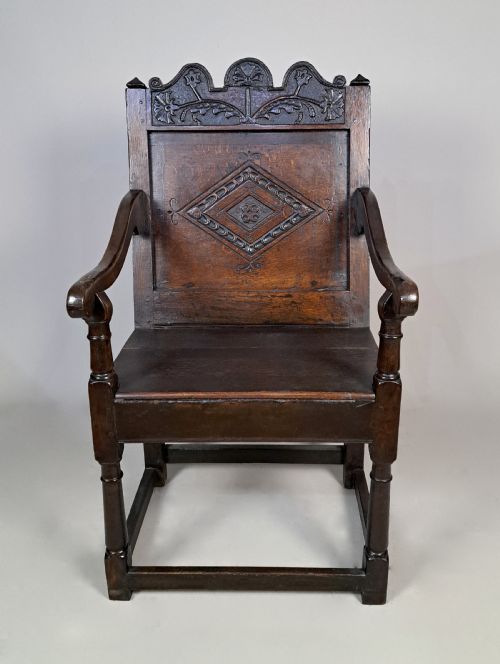
The category spans diverse formats including side chairs, armchairs, wainscot chairs, backstools, and monks benches. Many examples display regional English characteristics such as those from Yorkshire and Derbyshire.
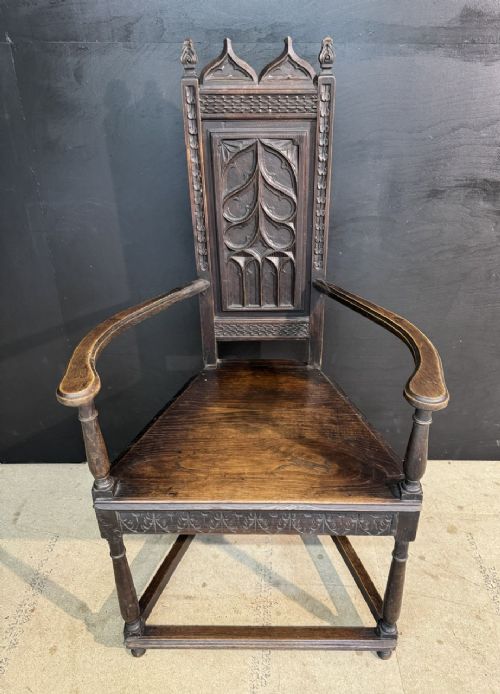
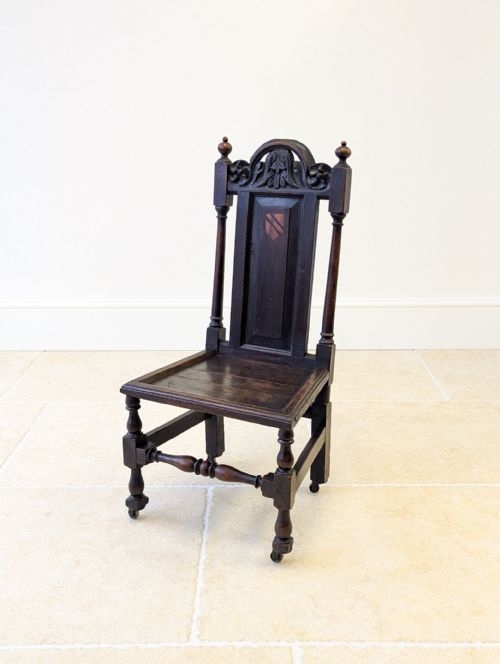
Makers produced these seats using durable hardwoods, often incorporating carved panels, turned legs, and high backs. Revival pieces from the Victorian era and the nineteen-twenties emulate these earlier seventeenth-century aesthetics.
How They Were Made
Joinery techniques define these chairs, utilising mortise and tenon joints secured with wooden pegs rather than modern metal fixings. Solid oak serves as the primary structural material, worked by hand with adzes, saws, and chisels.
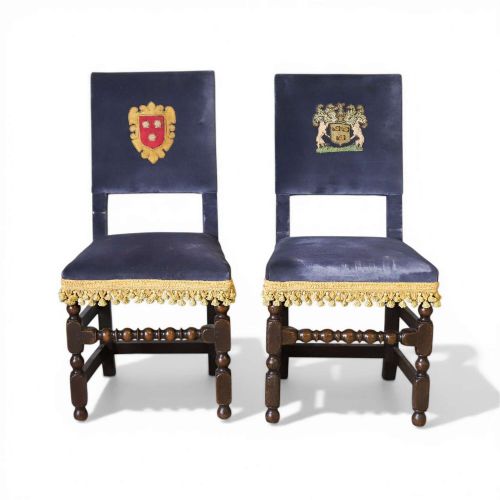
Carving forms a central part of the construction, yielding geometric patterns, foliage, and heraldic crests directly into the timber frame. Certain later examples incorporate cane panels, fabric upholstery, brass studs, or velvet textiles.
Listings feature solid oak combined with textiles, velvet, cane seats, and brass fringe across periods ranging from the seventeenth century to nineteen-thirty.
What Varies in Quality
The integrity of the original timber frame separates standard production from superior pieces, with tighter joinery and minimal replacement parts indicating better preservation. Crispness and depth in the hand-carved decoration reveal the skill of the original maker.
Proportion and scale influence desirability, as smaller wainscot chairs and matched pairs command greater attention from collectors. The presence of period surface patination and honest wear accrued over centuries distinguishes authentic early pieces from later revivals.
The Jacobean Oak Hall Chair Glossary
- Wainscot chair
- A heavy wooden armchair featuring a panelled back and solid wooden seat, common in the seventeenth century. These sturdy seats often stood near the head of a table or in the hall.
- Backstool
- An early form of side chair possessing a vertical wooden back without arms. This term appears frequently in descriptions of seventeenth-century joined seating.
- Monks bench
- A convertible furniture form with a lift-up seat and a fold-over top that transforms the chair into a small table. Such dual-purpose items maximised space in historic interiors.
- Barley twist
- A type of woodturning shaped to resemble a spiralling rope or barley sugar stick. This decorative leg profile became popular during the seventeenth century and returned in revival periods.
Jacobean Oak Hall Chair: Frequently Asked Questions
How do I spot a true seventeenth century chair?
Examine the construction methods and timber characteristics closely. Genuine early pieces display hand-cut joinery, pegged joints, and dry, oxidised oak surfaces accumulated through centuries of exposure.
Revival pieces made during the Victorian era or the nineteen-twenties often use machine-cut elements or possess a different timber density. Comparing the style of carving and panel construction against known period examples helps clarify the date.
Where should I place a hall chair?
These chairs suit narrow entrance spaces, hallways, and landings where their upright backs and shallow depths save floor space. They function well as occasional seating rather than lounging chairs.
Pronounced carvings and high backs also make them effective focal points against plain walls or paired beneath a mirror.
Can I use a historic chair daily?
Solid oak construction makes these seats remarkably durable for everyday use. Regular sitting is generally fine provided the joints remain tight and the timber is stable.
Avoid placing antique wooden furniture near direct heat sources or rapid temperature shifts that might dry out the wood. Treating the surface with appropriate wax helps maintain the protective finish.
What is a Derbyshire chair?
A Derbyshire chair is a specific regional type of seventeenth-century oak side chair characterised by an open arcaded back and turned uprights. These pieces often feature carved crest rails and solid wooden seats.
Makers in the Midlands produced distinctive variations of these chairs, which later inspired nineteenth-century revival sets.