
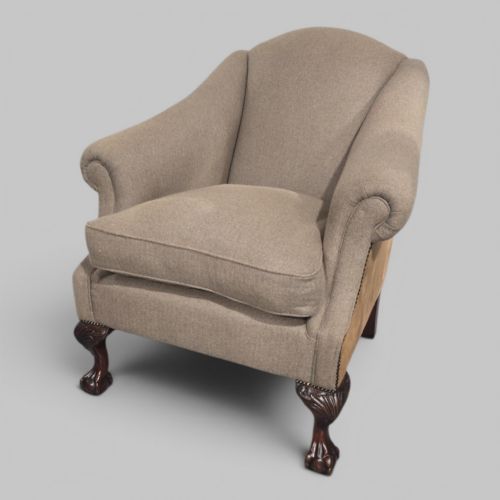


Dark Wood Occasional Chair
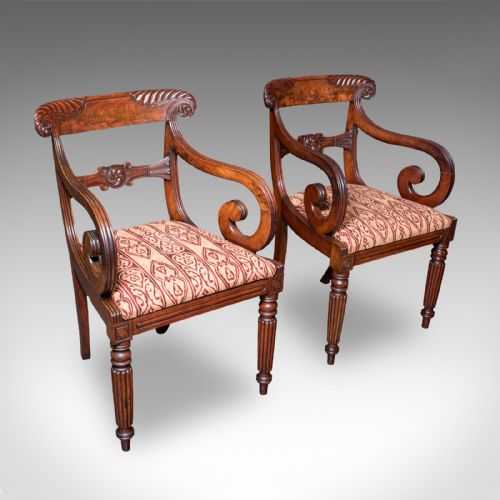
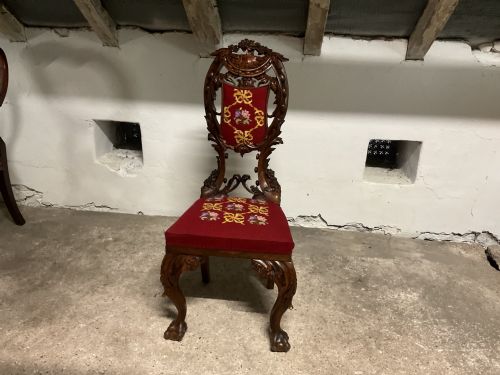
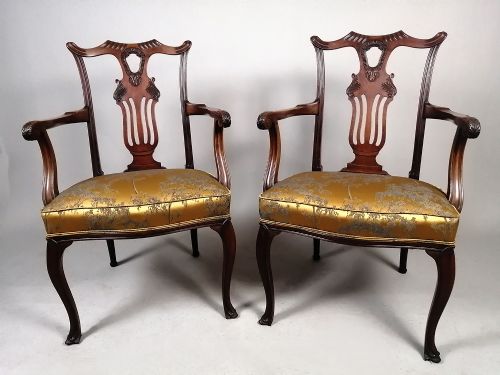
A dark wood occasional chair brings useful seating and rich grain into a room, spanning styles from Regency to Edwardian.

Dark Wood Occasional Chair
A dark wood occasional chair provides compact, movable seating designed to fill corners, bedrooms, and reception rooms without dominating the floor plan. When searching for a dark wood occasional chair, buyers encounter pieces fashioned in mahogany, rosewood, walnut, and oak from the nineteenth and early twentieth centuries.
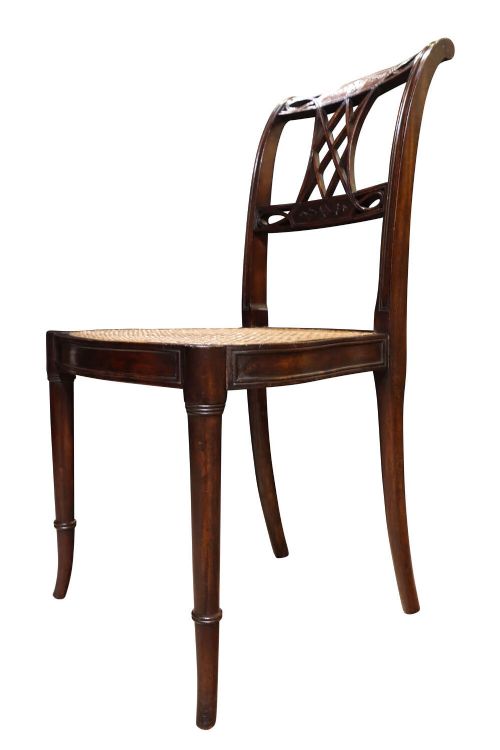
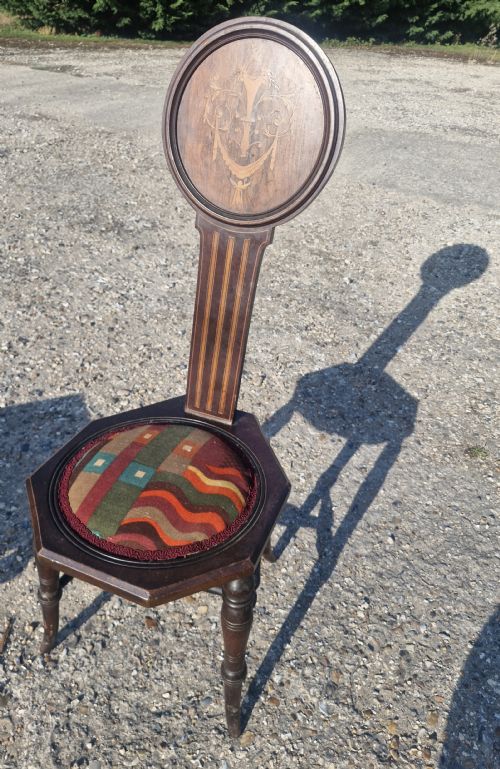
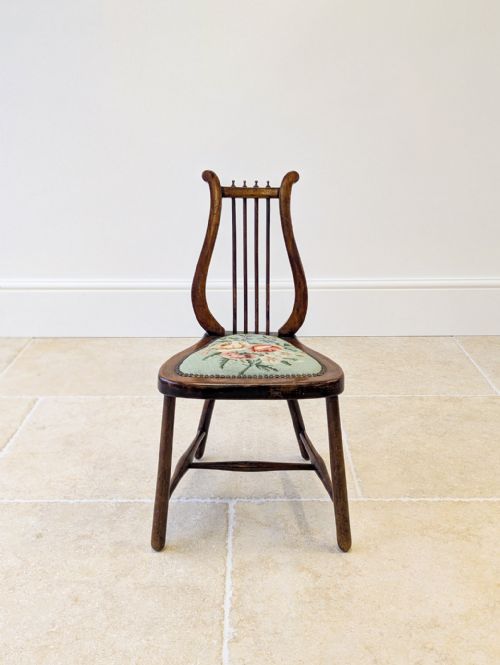
The selection ranges from sturdy Victorian balloon-back chairs and carved hall seats to delicate Edwardian inlaid models featuring cane seats and floral motifs. These smaller seats served specific domestic duties in period homes, functioning as bedroom chairs, nursing chairs, or reception seats.
Many examples display distinct stylistic revivals, including Chippendale and Victorian Rococo influences, alongside simpler vernacular forms like bobbin chairs and stickbacks. Their versatility ensures they continue to serve as functional accent pieces in contemporary interiors.
How They Were Made
Cabinet makers relied heavily on dense timbers such as mahogany, rosewood, and walnut, often utilising solid frames alongside veneered surfaces to achieve deep colour and prominent grain patterns. Beech also appears frequently, sometimes finished to simulate more expensive woods like rosewood.
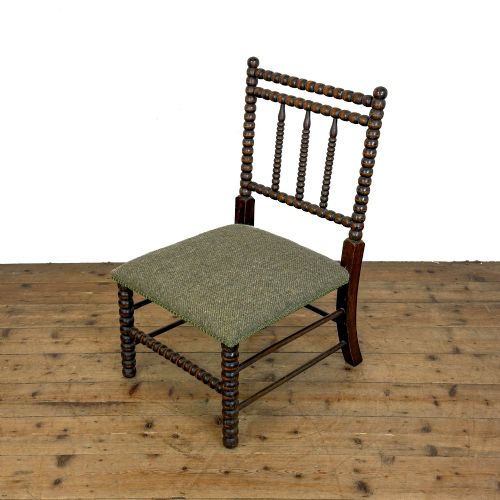
Joinery techniques combined traditional mortise and tenon construction with hand-carved decorative elements, turned components such as bobbin legs, and delicate marquetry or floral inlay. Upholstery methods varied from simple drop-in pad seats to complex sprung cushions covered in velvet, fabric, or finished with original needlework.
Additional detailing often included brass inlay, cane work panels woven into chair backs and seats, and turned spindle supports that demonstrated the joiner's skill without compromising the structural integrity of a lightweight frame.
Listings span from the seventeenth century through the Edwardian era, with Victorian and Edwardian examples forming the majority of available seating.
What Varies in Quality
The standard of a dark wood occasional chair rests on the crispness of its carved detailing and the depth of the timber's grain. Superior pieces display sharply defined hand-carving and careful matching of mahogany or rosewood veneers across prominent surfaces.
Structural stability dictates lasting worth, distinguishing chairs with tight, original joinery from those weakened by loose joints or excessive past repairs. The quality of secondary materials, such as finely woven cane panels or substantial brass inlay, further separates ordinary examples from finer workshop production.
Wheelers of Arncroach
The Dark Wood Occasional Chair Glossary
- Balloon-back
- A chair back shaped in a continuous curving outline resembling a rounded balloon, popular during the Victorian period. This profile offers ergonomic support while displaying polished timber grain.
- Bobbin chair
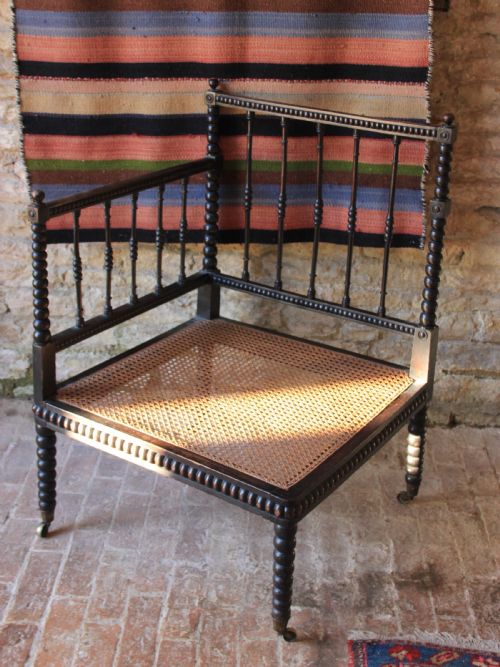
- Seating constructed from turned wooden segments resembling spools or bobbins threaded together. This vernacular style gained popularity during the Victorian era as part of the aesthetic movement.
- Cane seat
- A seating surface woven from peeled rattan strips in an open mesh pattern. This technique provides a lightweight and breathable platform often found on Edwardian bedroom and salon chairs.
- Sgabello
- A Renaissance-style Italian chair featuring a solid wooden seat supported by two carved board legs rather than traditional posts. Examples found in later inventories typically date to the nineteenth century as revival pieces.
- Elbow chair
- An armchair with low arms designed to fit beneath a desk or table. These seats provide compact support for reading or writing in libraries and morning rooms.
Dark Wood Occasional Chair: Frequently Asked Questions
Where were occasional chairs used?
These versatile seats populated bedrooms, hallways, and drawing rooms where extra seating was needed without cluttering the space.
Their lightweight construction allowed servants or residents to move them easily between rooms as social demands required.
How do I identify a Victorian chair?
Victorian examples frequently display darker mahogany or rosewood frames with deep, substantial carving and curved balloon-back profiles.
Construction methods from this era often include heavier turnings and robust joinery designed for daily domestic use.
Are cane seats durable?
Cane work remains surprisingly resilient if kept away from excessive dryness and sharp point loads that might snap the rattan.
Many Edwardian and Victorian chairs retain their original woven panels, though careful restoration can replace damaged sections.