
Jacobean Carved Oak
Jacobean carved oak brings heavy timber and dense relief work into a room, spanning authentic seventeenth-century pieces and later revival furniture.
Jacobean Carved Oak
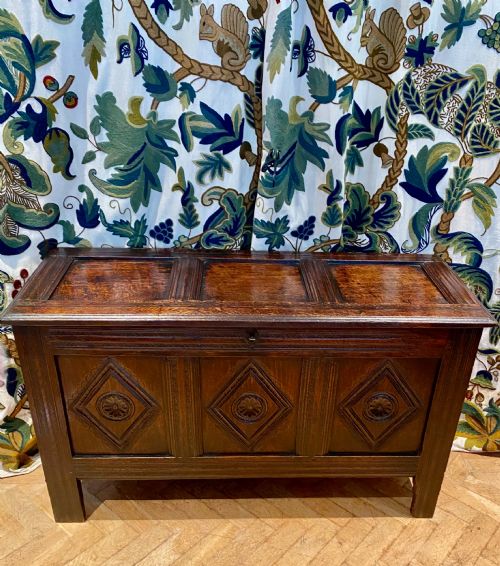
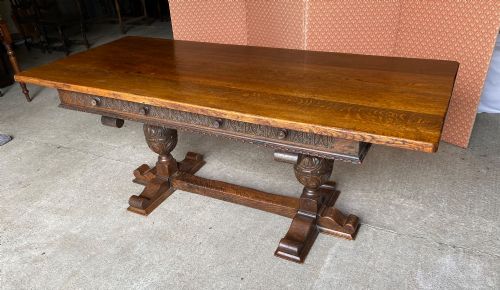
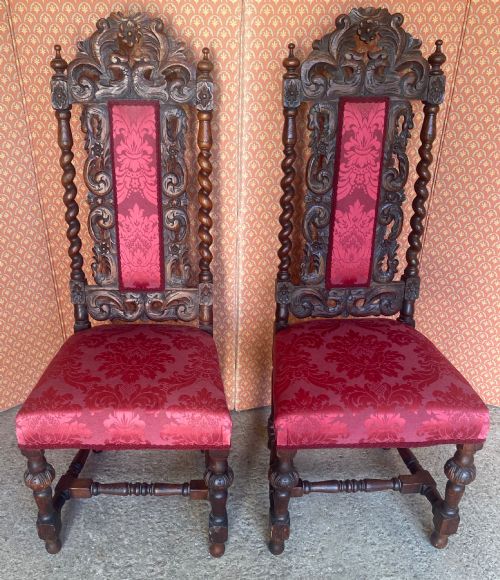
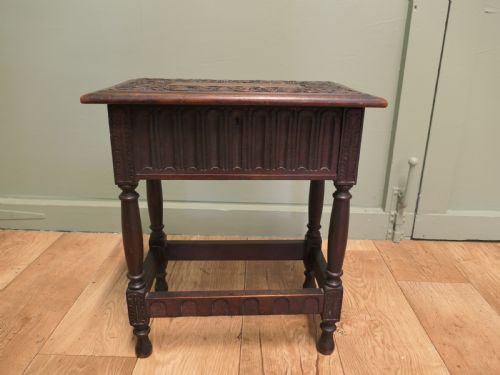
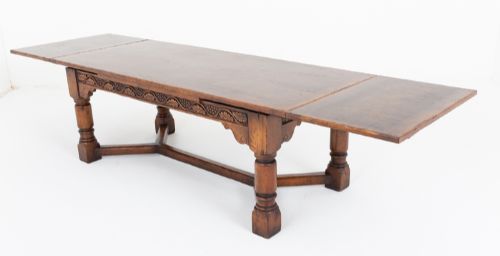
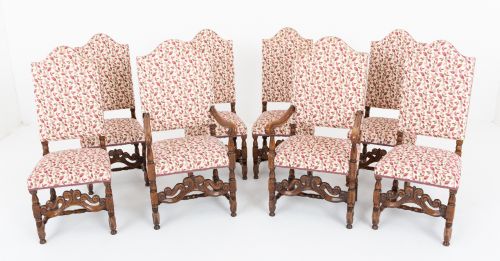
Jacobean carved oak spans authentic seventeenth-century survivors alongside later revival pieces produced during the Victorian, Edwardian, and interwar periods. Buyers searching this phrase encounter substantial storage and dining forms, from panelled coffers and mule chests to refectory tables and high-back chairs.
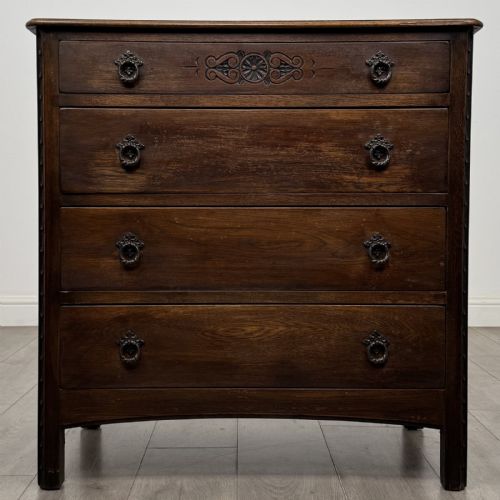
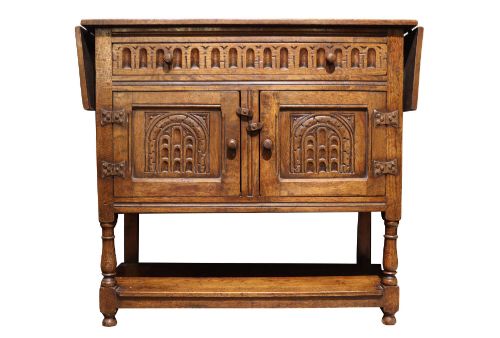
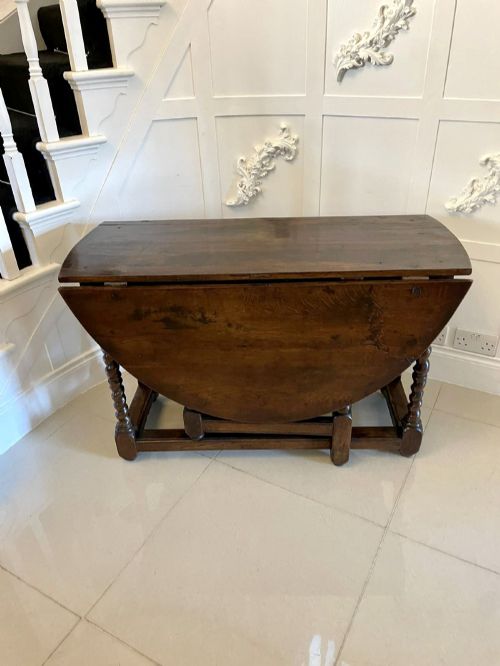
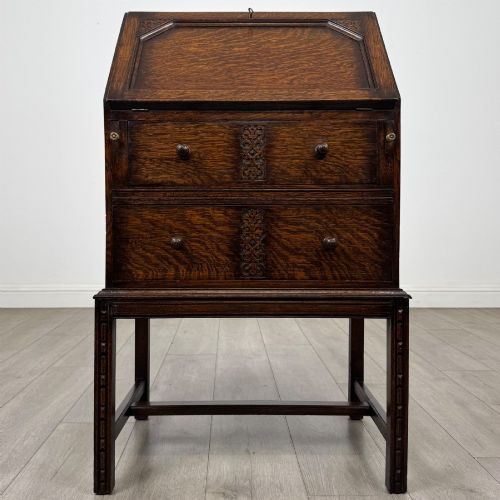
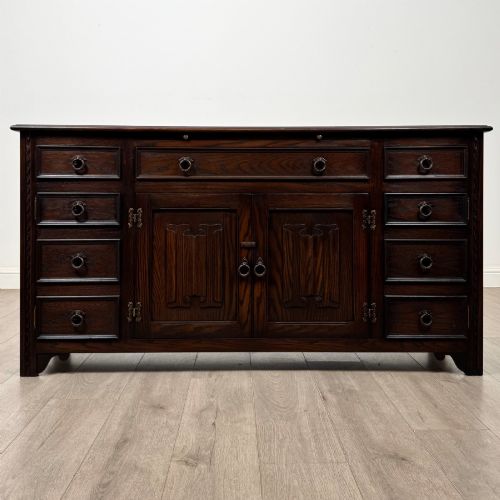
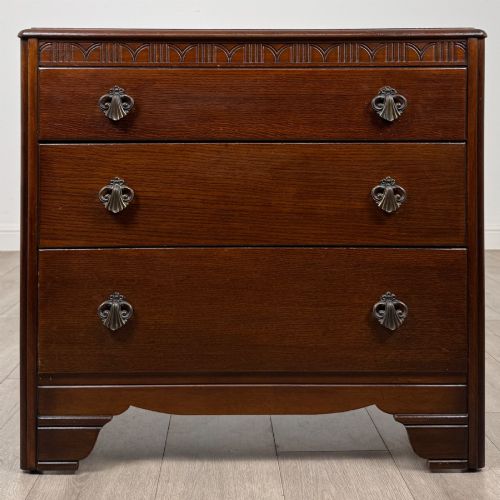
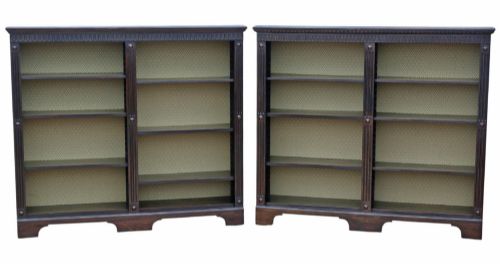
The Edwardian revival items appear most frequently on this page, offering domestic utility through sideboards, display cabinets, and bureaux dressed in historical motifs. Alongside these sit authentic seventeenth-century coffers and carvings carrying the distinct tool marks of early makers.
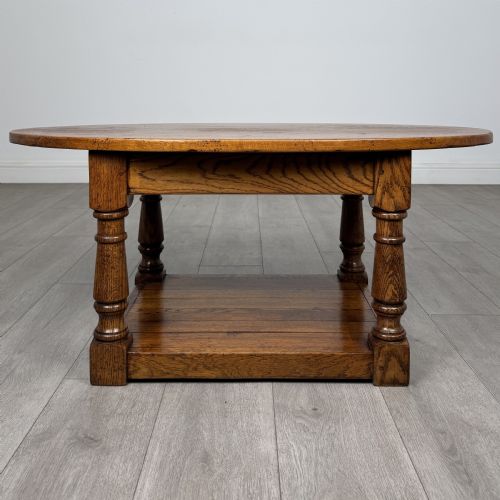
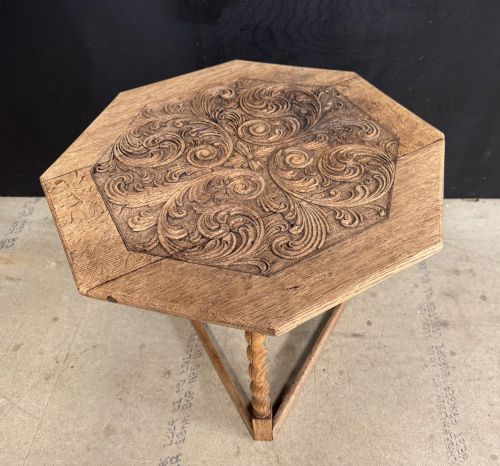
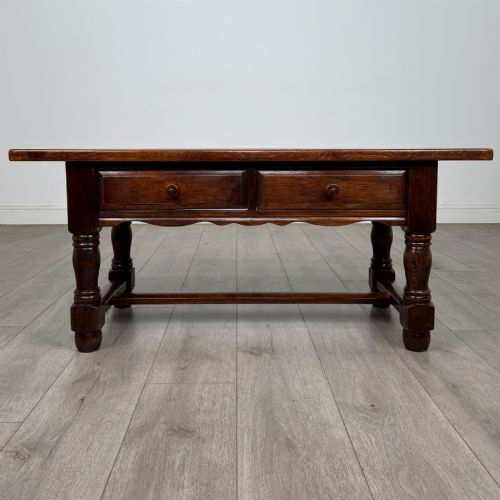
Forms range widely in scale, including small cricket tables, monks benches, and writing desks, as well as extensive dining sets and bedroom suites. Solid oak forms the primary structural base for nearly every piece listed, frequently augmented by secondary timbers.
How they were made
Construction relies heavily on solid oak, shaped through traditional framing, mortise-and-tenon joints, and pegged assemblies. Iron, brass, and lead hardware appear as functional fastenings and decorative hinges across chests and cupboards.
Surface ornamentation relies on deep chisel work, guilloche patterns, linenfold panels, and marquetry inlay. Later revival pieces employ similar mechanical carving methods and applied mouldings to echo the seventeenth-century aesthetic.
One exceptional panel preserves the likeness of Joan of Armour, reminding buyers that carved oak could tell historical tales.
What varies in quality
Quality rests on the crispness of the chisel work and the depth of the relief carving, where purposeful hand-executed details outshine shallow machine routing. Timber selection similarly dictates worth, separating straight-grained solid oak boards from heavily patched or lesser-figured substitutes.
Structural integrity sets apart enduring examples, marked by tight joints and original timber patination rather than over-restored or stripped surfaces. Balance of proportions and restraint in ornamentation separate refined country house furniture from crowded, heavy-handed revivals.
The Jacobean Carved Oak Glossary
- Coffer
- A large wooden chest used historically for storage, typically constructed with heavy panelled walls and a hinged lid. Early examples feature pegged frames and hand-carved friezes.
- Refectory table
- A long dining table traditionally utilised in communal halls, featuring substantial legs connected by floor-level stretchers. These pieces frequently incorporate draw-leaf extensions for adjustable length.
- Linenfold
- A style of relief carving designed to resemble folded vertical strips of fabric. This motif appears frequently on the panels of Edwardian bureaux and cabinets.
- Mule chest
- A storage chest equipped with one or more drawers beneath the main internal compartment. They combine the deep storage of a traditional coffer with drawer accessibility.
- Barley twist
- A turning technique that shapes wood into a spiralling, rope-like column. This decorative form appears often on the legs of sideboards and side tables.
- Marquetry
- The art of applying decorative veneer pieces onto a structural surface to form geometric or pictorial patterns. It adds contrasting colour and visual texture to chest fronts.
Jacobean Carved Oak: Frequently Asked Questions
How do I spot a true seventeenth-century piece?
Authentic seventeenth-century pieces show hand-cut tool marks, irregular peg placements, and shrinkage cracks appropriate for age. The timber develops a deep, dark wax patina that modern chemical finishes cannot replicate.
Construction methods rely entirely on pegged mortise-and-tenon joints without modern metal screws. Examining the underside and interior boards reveals hand-riven timber surfaces rather than uniform machine-sawn planks.
Where should I place a heavy oak coffer?
Coffers suit hallways, living rooms, or large bedrooms where their solid presence anchors the space. They function effectively as blanket boxes, window seats, or coffee tables depending on their height.
Keep these heavy timber items away from direct heat sources and strong sunlight to prevent the oak from splitting. Allowing adequate airflow around the piece preserves the stability of the dry wood.
What is the difference between Jacobean and revival pieces?
Original Jacobean furniture dates from the reigns of James I and Charles I, carrying authentic period construction and wear. Revival pieces were manufactured centuries later, primarily during the Victorian and Edwardian eras, copying earlier styles for modern homes. Nail types, saw marks, and wood seasoning help distinguish the two periods. Revival items often feature cleaner internal lining and standardised hardware.
How do I care for antique carved oak surfaces?
Maintain the wood by applying traditional beeswax sparingly and buffing it with a soft brush to sustain the protective sheen. Avoid silicone-based polishes, which penetrate the open grain and attract dust over time.
Control the room humidity to prevent the thick oak panels from warping or cracking. Gentle dusting with a dry lint-free cloth remains the safest daily maintenance routine.