


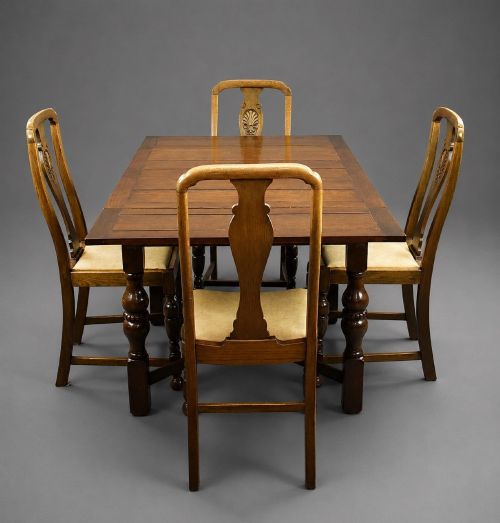
Jacobean Carved Oak Table
These heavy oak tables, built in the robust styles of the seventeenth century and later revivals, bring genuine architectural character to a room.
Jacobean Carved Oak Table
A jacobean carved oak table bridges the gap between utilitarian early construction and the ornamental flourishes typical of later revivals. Buyers encounter authentic seventeenth-century examples alongside substantial Victorian, Edwardian, and early twentieth-century interpretations.
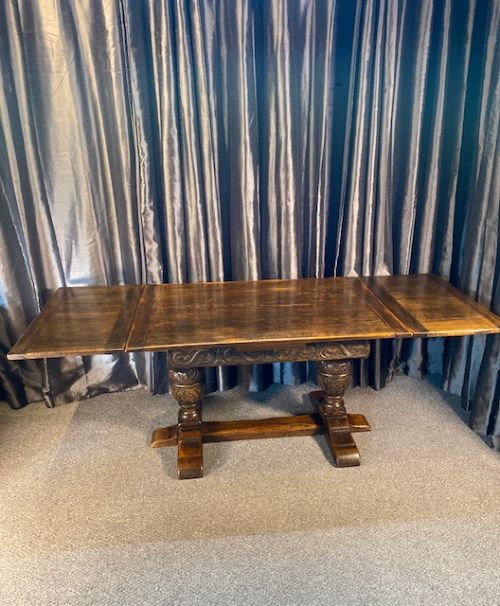
The selection ranges from expansive refectory and draw-leaf dining tables down to compact side tables, hall benches, and cricket tables. These forms serve daily domestic functions while displaying traditional carving techniques.
Originating primarily from English workshops, the surviving pieces demonstrate how domestic furniture evolved to accommodate changing dining and entertaining habits over several centuries.
Materials and construction methods
Solid oak provides the primary structural foundation, complemented by occasional secondary timbers such as elm on tabletops. Artisans utilised traditional joinery methods, including pegged mortise and tenon joints, to secure the heavy wooden frames.
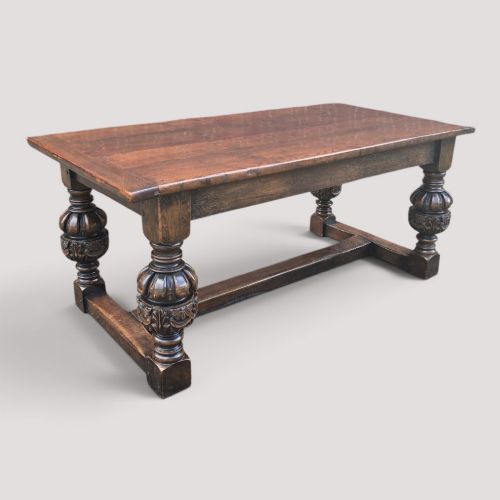
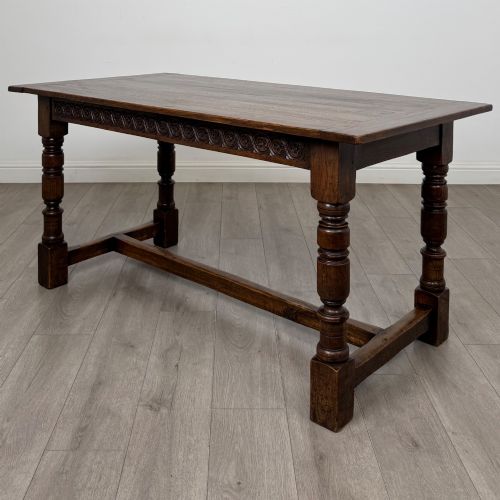
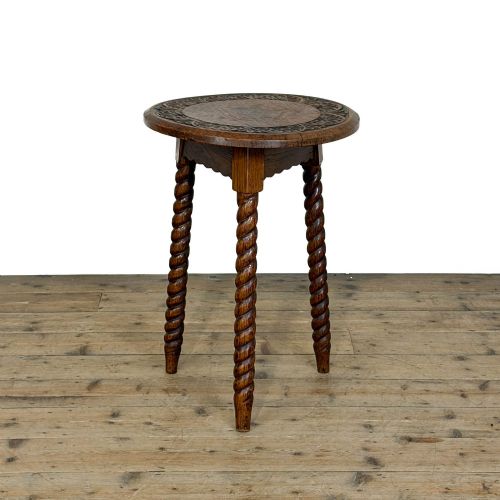
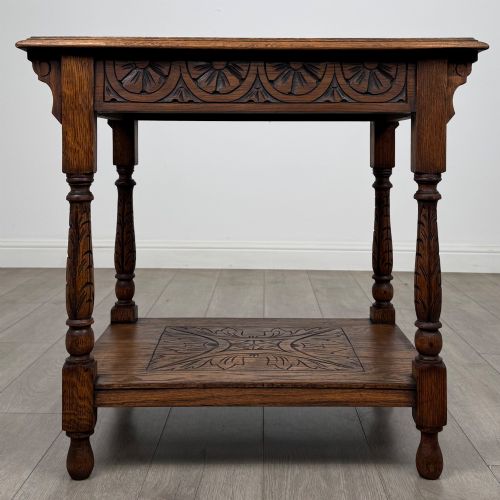
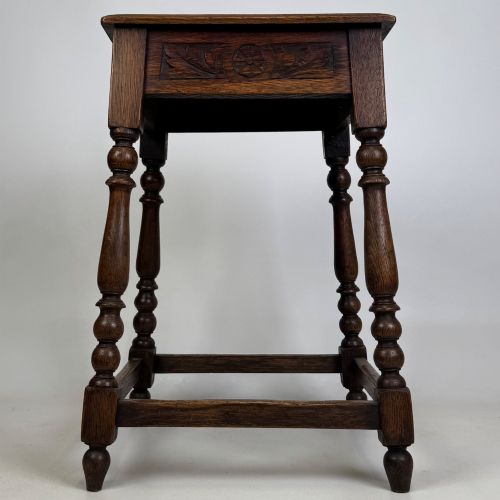
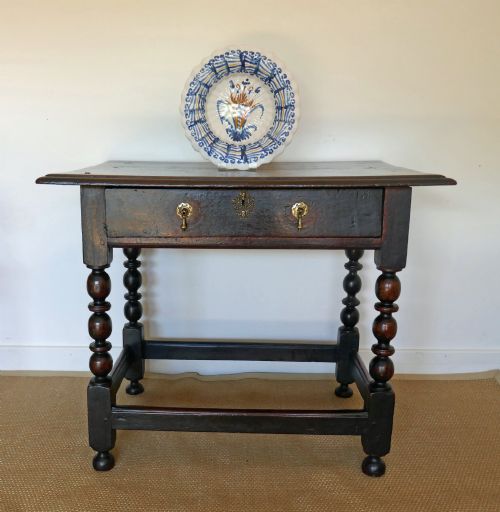
Metal components like brass and iron appear in structural brackets, hinges, and drawer pulls. Surface decoration relies on hand-chiseled relief carving, geometric mouldings, and turned elements such as barley twist legs.
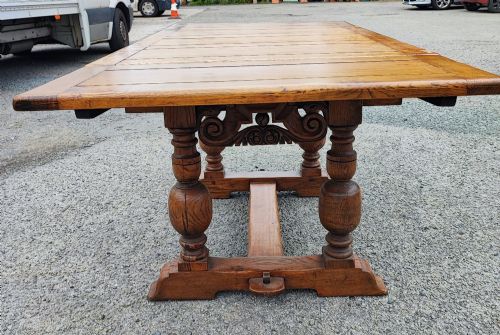
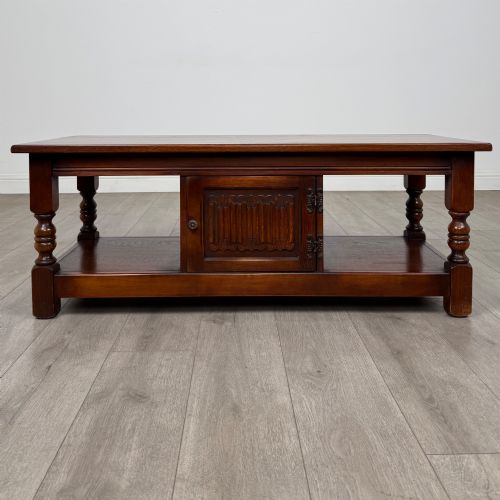
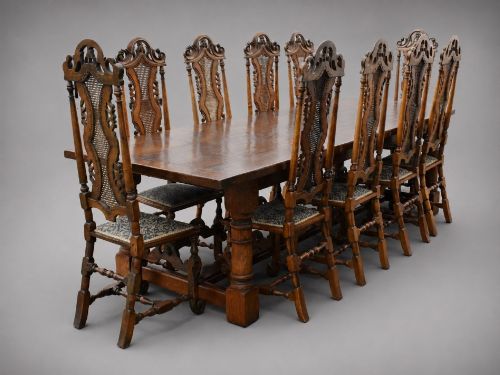
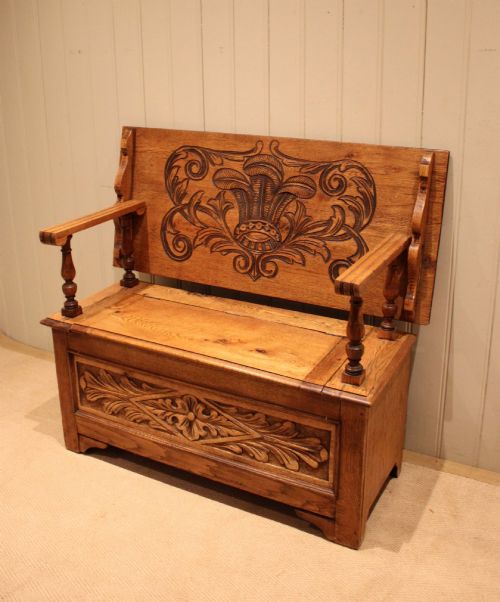
The documented forms include refectory dining tables, draw-leaf extending tables, side tables, console tables, coffee tables, and monks benches.
Judging the standard of manufacture
Quality rests upon the crispness of the hand-carved detailing and the selection of timber with strong grain patterns. Pieces featuring solid oak tops and sturdy underframes demonstrate superior structural integrity compared to later lighter constructions.
The sophistication of the turning on legs and stretchers indicates the workshop's skill level. Original hardware and minimal later alterations elevate the standing of an individual table.
The Jacobean Carved Oak Table Glossary
- Refectory table
- A long, narrow dining table traditionally used in communal halls. These sturdy items typically feature heavy legs joined by low floor stretchers.
- Draw-leaf table
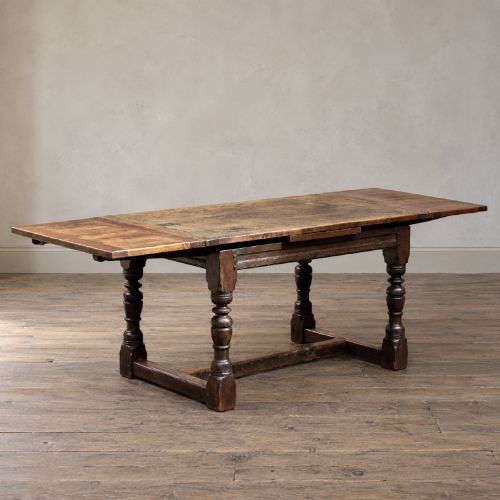
- An expanding table with two concealed leaves beneath the main top that pull out to extend the surface length. This clever mechanism allows the table to accommodate extra guests easily.
- Barley twist
- A type of turning shaped to resemble a spiralling rope column. This decorative technique appears frequently on the legs and supports of seventeenth-century and revival furniture.
- Dresser base
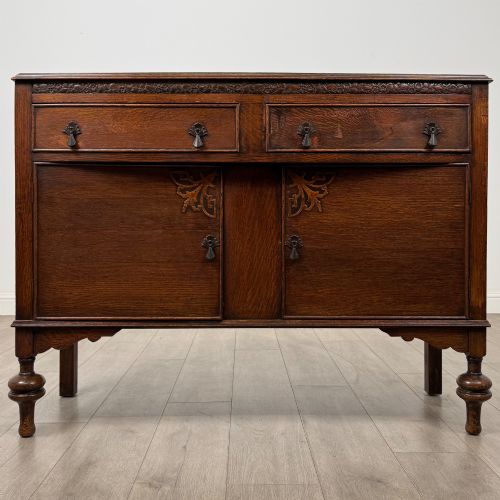
- A low cabinet fitted with drawers or cupboards beneath a flat top surface. These utilitarian pieces provided essential storage in historic kitchens and halls.
- Cricket table
- A small, light occasional table supported by three splayed legs. The triangular design ensured stability on uneven floors in historic homes.
Jacobean Carved Oak Table: Frequently Asked Questions
How do I spot a true seventeenth-century table?
Authentic period examples display hand-cut tool marks, pegged joinery, and timber shrinkage consistent with centuries of age. They also exhibit the specific patination that develops only through prolonged handling and wax polishing.
Revival pieces from the Victorian and Edwardian eras often use machine-cut elements or standardised fixings. Comparing the construction methods beneath the top helps clarify the age of the piece.
Are draw-leaf tables practical for daily dining?
These tables offer flexible proportions that suit modern living spaces. The extension leaves slide out smoothly when hosting dinner parties and tuck away to save floor space day to day.
Buyers should check that the internal runners operate freely without binding. Solid oak construction ensures the mechanisms support weight reliably during use.
How should I care for an antique oak surface?
Regular applications of beeswax preserve the moisture and rich tone of the timber. Avoid placing these tables near direct heat sources or strong sunlight, which can dry and split old oak.
Use coasters and placemats to protect the finish from moisture rings and heat damage. Gentle dusting with a soft cloth maintains the natural lustre.
What defines the jacobean revival style?
The revival style copies the heavy proportions, dark finishes, and geometric ornamentation of the early seventeenth century. Nineteenth and twentieth-century makers utilised these historic motifs to satisfy a demand for traditional British craftsmanship.
These pieces combine antique visual weight with the practical functionality required by later generations. They integrate well into both traditional and contemporary interiors.