





Ivory Oriental Rug
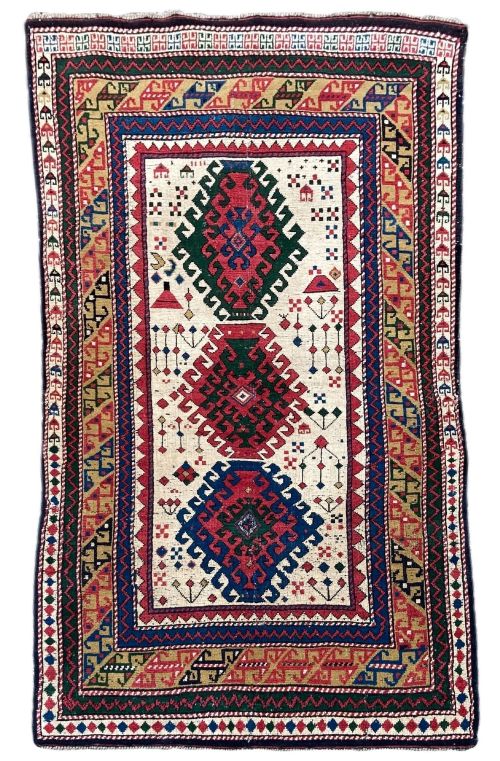
When you search for an ivory oriental rug, you are looking at hand-knotted floor coverings centred on pale ground tones from Persian, Caucasian, and Anatolian traditions.
Ivory Oriental Rug
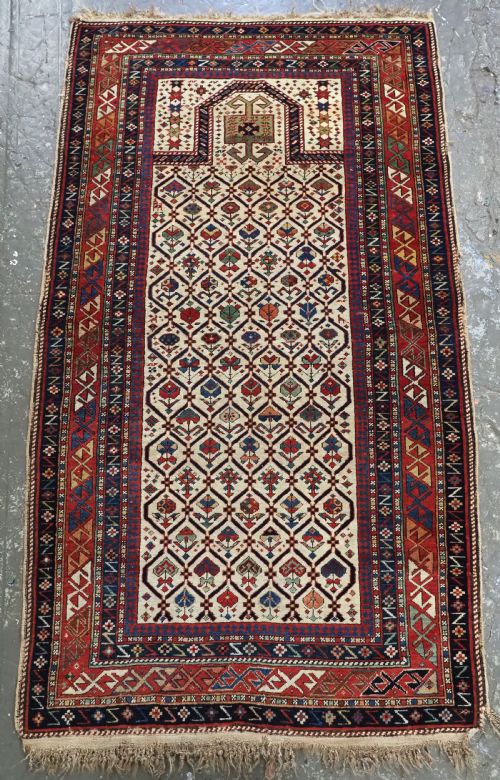
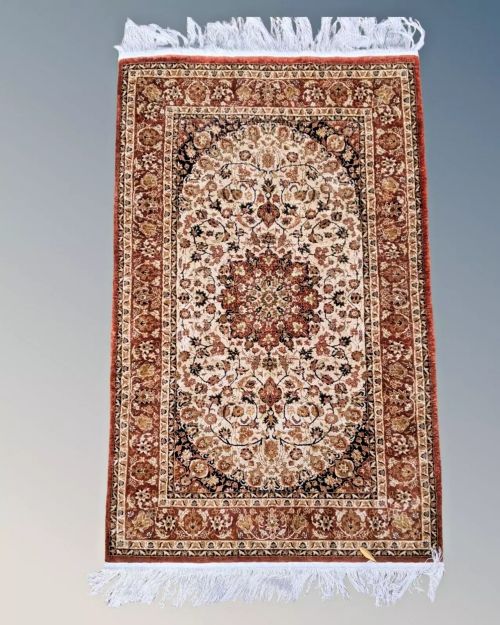
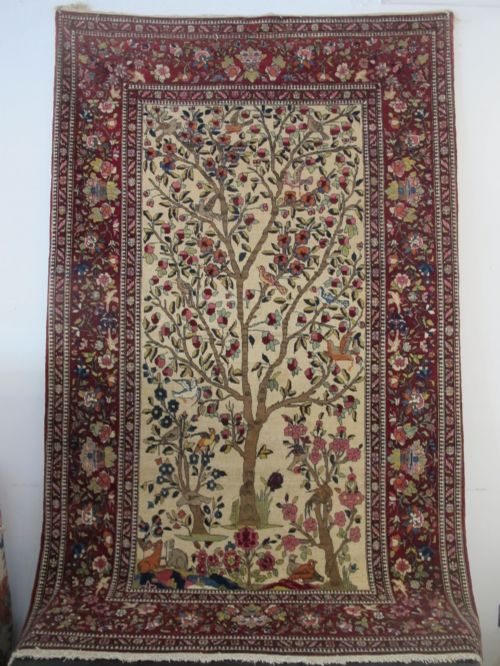
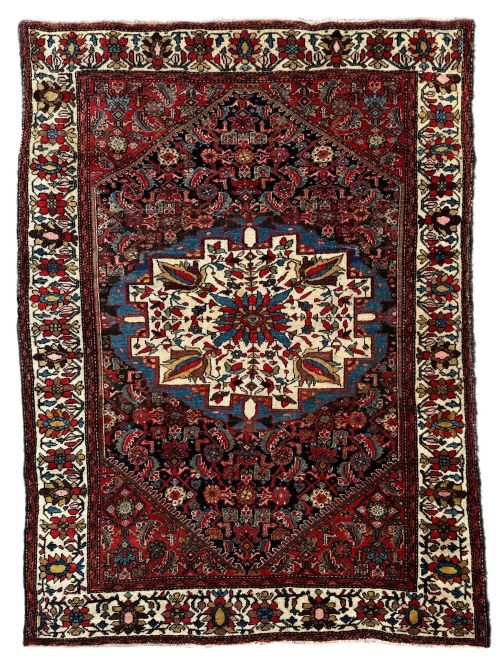
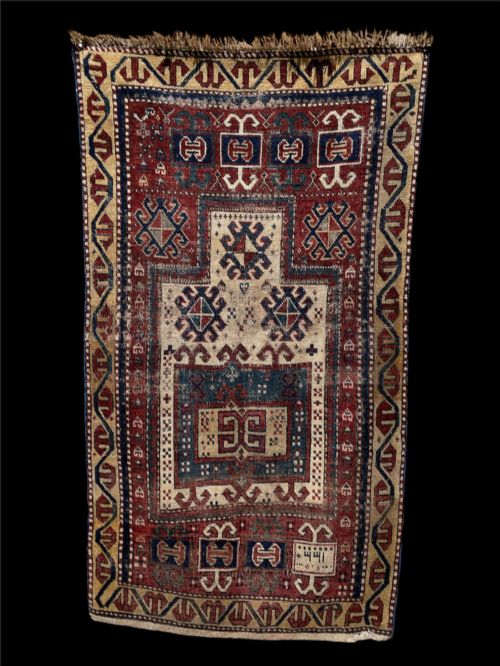
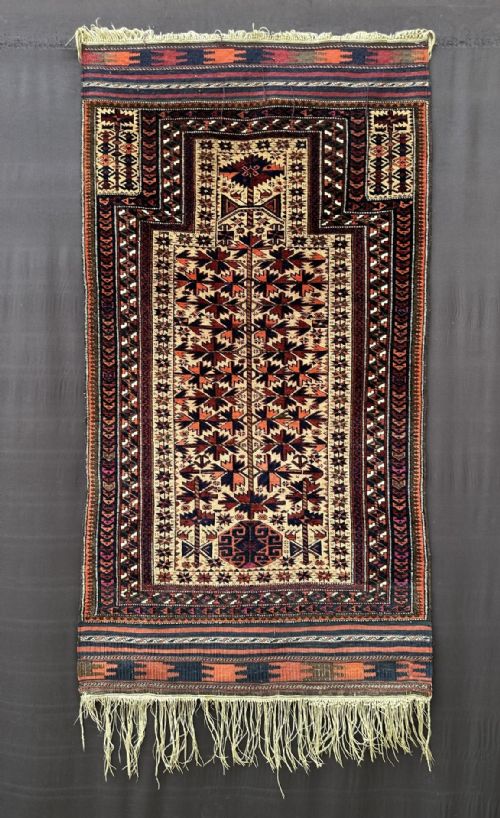
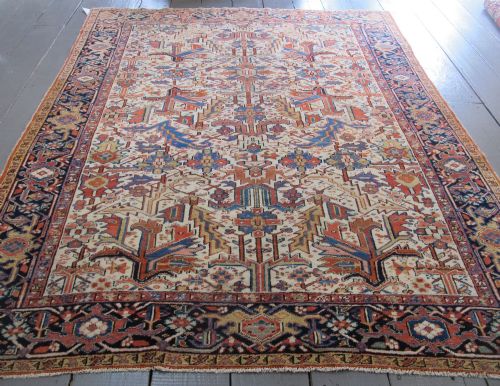
An ivory oriental rug brings together traditional weaving centres from Persia, the Caucasus, and Anatolia, spanning periods from the nineteenth century into the 1930s. Buyers searching this phrase meet room-size carpets, smaller village rugs, runners, and wall hangings.
The format encompasses specific regional styles such as Heriz, Mahal, Tabriz, and Isfahan alongside Caucasian prayer rugs and tribal pieces like the Tekke Turkmen torba. Many examples set medallions, floral lattices, or figurative motifs against a light, neutral ground.
Makers and weavers utilised traditional village and city formats, producing both coarse tribal rugs with geometric layouts and finely knotted city carpets with intricate floral curves.
Materials and construction methods
Weavers constructed these pieces using wool, cotton, and occasionally silk, employing natural dyes to achieve stable colours across foundations and pile. Pile yarns were hand-knotted onto sturdy cotton or wool warp and weft threads.
Makers combined sheep's wool for durability with silk highlights in certain urban examples, while natural dyestuffs provided the depth of tone seen in older village and tribal pieces.
Ivory Oriental Rug Retail Price Guide 2026
Typical asking prices for ivory oriental rug among the pieces listed under this phrase on Sellingantiques today, from the lower quarter to the upper quarter. They describe what is for sale here now, not the wider market.
Some nineteenth-century tribal weavers tucked unexpected butterfly and animal motifs into the corners of their geometric fields.
Evaluating quality in woven textiles
Knot density and the precision of the design execution set individual pieces apart, separating coarse tribal works from refined city carpets. Finer knotting permits sharper rendering of complex medallions and floral lattices.
The choice of materials also divides the range, particularly where weavers introduced silk highlights into wool piles or selected superior grades of wool for resilience and lustre.
The Ivory Oriental Rug Glossary
- Warp
- The vertical threads stretched lengthwise on the loom that form the foundation of the rug. Fringe ends typically consist of these exposed warp threads.
- Weft
- The horizontal threads passed across the warp strands to hold the knots in place. Weft rows alternate with rows of knots to bind the structure.
- Medallion
- A central ornamental design motif placed in the middle of the field. Many classical Persian carpets centre their composition around this prominent shape.
- Prayer rug
- A small format rug featuring a mihrab or arch design at one end, traditionally used for individual prayer. Weavers in Anatolia and the Caucasus frequently produced this layout.
- Ground
- The background field colour of the rug upon which the main patterns and motifs sit. Ivory grounds provide a pale backdrop for darker borders and medallions.
Ivory Oriental Rug: Frequently Asked Questions
Where were these rugs made?
These textiles were produced across diverse regions including Persia, the Caucasus, and Anatolia, encompassing both settled urban workshops and nomadic tribal borders.
Specific towns and districts such as Tabriz, Heriz, Mahal, and Isfahan developed distinct regional styles and knotting techniques.
How do I care for an old rug?
Old and antique rugs require gentle maintenance, including regular low-suction vacuuming without a rotating brush bar to protect the wool and cotton pile.
Professional cleaning by specialists familiar with natural dyes and hand-knotted textiles helps preserve the integrity of the fibres over time.
What materials were used?
Weavers relied primarily on sheep's wool for the pile, supported by cotton foundations for warp and weft threads.
Selected urban pieces incorporated silk highlights alongside the wool, and all traditional examples utilised natural dyes for their colour palette.