



Ivory and Gold Ceramics
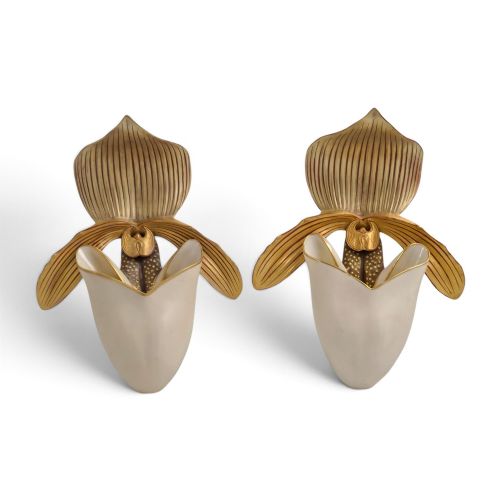
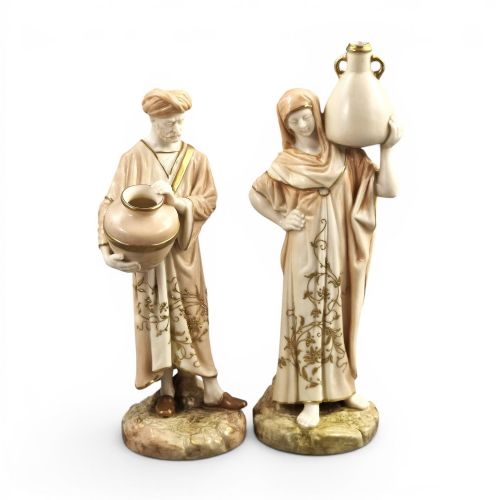
These ivory and gold ceramics combine delicate porcelain bodies with rich gilding, offering collectors refined Edwardian elegance and classic figural forms.
Ivory and Gold Ceramics
When you search for ivory and gold ceramics, you encounter pieces defined by soft pastel tones and metallic highlights. These works span the late Victorian and Edwardian periods, showcasing the height of refined ceramic design.
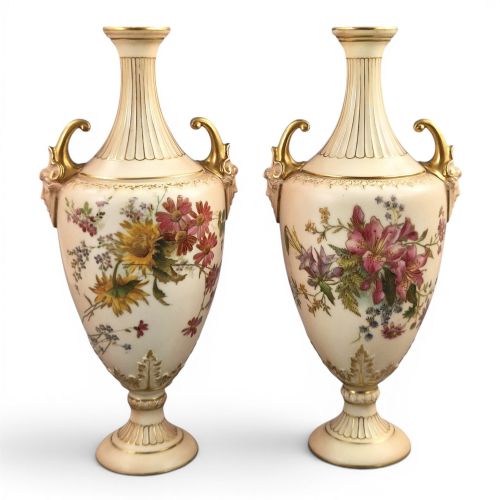
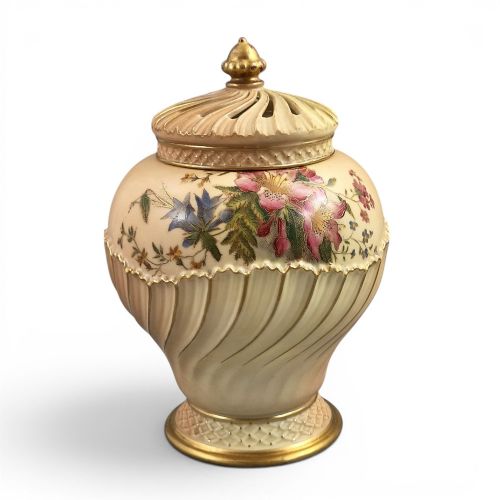
The most common forms on this page are vases, ewers, and decorative jars alongside detailed figurines. Many of these pieces originate from the early twentieth century and display distinct classical or floral motifs.
Materials and construction
These items rely on fine porcelain bodies that provide a smooth canvas for delicate surface painting. Artisans applied soft glazes to achieve the characteristic blush tone before adding detailed enamel work.
Gilding, gold leaf, and gold gilt provide the metallic contrast that frames the painted scenes and highlights handles, rims, and bases. This careful application of precious metal creates the signature two-tone aesthetic.
Ivory and Gold Ceramics Retail Price Guide 2026
Typical asking prices for ivory and gold ceramics among the pieces listed under this phrase on Sellingantiques today, from the lower quarter to the upper quarter. They describe what is for sale here now, not the wider market.
Assessing quality
Quality rests in the precision of the hand-painted details and the subtlety of the colour shading across the porcelain surface. Skilled brushwork distinguishes mass production from finer studio output.
The crispness of the modelled forms and the richness of the gilding also indicate the standard of the piece. Well-preserved metallic leaf and clean enamel lines mark out the more desirable examples.
Royal Worcester·James Hadley
The Ivory and Gold Ceramics Glossary
- Blush ivory
- A soft, matt porcelain glaze developed to resemble creamy elephant ivory. It provides a warm background for floral painting.
- Ewer
- A large jug with a wide spout and a curved handle, traditionally used for holding water but valued here for its decorative silhouette.
- Pot-pourri jar
- A covered vessel pierced with holes to release the scent of dried flowers and spices placed within. These often feature elaborate crown covers.
- Gilding
- The application of gold leaf or gold paint to the ceramic surface. It accents handles, collars, and relief moulding.
Ivory and Gold Ceramics: Frequently Asked Questions
How were these pieces used?
Most of these ceramics served as ornamental display pieces in formal Edwardian drawing rooms and parlours. Vases and ewers held seasonal floral arrangements.
Covered jars like pot-pourri vessels also functioned to fragrance living spaces with dried botanical mixtures.
How do I date these ceramics?
Dating relies on factory marks printed or impressed on the underside of the porcelain. Shape numbers and pattern codes also help pinpoint the year of production.
Stylistic cues such as Neoclassical Revival motifs or soft blush glazes typically point toward the late nineteenth or early twentieth century.
How do I care for them?
Keep these delicate porcelain pieces out of direct sunlight to prevent fading of the hand-painted enamels. Dust them gently with a dry, soft cloth.
Avoid using water or cleaning solutions on the surface, as moisture can damage fragile gold leaf and enamel details.