




Italian Walnut Dresser
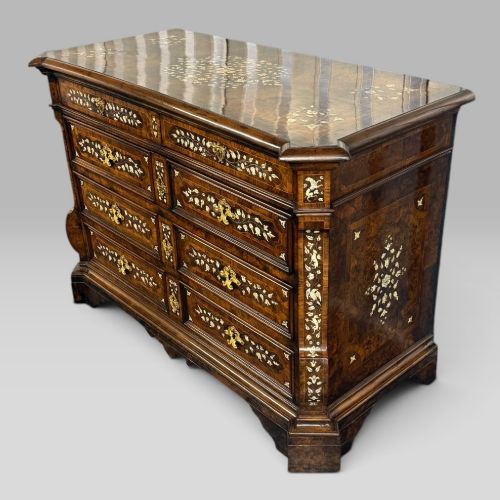
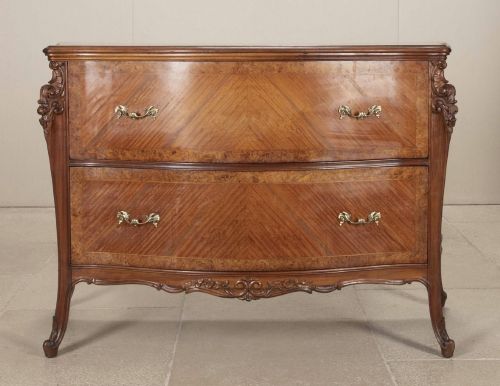
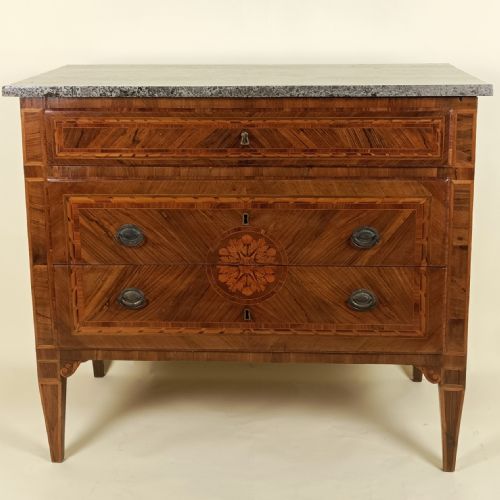
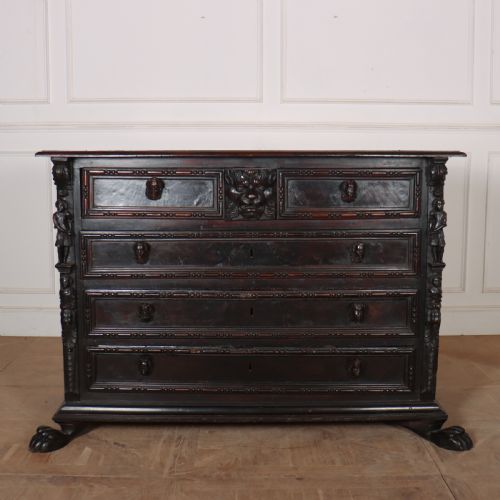
These Italian walnut dressers are substantial timber chests and commodes that bring rich figure and regional carving to a room.
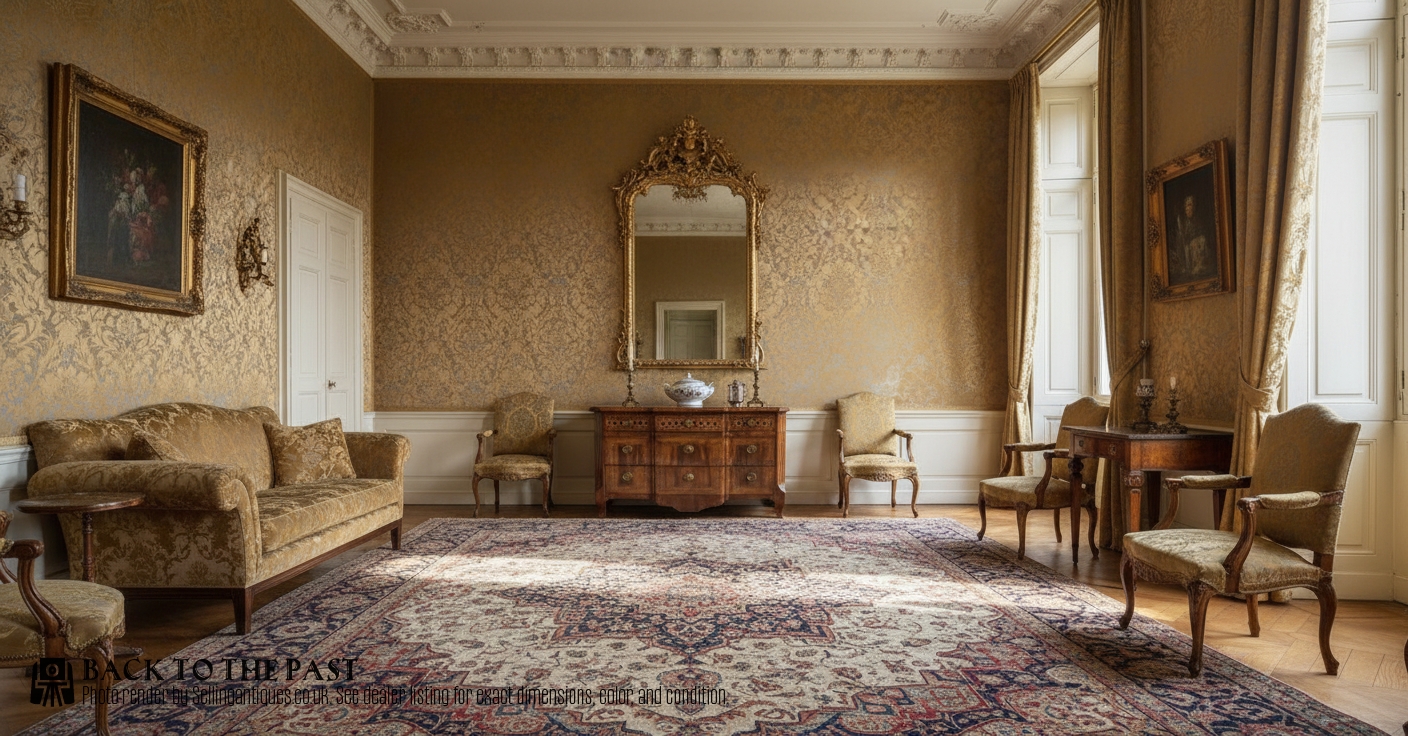
Italian Walnut Dresser
The selection encompasses seventeenth-century Renaissance Revival forms alongside eighteenth-century inlaid and marquetry designs from Lombardy and beyond. Buyers encounter both austere walnut surfaces and richly figured burr or bleached timber finishes.
Cabinet and sideboard variants also emerge within the records, showing carved walnut construction and occasional fruitwood or olive-wood secondary timbers. Each piece reflects the specific decorative vocabulary of its period, from Renaissance bambocci figures to neoclassical symmetry.
How they were made
Joiners built these carcasses primarily using solid walnut and burr walnut, frequently embellished with marquetry details in satinwood, bone inlay, and fruitwoods. Carvers shaped the timber by hand, creating sweeping serpentine lines and pronounced bombe curves that demanded immense skill from the maker.
Metal mounts in brass and ormolu often accent the drawers and corners, while auxiliary woods like olive-wood and fruitwood provide contrasting tones. Surfaces were finished to highlight the natural grain, whether left in a pale bleached state or polished to a deep lustre.
Some nineteenth-century makers let their imagination run wild, crafting fantastical wood sculpture buffets that owe more to theatre than dining rooms.
What varies in quality
The sophistication of the marquetry and the boldness of the timber figure dictate much of the distinction between examples. Top-tier pieces display seamless integration of contrasting woods like satinwood and bone inlay across complex serpentine fronts.
Carving depth and proportion also separate standard regional items from ambitious sculptural works attributed to prominent workshops. The crispness of carved details and the architectural harmony of the commode or cabinet reveal the maker's mastery.
Grand Ducal Workshops
The Italian Walnut Dresser Glossary
- Commode
- A low chest of drawers, typically standing on short legs and serving as a principal storage piece in formal rooms. Eighteenth-century Italian versions often display elaborate serpentine or bombe outlines.
- Bombe
- A swelling, outward-curving furniture shape that bulges on the sides and front. This profile requires advanced carpentry to construct from solid walnut and burl timbers.
- Marquetry
- The art of applying decorative veneer pieces in wood, bone, and other materials to form geometric or pictorial designs. Lombardy makers frequently utilised this technique on chest drawers.
- Bambocci
- Small carved wooden figures or caryatids often incorporated into Renaissance furniture supports. These decorative pillars give seventeenth-century pieces a distinct sculptural presence.
Italian Walnut Dresser: Frequently Asked Questions
What is an Italian walnut dresser?
An Italian walnut dresser generally refers to a commode, chest of drawers, or cabinet originating from Italy and fashioned from walnut or burr walnut.
These pieces span several centuries, encompassing Baroque, neoclassical, and revival styles with distinct regional characteristics.
How do I date an Italian commode?
Dating relies on examining the construction methods, secondary woods, and stylistic vocabulary such as marquetry or carving details.
Seventeenth-century pieces often show heavier Renaissance Revival or baroque forms, while eighteenth-century examples favour serpentine outlines and delicate inlay.
Where were these pieces made?
These items originated in various regions across Italy, including Lombardy and specialised workshops associated with grand ducal patronage.
Local timber availability, such as olive-wood and fruitwood alongside walnut, often reflected the specific Italian province of manufacture.
How should I care for walnut furniture?
Maintaining walnut furniture involves keeping pieces away from direct heat sources and sudden humidity changes to protect the timber and veneer.
Regular dusting with a soft cloth preserves the natural polish without building up unnecessary residues on the carved surfaces.