



Italian Rococo Style Mirror
When you search for an italian rococo style mirror, you find heavily carved giltwood frames designed to catch candlelight and brighten dark panelled rooms.
Italian Rococo Style Mirror
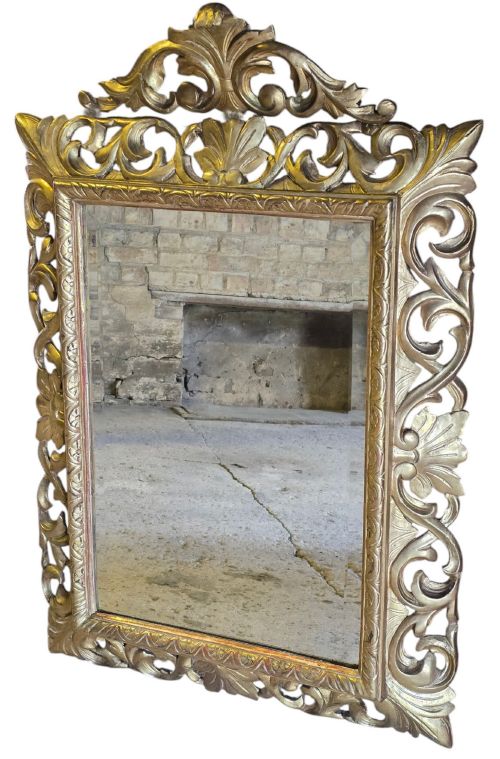
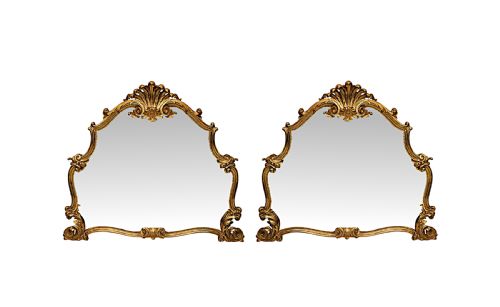
The italian rococo style mirror brings flamboyant asymmetric scrolls and shell motifs into domestic spaces, drawing directly on 18th-century design traditions. Most examples found here date from the 19th century, produced during periods of intense revival interest across Florentine and Venetian workshops.
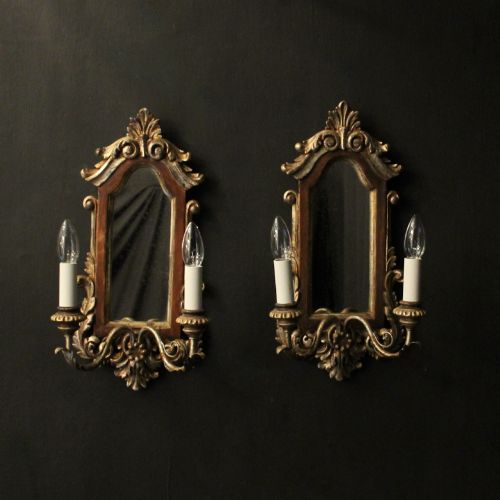
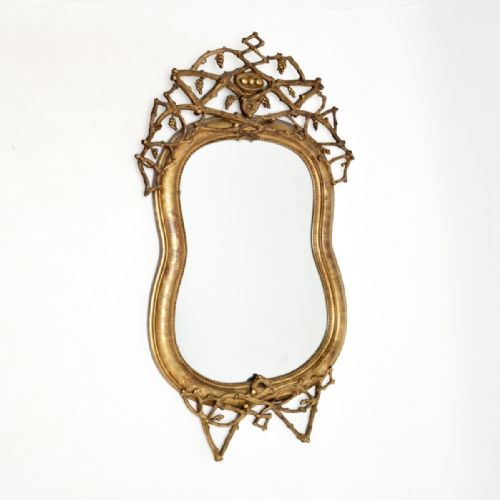
These pieces appear in various domestic forms, from large overmantle and pier mirrors designed for grand reception rooms down to smaller wall-hung dressing mirrors and twin-arm girandoles. Carved wooden frames dominate the inventory, frequently finished with elaborate crestings and scrolling leaf work.
Makers often drew upon earlier Baroque severity, softening rigid geometry into swirling organic shapes that define the rococo aesthetic. Surviving examples demonstrate how later cabinetmakers reinterpreted these classical Italian forms for Victorian and Edwardian interiors.
How they were made
Carved wood provides the structural foundation for nearly every frame, shaping the deep relief work and asymmetric scrolls essential to the design. Artisans applied layers of gesso over the timber base to create a smooth, receptive surface for subsequent gilding.
Gold leaf and silver leaf were meticulously laid over the prepared gesso, then burnished to achieve a brilliant reflective quality. Certain pieces incorporate hand-painted polychrome surfaces or engraved mirror plates, adding complex visual texture to the finished object.
Listings feature items spanning the 17th century through the 1930s, constructed from carved wood, gesso, and giltwood.
What varies in quality
Depth and crispness of the wood carving separate superior frames from simpler production pieces, revealing the carver's hand in the undercut foliage and scrolls. Sharp, well-defined ornament retains its definition beneath layers of gilding, whereas hurried work appears soft and shallow.
The integrity of the surface finish plays a major role, distinguishing skilfully applied gold or silver leaf from flat painted substitutes. Original mirror plates with authentic foxing and ageing add considerable character compared to modern replacements.
The Italian Rococo Style Mirror Glossary
- Giltwood
- Wood that has been coated with gold leaf or gold paint. This finish creates the signature warm metallic gleam seen across most antique frames.
- Gesso
- A plaster-like mixture applied to wood frames to provide a smooth base for gilding. It allows carvers to crisp up fine details before applying metal leaf.
- Girandole
- A wall mirror featuring attached candle sconces. The candle light reflects off the glass and gilded surface to illuminate the room.
- Pier Glass
- A tall mirror designed specifically to hang on the wall space between windows. These tall glasses maximised available natural light in historic drawing rooms.
Italian Rococo Style Mirror: Frequently Asked Questions
Where should I hang an Italian mirror?
These pieces look best mounted above a fireplace mantelpiece or a console table where their reflective glass can bounce light around the room. Their ornate frames function as focal points on plain walls, drawing the eye naturally.
Ensure the wall fixings can support the substantial weight of carved wood and gesso frames. Positioning them opposite a window will maximise the incoming daylight.
How do I identify the period?
Examine the construction of the wooden backing, the composition of the gesso, and the ageing patterns on the mirror glass itself. 18th-century originals exhibit hand-carved nuances and distinct tool marks absent in later revival pieces.
Revival pieces from the 19th century often display heavier proportions and machine-sawn backing boards. Comparing the carving style to documented regional workshops helps narrow down the decade.
What is the difference between Florentine and Venetian styles?
Florentine frames typically emphasise dense, intricate leaf carving and deep crestings finished primarily in rich gold leaf. They project a heavier, highly textured presence on the wall.
Venetian examples frequently incorporate painted polychrome details, mirrored glass frame sections, and lighter, airier scrollwork. These reflect the distinct aesthetic preferences of the respective Italian cities.
Are the mirror plates original?
Many surviving frames retain their original mercury or silvered glass, which develops characteristic dark spots known as foxing over the decades. This natural speckling proves the glass has aged alongside the wooden frame.
Replacement glass appears clearer and lacks the undulating distortion typical of historic hand-poured plates. Inspecting the edges from the back reveals how the glass sits within the rebate.