




Italian Renaissance Carved Sculpture
Italian renaissance carved sculpture brings classical majesty and intricate historic craftsmanship straight into a room.
Italian Renaissance Carved Sculpture
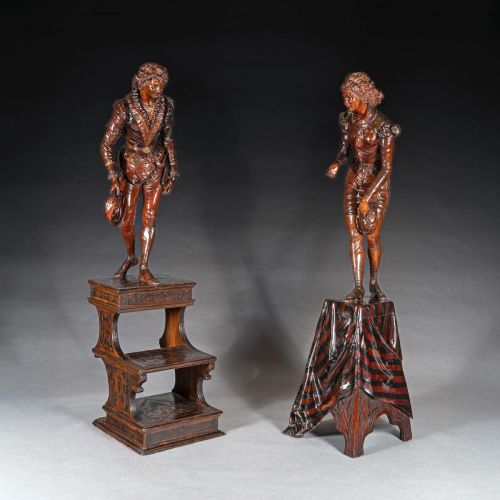
When you search for italian renaissance carved sculpture, you look at a lineage spanning from the sixteenth century through to nineteenth-century revivals. These pieces encompass religious figures, grand tour busts, architectural carvings, and pedestals created by makers working within the classical Italian tradition.
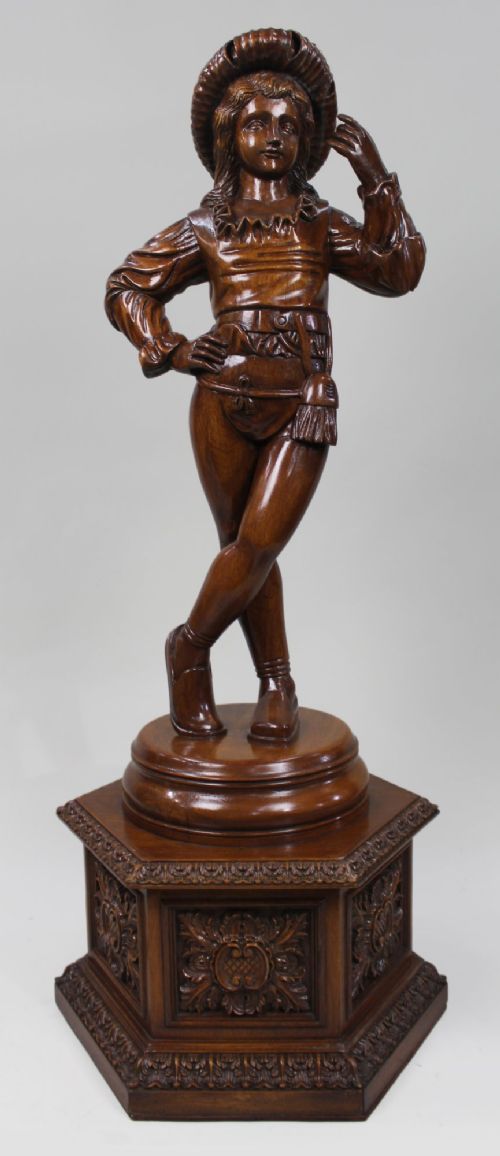
The most common examples encountered on this page belong to the nineteenth-century renaissance revival movement. Makers of this period drew heavily on earlier sixteenth and seventeenth-century motifs, producing walnut figures, lime wood carvings, and marble reliefs for collectors across Europe.
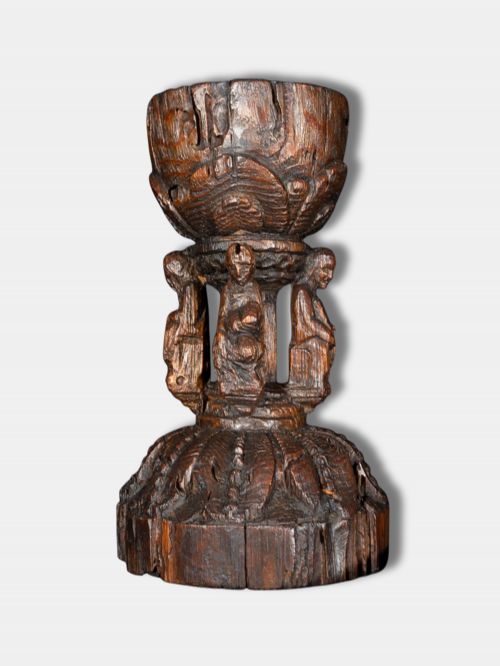
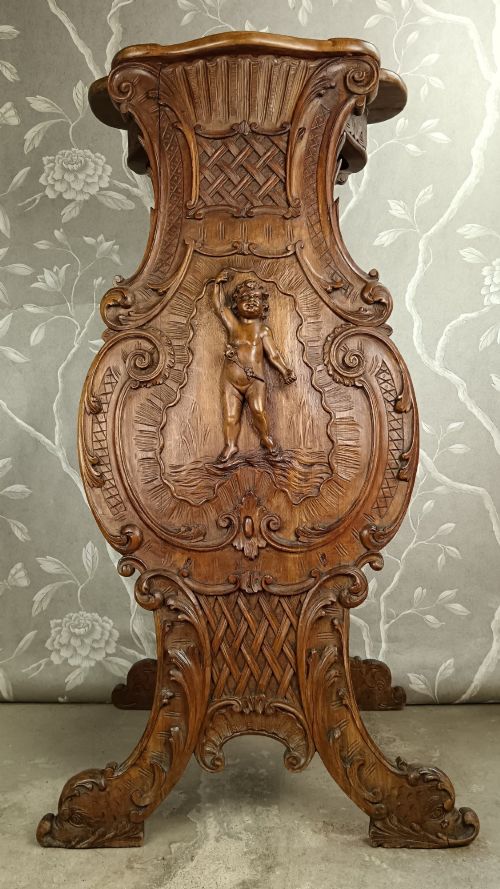
Forms vary from devotional objects like chalices and polychrome angels to secular wall panels, pedestals, and decorative furniture elements. Each piece demonstrates the enduring influence of Italian sculpture on nineteenth-century taste and interior decoration.
Assessing quality and execution
Original surface preservation dictates the integrity of a piece, particularly where polychrome pigments, gesso, and gold leaf survive intact. Pieces by documented master carvers command attention through disciplined chisel work and sophisticated proportion.
Italian Renaissance Carved Sculpture Retail Price Guide 2026
Typical asking prices for italian renaissance carved sculpture among the pieces listed under this phrase on Sellingantiques today, from the lower quarter to the upper quarter. They describe what is for sale here now, not the wider market.
Winged griffins peer from walnut brackets, keeping silent watch over centuries of Italian design.
Valentino Besarel·Luigi Frullini
The Italian Renaissance Carved Sculpture Glossary
- Polychrome
- Decoration in multiple colours applied to wood or stone sculpture. This technique was frequently utilised on religious figures to heighten realism.
- Gesso
- A plaster-like mixture applied to wood surfaces as a preparation for gilding or paint. It provides a smooth ground for delicate surface ornamentation.
- Grand Tour
- The nineteenth-century practice of travelling through Europe to collect art and antiquities. Busts and small sculptures were acquired during these journeys as souvenirs of status.
- Renaissance Revival
- A nineteenth-century artistic movement imitating sixteenth-century Italian styles. Practitioners adopted classical motifs, heavy walnut carving, and architectural forms.
Italian Renaissance Carved Sculpture: Frequently Asked Questions
How do I date an Italian Renaissance carving?
Dating relies on tool marks, timber shrinkage, and stylistic indicators that distinguish sixteenth-century originals from nineteenth-century revival pieces. Close examination of the underlying wood and preparation layers clarifies the era of manufacture.
Revival pieces often utilise nineteenth-century mechanical aids alongside hand chisels, whereas earlier items display entirely hand-wrought surfaces consistent with period workshop practices.
Where should I place these sculptures at home?
Large wooden figures and marble reliefs demand stable environments away from direct heat sources and dramatic humidity fluctuations. Placing them on dedicated walnut pedestals or mounting them securely to stone walls ensures structural safety.
Consider sightlines in a hallway or study where adequate lighting can highlight the depth of the carving and the texture of the timber or stone.
Are polychrome sculptures fragile?
Painted and gessoed surfaces require gentle handling to prevent flaking or loss of the historic pigment layer. Dusting should be performed softly with a dry, non-abrasive brush rather than a cloth.
Maintaining moderate indoor humidity prevents the underlying wood from expanding and contracting, which is the primary cause of paint separation.
What is the difference between revival and period work?
Sixteenth and seventeenth-century pieces emerge directly from the intellectual and artistic output of the Italian Renaissance. Nineteenth-century revival works consciously emulate those earlier aesthetics for Victorian and Edwardian collectors.
Both categories display high technical competence, but material analysis and stylistic quirks help separate original historic manufacture from later interpretations.