


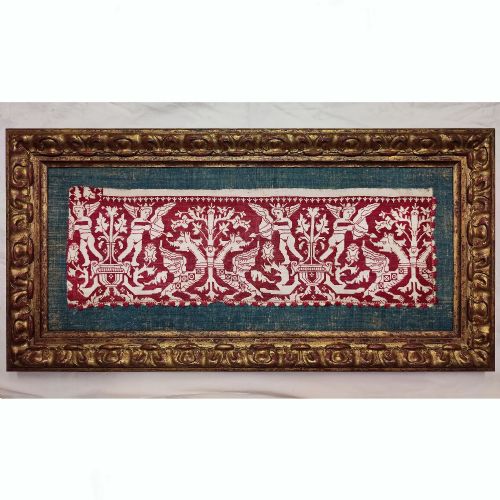


Italian Renaissance Art
Italian renaissance art brings the weight of history into a room through oil portraits, religious subjects, and period-inspired framing.
Italian Renaissance Art
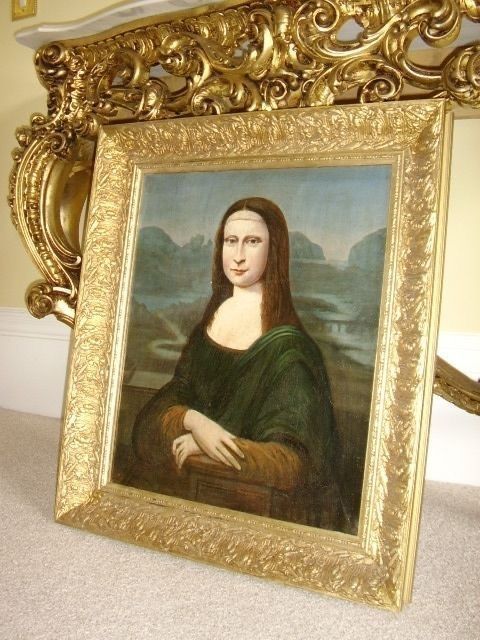
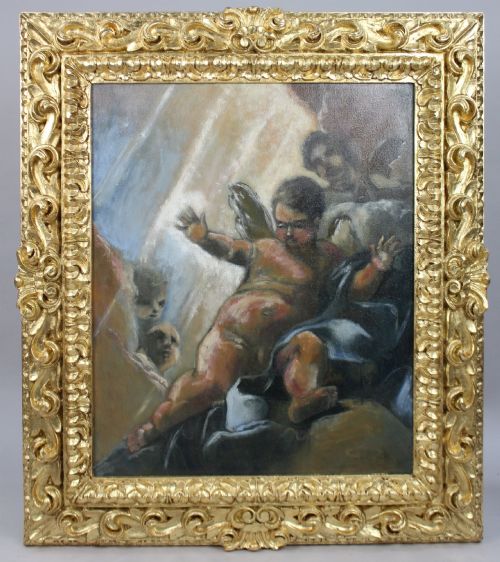
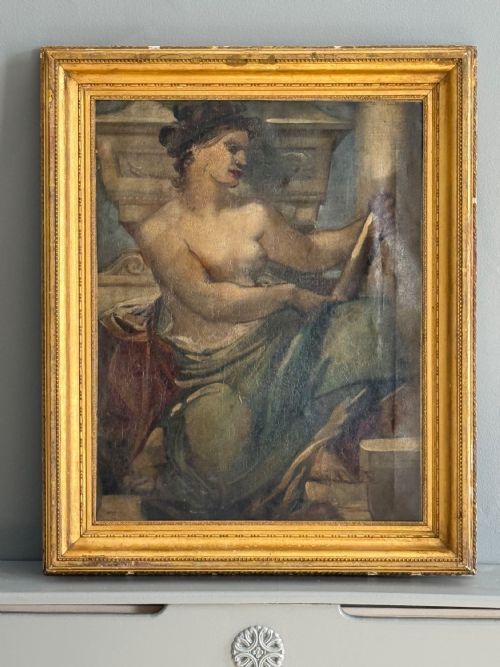
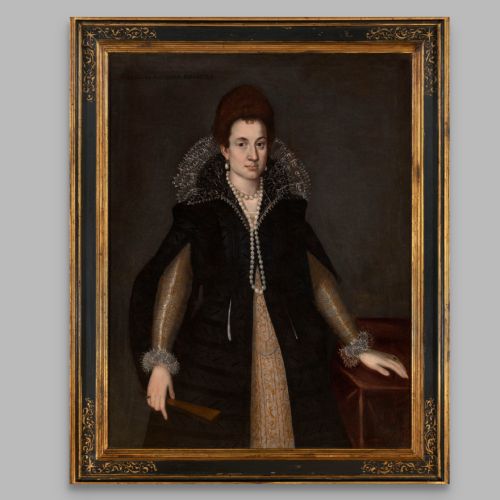
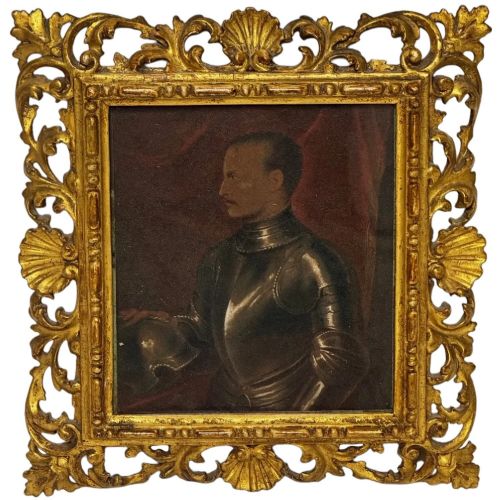
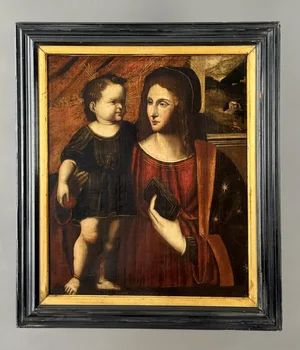
Italian renaissance art encompasses oil paintings, framed prints, works on paper, and decorative objects that reflect the aesthetic of the period. These pieces frequently feature portraits of noblewomen, religious scenes such as the Madonna and Child, and mythological subjects inspired by master painters.
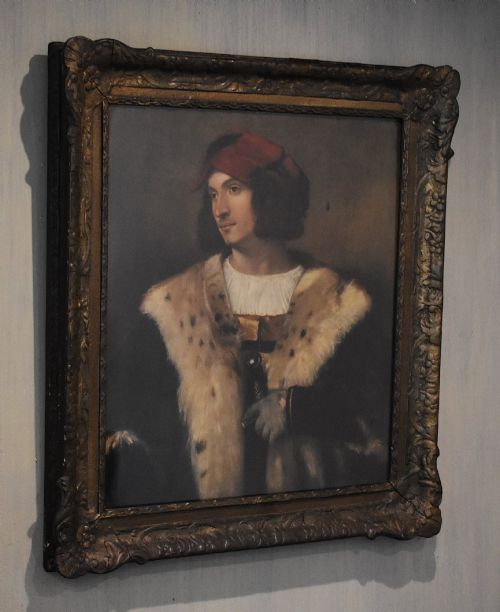
Buyers encounter original works from the sixteenth century alongside later interpretations from the nineteenth and twentieth centuries. The selection includes paintings after masters like Raphael and Titian, decorative wall art, and smaller artefacts like painted wood book covers.
Materials and Construction
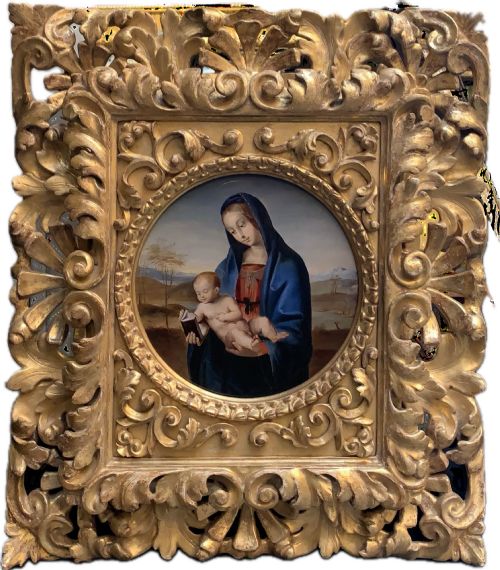
Paintings of this category are predominantly executed in oil on canvas or wood panels, utilising traditional pigments and binders. Many works are housed in carved giltwood frames that complement the visual weight of the art.
Works on paper include prints, chromolithographs, and detailed drawings. Artisans also worked in bronze, faience, and majolica pottery to create plaques and plates with sculptural relief.
Several centuries separate the original sixteenth-century portraiture from the Victorian hands that lovingly copied them.
Assessing Quality
Quality in these pieces depends upon the skill of the execution and the fidelity of the composition to its period source. Hand-painted oil works and finely carved wooden frames demonstrate a higher degree of craftsmanship than mass-produced prints.
The materials themselves influence the character of the object, with genuine gold leaf and period canvas showing greater depth than later reproductions. Preserved surfaces and clear provenance also distinguish finer examples.
Leonardo Da Vinci·Pietro Fachetti·Gian Paolo Pace·Bernardino Luini·Titian·Paolo Veronese·Icilio Federico Joni·Benvenuto Tisi·Correggio·Raphael·Scipione Pulzone·Giovanni Battista Moroni·Rosso Fiorentino·Girolamo Dai Libri·Gian Federigo Bonzagna·Andrea Mantegna·Pietro Perugino
The Italian Renaissance Art Glossary
- Oil on Canvas
- Pigments suspended in a drying oil applied to stretched canvas. This medium allowed artists to achieve rich colour depth and subtle tonal gradations.
- Giltwood
- Wood that has been treated with a thin layer of gold leaf or gold paint. It is commonly found on ornate frames from various centuries.
- Majolica
- Tin-glazed Italian earthenware decorated with opaque colours. It gained prominence for decorative plates and sculptural tiles.
- Tavolette
- Painted wooden panels used historically for book cover bindings. They often feature detailed miniature artwork.
- Chromolithography
- A colour lithographic printing technique used to reproduce paintings. It employs multiple stones to build up complex layers of ink.
Italian Renaissance Art: Frequently Asked Questions
Are these pieces actually from the sixteenth century?
The selection includes genuine sixteenth-century works as well as later interpretations and revival pieces created in the nineteenth and twentieth centuries.
Each listing specifies the period of creation, distinguishing contemporary copies and revival art from period originals.
How should I display a giltwood framed painting?
Giltwood frames require stable indoor conditions away from direct sunlight and excessive moisture to protect the gold leaf.
Hung securely on a wall, they serve as focal points in traditional or eclectic interiors.
What is the difference between an oil painting and a print?
Oil paintings feature textured brushstrokes and layered pigments applied directly to canvas or wood by an artist's hand.
Prints and chromolithographs are mechanical or photographic reproductions on paper that offer a flat surface.
What subjects are most common in these artworks?
Religious themes, particularly depictions of the Madonna and Child and the Holy Family, appear frequently across paintings and plaques.
Portraiture of noble figures and mythological scenes also form a substantial part of the available works.