

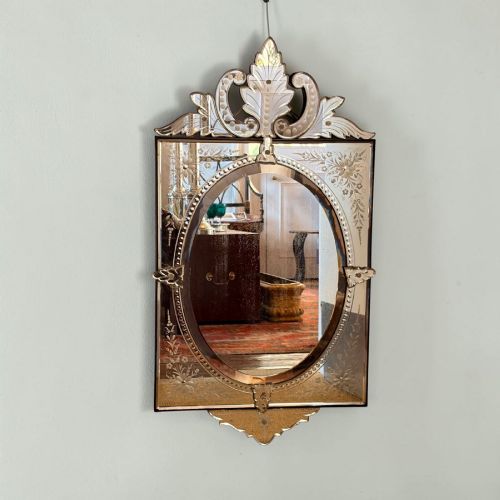
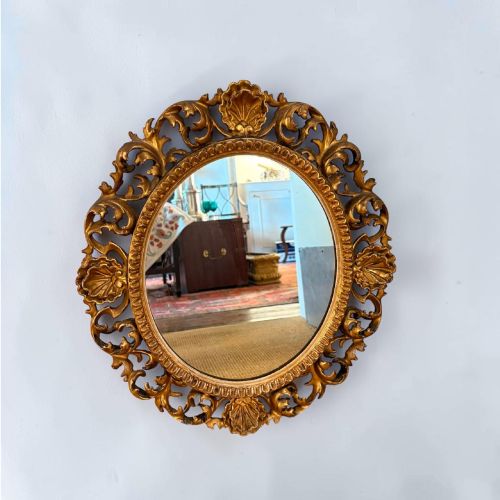


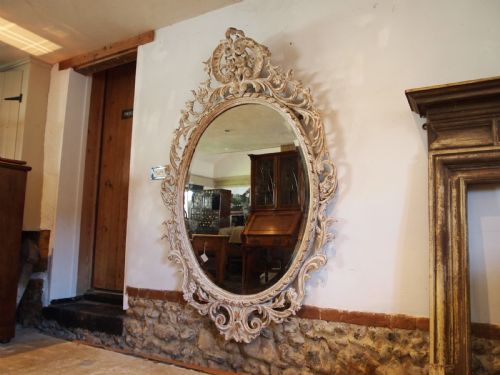


Italian Oval Wall Mirror
An italian oval wall mirror brings warmth and depth to a room through carved giltwood frames and antique glass.

Italian Oval Wall Mirror
When you search for an italian oval wall mirror, you encounter decorative furnishings shaped by centuries of craftsmanship from regions such as Venice and Florence. These pieces primarily function as wall mirrors, serving both practical reflection and dramatic interior adornment.
The selections on this page span several distinct periods, reaching from the eighteenth century through the Victorian era and into the early twentieth century. You are most likely to meet ornate giltwood and carved wooden frames that reflect baroque, rococo and neoclassical tastes.
Originating largely from Italian workshops, these wall mirrors display considerable variety in scale, ranging from intimate portrait formats to large overmantle centrepieces. Their elongated oval silhouettes soften angular interiors and introduce historical character to hallways and principal rooms.
How they were made
Carved wood forms the structural foundation for many of these pieces, utilising timbers such as lime and beech beneath decorative surfaces. Artisans applied layers of gesso to prepare wooden grounds for subsequent gilding.
Giltwood and gold leaf finishes dominate the surviving examples, applied by hand to create lustrous, light-reflecting borders. Specific techniques like lacca a mecca provide alternative metallic sheens using silver leaf and coloured varnishes.
Mirror glass plates, sometimes bevelled or showing age-related foxing, sit within these elaborate frames. Original plates display distinct optical qualities that separate historic manufacture from modern replacements.
Italian Oval Wall Mirror Retail Price Guide 2026
Typical asking prices for italian oval wall mirror among the pieces listed under this phrase on Sellingantiques today, from the lower quarter to the upper quarter. They describe what is for sale here now, not the wider market.
Listings feature Italian wall mirrors spanning the eighteenth, nineteenth and early twentieth centuries, incorporating carved wood, gesso, gold leaf and mirror glass.
What varies in quality
The depth and crispness of the wood carving distinguish superior examples from simpler production. Master carvers achieved intricate scrollwork, foliage and asymmetric rococo motifs that retain sharp definition despite centuries of wear.
The integrity of the gilding and the underlying gesso layer dictate the visual richness of the surface. Finer pieces preserve their original gold leaf layers and show honest patination rather than crude later overgilding.
Survival of the original mirror plate adds considerable distinction to an antique glass piece. Foxing and silvering degradation tell a story of age, whereas a replacement plate alters the historic character of the mirror entirely.
The Italian Oval Wall Mirror Glossary
- Giltwood
- Wood that has been covered with thin sheets of gold leaf. This finish creates a warm metallic radiance that catches interior light.
- Gesso
- A plaster-like mixture applied to wood as a smooth base for gilding. It allows carvers to achieve fine detail before applying gold leaf.
- Foxing
- Age-related spots and discolouration within the mirror glass plate. These dark marks develop as the silver backing oxidises over long periods.
- Lacca a mecca
- A decorative finishing technique using silver leaf coated with a golden lacquer. It mimics the appearance of pure gold at a different cost.
- Overmantle
- A large mirror designed to hang specifically above a fireplace mantel. These expansive forms anchor principal reception rooms.
- Rococo
- An ornate artistic style characterised by asymmetry, C-scrolls and naturalistic motifs. It heavily influences eighteenth-century Italian mirror frames.
Italian Oval Wall Mirror: Frequently Asked Questions
How should I clean antique mirror glass?
Use a soft, dry microfibre cloth to remove dust from the glass surface and the delicate giltwood frame. Avoid spraying liquid cleaners directly onto the mirror, as moisture can seep behind the plate.
Harsh chemical solutions damage historic silvering and fragile gesso finishes. Gently wipe the glass with minimal moisture only when strictly necessary.
What does foxing mean on old glass?
Foxing refers to the natural speckles and dark patches that appear on antique mirror plates over time. This chemical ageing of the backing material confirms the considerable age of the glass.
Many collectors prize foxed plates for the authentic historic atmosphere they provide. It proves the glass has witnessed generations of domestic life.
How do I tell Venetian mirrors apart?
Venetian mirrors often feature etched glass borders and segmented frame components secured with decorative glass pins. They lean towards lighter, reflective constructions rather than heavy carved wood.
Florentine examples, by contrast, tend to showcase deep relief carving and gilded wooden foliage. Regional stylistic traditions dictate these distinct decorative choices.
Where should I place an oval mirror?
An oval mirror works effectively in narrow hallways to bounce light and create an illusion of space. They also anchor entrance spaces when positioned above a console table.
In living rooms, placing an oval form above a fireplace draws the eye upward. The curved silhouette softens rigid architectural lines in traditional interiors.