




Italian Giltwood Frame
An italian giltwood frame brings warmth, craftsmanship, and historic character to any interior, housing everything from mirrors to old master paintings.
Italian Giltwood Frame
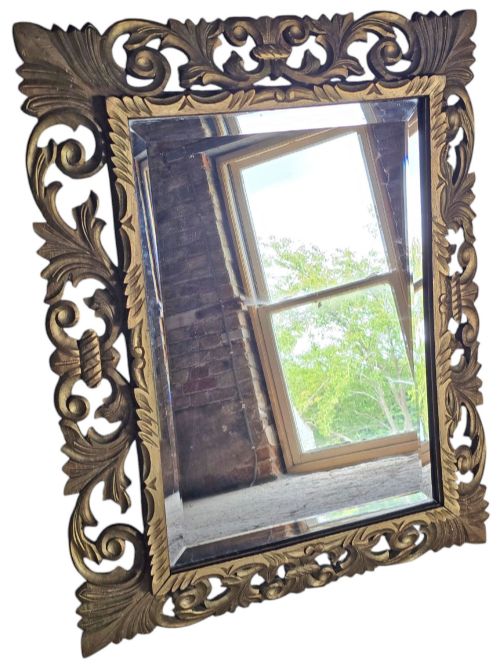
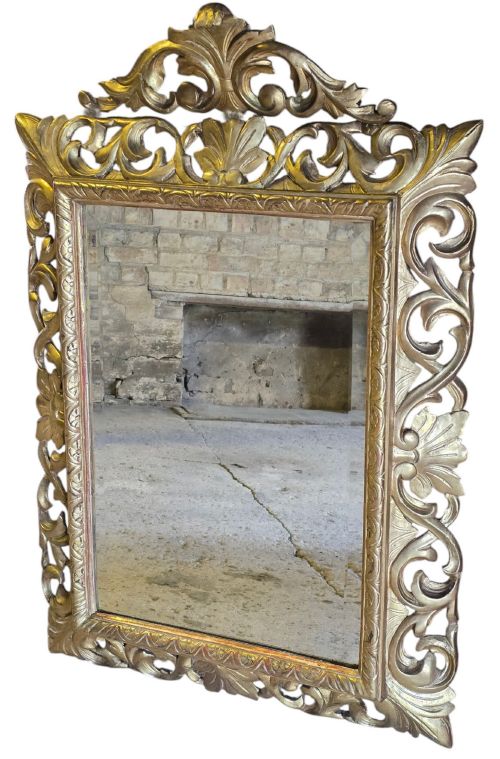
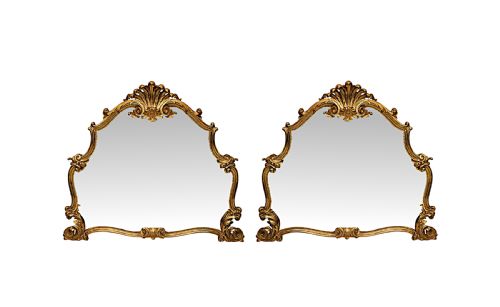
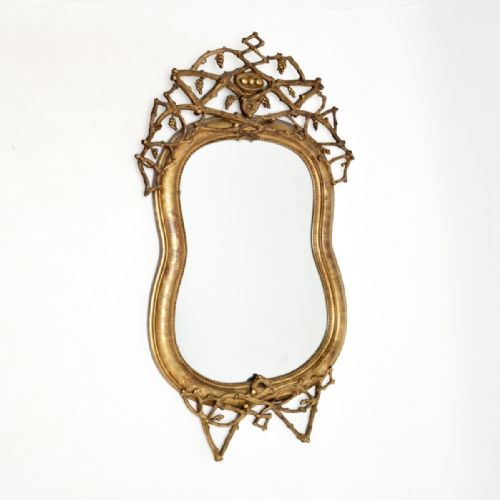
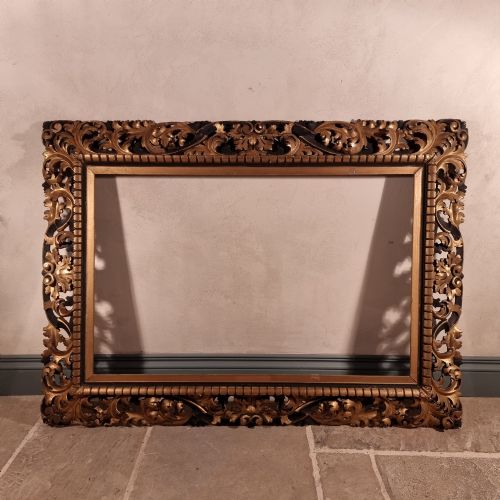
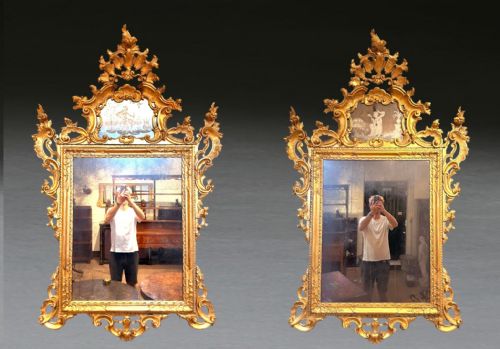
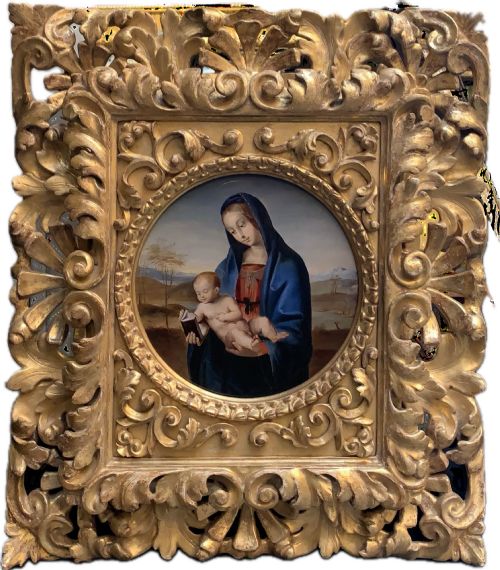
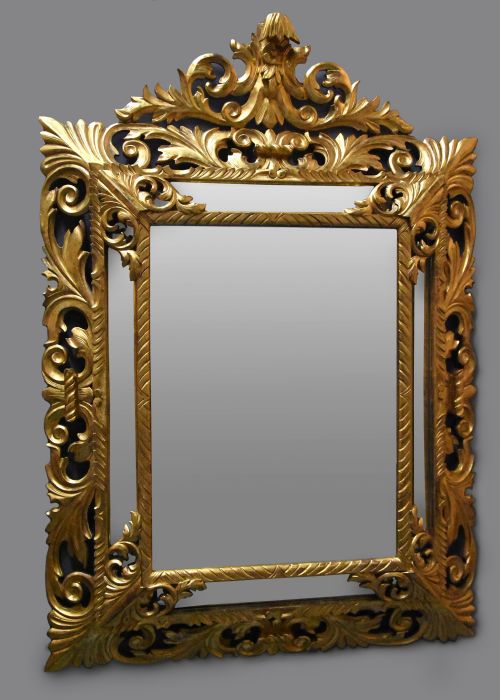
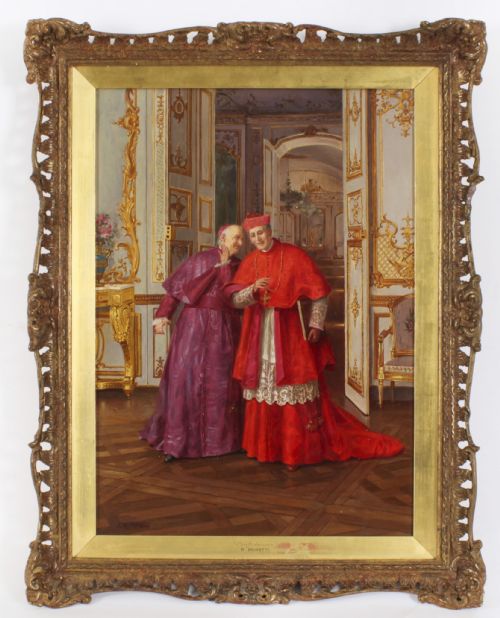
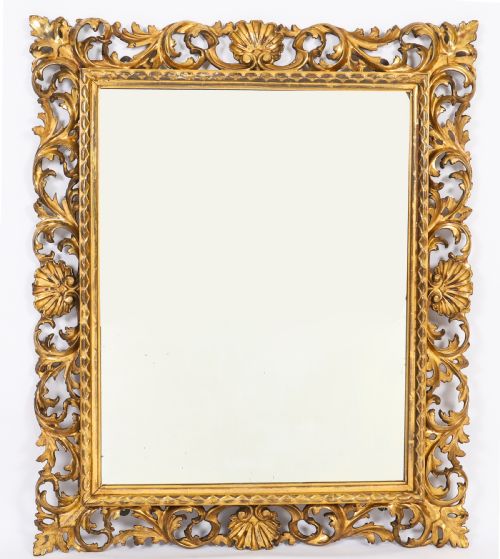
When you search for an italian giltwood frame, you encounter ornate wall mirrors, overmantles, picture frames, and occasionally paintings housed within these gilded structures. The pieces available span several centuries, with the nineteenth century heavily represented alongside examples from the eighteenth, seventeenth, and sixteenth centuries.
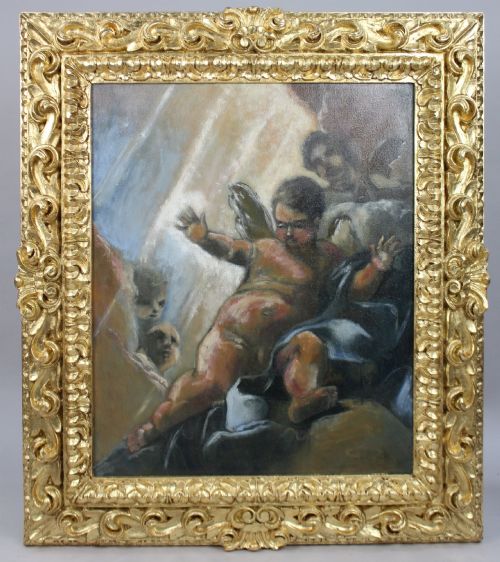
Forms vary from grand Florentine and Baroque styles to restrained cassetta frames and whimsical girandoles. Many function primarily as mirrors, incorporating glass plates within deeply carved wooden surrounds, while others serve to frame classical oils on canvas and religious art.
How they were made
Makers shaped these objects using carved wood, applying layers of gesso to create smooth surfaces suitable for fine detail work. Artisans then finished the pieces with gold leaf and silver leaf, sometimes combining these metallic finishes to achieve nuanced surface reflection.
The construction relies on traditional joinery methods suited to heavy timber frames, with deep relief carving executed by hand. This combination of carved wood, gesso preparation, and gold leaf application produces the characteristic luminous quality of antique giltwood.
Several pieces preserve centuries of domestic history in their gold leaf, including religious relics and a sporting cavalry skirmish.
What varies in quality
The depth and crispness of the hand carving separate ordinary mouldings from exceptional examples, where floral motifs, scrolls, and acanthus leaves show sharp undercut details. Superior pieces maintain harmony between the scale of the frame and the complexity of its ornamentation.
The application of the gold leaf and the condition of the underlying gesso influence how light plays across the surface over time. Finer items display a careful burnishing of the leaf that allows the warm red or yellow bole beneath to subtly show through.
Renato Moretti·Benvenuto Tisi·Antonio Allegri
The Italian Giltwood Frame Glossary
- Giltwood
- Wood that has been coated with gold leaf or gold powder. This surface treatment provides the characteristic golden sheen seen on antique mirrors and picture frames.
- Gesso
- A plaster mix applied to a wooden base as a preparation layer before gilding. It allows carvers to achieve sharp, detailed relief work.
- Girandole
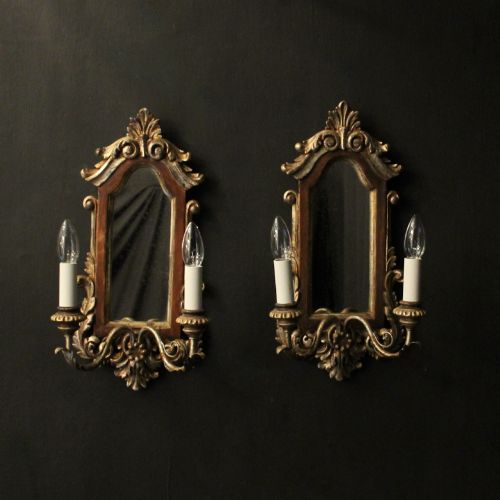
- A branched wall sconce or candle holder attached to a mirrored backplate. These fixtures reflect candlelight across the room from their giltwood mounts.
- Overmantle
- A large mirror or frame designed to be hung specifically above a fireplace mantel. They often feature extended horizontal proportions.
Italian Giltwood Frame: Frequently Asked Questions
How do I date an antique frame?
Dating relies on observing stylistic markers, such as the exuberant curves of Rococo revival pieces or the restrained geometry typical of Renaissance cassetta designs. Tool marks, timber types, and the composition of the underlying gesso also provide clues to the period of manufacture.
Examining the backboards and fixings helps confirm the age of the piece. Older frames often feature hand-split timbers and early construction methods that differ markedly from later reproductions.
Where should I hang a giltwood mirror?
These mirrors function effectively above fireplace mantels, in hallways, or as statement pieces on living room walls. Their reflective glass and luminous frames help bounce natural light into darker corners of a room.
Ensure the wall structure can support the substantial weight of carved wood and glass. Professional fixings suited to heavy hanging weights are essential for secure installation.
How do I clean giltwood safely?
Dust the carved surfaces gently using a soft, dry brush or a feather duster. Avoid using commercial liquid cleaners, water, or chemical sprays, as moisture can damage the delicate gold leaf and gesso layers.
Keep the frame away from direct sources of heat and strong sunlight to prevent the wood from warping and the gilding from drying out prematurely.
What is the difference between Florentine and Baroque styles?
Florentine frames frequently showcase elaborate, deeply carved foliage, scrolls, and pierced work that project outward with high decorative impact. Baroque designs tend toward grand symmetry, architectural weight, and dramatic theatricality.
Regional Italian workshops developed distinct interpretations of these styles over the centuries. Examining the specific motifs helps identify the likely origin of a piece.