




Italian Classical Bronze Sculpture
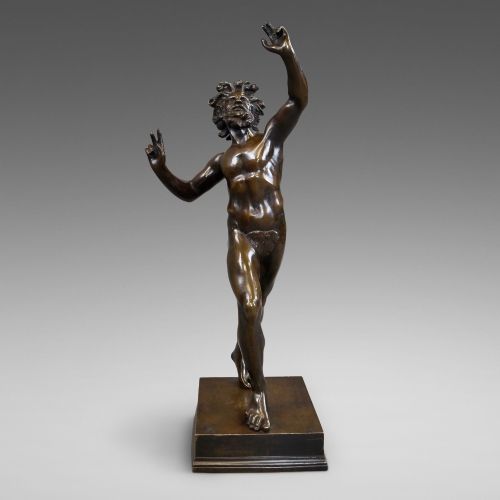
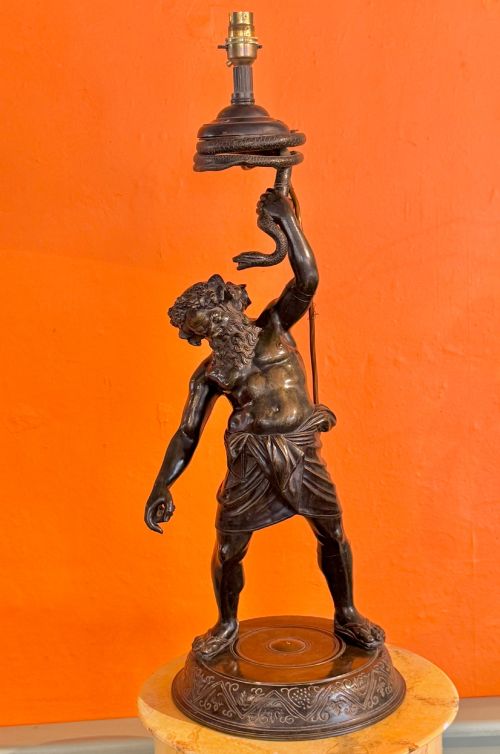
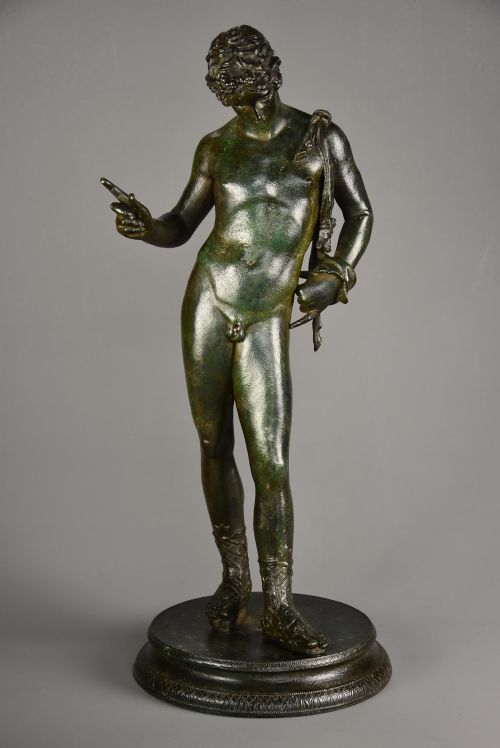
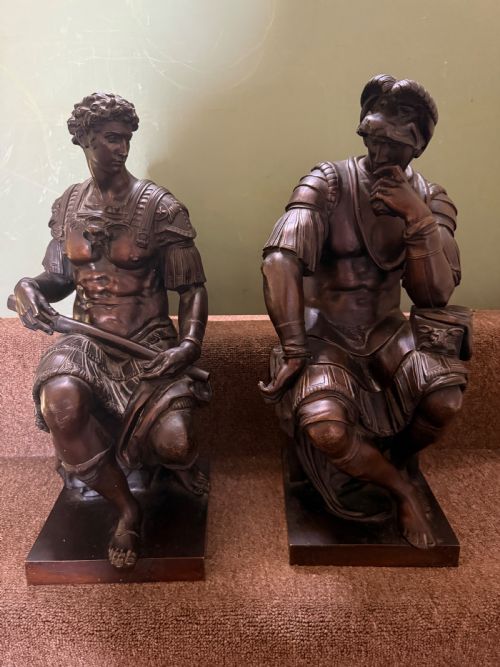
These pieces of italian classical bronze sculpture capture the enduring appeal of ancient models cast for travellers and collectors across European capitals.
Italian Classical Bronze Sculpture
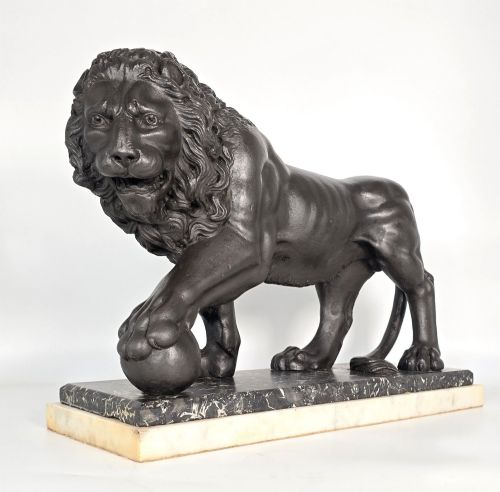
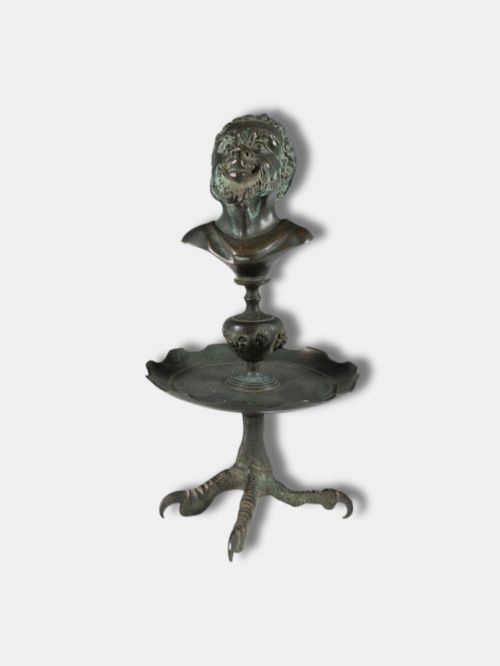
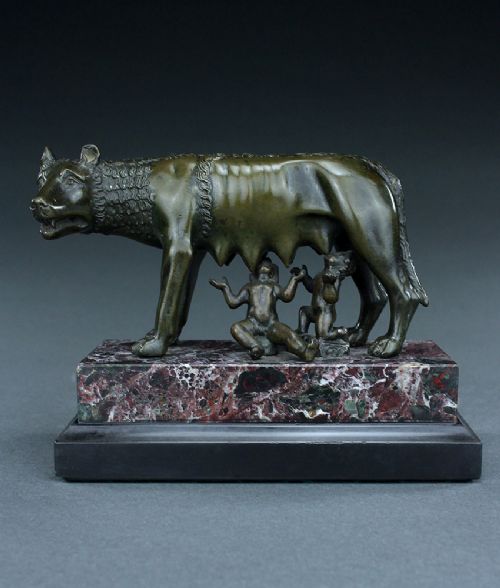
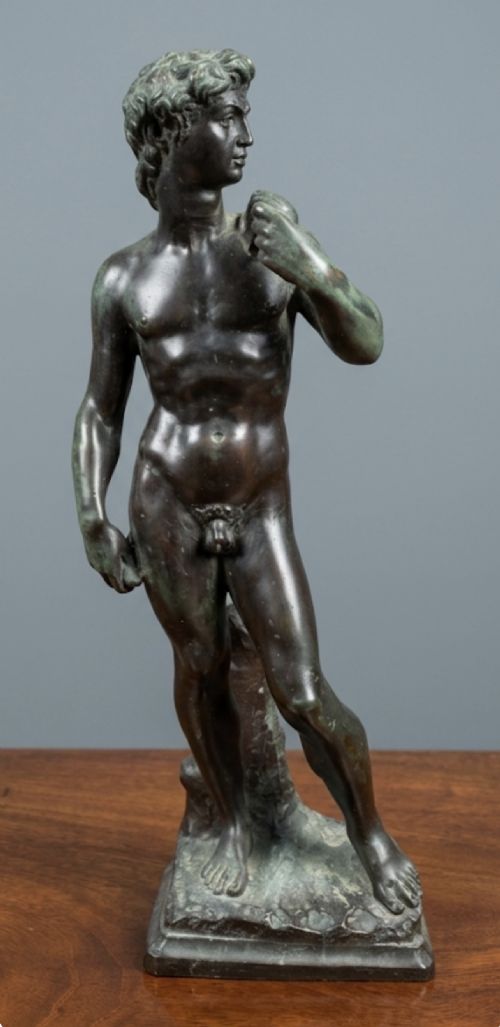
When you examine an italian classical bronze sculpture, you encounter miniature and full-scale reductions of famous antiquities alongside Renaissance masterpieces. These works were collected eagerly by travellers on educational journeys across the continent during the eighteenth and nineteenth centuries.
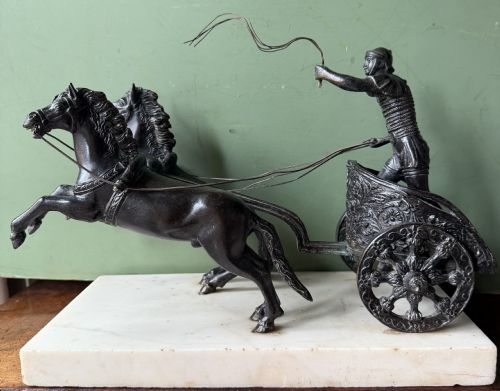
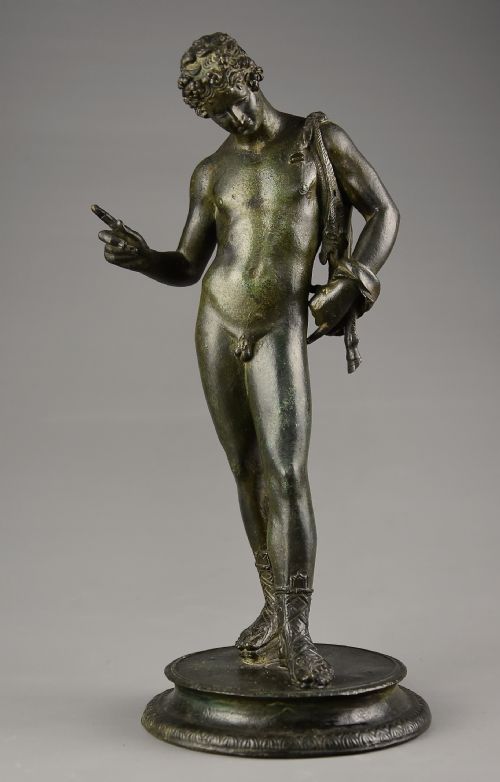
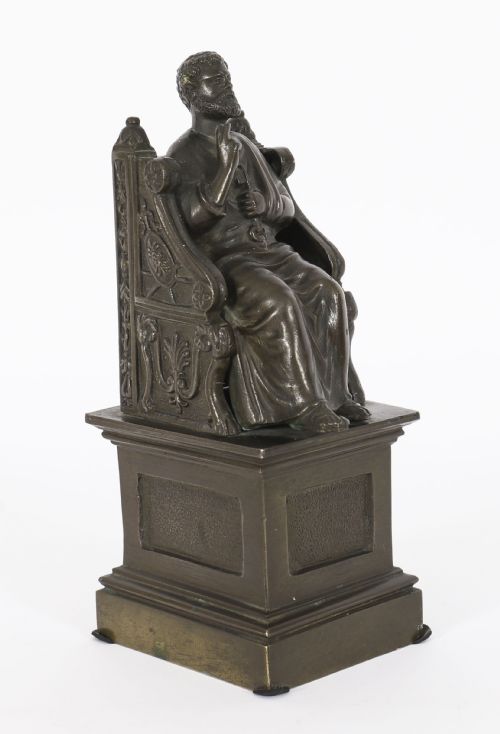
The most common examples on this page are nineteenth-century Grand Tour souvenirs cast in workshops across Naples, Rome and Florence. They replicate celebrated public monuments, museum statues and mythological figures for private display in studies and libraries.
Materials and casting methods
Foundries utilised traditional lost-wax casting techniques to capture minute details from classical prototypes. Artisans then applied chemical patination treatments directly to the warm metal surfaces to produce deep brown, green, or verdigris finishes.
Listings feature works spanning the eighteenth, nineteenth, and early twentieth centuries, utilising bronze, marble, and patinated surfaces.
Distinctions in execution
The sophistication of the patination and the density of the bronze alloy further separate casual souvenir items from masterworks. A well-executed piece demonstrates careful hand-finishing across every visible surface after the initial metal pour.
G Amodio Naples·Giuseppe Moretti·Augusto Rivalta·Vincenzo Gemito
The Italian Classical Bronze Sculpture Glossary
- Grand Tour
- An extended educational journey through continental Europe undertaken by wealthy young men during the eighteenth and nineteenth centuries. Travellers purchased bronzes and marble statues as physical mementos of this cultural pilgrimage.
- Patination
- The chemical or natural coloration applied to the surface of a bronze sculpture. Artisans used specific acids and heat to achieve shades ranging from polished golden tones to dark verdigris.
- Lost-wax casting
- A historical manufacturing method where a wax model is encased in clay, melted out, and replaced with molten bronze. This technique allowed founders to produce intricate undercut details.
- Plinth
- A heavy rectangular or circular base supporting the main sculpture. These mounts were frequently fashioned from contrasting white marble or veined alabaster.
Italian Classical Bronze Sculpture: Frequently Asked Questions
What is a Grand Tour bronze?
These bronze castings served as portable souvenirs for travellers visiting classical ruins and museums in Italy. They brought famous antiquities into private nineteenth-century homes.
Collectors prize them today for their historical association and the high standard of nineteenth-century foundry work.
How do I care for antique bronze?
Keep these sculptures away from direct sunlight and damp environments to protect the original patinated surface. Dust them gently with a dry, soft cloth.
Avoid using modern metal polishes or chemical cleaners, as these substances strip away the historical patina built up over centuries.
Why are marble bases used?
Foundries mounted bronzes on stone plinths to mimic the presentation of museum antiquities. White marble also provided a balanced weight distribution for slender figures.
These plinths frequently utilised Italian marble varieties matching the regional origin of the foundry.
How are periods identified?
Stylistic clues, mounting styles and the composition of the bronze alloy help determine the era of execution. Nineteenth-century castings often display specific patination recipes popular in Neapolitan foundries.
Signatures or foundry marks stamped into the metal provide direct confirmation of the workshop and date.