
Bronze Desk Light
A bronze desk light brings task illumination and heavy metal casting together on a working surface.
Bronze Desk Light
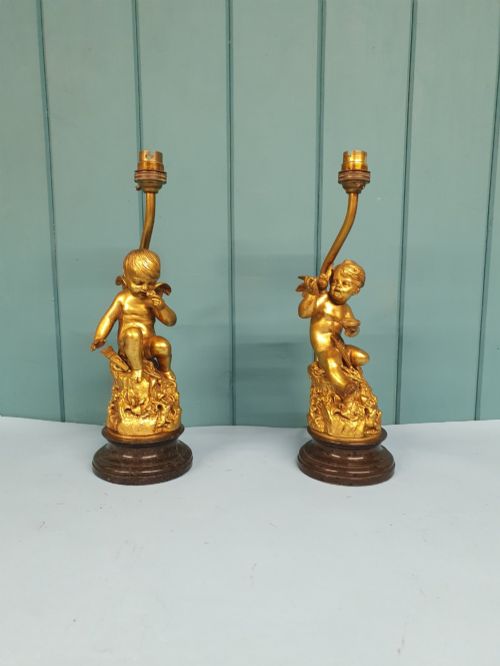
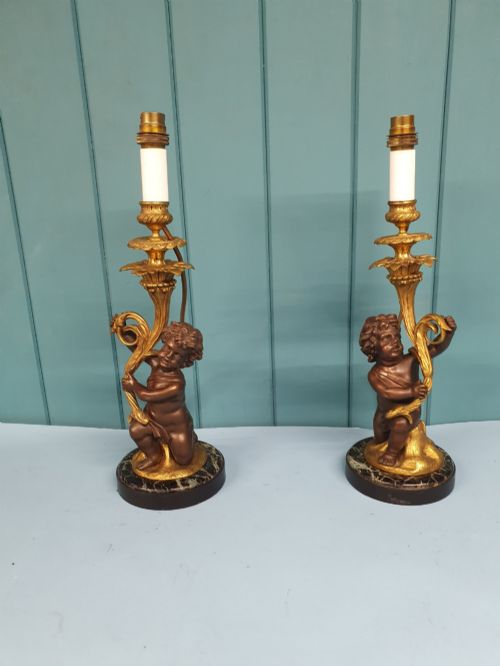
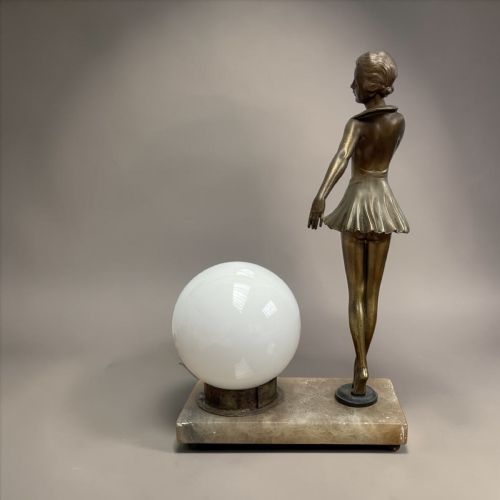
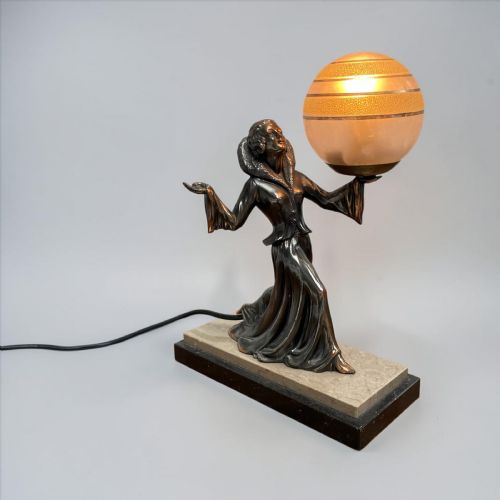
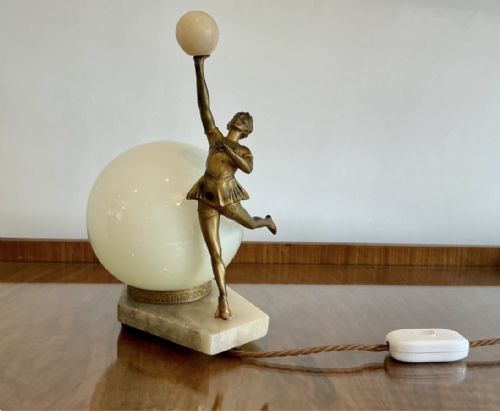
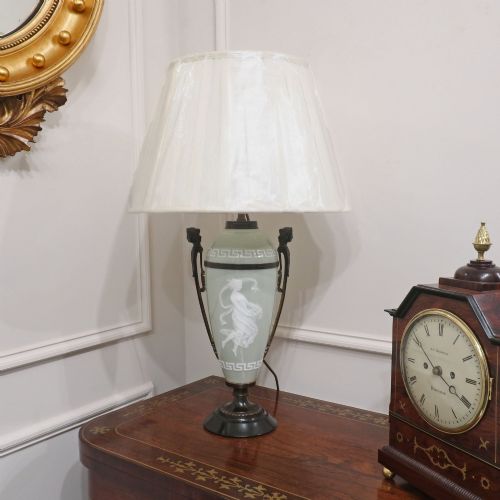
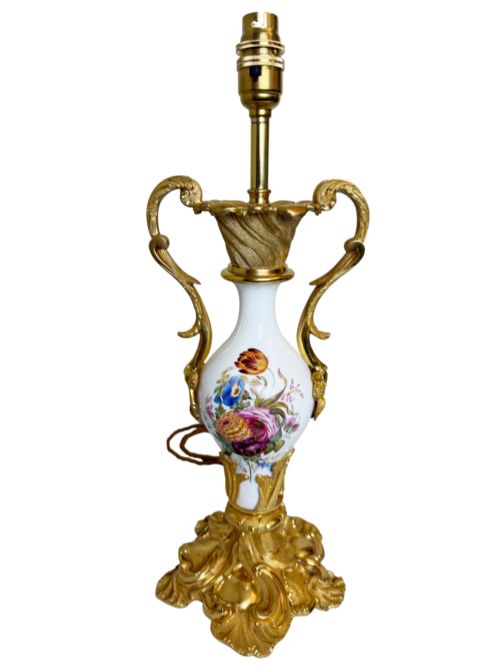
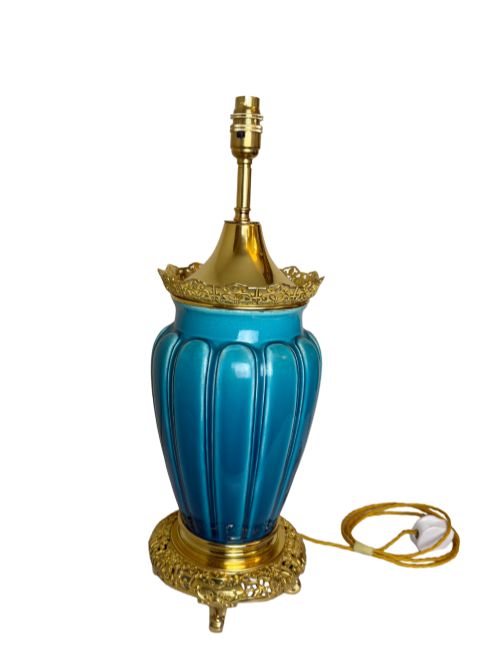
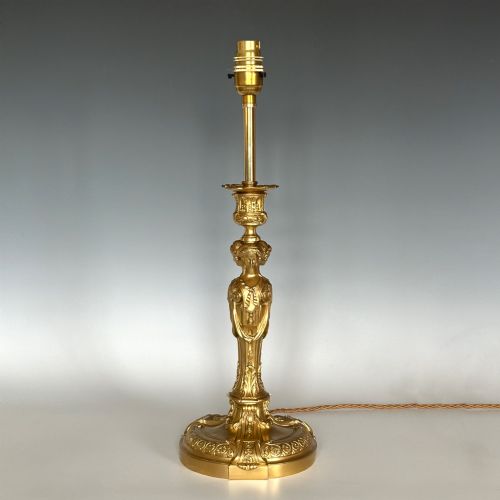
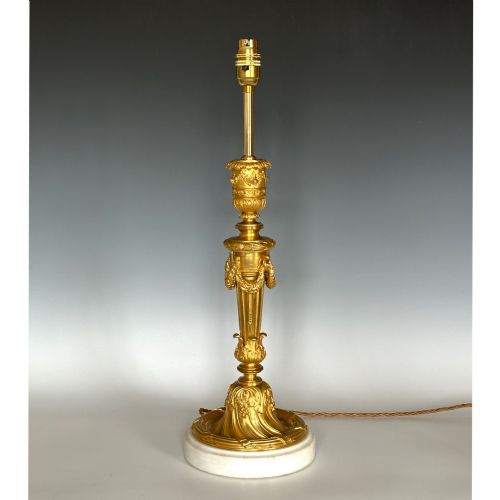
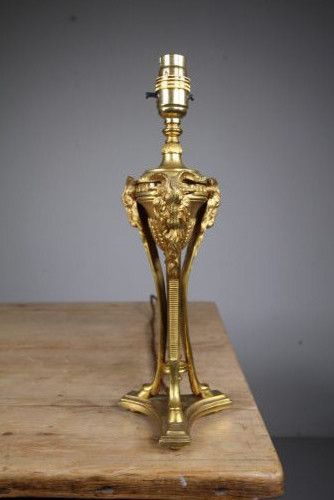
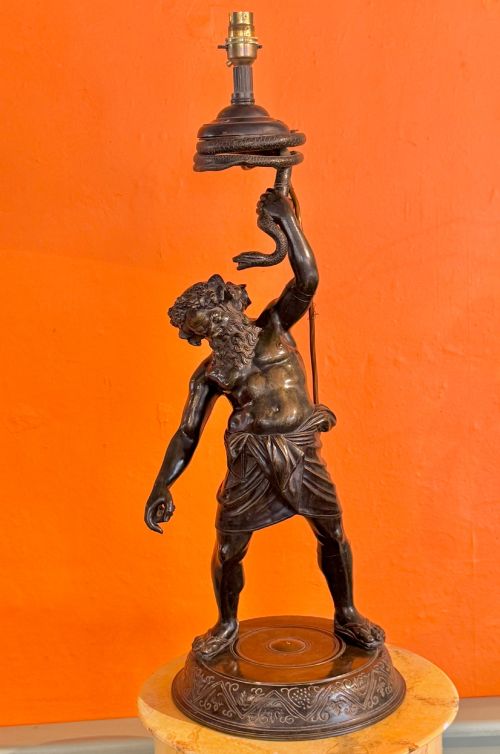
A bronze desk light stands as a functional piece of metalwork designed to illuminate a working surface. The forms seen here range from classical urns and columns to figural groups and novelty animal designs.
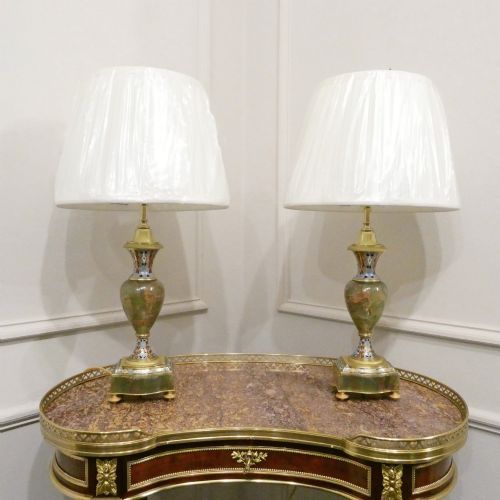
Buyers meet examples spanning the Victorian era through the early twentieth century, with French Neoclassical, Art Nouveau and Art Deco styles frequently appearing. These lamps often incorporate imported porcelain, onyx or marble alongside metal castings.
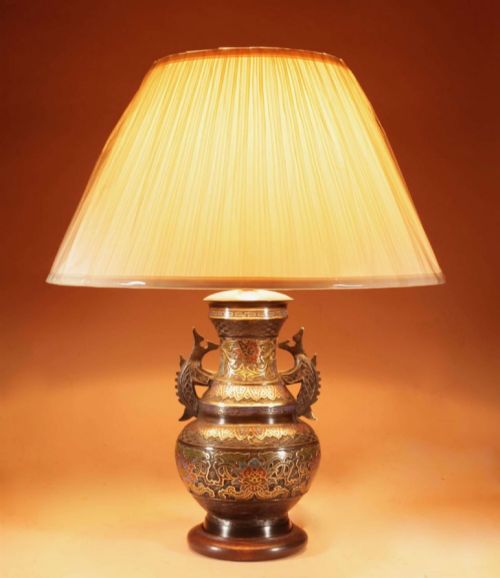
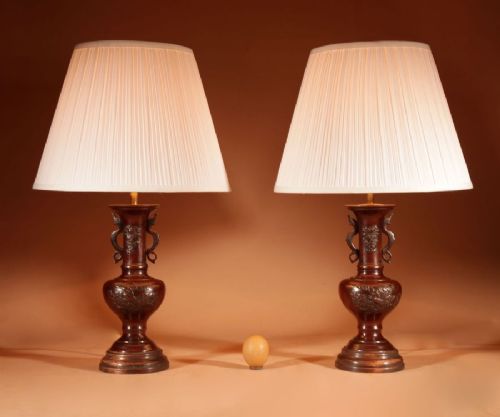
The objects frequently originate from French workshops or Japanese Meiji period metalworkers, reflecting international taste in domestic lighting. Many items adapt earlier candlesticks or decorative cassolettes into electric lamps.
How they were made
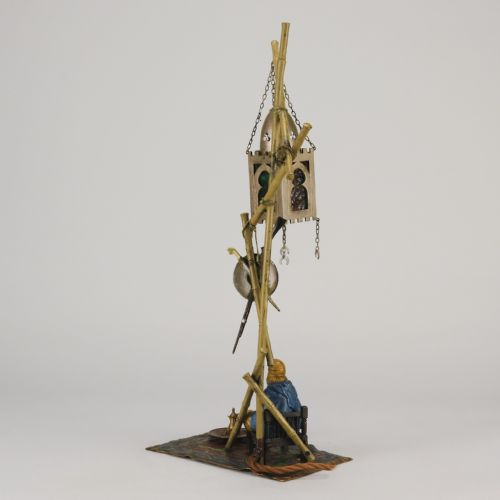
The primary structure relies on cast bronze, brass, or gilt metal, often finished with ormolu or cold-painted details. Makers combined these metals with carved marble, onyx, alabaster, and hand-glazed porcelain bodies.
Decorative surface techniques include champlevé enamelling, pate sur pate porcelain panels, and intricate floral or figural chased reliefs. Silk and fabric elements often complete the top shade assembly.
Listings feature 19th Century and Victorian pieces alongside 1920s Art Deco designs, utilising bronze, brass, marble, and silk.
What varies in quality
The crispness of the metal chasing dictates the visual success of the casting, distinguishing sharp relief work from soft or muddled surface details. Heavier gauge bronze and solid marble mounts separate substantial architectural pieces from lighter constructed alternatives.
The integration of mixed media, such as fitted porcelain inserts or hand-applied cold-painted polychromy, determines the refinement of the finished object. Finer examples retain original fire-gilding or uniform patination rather than later surface overpainting.
G Amodio Naples·Franz Bergman·L & F Moreau
The Bronze Desk Light Glossary
- Ormolu
- Gilded bronze, typically produced by applying a mercury and gold amalgam to a bronze base and heating it. This technique creates a durable golden finish seen on French decorative objects.
- Champlevé
- An enamelling technique where troughs are dug into a metal surface and filled with vitreous enamel powder before firing. The surrounding metal lines separate the coloured glassy areas.
- Cassolette
- A decorative vessel shaped like a vase or urn with a reversible lid that functions either as an incense burner or a solid vase. Many nineteenth-century examples are converted to hold lamp fittings.
- Patinated
- A processed or aged surface colour on metal created by chemical application or natural oxidation. It deepens the tone of bronze and brass castings.
- Pate sur pate
- A ceramic decorating method where successive layers of liquid white porcelain slip are painted onto a contrasting coloured clay body. This builds up a low relief cameo effect before glazing.
Bronze Desk Light: Frequently Asked Questions
How do I date a bronze desk light?
Dating relies on stylistic clues like Art Nouveau curves or Neoclassical symmetry, alongside the manufacturing techniques visible in the metal casting. Material combinations such as specific marble types or porcelain inserts also point to distinct decades.
Examining the internal wiring fittings and base construction helps narrow down whether a piece originates from the nineteenth century or the interwar period.
Are these lamps converted from older items?
Many desk lights and table lamps originate as nineteenth-century candlesticks, urns, or inkwells that received electrical fittings at a later date. This adaptive reuse was common practice for decorative bronze and ormolu pieces.
Buyers should inspect the base and stem for drilled channels and threaded fittings that indicate when the conversion took place.
How do I clean a bronze desk light?
Maintenance requires only gentle dusting with a soft, dry cloth to prevent dirt accumulation in the recessed areas of the chasing. Water and chemical polishes should be avoided to protect the original patination or gilt surface.
Preserving the aged skin of the metal maintains the historical character and visual depth intended by the maker.
What styles are common in these lamps?
French styles dominate the selection, particularly Louis XVI, Empire, and Rococo Revival designs featuring classical motifs like rams heads and acanthus leaves. Art Deco and Art Nouveau examples introduce cleaner geometric lines or flowing organic shapes.
Japanese Meiji period bronzes also feature prominently, bringing dragon and lantern motifs into nineteenth-century interiors.