
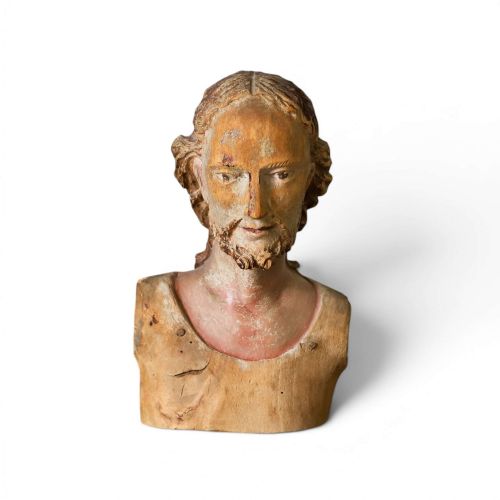
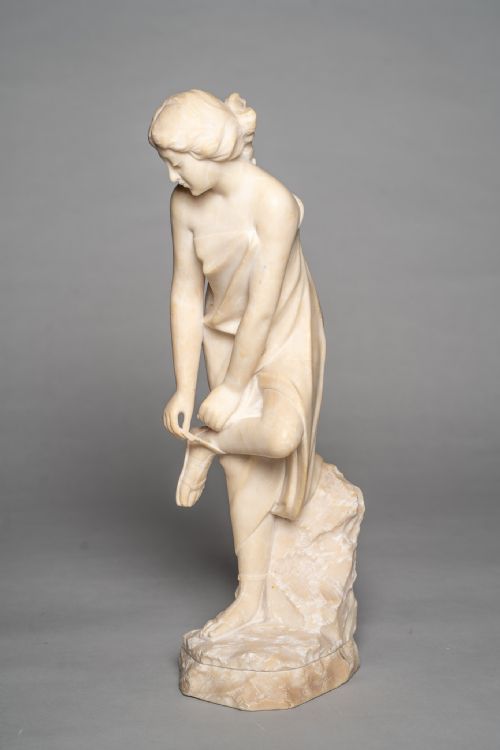

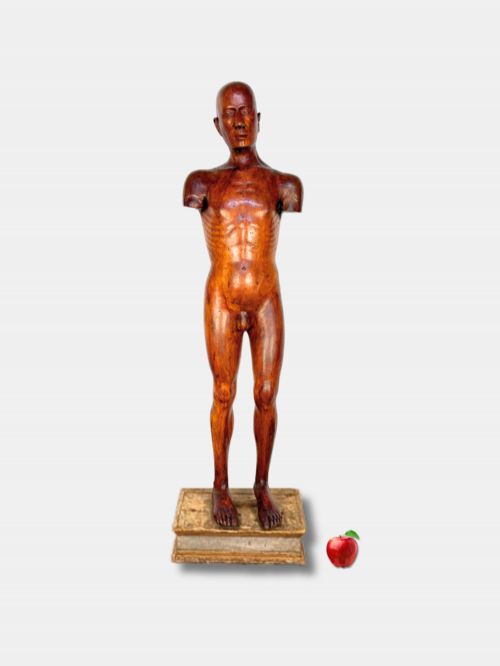
Italian Carved Statue
An italian carved statue brings classical sculpture, grand tour figures and religious carvings into domestic rooms with exceptional craft.
Italian Carved Statue
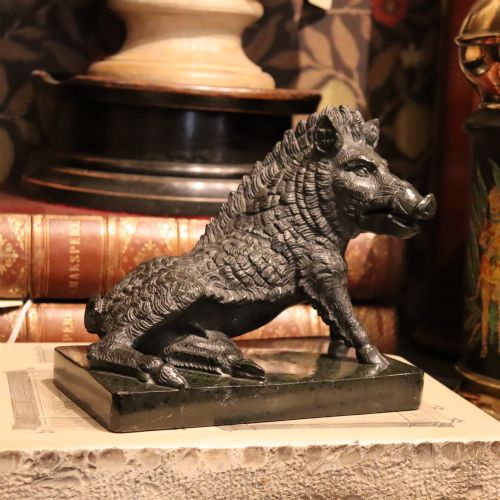
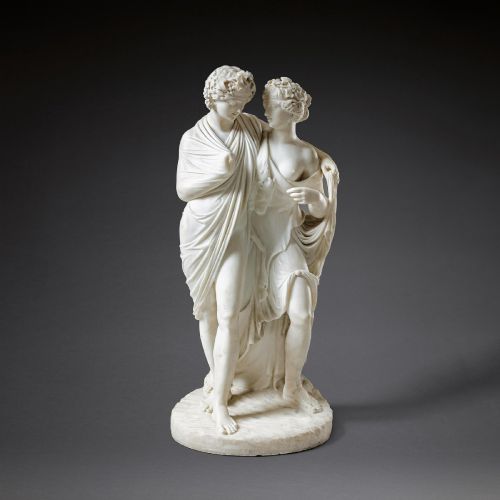
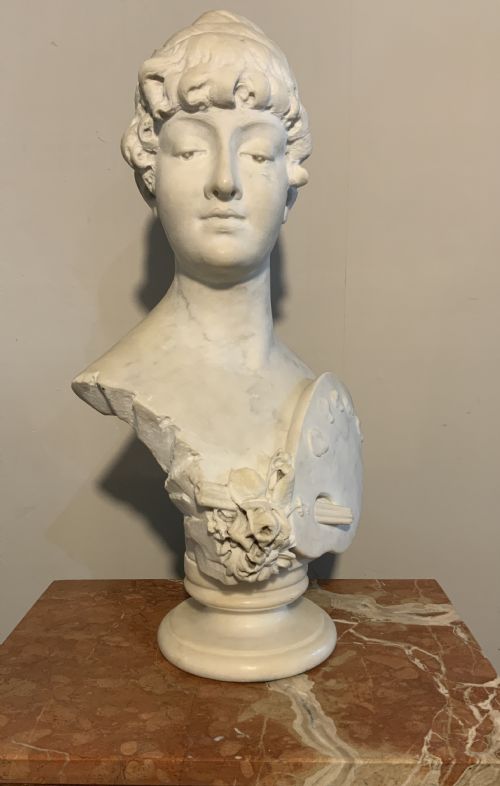
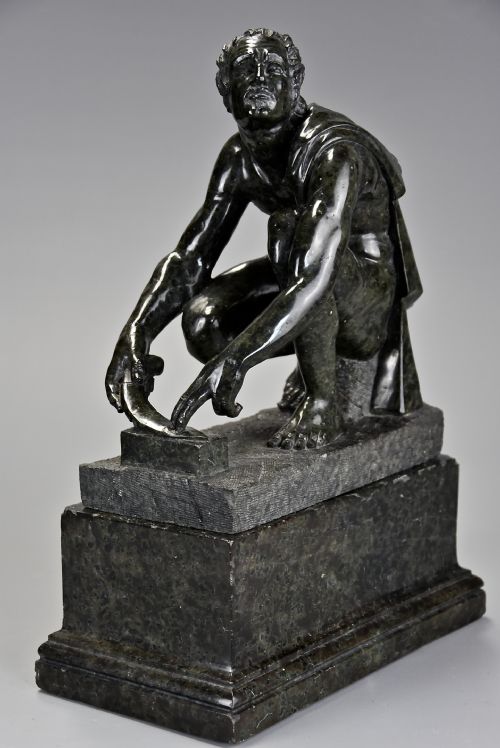
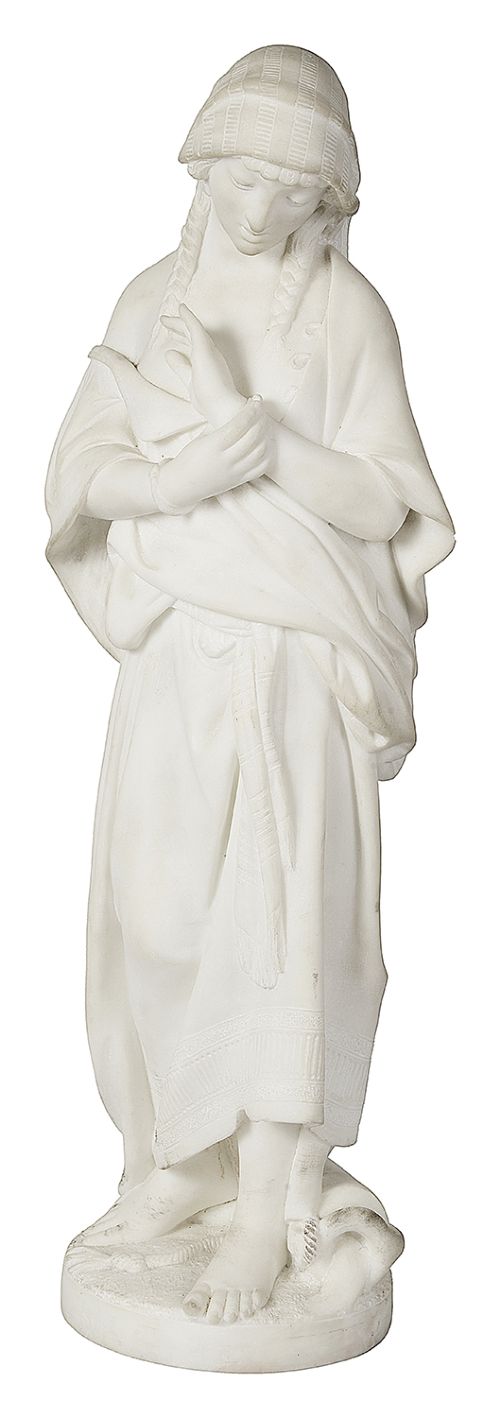
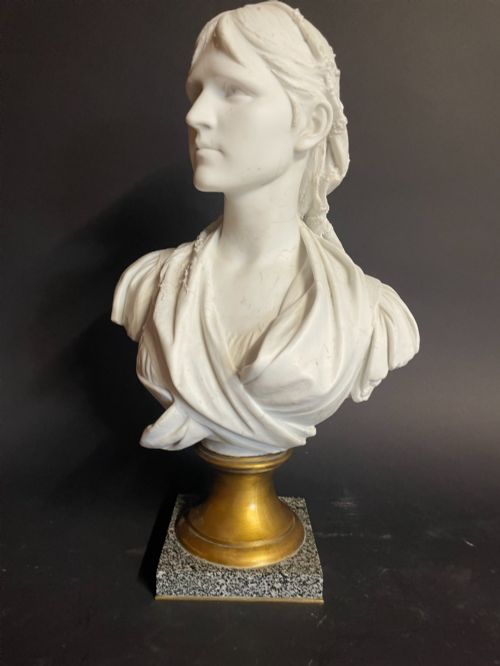
An italian carved statue encompasses a broad range of sculptural works, from classical mythological figures and grand tour reductions to religious saints and decorative busts. Buyers encounter pieces carved from solid blocks of stone or shaped from timber, originating from workshops across Italy over several centuries.
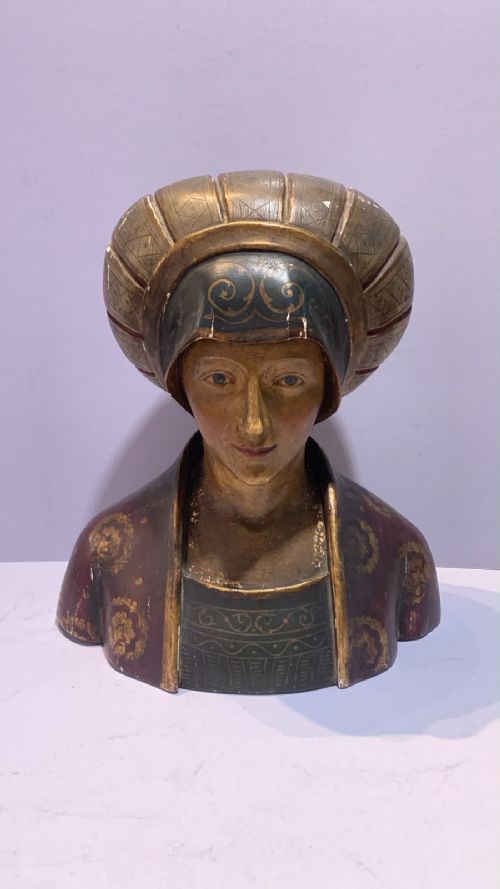
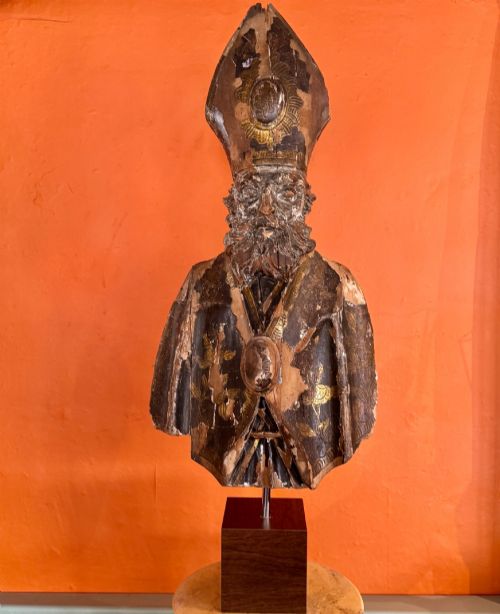
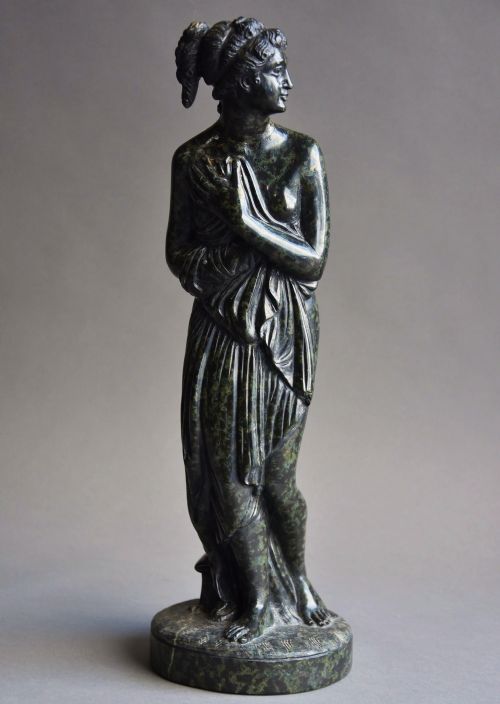
The selections on this page lean heavily towards nineteenth-century productions, including neoclassical interpretations of antiquity and decorative figures associated with the grand tour. Alongside these stone pieces, buyers find ecclesiastical wooden figures, carved angels and polychrome household statues originating from regions such as Venice, Florence and Sicily.
Materials and Methods
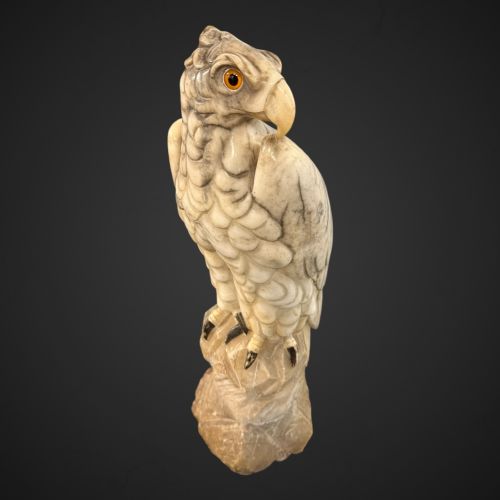
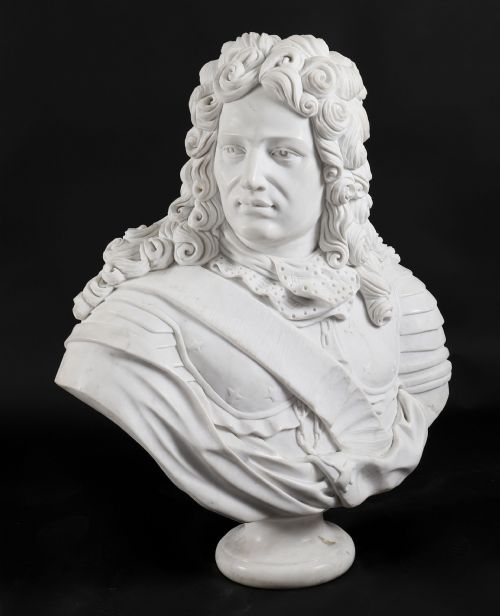
Makers utilised various stones, most notably white Carrara marble, veined specimens, serpentine and translucent alabaster, shaping them with chisels, rasps and hand drills. These stone figures often received extensive hand-polishing to replicate the finish of classical antiquities or to highlight the natural grain of the material.
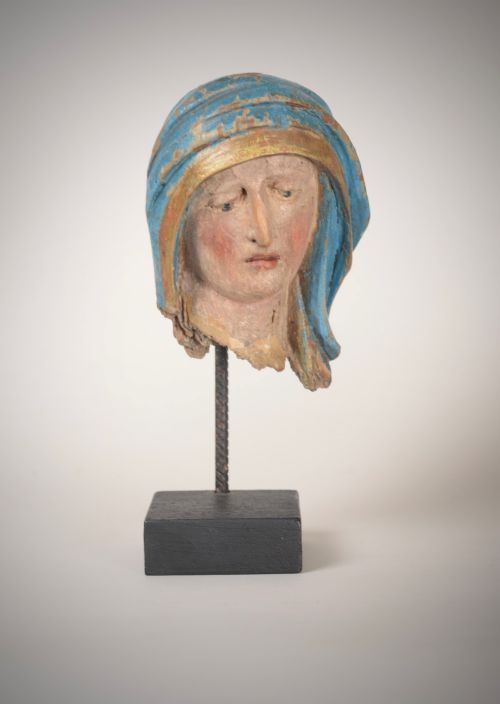
Wooden examples relied on timbers such as olive wood, pine or fruitwood, frequently finished with gesso layers, oil paint and gold leaf for polychrome ecclesiastical pieces. Artisans carved these woods from single blocks or assembled multi-part figures for processional use and church altars.
The listings on this page span the seventeenth, eighteenth, nineteenth and twentieth centuries, incorporating both stone and carved wood.
Distinctions in Quality
The standard of carving in stone relies on the crispness of anatomical detail, the depth of undercut drapery and the fidelity of the expression to classical prototypes. Superior marble and alabaster sculptures demonstrate precise hand-chiselling that preserves subtle muscle tension and facial character without relying on mechanical smoothing.
Carlo Albacini·Antonio Canova·Valentino Besarel·R. Mattei·A. Gamay·Barranti
The Italian Carved Statue Glossary
- Grand Tour
- A cultural trip undertaken by wealthy young Europeans in the eighteenth and nineteenth centuries to study classical art. Sculptures from this tradition are smaller reductions or copies of famous antiquities.
- Carrara Marble
- A type of white or blue-grey marble quarried in the city of Carrara in Tuscany. Sculptors prized this stone for its fine grain and consistent texture.
- Polychrome
- The practice of decorating architectural elements, sculpture or pottery in a variety of colours. In these listings, it refers to wood and gesso figures retaining their original painted finishes.
- Serpentine
- A group of green silicate minerals often used as a decorative stone in sculpture and architectural inlays. Its mottled appearance resembles snakeskin.
- Gesso
- A paint mixture consisting of a neutral binder mixed with chalk, gypsum or pigment. It served as a smooth preparation layer for gilding and painting wooden carvings.
Italian Carved Statue: Frequently Asked Questions
What is a grand tour statue?
Grand tour statues are decorative sculptures created in Italy during the eighteenth and nineteenth centuries for travellers visiting classical sites. These pieces were often reductions of famous ancient Greek and Roman works.
Craftsmen produced them in marble, alabaster and serpentine to serve as portable souvenirs for collectors across Europe.
How do you clean antique marble?
Cleaning antique marble requires minimal intervention to protect the soft surface and historic patina. Dusting with a dry, soft cloth is usually sufficient for regular maintenance.
Harsh chemical cleaners and abrasive scrubbing must be avoided because they dissolve the polish and damage the stone.
What are Santos figures?
Santos figures are carved wooden statues of saints, angels or religious figures created for devotional use in churches and homes. Many originated in Italy and Spain during the seventeenth and eighteenth centuries.
These pieces often feature articulated limbs for dressing in fabric vestments and retain traces of original gesso and paint.