


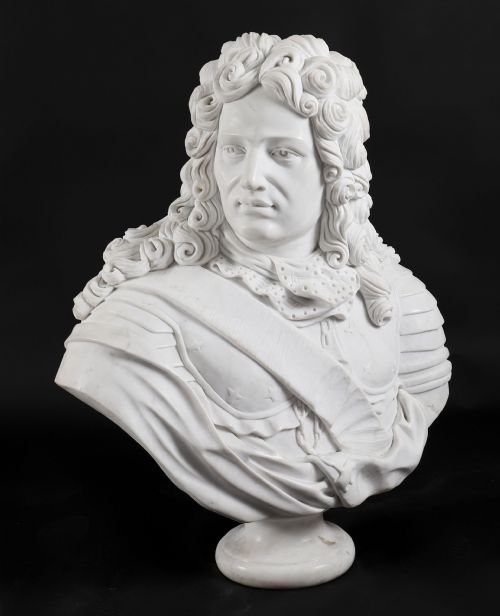


Italian Baroque Statue
An italian baroque statue brings profound religious theatre and sculptural drama into a room, prized for dynamic movement and rich surface ornament.
Italian Baroque Statue
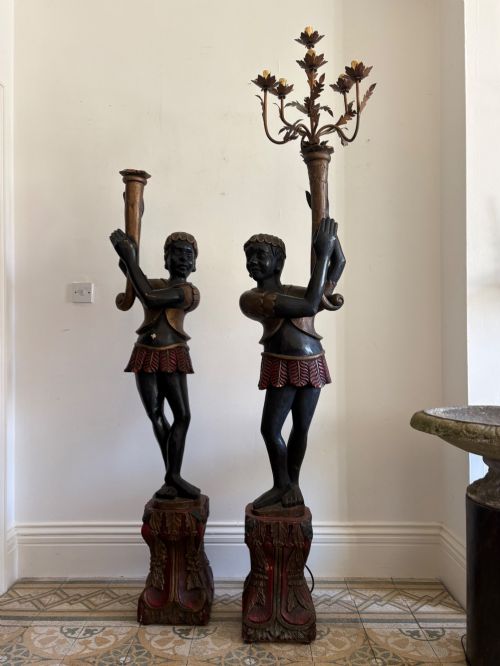
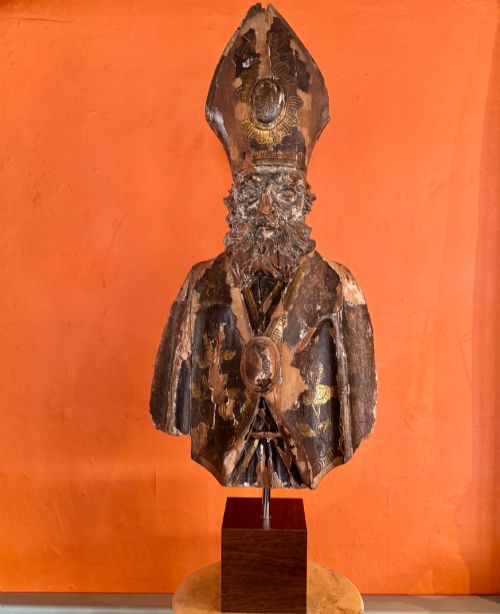
An italian baroque statue encompasses carved devotional figures, architectural fragments, and secular classical subjects originating from Italian workshops across the seventeenth and eighteenth centuries, alongside later revival pieces. Buyers encounter ecclesiastical busts of bishops, cherubic figures on clouds, putti, and mythical animals like marble lions, reflecting the theatricality of the period.
The selections span from seventeenth-century fragments and marble heads to eighteenth-century olive wood sculptures and nineteenth-century revival fire dogs and altarpiece angels. Forms range from freestanding figures and portrait busts to shrines, reliquaries, and architectural adornments.
Venetian and Sicilian origins appear alongside general Italian provenance, showing regional variations in subject matter and surface treatment. These pieces capture the emotional intensity and grandeur characteristic of Italian baroque and its subsequent nineteenth-century revivals.
Materials and Construction
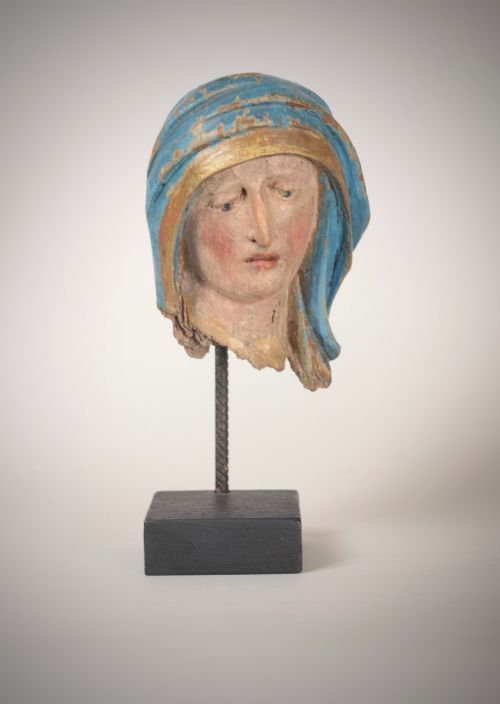
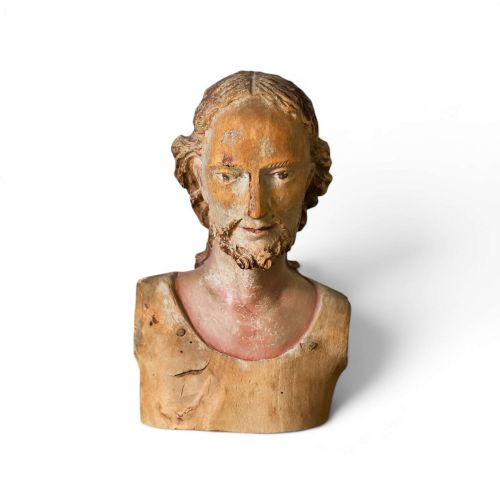
Carved wood serves as the primary substrate for many figures, frequently enhanced with gesso, gold leaf, and polychrome paint to create rich, textured surfaces on subjects like bishops, cherubs, and putti. Olive wood and general carved timber provide the foundation for intricate sculptural detailing on devotional heads and altarpiece elements.
Marble and bronze form the medium for classical and monumental works, seen in antique busts of noblemen and sculptural representations of figures like Juno and lions. Gilt-wood and silvered finishes add reflective brilliance to shrines and ceremonial carvings, combining carpentry and surface decoration.
Italian Baroque Statue Retail Price Guide 2026
Typical asking prices for italian baroque statue among the pieces listed under this phrase on Sellingantiques today, from the lower quarter to the upper quarter. They describe what is for sale here now, not the wider market.
Listings feature periods spanning the seventeenth century through to the mid-twentieth century, including Victorian revival interpretations.
Evaluating Quality and Execution
The vitality of the carving separates exceptional sculptural work from routine production, visible in the naturalistic rendering of drapery, musculature, and facial expression. Dynamic posture and anatomical conviction distinguish superior seventeenth-century pieces and their later revivals from stiffer iterations.
The integrity of original surface treatments - whether aged polychrome paint, gold leaf, or silvering over wood and gesso - defines the visual impact of an italian baroque statue. Original gilding and untouched polychromy retain historical depth that later repainting obscures.
The Italian Baroque Statue Glossary
- Polychrome
- Decoration in multiple colours applied to wood, stone, or plaster sculpture. This technique brings lifelike realism to religious figures and putti.
- Gesso
- A plaster mixture applied to wood surfaces as a smooth base for gilding and painting. It allows intricate fine details to be built up before the application of gold leaf.
- Putto
- A figure of a small chubby infant, often winged, common in baroque art. These decorative motifs add theatrical movement and charm to altarpieces and shrines.
- Shrine
- An enclosure or architectural structure housing a sacred object or relic. These devotional pieces often feature carved and gilded woodwork framing a central sculpture.
- Fire Dogs
- Ornamental irons supporting logs in a fireplace, often topped with decorative sculptural figures. In baroque contexts, these pairs display cast bronze or carved ornament.
Italian Baroque Statue: Frequently Asked Questions
What defines an italian baroque statue?
An italian baroque statue is characterised by theatrical movement, emotional intensity, and dramatic drapery, spanning religious subjects like bishops and putti as well as classical marble figures.
These sculptures date primarily from the seventeenth and eighteenth centuries, with later nineteenth-century revival pieces also appearing in the category.
Where were these statues placed?
Original pieces frequently served within churches, private chapels, and grand palazzos as devotional objects, altarpiece elements, or architectural adornments.
Today, collectors place them on stands, mantelpieces, or dedicated brackets where their carved details and polychrome surfaces can be appreciated.
How do I care for wooden polychrome pieces?
Wooden sculptures with gesso and polychrome paint require stable indoor humidity and protection from direct sunlight to prevent paint flaking and wood movement.
Dusting should be done gently with a soft, dry brush, avoiding liquid cleaners or harsh chemicals that damage historical surfaces.
How are seventeenth and nineteenth-century pieces told apart?
Seventeenth-century works display the immediate energetic carving conventions and wear patterns of the period, often seen in fragments and devotional olive wood heads.
Nineteenth-century revival pieces frequently adopt historic styles with distinct tool marks and construction methods characteristic of later historical revivals.