


Italian Baroque Religious Art
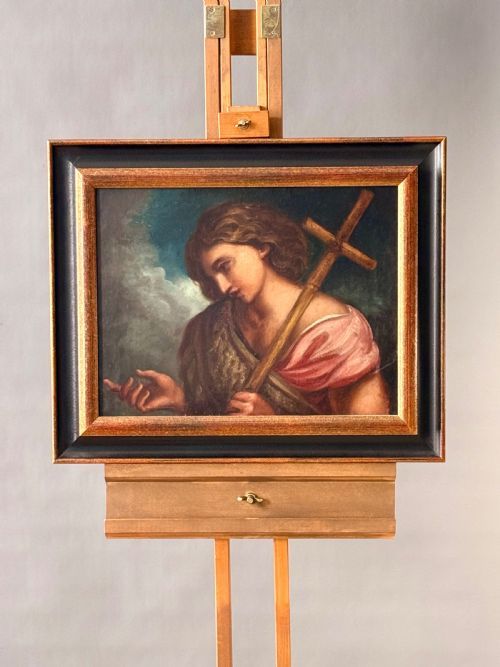
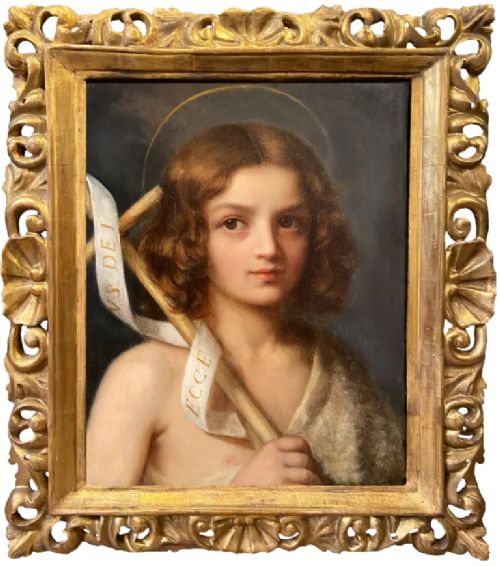
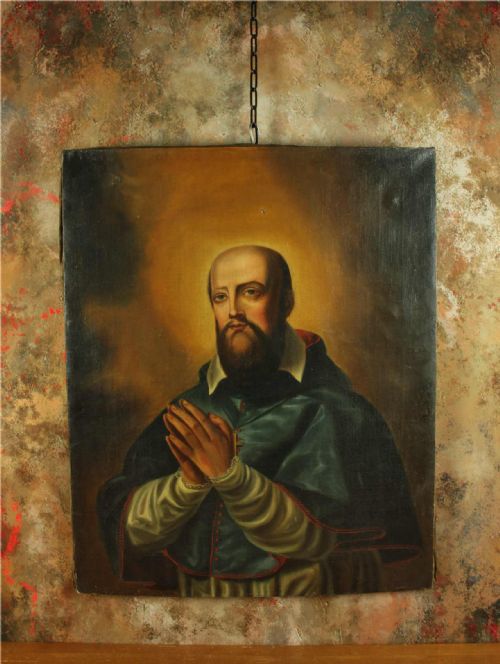
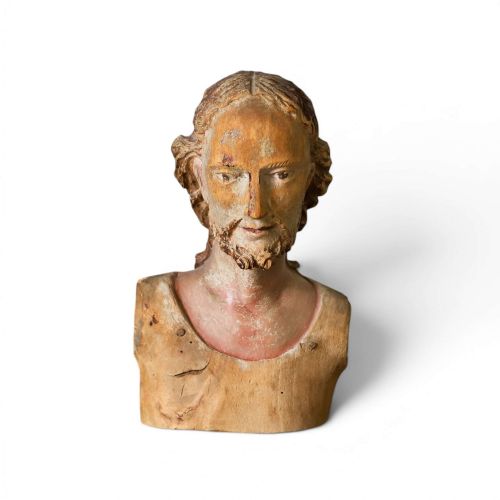
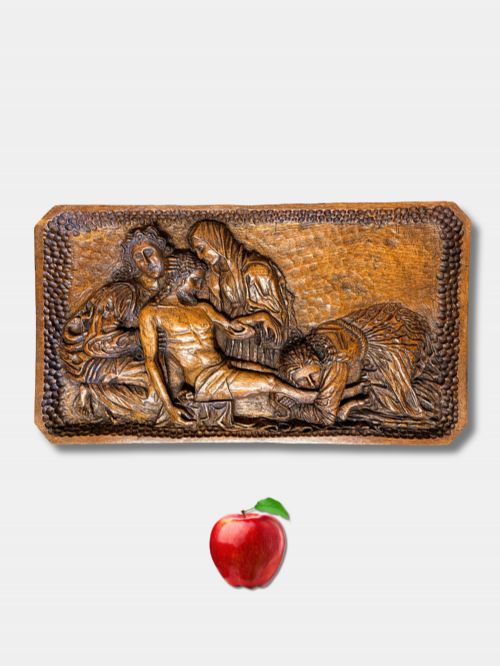
These pieces of italian baroque religious art bring deep narrative and rich devotional presence straight into a room through centuries-old oil paintings and carved wood figures.
Italian Baroque Religious Art
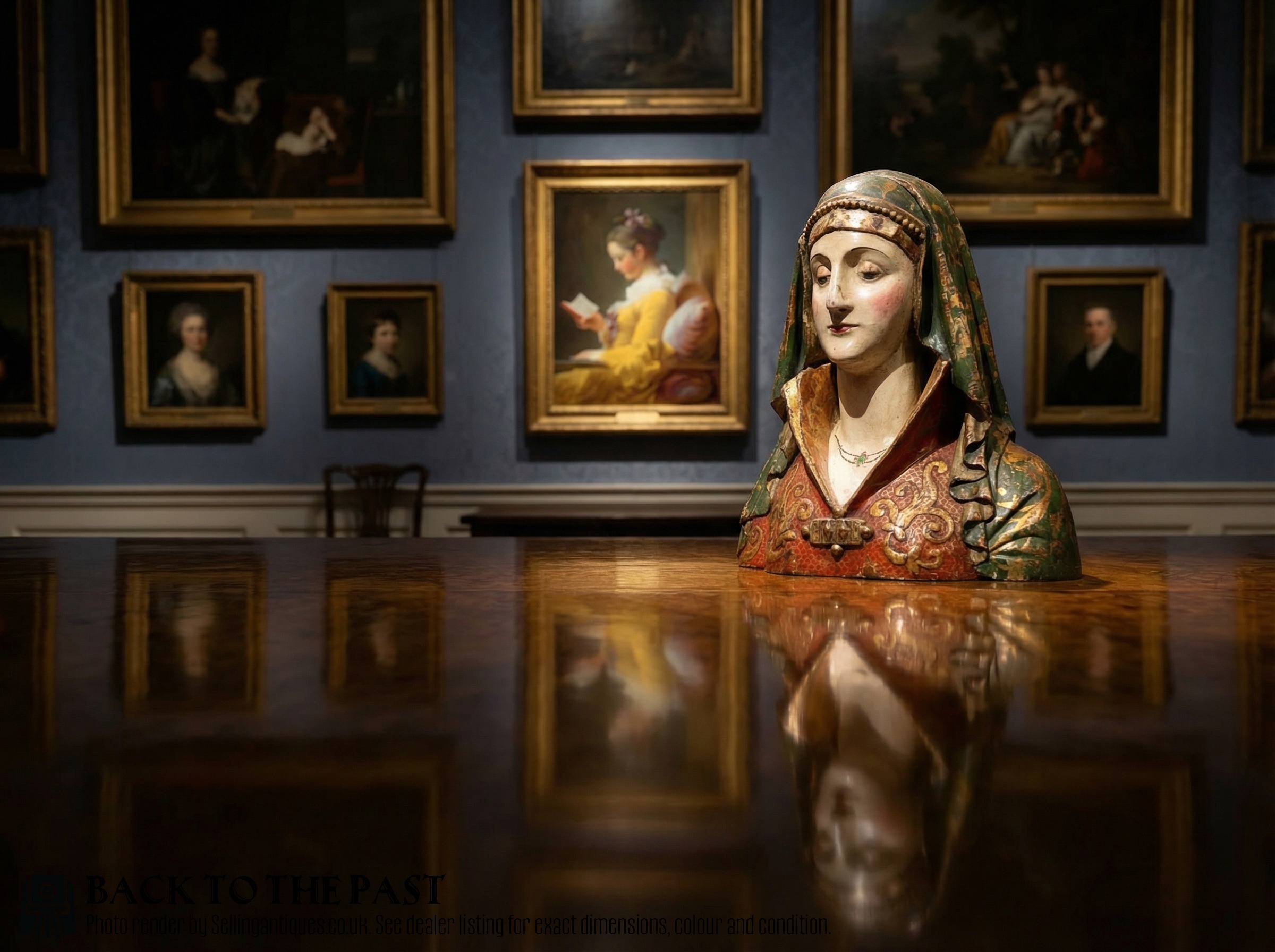
Italian baroque religious art centres on dramatic sacred narratives, devotional portraits, and ecclesiastical figures executed across the seventeenth and eighteenth centuries, with occasional nineteenth-century interpretations and Renaissance styles also appearing. The selection includes fine oil paintings on canvas and wood panels alongside carved wooden sculptures, ecclesiastical busts, and giltwood frames.
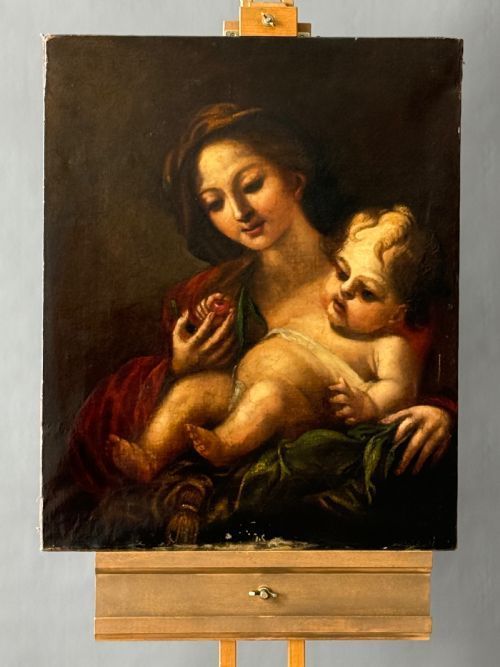
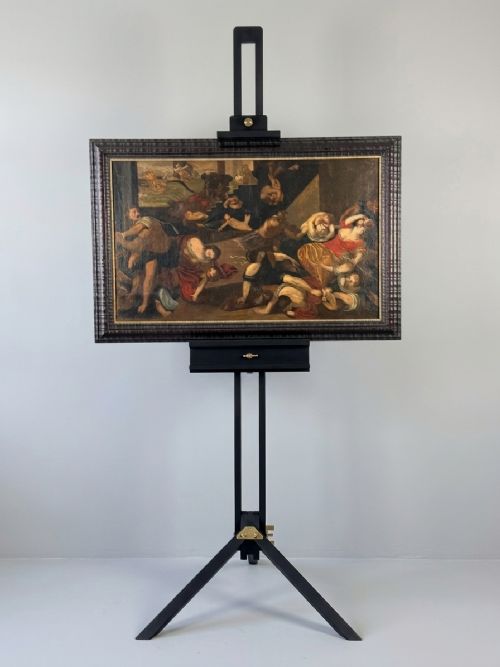
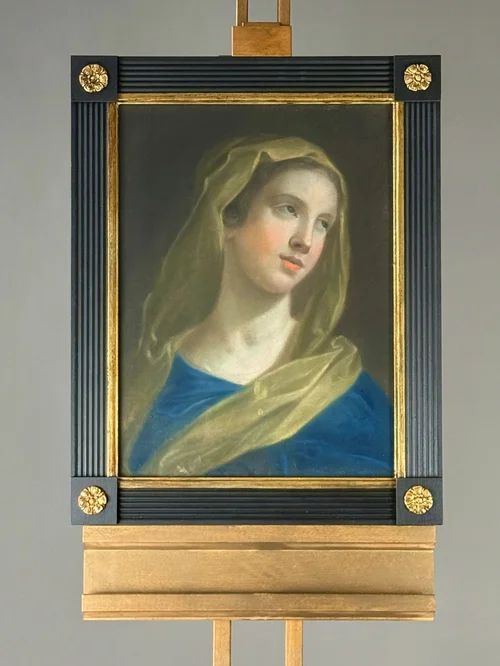
Buyers looking through this phrase encounter works attributed to regional schools such as the Venetian, Veronese, Genoese, and Emilian traditions, as well as miniatures, panels, and large-scale canvases. Subjects range from the Madonna and Child to biblical scenes like the Massacre of the Innocents and the Lamentation of Christ.
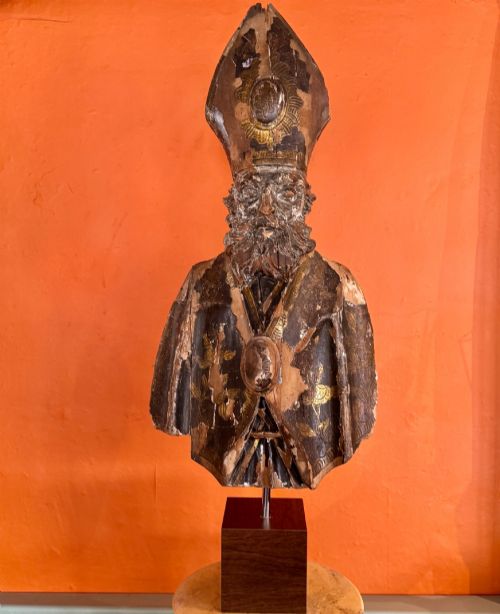
The most common formats on show are oil paintings on canvas depicting saints and biblical events, accompanied by carved wood sculptures and polychrome wooden busts of bishops, saints, and Christ. Pieces frequently display the dramatic contrast of light and shadow characteristic of the period.
Materials and construction
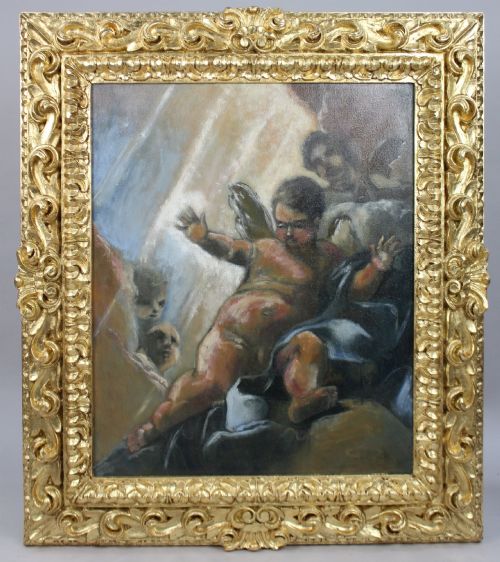
Painters utilised oil paint on canvas, fruitwood panels, and chestnut panels, often building up rich pigments and glazes to achieve deep chiaroscuro effects. Canvases are frequently housed within carved giltwood frames that complement the ornate visual language of the works.
Sculptural pieces and ecclesiastical busts involve carved wood, olive wood, and fruitwood, sometimes enhanced with gesso and polychrome finishes. Makers shaped these materials to capture expressive facial details and flowing drapery suited to devotional settings.
Materials across the listings include oil on canvas, carved giltwood, gesso, fruitwood panels, and chestnut wood.
Judging the work
The preservation of the original surface, whether oil on canvas or polychrome wood, dictates the visual impact. Works that retain their original carved giltwood frames or untouched panel surfaces command greater attention from collectors.
Benedetto Luti·Francesco Solimena·Gian Lorenzo Bertolotto·Guido Reni·Antonio Tempesta·Pietro D’asaro·Orsola Maddalena Caccia·Pompeo Batoni
The Italian Baroque Religious Art Glossary
- Chiaroscuro
- The strong contrast between light and dark used to give dramatic volume to figures in paintings. This technique defines much of the visual drama found in seventeenth-century works.
- Gesso
- A plaster mix applied to wood panels or frames to prepare a smooth surface for painting or gilding. It provides a stable base for fine surface detailing.
- Polychrome
- Decorated in a variety of colours, typically applied to carved wooden sculptures and busts. This finish brings a lifelike quality to religious figures.
- Old Master
- A term for a European artist of skill who worked before about eighteen hundred. These paintings form the backbone of the available canvases.
Italian Baroque Religious Art: Frequently Asked Questions
What subjects appear in italian baroque religious art?
Paintings and carvings typically depict biblical scenes, saints, and devotional figures like the Madonna and Child, Mary Magdalene, and various bishops.
Narrative works such as the Lamentation of Christ or the Massacre of the Innocents also feature prominently across the canvas and panel pieces.
How do seventeenth and eighteenth-century works differ?
Seventeenth-century pieces often embrace intense chiaroscuro and dramatic theatricality, reflecting the height of the Baroque movement.
Eighteenth-century examples sometimes introduce softer palettes and more delicate compositions, though devotional gravity remains central.
Where were these carved wooden sculptures placed originally?
Ecclesiastical busts and wooden saints were created for churches, chapels, and private devotional spaces within Italy.
They served as focal points for prayer and commemoration, often commissioned by wealthy patrons or religious institutions.
How should I care for old master oil paintings?
Keep paintings away from direct sunlight and maintain stable room humidity to protect both the canvas and the wooden stretcher bars.
Avoid using liquid cleaners on the painted surface and consult a professional restorer for any conservation needs.