
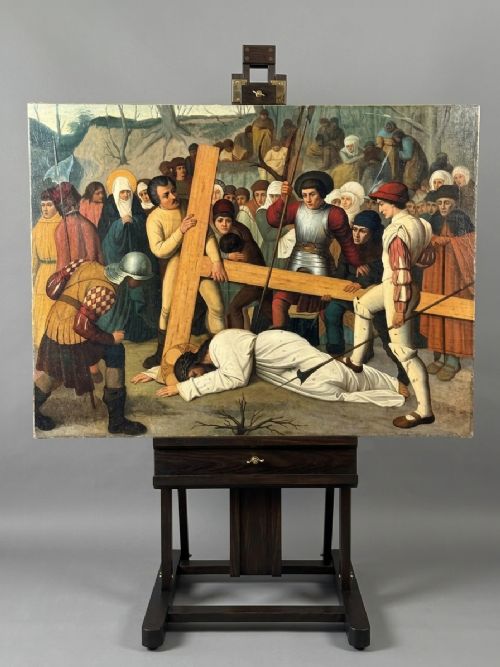
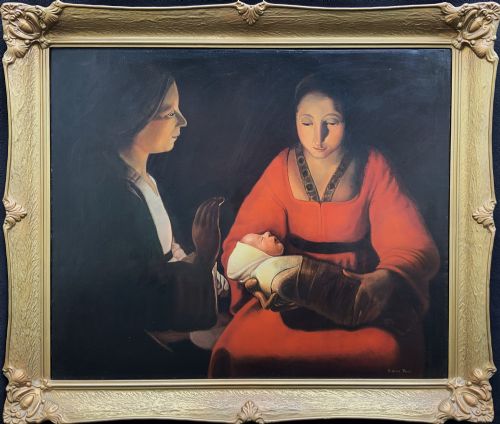
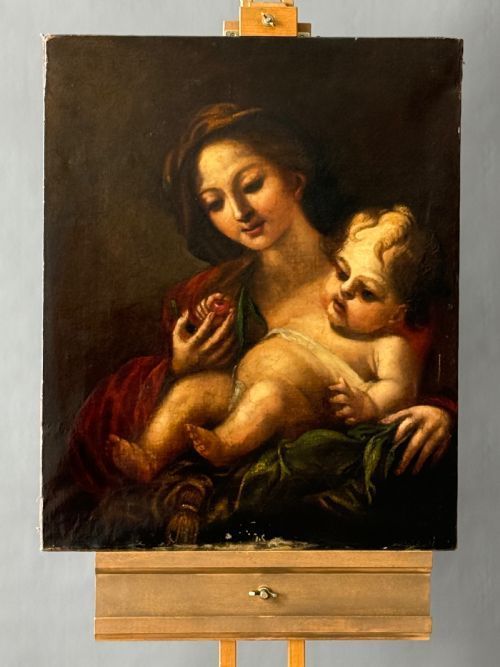
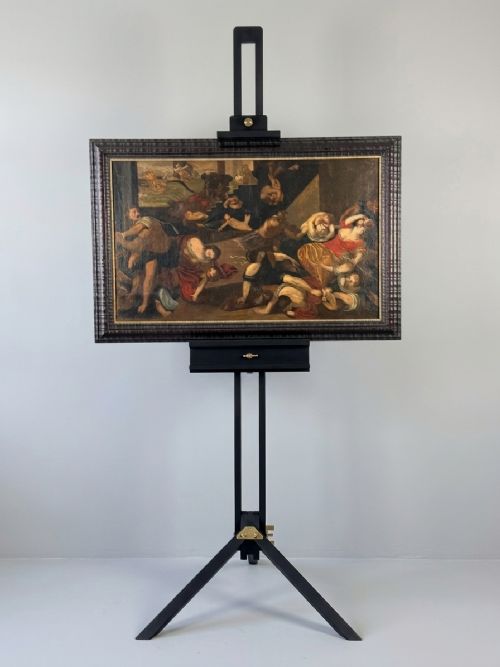
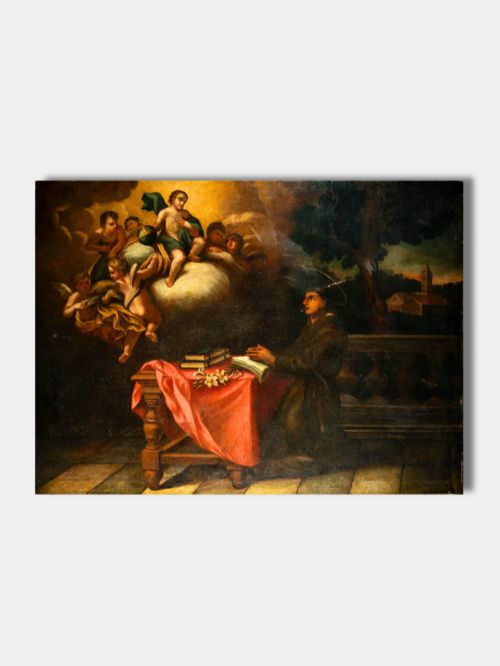
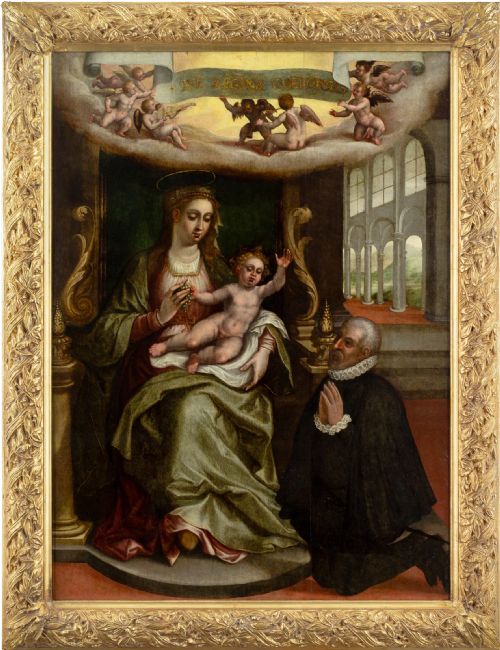
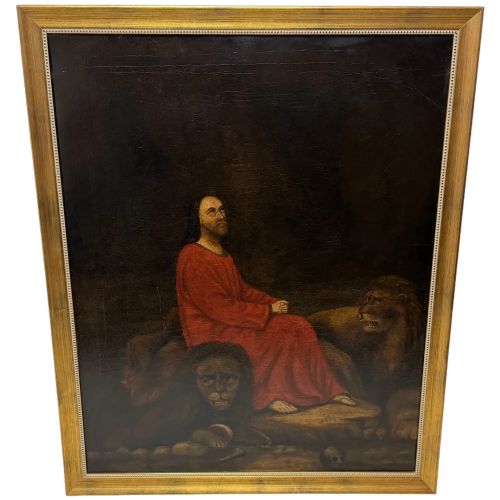

Canvas Religious Painting
When you search for a canvas antique religious painting, you encounter centuries of devotional imagery rendered in oils and tempera.
Canvas Religious Painting
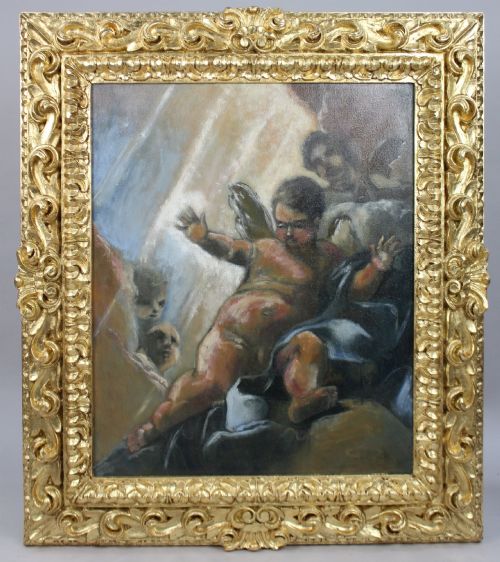
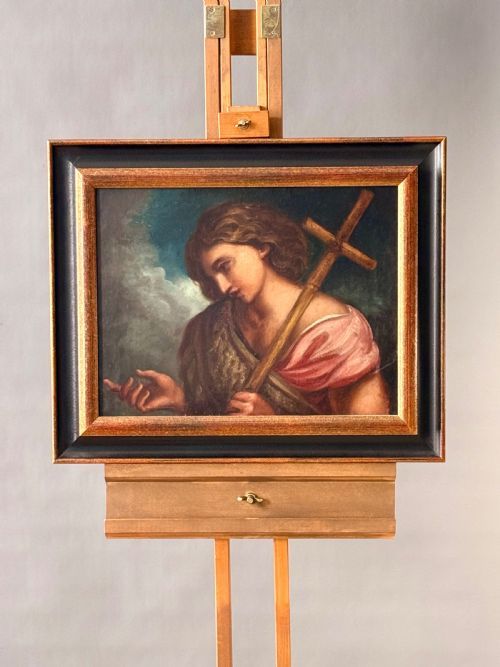
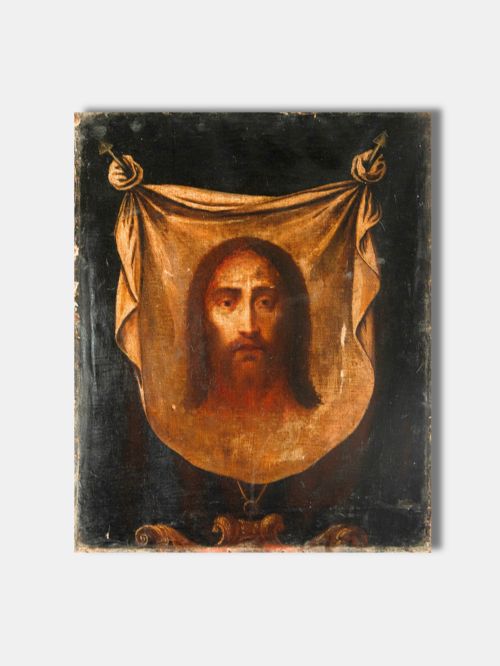
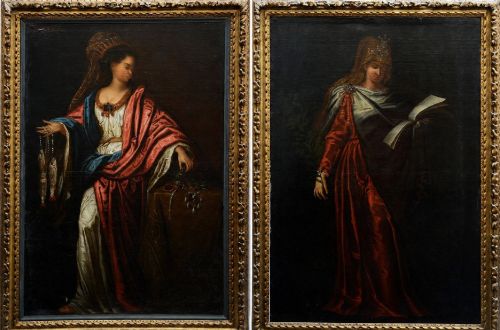
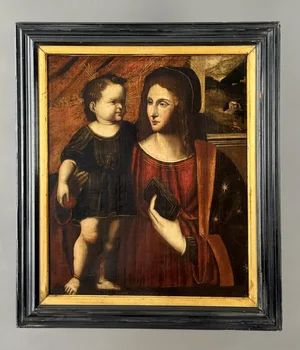
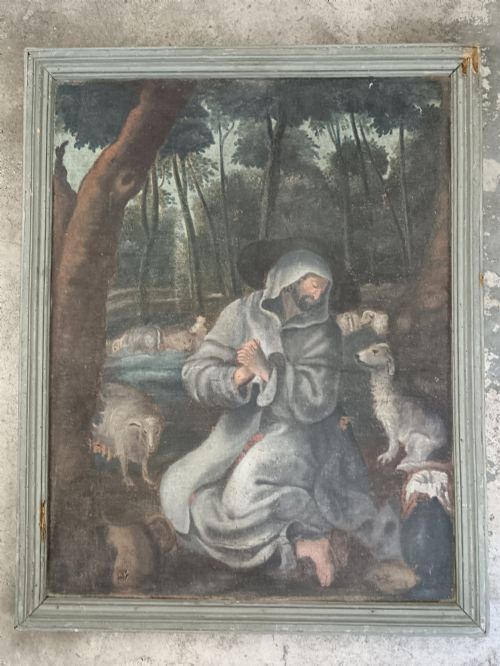
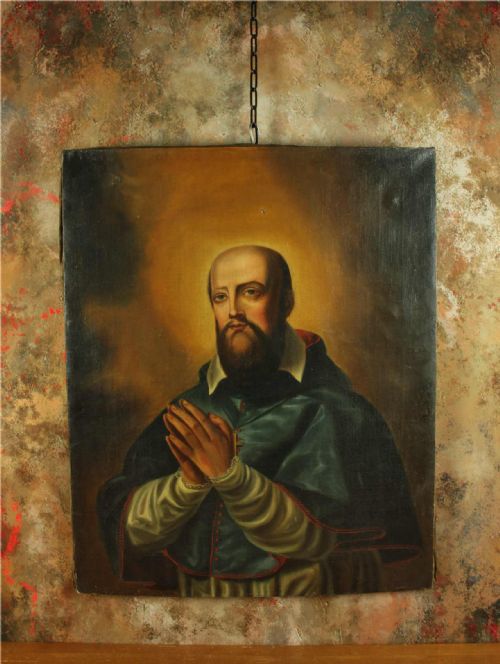
A canvas antique religious painting comprises devotional works produced across European schools from the sixteenth century onward, depicting biblical narratives and revered figures. You frequently meet Italian and Spanish Baroque canvases here, alongside later nineteenth-century interpretations of Renaissance compositions.
The subjects range from intimate portrayals of the Virgin and Child to monumental depictions of saints and martyrdoms. These artworks functioned as focal points for private prayer or ecclesiastical spaces, carrying distinct regional styles such as the Emilian, Venetian, or Madrid schools.
How they were made
Artists painted primarily in oils upon stretched woven canvas supports, occasionally integrating tempera and gold leaf for specific iconographic traditions. Pigments were applied over traditional grounds, sometimes revealing underlying compositional changes known as pentimenti through the thinning of aged paint layers.
Many surviving works retain their period settings, housed in carved giltwood frames that complement the religious subject matter. The physical construction relies on traditional joinery for stretchers and frames, using natural materials consistent with historical studio practices.
Listings feature canvases spanning from the sixteenth to the twentieth century, encompassing Italian, Spanish, French, and Russian traditions.
What varies in quality
Quality in these works is dictated by the finesse of the brushwork and the expressive capability of the draughtsmanship, distinguishing master workshops from regional copyists. The handling of drapery, facial expressions, and anatomical proportion separates accomplished seventeenth- and eighteenth-century studio pieces from derivative output.
The integrity of the original paint surface and the degree of historical restoration also influence the standing of a piece. Works that preserve their primary layer without extensive overpainting retain greater visual cohesion and art-historical value.
Jozef Jansessens·Georges de La Tour·Miguel Barroso·Francesco Solimena·Costantino Frixione·Juan Ruiz Soriano·Gaspar de Figueroa·Gian Lorenzo Bertolotto
The Canvas Religious Painting Glossary
- Pentimento
- Alteration in a painting evidenced by previous strokes showing through the upper paint layers. This phenomenon often reveals how the artist modified the composition during the creative process.
- Old Master
- A European artist of high skill working before the nineteenth century. The term also designates a painting produced by such an artist.
- Baroque
- A European artistic style characterising the seventeenth and early eighteenth centuries, known for dramatic lighting and emotional intensity. Religious works from this period emphasise dynamic movement and theatrical composition.
- Icon
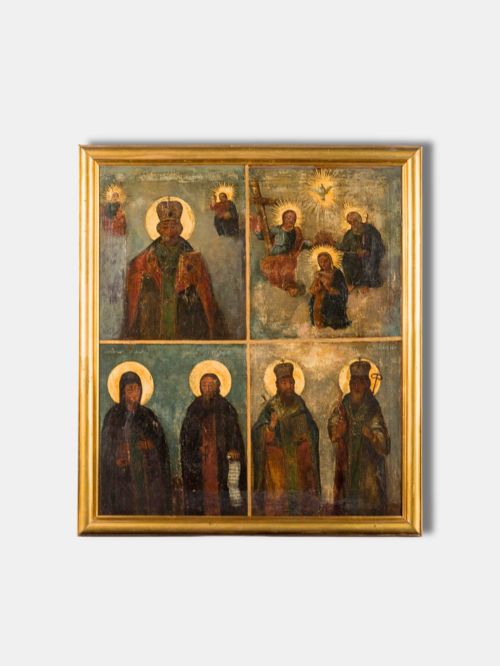
- A devotional painting, typically depicting sacred figures, rooted in Eastern and Russian Orthodox traditions. These panels often incorporate gold leaf and tempera on canvas or wood.
- School
- A group of artists sharing a common style, region, or influence under a master or specific tradition. Attributions to a particular school denote geographical and stylistic provenance.
Canvas Religious Painting: Frequently Asked Questions
How do I care for an old religious canvas?
Keep the painting away from direct sunlight and dramatic fluctuations in household humidity to protect the aged canvas and oil pigments. Dust the surface gently with a soft, dry brush and avoid applying liquid cleaners.
Ensure the room maintains a stable temperature to prevent the wooden stretcher frames from warping or the canvas from slackening. Professional conservation should be sought if the paint layer shows signs of cracking or detachment.
What is the difference between a school and a follower?
An artwork attributed to a school indicates production within a specific region and period, sharing the stylistic traits of that community. A follower describes an artist working closely under the stylistic influence of a master.
School attributions often point to a broader geographic workshop tradition rather than a single individual. Follower works demonstrate a direct stylistic debt to a named historical painter.
How can I tell the period of the canvas?
Dating relies on examining the weave of the fabric, the preparation grounds, and the chemical composition of the pigments used by the artist. Stylistic markers such as drapery treatment and facial modelling also provide crucial clues to the era of execution.
Secondary evidence includes the construction methods of the stretcher frame and any historical inscriptions or labels on the reverse. Combining material analysis with stylistic comparison establishes the likely century of creation.
Where were these paintings displayed originally?
Many of these devotional canvases hung in private domestic chapels, serving as focal points for daily family prayer and contemplation. Others were commissioned for parish churches, convents, or institutional oratories.
Larger monumental works often occupied prominent altarpieces within religious buildings, while smaller canvases suited intimate spaces. Their placement dictated both the scale of the composition and the choice of devotional subject.