




Italian Desk Table
An italian antique desk table brings continental character to a room, offering warm walnut timber and classical carving for daily use.
Italian Desk Table
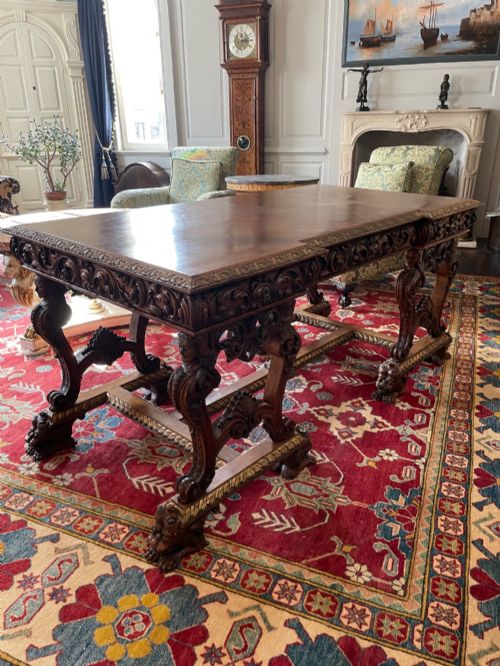
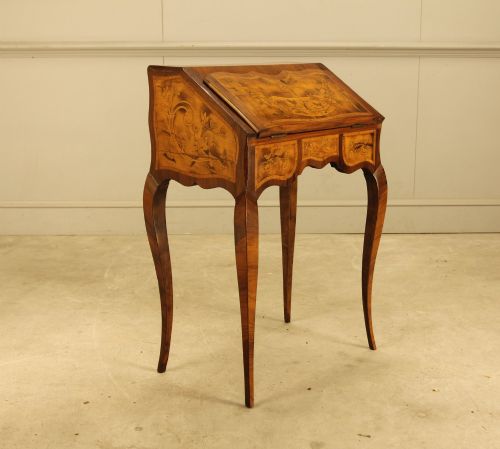
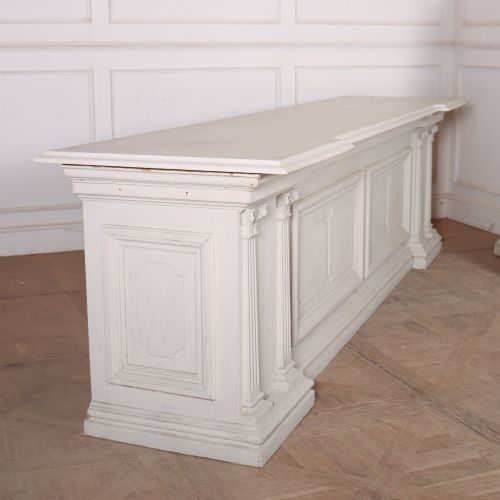
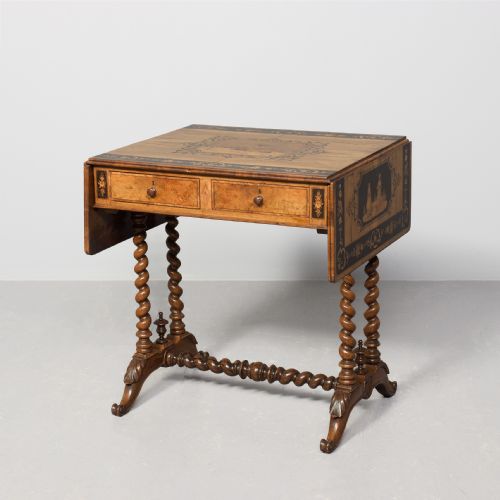
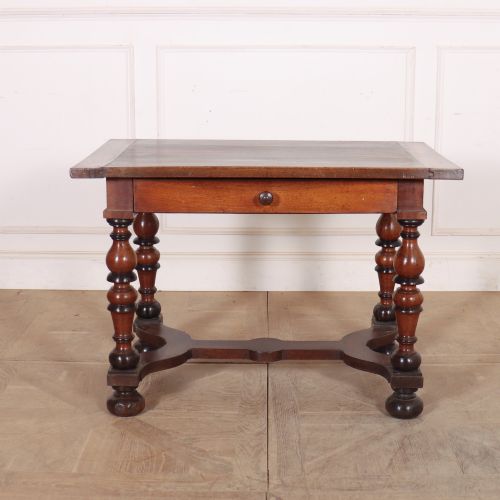
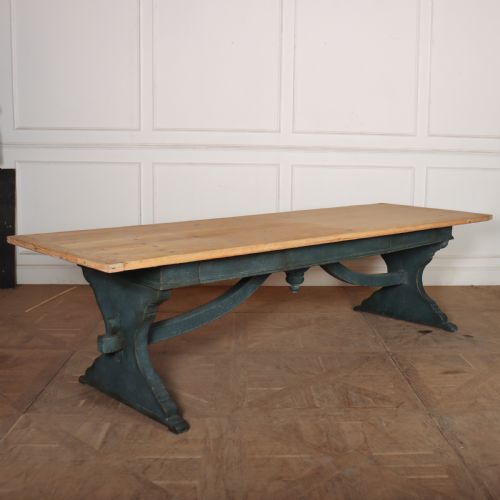
An italian antique desk table encompasses writing furniture and dual-purpose tables originating from Italy across the eighteenth and nineteenth centuries. Buyers frequently encounter nineteenth-century walnut desks alongside carved console tables that double as writing surfaces.
Craftsmanship from this tradition prioritises decorative timber and sculptural carving, reflecting the grand interiors of their origin. These pieces serve practical writing needs while functioning as prominent centre tables.
Materials and construction methods
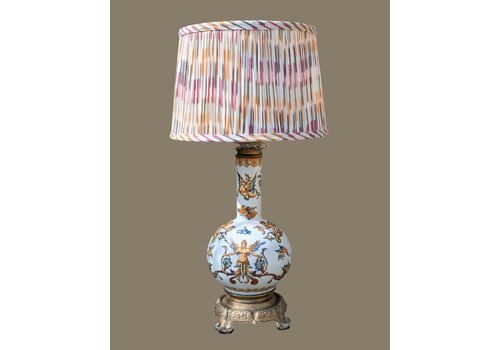
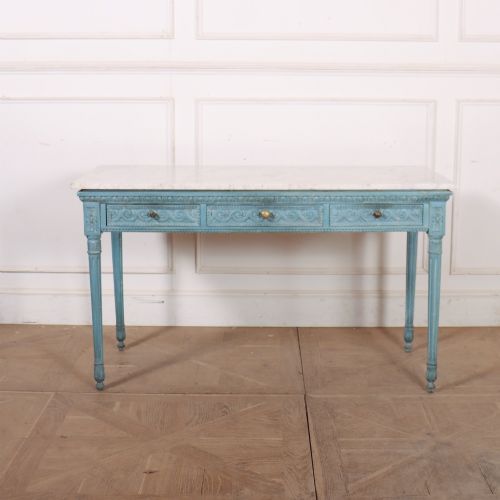
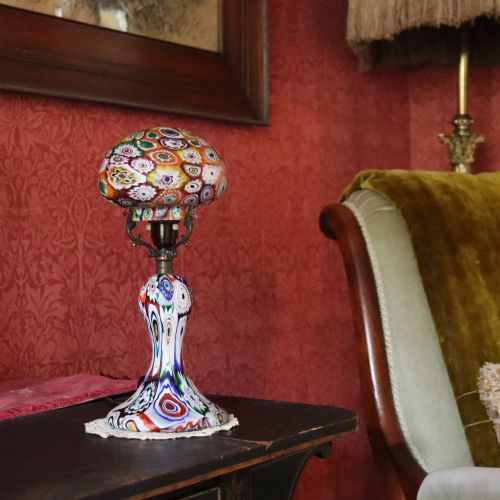
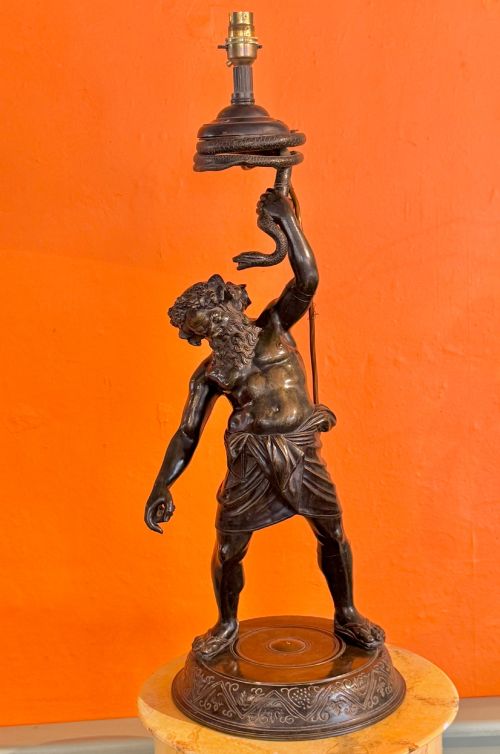
Makers relied principally upon walnut for structural elements and desks, often combining the timber with olivewood for detailed inlay work. Giltwood and gesso appear on decorative mirrors and lamp stands, while marble provides durable surfaces for tabletops.
Carving technique defines the ornamentation, utilising deep relief to shape classical motifs, dolphins, and cherubs into the wood. Brass mounts and hardware add functional detail to drawers and bases across various pieces.
Italian Desk Table Retail Price Guide 2026
Typical asking prices for italian desk table among the pieces listed under this phrase on Sellingantiques today, from the lower quarter to the upper quarter. They describe what is for sale here now, not the wider market.
Carved wooden dolphins and sleeping cherubs occasionally support the tops, bringing a touch of coastal whimsy to the study.
Evaluating quality and execution
Quality rests upon the depth and precision of the hand-carving, where crisp relief work distinguishes superior pieces from simpler production. The selection of timber grain, particularly in walnut and Sorrento inlay, dictates the visual appeal of the surface.
Structural integrity and the retention of original gilding or painted decoration separate standard examples from important library tables. Maker attribution and the harmony of classical proportions further elevate the standing of an individual piece.
Fratelli Toso·G Amodio Naples·Angiolo Barbetti Firenze
The Italian Desk Table Glossary
- Giltwood
- Wood coated with gold leaf or a gold-coloured preparation. This finish appears frequently on mirrors, stands, and decorative frames.
- Gesso
- A plaster-like mixture applied to wood surfaces as a base for paint or gilding. It allows for intricate moulded ornamentation.
- Sorrento inlay
- Woodworking technique originating from southern Italy using various coloured woods to create pictorial patterns. Olivewood is commonly employed for this decorative veneer.
- Console table
- A table designed to stand against a wall, frequently supported by ornate carved brackets or legs. Many historical examples serve multiple functions including writing.
- Centre table
- A freestanding table finished on all sides for placement in the middle of a room. These forms showcase detailed carving from every angle.
Italian Desk Table: Frequently Asked Questions
What defines an italian antique desk table?
An italian antique desk table combines European writing furniture with decorative console or centre table designs. These pieces originate primarily from the eighteenth and nineteenth centuries, featuring walnut construction and classical carving.
They offer a dual function as functional writing surfaces and striking architectural furniture for the home.
How do I distinguish eighteenth and nineteenth century pieces?
Eighteenth-century examples often display simpler, heavier structural forms in solid walnut, such as travelling bureaux on stands or early library desks. Nineteenth-century pieces frequently embrace revival styles like Renaissance Revival or Sorrento inlay.
Examination of the timber, joint construction, and decorative motifs helps identify the specific period of manufacture.
Where should I place a desk table in my home?
A desk table works well placed centrally in a study or library where the carved details remain visible from all sides. They also function effectively against a wall beneath a mirror or artwork in a living room or hallway.
Ensure adequate lighting nearby to appreciate the wood grain and carved ornamentation during daily use.
What materials are typical for these tables?
Walnut is the predominant primary wood used for structural desks and library tables throughout the period. Olivewood inlay, marble tops, and brass mounts appear frequently to enhance the decorative scheme.
Giltwood and gesso are also utilised on related table forms and decorative stands.