





Iron Pedestal Planter
An iron pedestal planter elevates garden greenery on a sturdy base, bringing classical form and enduring structure to outdoor spaces.
Iron Pedestal Planter
When searching for an iron pedestal planter, buyers encounter garden vessels designed to raise foliage above ground level. These pieces combine a bowl or urn with a matching column, plinth, or stand to create height in a garden layout.
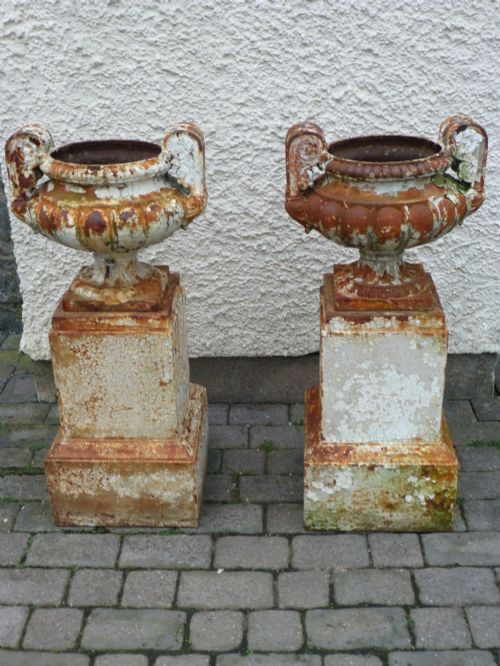
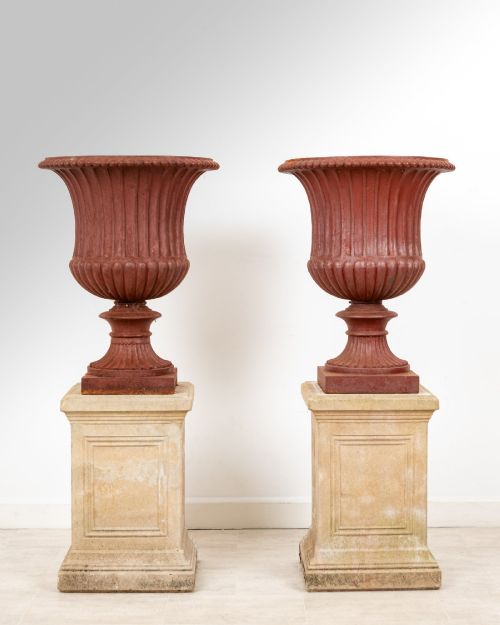
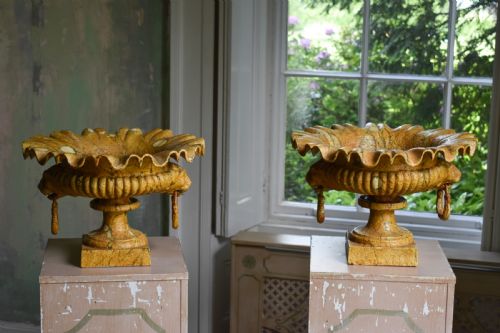
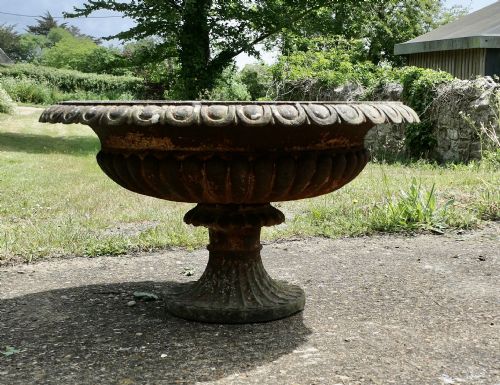
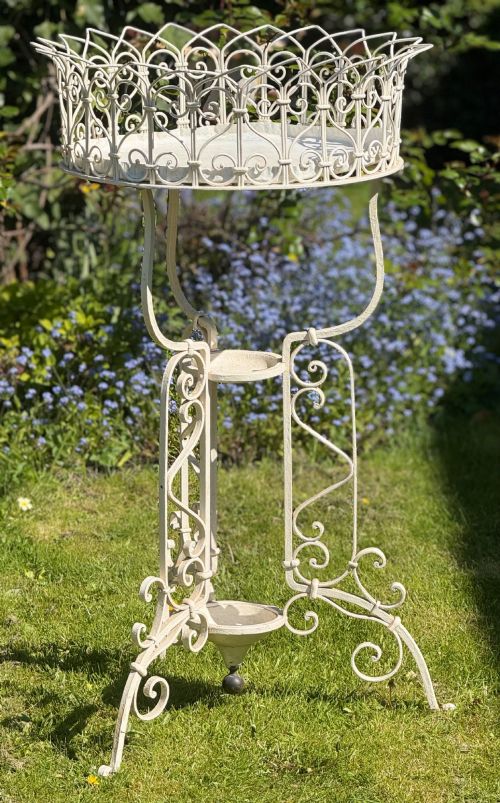
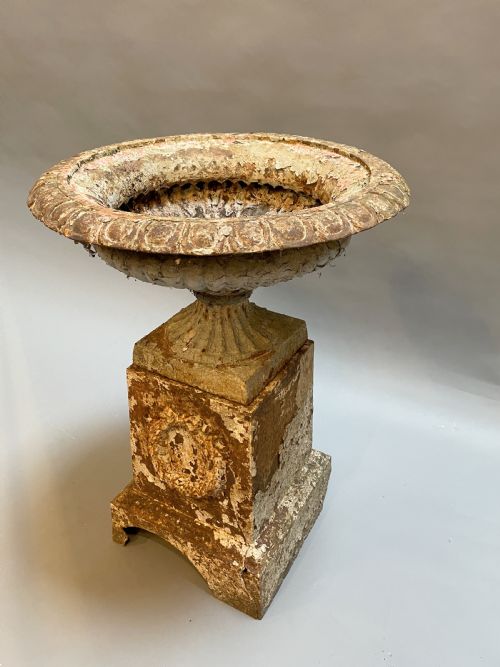
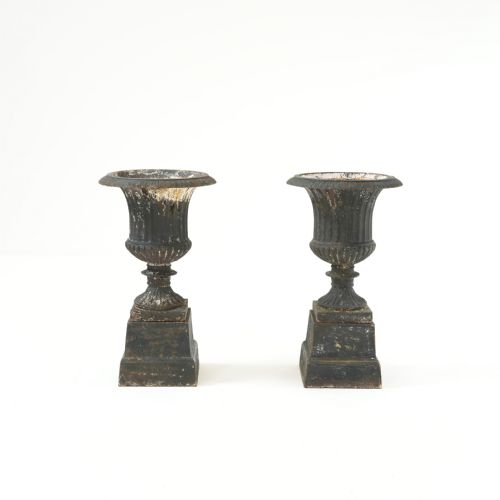
The selections span the nineteenth century into the early twentieth century, taking the form of campana urns, jardiniere stands, and column planters. Victorian and Regency examples dominate the offerings, often appearing in symmetrical pairs.
Makers and foundries produce these items to withstand outdoor placement while providing ornamental display for plants and flowers. The forms draw directly from classical revival and neoclassical design traditions.
Assessing quality and proportion
Quality rests in the crispness of the casting and the proportional balance between the urn bowl and its supporting pedestal. Superior examples display sharp decorative motifs without distortion from worn foundry moulds.
The integrity of the metal and the presence of original matching plinth bases distinguish finer specimens. Heavy-gauge casting indicates a higher grade of manufacture intended for substantial garden landscaping.
Heavy enough to outlive several generations of gardeners, these iron vessels happily trade their original formal drawing-room dignity for a coat of moss.
Falkirk Carron foundry·Coalbrookdale·Andrew Handyside
The Iron Pedestal Planter Glossary
- Campana urn
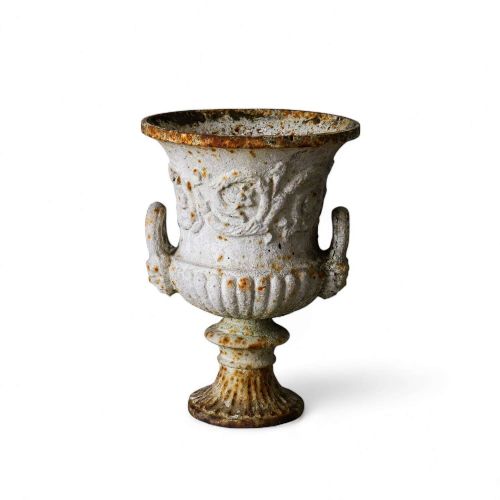
- A bell-shaped garden vessel with an everted rim, widely utilised for ornamental planting since the neoclassical period. These profiles form the upper component of many pedestal planters.
- Gadrooned
- Decorated with a series of convex vertical curves or flutes carved or cast into the body of the urn. This ornamental moulding often encircles the lower portion of the bowl.
- Plinth base
- A heavy rectangular or square block that supports a column, pedestal, or urn. It elevates the composition and provides stable ground purchase in a garden setting.
- Jardiniere
- An ornamental pot or stand specifically designated for holding plants or flowers. These items appear in various heights to accommodate trailing foliage.
Iron Pedestal Planter: Frequently Asked Questions
How do I date an iron pedestal planter?
Dating relies on stylistic clues such as neoclassical motifs, foundry marks, and the method of assembly. Victorian and Regency pieces often exhibit heavier casting and classical revival detailing.
Comparison with documented foundry catalogues helps establish manufacturing periods. Weathering patterns also offer context regarding age.
Are these planters suitable for winter outdoor use?
Cast iron withstands cold temperatures well, provided water does not pool and freeze inside the vessel. Proper drainage prevents the metal or stone from cracking during frost.
Positioning the planters on stable plinths keeps them clear of standing moisture. Many owners leave them outdoors year-round due to their durable construction.
Do pedestal planters come as pairs?
Many historical garden pieces were manufactured in matching sets to flank architectural doorways, paths, or garden steps. Finding a matched pair is common in nineteenth-century examples.
Single items also appear, serving as focal points in smaller garden areas. Symmetrical placement remains a traditional approach for these structures.