

Iron Fireplace Tools
Iron fireplace tools are functional hearth furniture built to manage coal and wood fires, combining durability with period style.
Iron Fireplace Tools
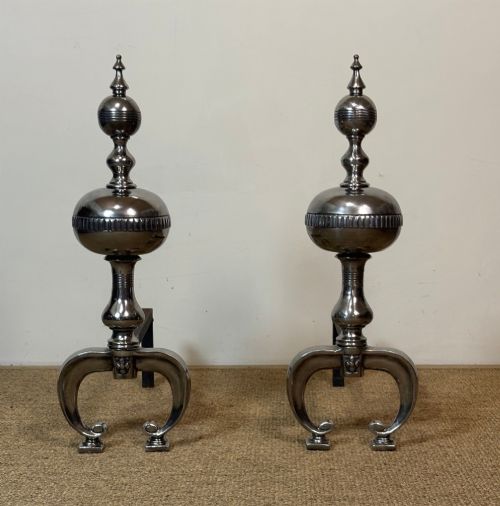
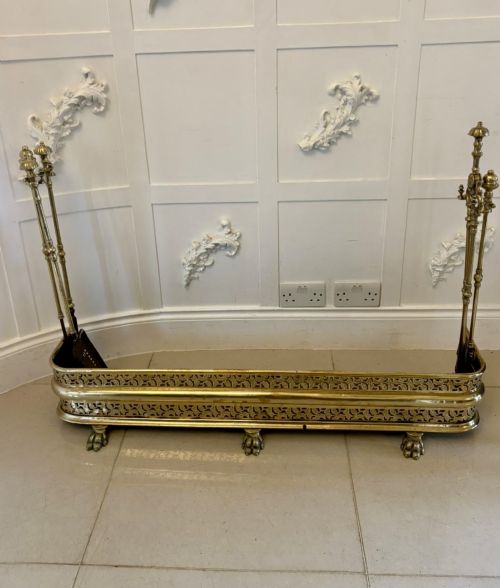
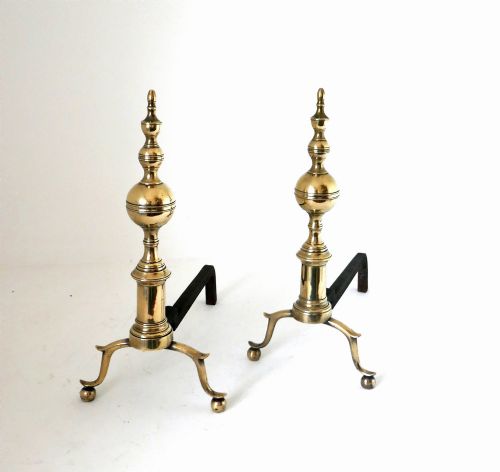
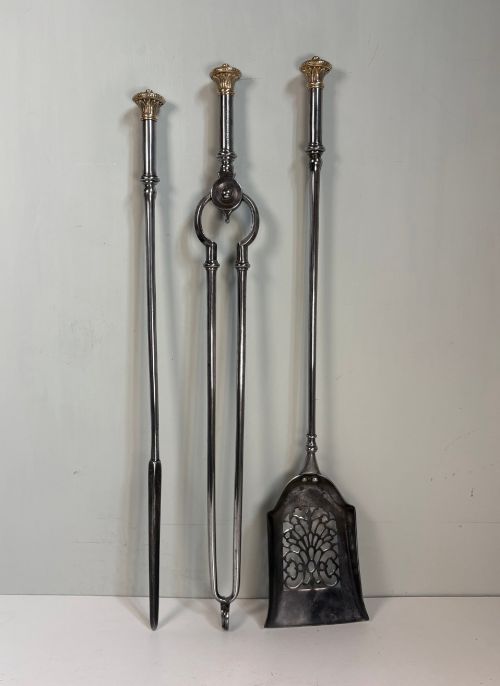
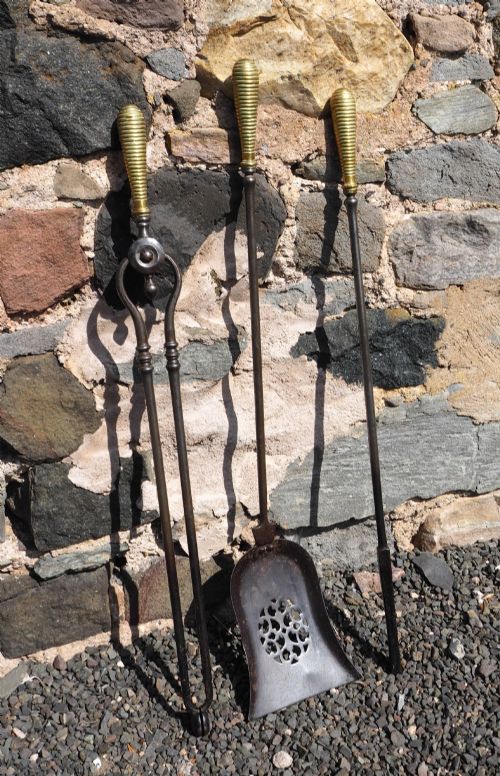
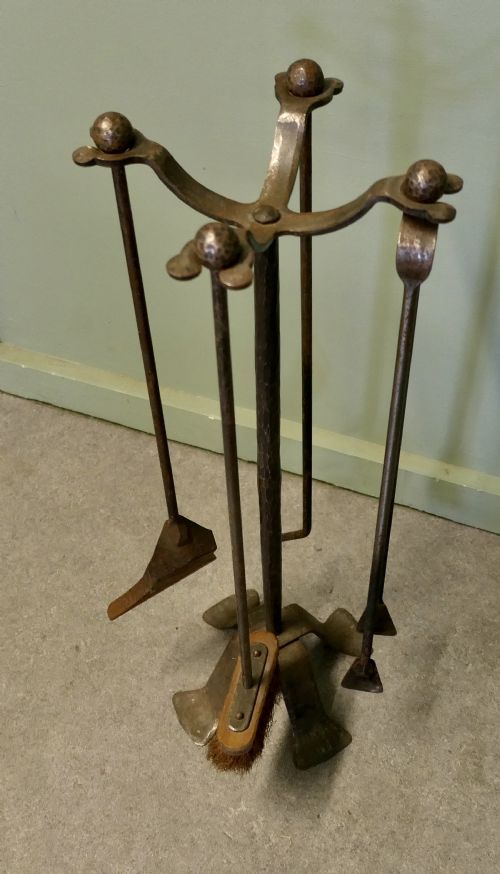
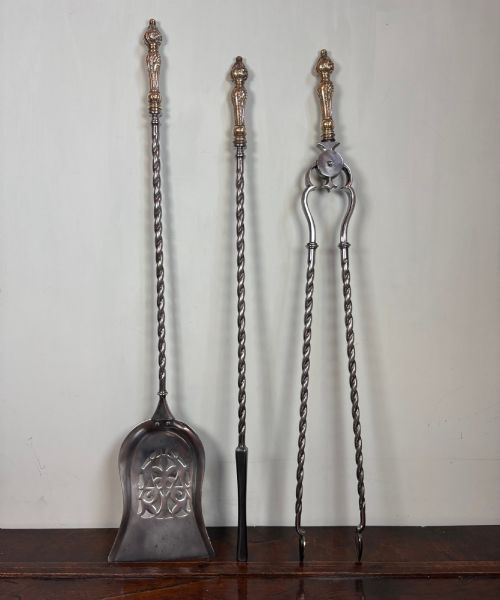
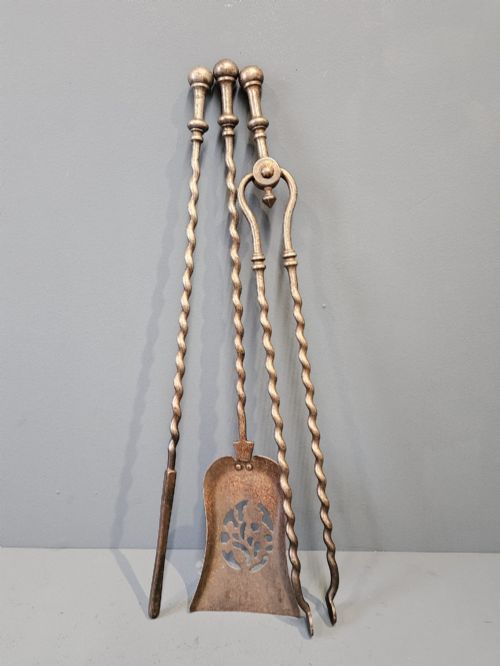
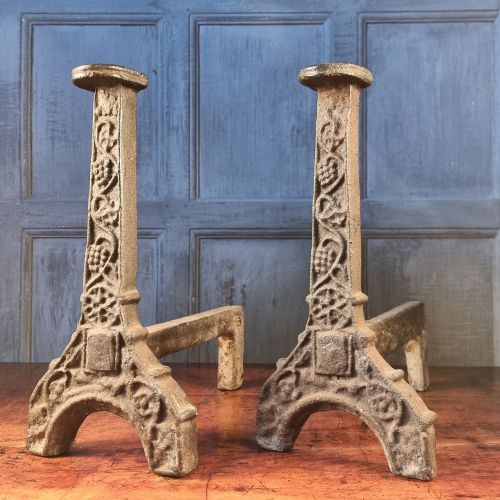
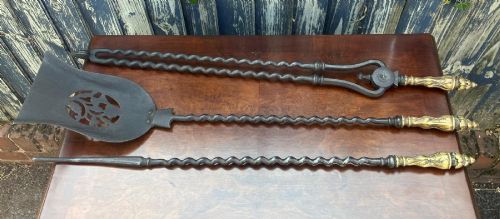
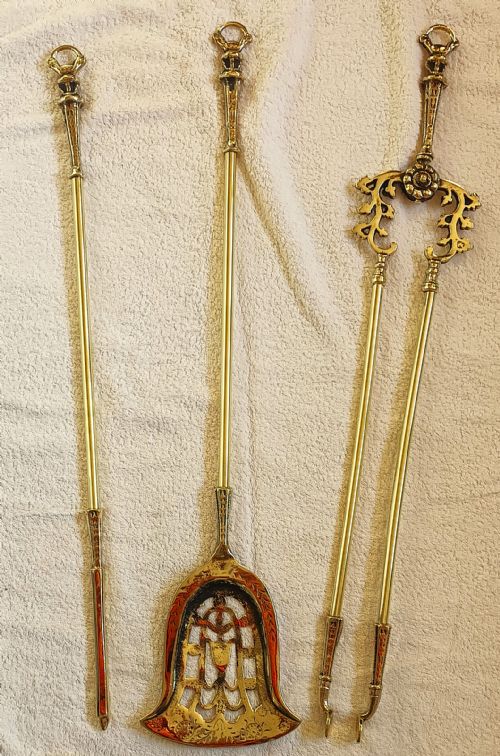
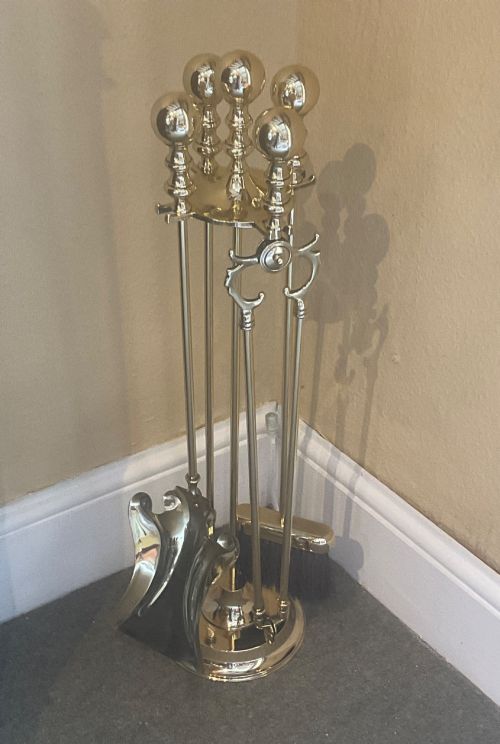
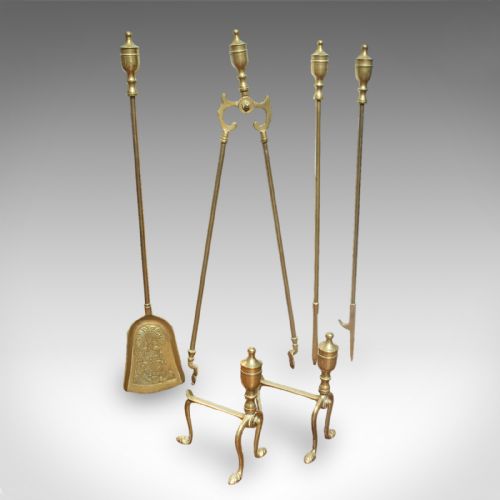
When you examine iron fireplace tools, you are looking at practical hearth equipment designed to tend domestic fires during the Georgian, Victorian, and Edwardian eras. These sets typically include pokers, tongs, and shovels, often gathered into companion stands or paired with fire dogs and andirons.
How they were made
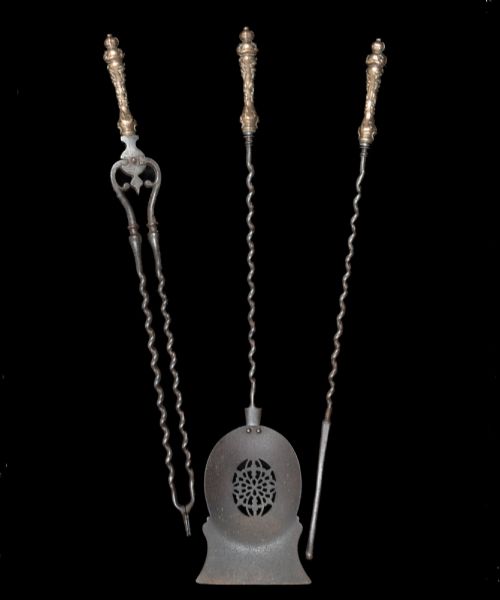
The primary materials recorded in the evidence are iron, wrought iron, and cast iron, frequently combined with polished steel and brass handles or mounts. Blacksmiths and metalworkers shaped these metals through forging, casting, and hand-finishing, utilising properties that could withstand intense hearth heat.
Surface treatments and assembly techniques varied according to the period and style, from the simple rope twist handles on mid-nineteenth-century brass irons to the intricate details found on Arts and Crafts or Rococo companion sets.
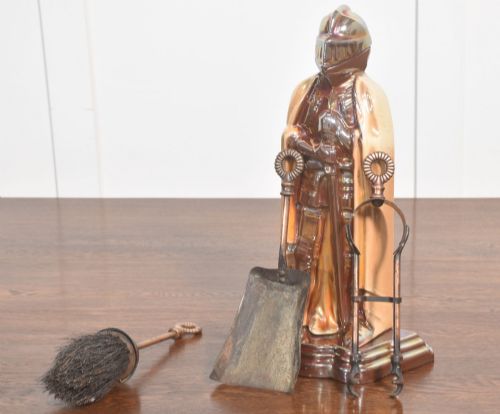
Hearth accessories occasionally abandon plain utility entirely, taking the form of painted metal knights and golfers ready to tend your coals.
What varies in quality
Quality in iron fireplace tools rests on the integrity of the metalwork and the balance of each implement in the hand. Substantial weight, clean forging marks, and secure joints distinguish superior examples from lighter, purely decorative productions.
The refinement of the decorative elements, such as cast brass handles, turned steel shafts, and matching companion stands, dictates the standing of a set within its period.
The Iron Fireplace Tools Glossary
- Companion set
- A collection of hearth tools, usually comprising a poker, tongs, and shovel, designed to hang from a matching stand.
- Andirons
- Horizontal bars raised on legs, also known as firedogs, used to support logs in an open hearth.
- Bannock turner
- A traditional flat-bladed Scottish implement used for baking over hearth coals, occasionally found among nineteenth-century ironmongery.
- Rococo style
- An ornamental design approach characterised by asymmetrical scrollwork and curves, visible on mid-nineteenth to early twentieth-century hearth accessories.
Iron Fireplace Tools: Frequently Asked Questions
What tools come in a set?
Standard hearth sets usually comprise a poker for stirring embers, tongs for moving logs, and a shovel for clearing ash.
Many period configurations also include a brush or hang alongside a dedicated companion stand.
How do I date a set?
Dating relies on stylistic markers such as handle ornamentation, metal finishing techniques, and the overall design period.
Georgian sets often display restrained steel forms, whilst Victorian and Edwardian examples frequently incorporate brass detailing and cast figural elements.
Can I use antique iron tools?
Most surviving iron and steel pieces are robust enough for regular hearth use when handled with reasonable care.
Finer brass-mounted or decorative sets from the late nineteenth century are often best preserved for display alongside a period fireplace.
What is the difference between wrought and cast iron?
Wrought iron is hammered and shaped by hand, resulting in fibrous strength and visible forging texture suited to functional pokers and bars.
Cast iron is poured into moulds, allowing for detailed figural designs like knights or golfers but with a more brittle internal structure.