


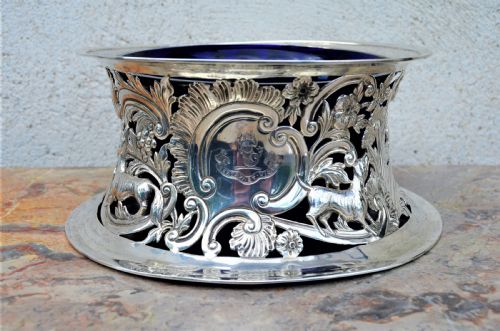


Irish Sterling Silverware
Irish sterling silverware comprises distinguished items forged in sterling silver across centuries, prized for exceptional craftsmanship and rich heritage.
Irish Sterling Silverware
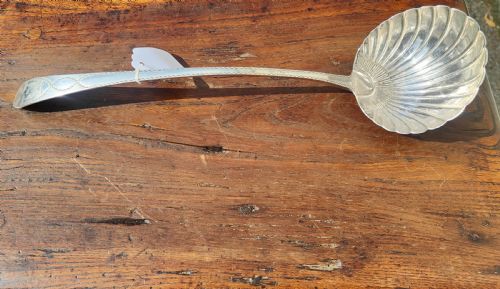
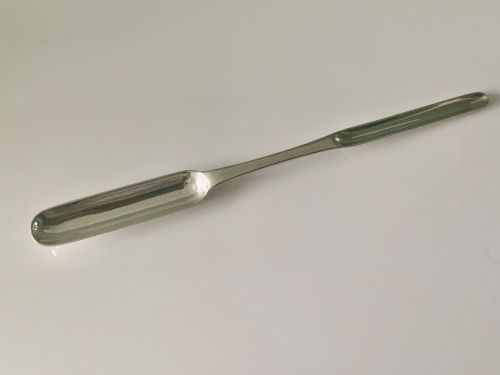
Irish sterling silverware encompasses a diverse array of historical forms, ranging from functional serving utensils and cutlery to decorative bowls and drinking vessels. Buyers pursuing irish sterling silverware frequently encounter pieces originating from the eighteenth and nineteenth centuries, alongside Edwardian and mid-century examples.
Materials and construction
Items are principally constructed from sterling silver, occasionally complemented by secondary materials like cobalt glass, gemstones, and wood. Silversmiths utilised heavy gauge silver for substantial items such as jubilee bowls and cups, ensuring structural integrity alongside intricate surface ornamentation.
Traditional techniques evident in the listings include hand-raising and hammering, producing distinct regional forms like the traditional mether or the Celtic point strainer basting spoon.
Listings span the eighteenth century, nineteenth century, and twentieth century, incorporating George IV, Edwardian, and mid-century periods alongside sterling silver and cobalt glass.
Distinctions in quality
Quality in these pieces is dictated by the weight of the metal and the precision of the silversmith's hand. Heavier gauge silver and well-preserved maker's marks or Dublin hallmarks elevate an object's standing.
The depth and clarity of chased or engraved heraldry, such as crests, alongside the preservation of original form without excessive wear, separate standard production from superior examples.
John Craig·Thomas Sutton
The Irish Sterling Silverware Glossary
- Sterling silver
- An alloy containing ninety-two point five percent silver and seven point five percent other metals, typically copper. This standard ensures both durability and a bright metallic lustre suitable for domestic silverware.
- Mether
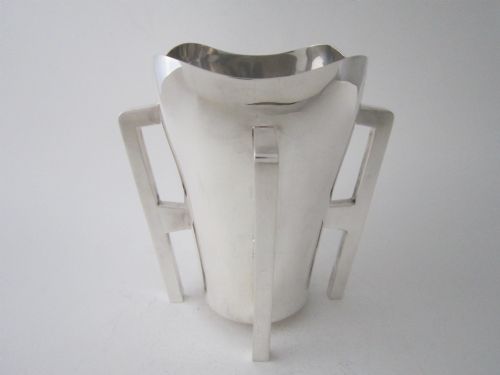
- A traditional communal drinking vessel featuring multiple handles, rooted in early Irish history. Edwardian silversmiths occasionally revived this ancient form in sterling silver.
- Dish ring
- An open-ended cylindrical stand, often elaborately pierced and chased, used to elevate bowls on the dining table. They are a distinctive element of Irish domestic silver.
- Basting spoon
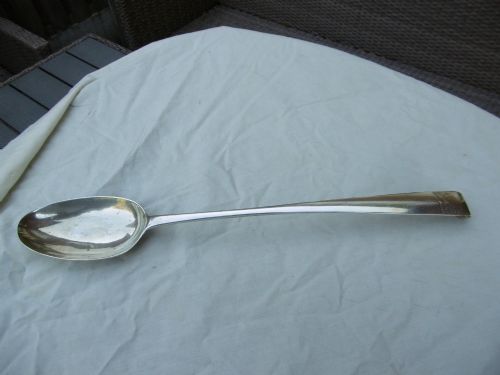
- A large, elongated spoon designed for culinary use in gathering and pouring juices. Eighteenth-century examples often feature specialised terminals like hook ends.
- Caddy spoon
- A small utensil specifically proportioned for measuring loose tea leaves from a caddy. These frequently exhibit decorative bowls and short handles.
Irish Sterling Silverware: Frequently Asked Questions
How do I identify Irish silver?
Irish silver is typically identified by specific assay marks stamped by the Dublin goldsmiths' company, alongside the standard sterling hallmarks of the period.
These marks often include a figure of Hibernia and a crowned harp, distinguishing them from British pieces.
What is a mether cup?
A mether is a traditional wooden or metal drinking vessel with two or more handles, passed around among guests. Sterling silver Edwardian interpretations adapt this ancient form into decorative tableware.
They reflect a strong interest in Celtic revival aesthetics during the early twentieth century.
How should I clean antique silver?
Antique silver requires gentle cleaning with a soft cloth and specialist silver polish formulated to preserve the underlying metal. Avoid abrasive materials that can wear away crisp hallmarks or fine chasing.
Proper storage in anti-tarnish bags also helps maintain the surface finish between uses.
What defines Georgian Irish silver?
Georgian Irish silver encompasses items produced during the reigns of the Georges, marked by robust proportions and distinctive Rococo or neoclassical ornamentation. Silversmiths during this era produced substantial domestic silver, including hollowware and flatware.
Dublin was the primary centre for these assay office operations.