

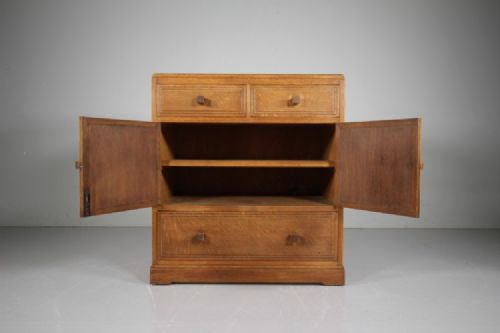


Interwar Oak Cabinet
An interwar oak cabinet delivers sturdy utility and rich grain, bringing practical storage and distinct period character to any room.
Interwar Oak Cabinet
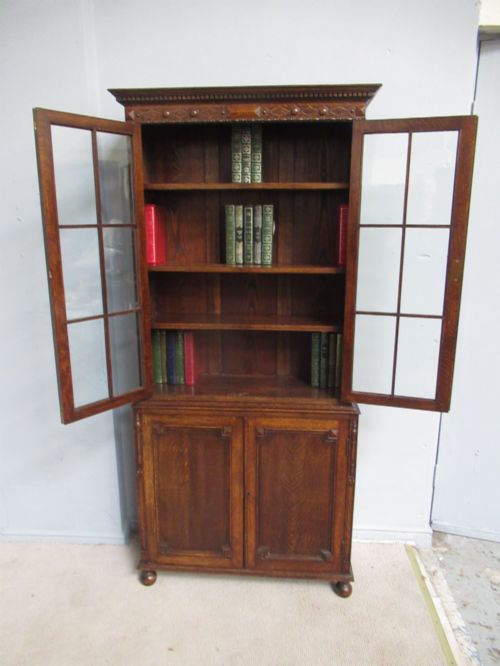
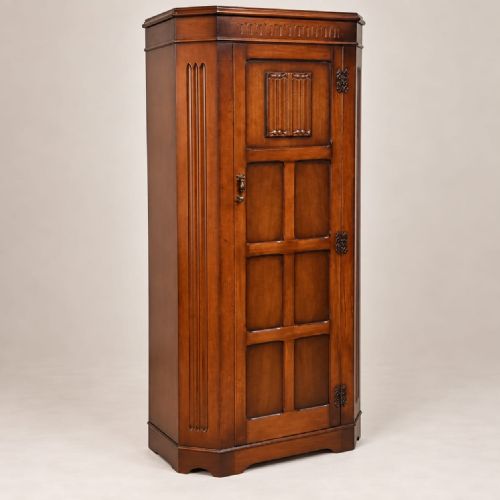
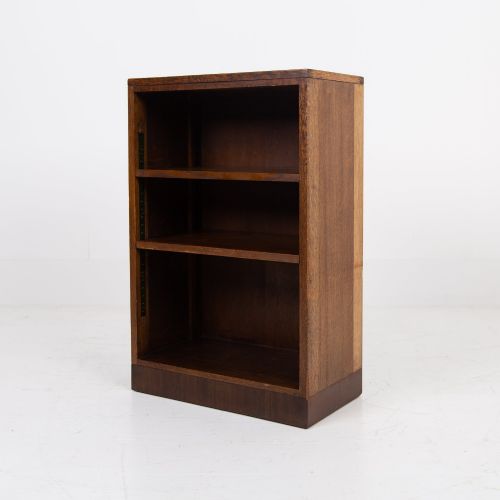
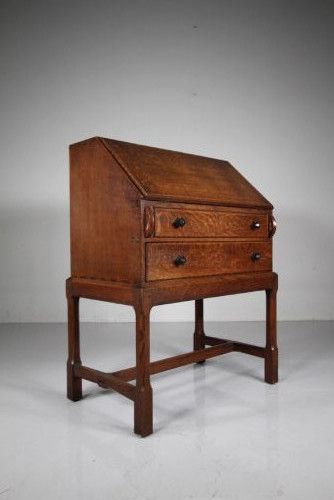
When you search for an interwar oak cabinet, you encounter a varied selection of domestic and office storage furniture produced across the nineteen-twenties and nineteen-thirties. These pieces range from practical glazed bookcases and storage cupboards to fitted writing bureaus and compact bedside cabinets.
The assortment spans utilitarian office filing furniture and canteen tables to refined domestic pieces originating from workshops associated with the Cotswold School and firms like Heals of London. Smaller variants include bedside lockers and corner units, while larger examples take the form of hall wardrobes and bureau bookcases.
What separates the standard of these pieces
The distinction between ordinary utility items and superior examples lies primarily in the selection of the timber and the refinement of the workshop execution. Well-figured oak grain and balanced proportions elevate pieces produced by prominent designers or documented establishments above standard mass-produced furniture.
Attention to detail in hardware selection, specialised mechanisms like tambour shutters, and authentic maker labels or stamps significantly elevate the standing of a cabinet. Restraint in carving and clean architectural lines generally distinguish better-designed items from heavier, overly ornate revival pieces.
Object forms on this page include wardrobes, tambour front office filing cabinets, canteen tables, and bureau bookcases.
Stanley Webb Davies·Bryn Mawr·Heals of London
The Interwar Oak Cabinet Glossary
- Limed oak
- A finish where a white pigment is rubbed into the open grain of oak to lighten its overall appearance. This treatment gained popularity during the early twentieth century for modern interiors.
- Tambour front
- A flexible door or shutter constructed from narrow slats of wood glued to a fabric backing, allowing it to slide smoothly around a curved track.
- Cotswold School
- An influential twentieth-century design movement rooted in traditional handcraft methods, simple construction, and respect for natural materials.
- Bureau bookcase
- A dual-purpose piece combining a sloping desk flap for writing with upper shelving enclosed by doors for books.
- Jacobean revival
- A style of decoration that copies seventeenth-century motifs such as heavy turned legs, geometric moulding, and deep strapwork carving.
Interwar Oak Cabinet: Frequently Asked Questions
What defines an interwar oak cabinet?
An interwar oak cabinet is a storage piece manufactured during the nineteen-twenties or nineteen-thirties, constructed primarily from oak. These items reflect the transition from ornate historical revivals to more restrained modern designs.
They encompass a broad range of domestic and workplace forms, including bookcases, sideboards, bureaus, and small filing units.
How do I identify a nineteen-twenties piece?
Nineteen-twenties pieces frequently display heavier revival styles, such as carved panels, brass drop handles, and dark polished finishes. Many items from this decade lean towards traditional Jacobean or Arts and Crafts aesthetics.
Inspect the construction joints, hardware, and timber patination to gauge the approximate age of the furniture.
Where were these cabinets used?
These cabinets served multiple functions throughout the home and professional offices. Larger bookcases and sideboards furnished living and dining rooms, while smaller cabinets functioned as bedside storage or hallway furniture.
Specialised pieces like tambour front units and writing bureaus were designed specifically for administrative and study spaces.
Are limed oak finishes original?
Limed oak finishes were widely applied by makers during the interwar period to achieve a fashionable, lighter aesthetic that suited modern interiors. Prominent retailers and workshops offered limed finishes as a contemporary alternative to dark polished wood.
Examining the depth of the pigment within the grain helps determine if the finish aligns with the period of manufacture.
How do I care for oak furniture?
Maintain interwar oak cabinets by dusting them regularly with a soft, dry cloth and avoiding excessive moisture or direct sunlight. Using appropriate beeswax or natural polish occasionally helps preserve the condition of the timber.
Keep the furniture away from extreme temperature fluctuations to prevent the solid wood from warping or splitting.