
Inlay Writing Desk
An inlay writing desk combines practical workspace with intricate decorative detail, offering a striking centrepiece for a traditional study.
Inlay Writing Desk
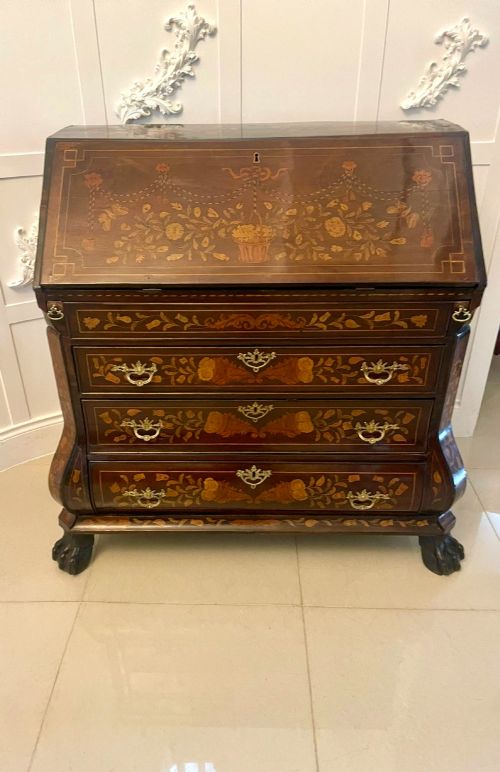
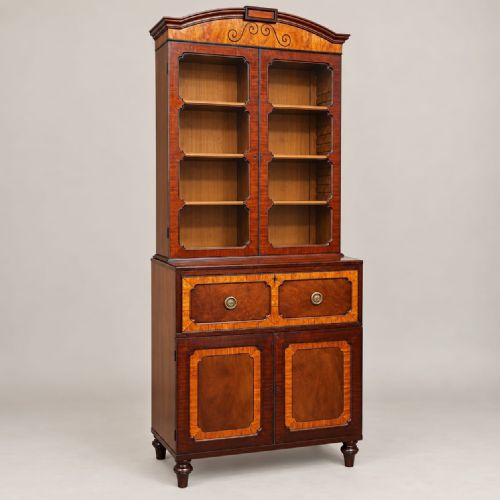
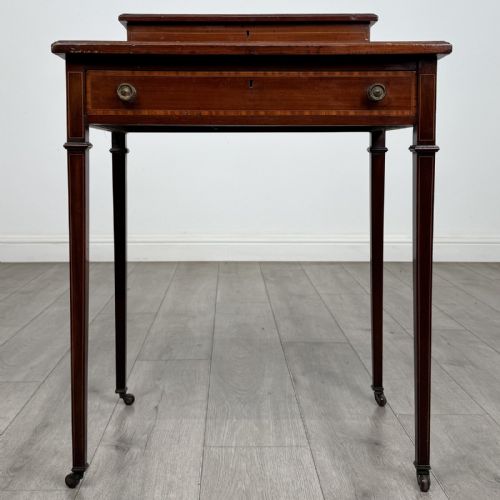
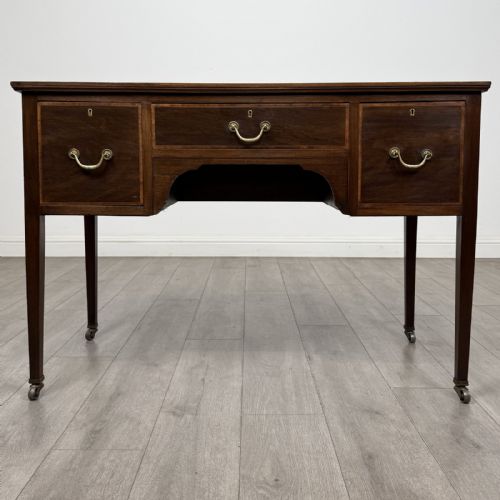
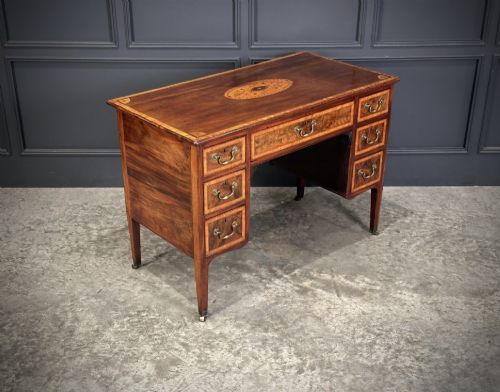
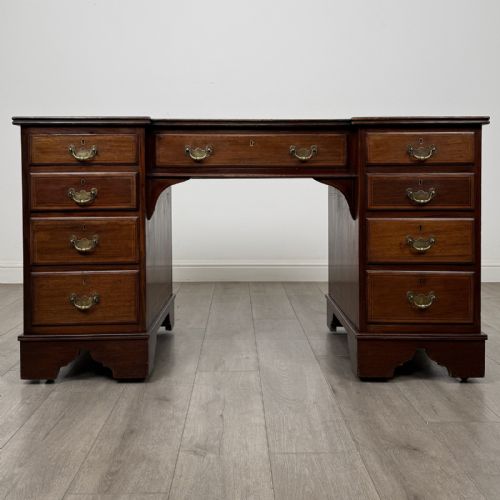
An inlay writing desk spans several centuries of cabinetmaking, ranging from seventeenth-century William and Mary bureaux to Edwardian mahogany writing tables and French Louis XV revival pieces.
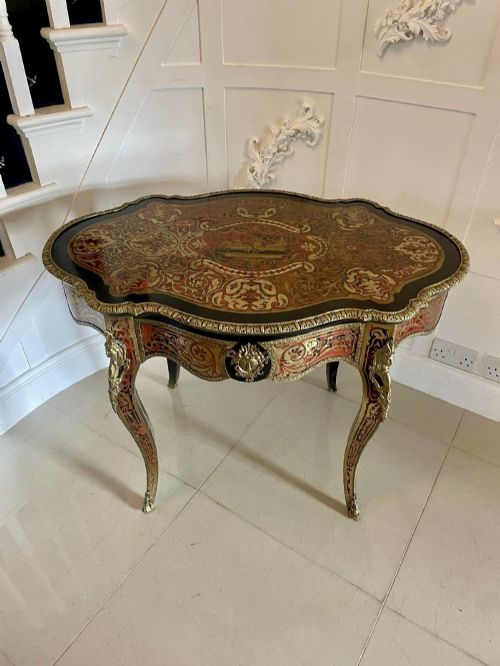
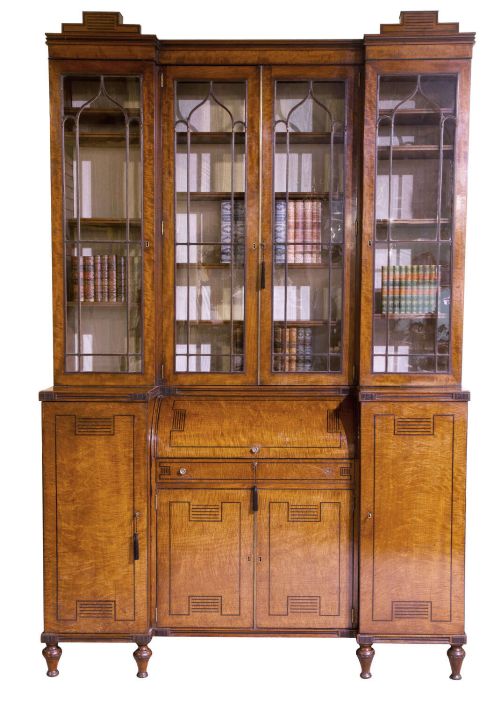
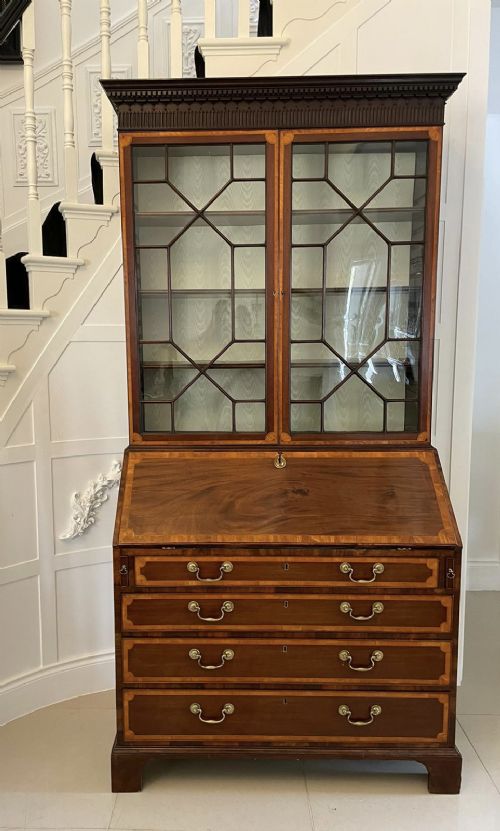
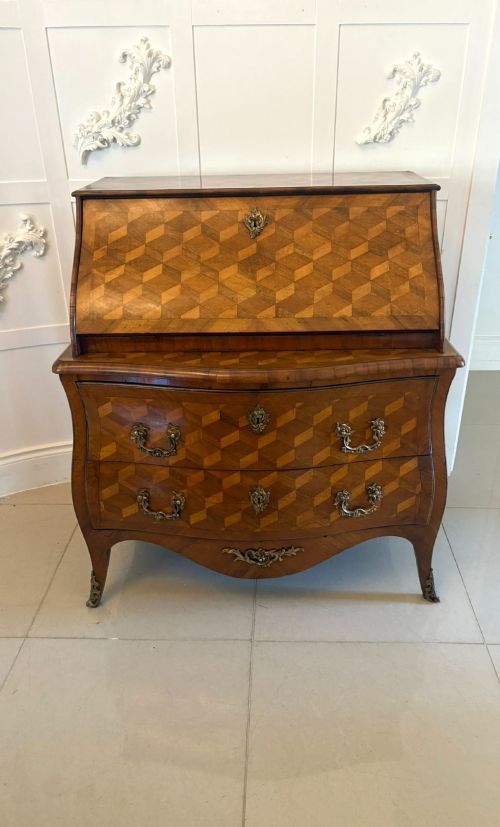
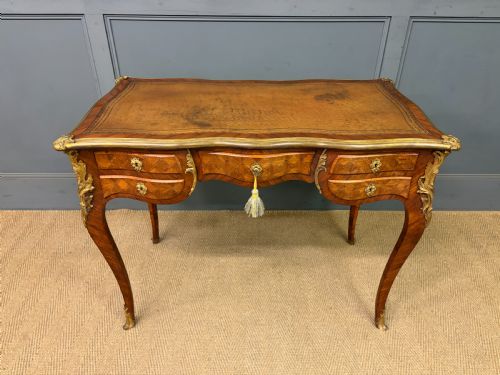
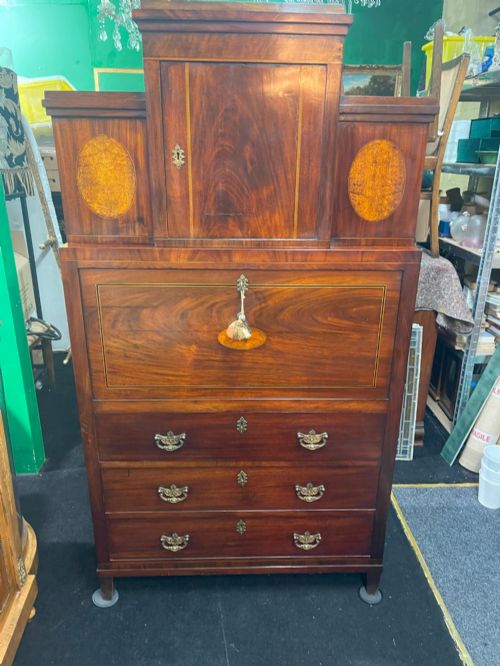
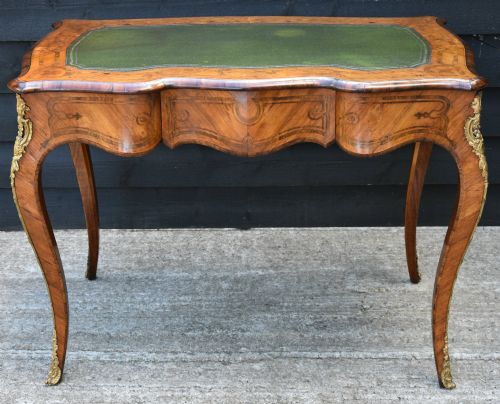
Buyers encounter diverse formats in this selection, including freestanding kidney-shaped tables, compact davenports, bureau bookcases, and Carlton house desks designed for domestic correspondence.
Origins stretch across British workshops, French ateliers, and Dutch studios, utilising distinct regional silhouettes from serpentine bureau bodies to straightforward writing tables.
Materials and construction
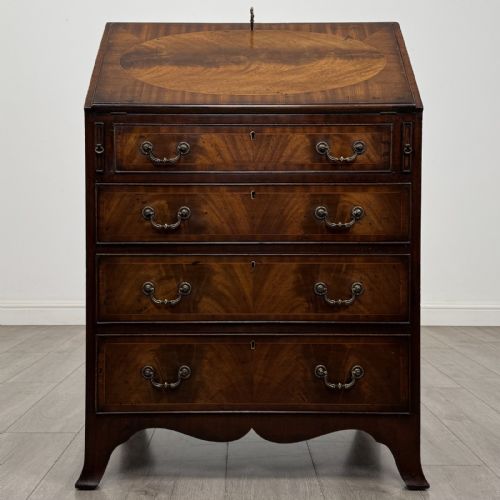
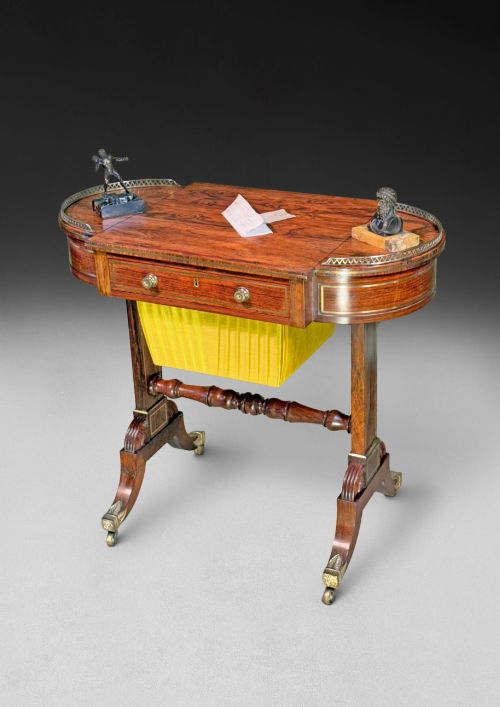
Cabinetmakers constructed these writing surfaces using sturdy carcases of mahogany, walnut, or rosewood, often enhanced by contrasting veneers of satinwood, kingwood, and burr walnut.
Decorative surface patterns rely on detailed marquetry and parquetry, sometimes complemented by brass mounts, ormolu accents, and inset leather writing panels.
Current listings feature items from the seventeenth, eighteenth, nineteenth, and early twentieth centuries, constructed in walnut, mahogany, rosewood, and satinwood.
Defining craftsmanship
Superior examples distinguish themselves through the precision of the timber matching and the complexity of the floral or geometric marquetry inlay across drawers and writing surfaces.
The integration of secondary timbers, the crispness of hand-cut joints, and the retention of original brass hardware or fitted interior compartments elevate certain pieces above standard utility furniture.
Edwards & Roberts·Maple & Co·JAS Shoolbred·Gillows Oxford Street Workshop
The Inlay Writing Desk Glossary
- Marquetry
- Decorative patterns formed by fitting together thin slices of wood veneer into pictorial designs. This technique often depicts floral sprays or architectural scenes across the desktop.
- Parquetry
- Geometric mosaic woodwork arranged in repeating patterns such as cubes or chequers. It frequently covers the surfaces of French revival writing tables.
- Secretaire
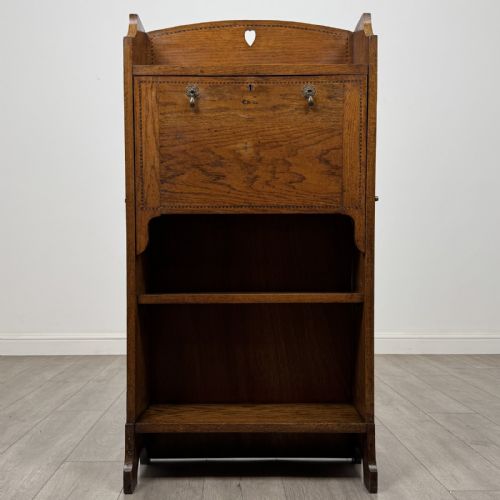
- A cabinet or chest containing a pull-down flap that serves as a writing surface. These hide smaller pigeonholes and drawers within the upper section.
- Davenport
- A compact pedestal desk featuring a sloping top for writing and side drawers. The design became particularly popular during the Victorian period.
- Ormolu
- Gilt bronze mounts applied to the corners and feet of finer desks. Makers utilised this material extensively on nineteenth-century French pieces.
Inlay Writing Desk: Frequently Asked Questions
What is an inlay writing desk?
An inlay writing desk is a piece of antique furniture designed for correspondence, featuring decorative wood veneers embedded into the primary surface.
These desks range from simple mahogany writing tables to elaborate bureau bookcases and French centre tables decorated with floral marquetry.
How do I identify the period?
Identifying the period involves examining the primary timber choice, structural silhouette, and the style of the decorative marquetry. Seventeenth-century pieces often display herringbone walnut veneers, while Edwardian versions favour lighter mahogany and satinwood.
Cabinetmaking techniques and secondary woods inside the drawers also provide reliable clues regarding the exact decade of manufacture.
Where should I place it?
Freestanding writing tables and kidney-shaped desks look best positioned in the middle of a study or living room, as their inlaid backs allow 360-degree viewing.
Bureaux and Davenport desks typically sit flat against a wall, making them suitable for smaller home office spaces or bedroom corners.
How do I care for the surface?
Maintaining an inlaid desk requires keeping the wood away from direct sunlight and maintaining stable room humidity to prevent veneer lifting. Regular dusting with a soft, dry cloth preserves the polished finish without harming the delicate timber inlays.
Leather writing inserts benefit from occasional specialist conditioning to keep the material supple over years of daily use.