



Inlaid Wooden Vanity
An inlaid wooden vanity brings together fine timber and meticulous craftsmanship to hold personal treasures.
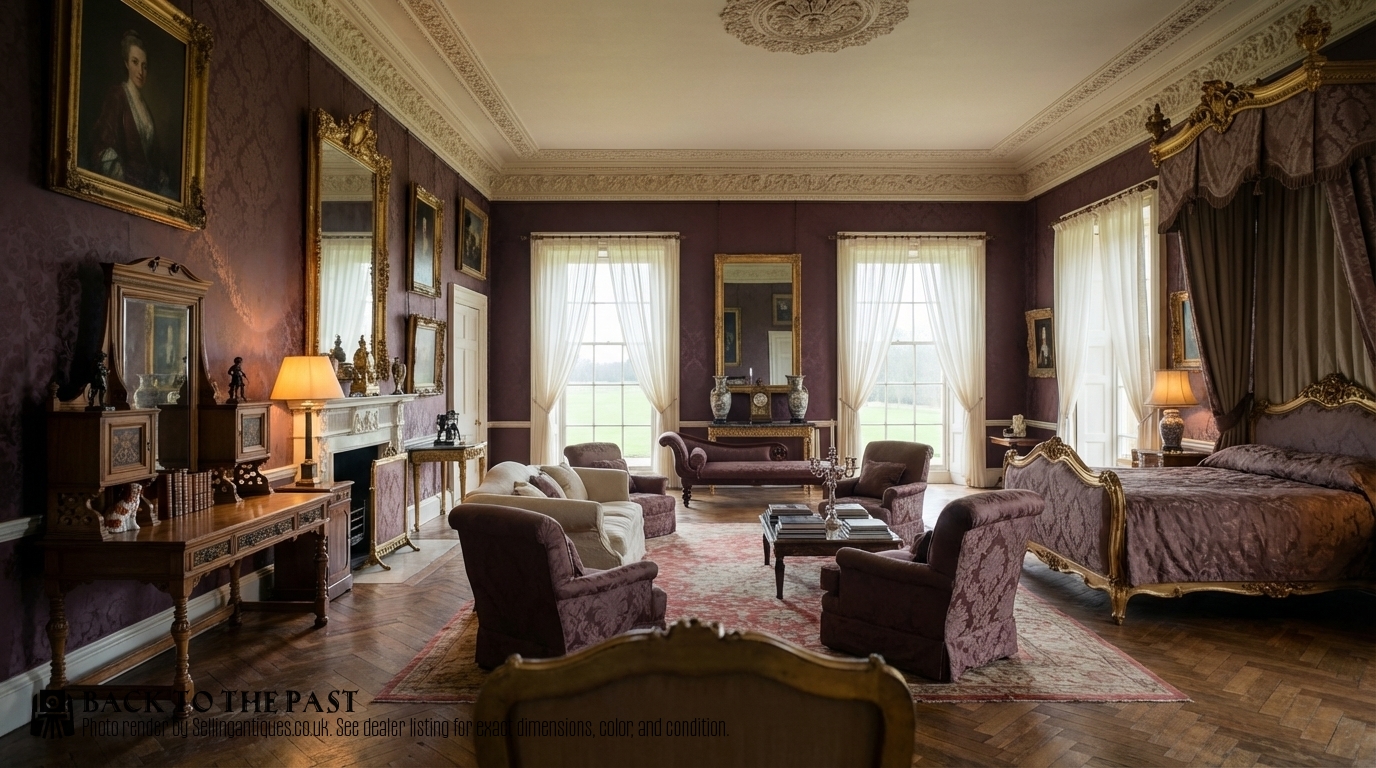
Inlaid Wooden Vanity
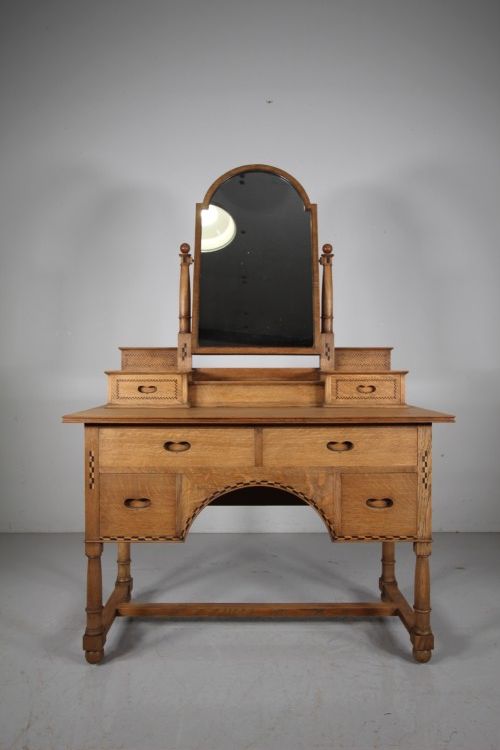
An inlaid wooden vanity encompasses small portable caskets, fitted dressing cases, and larger dressing tables created across the Georgian, Victorian, and Edwardian periods. These pieces serve to organise jewellery, letters, and cosmetic items using compartments, trays, and integrated mirrors.
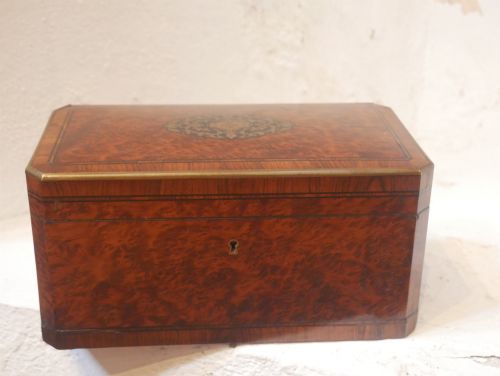
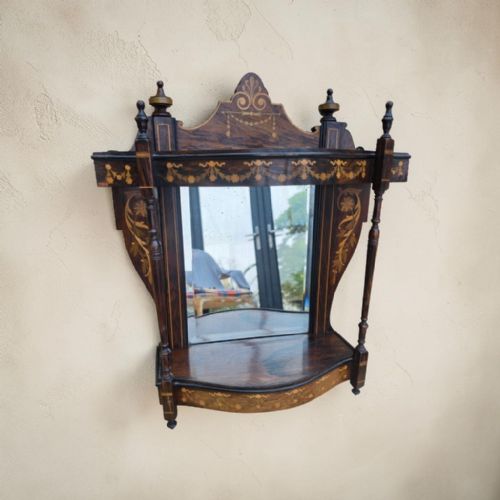
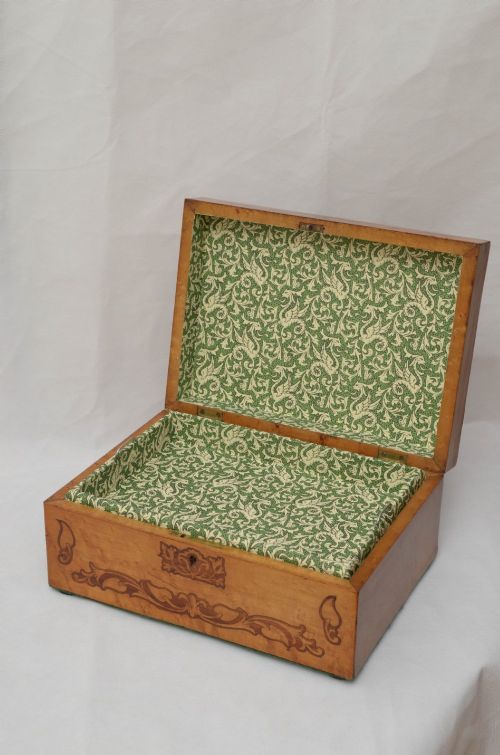
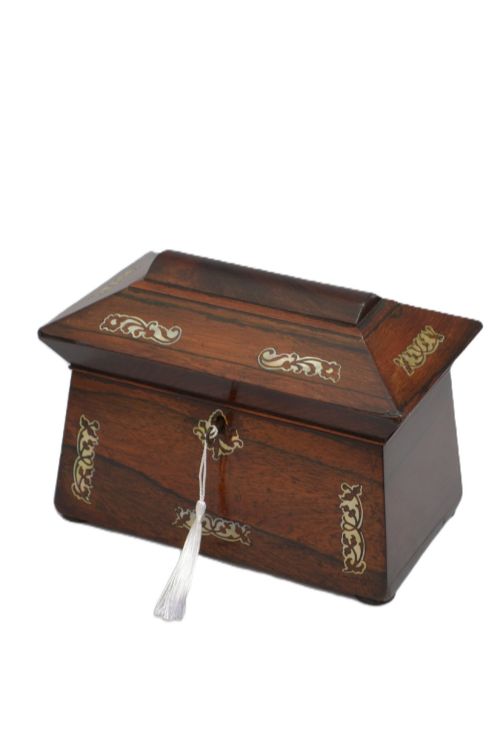
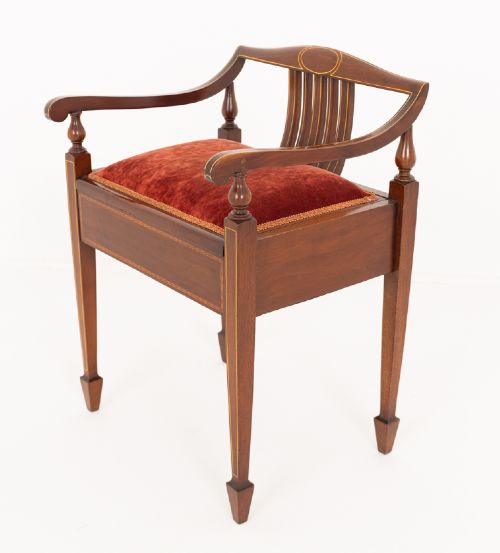
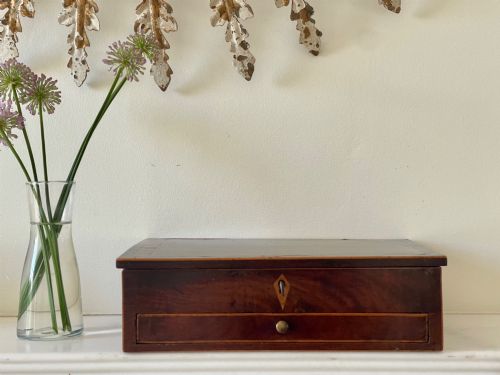
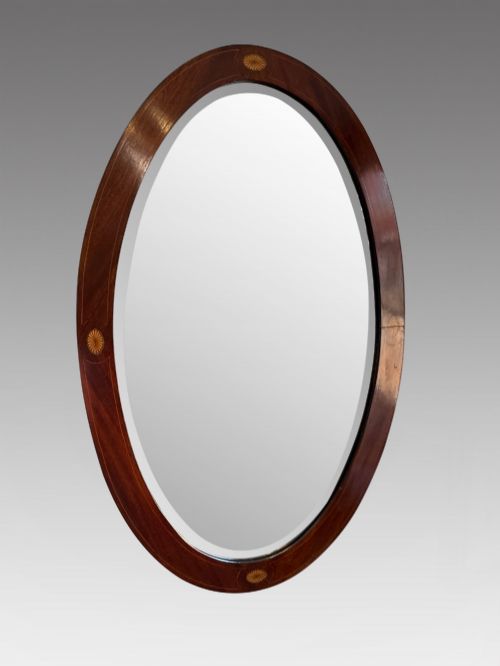
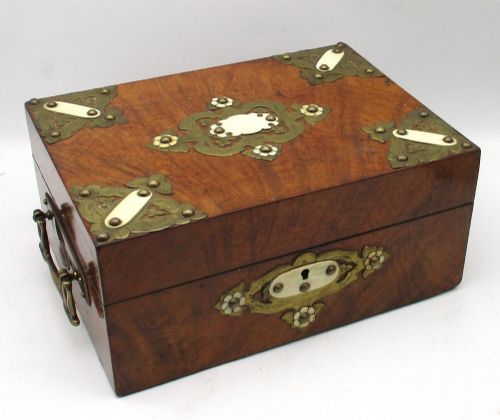
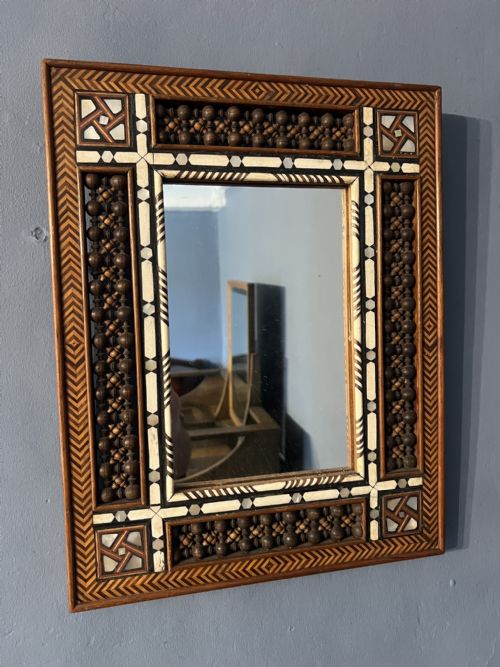
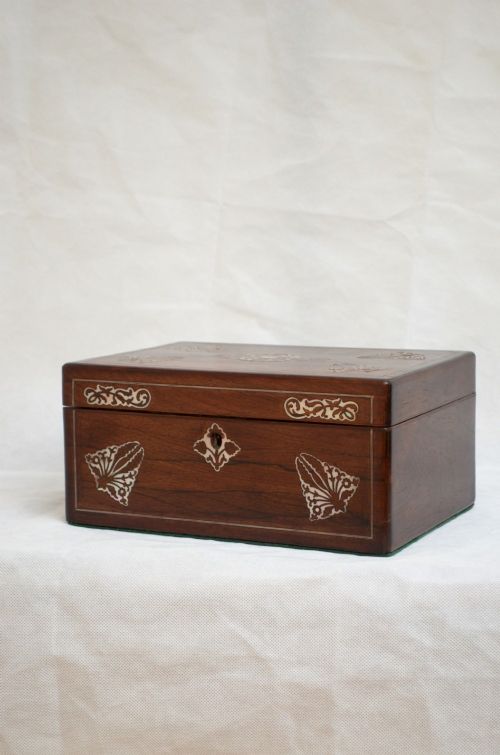
The varieties most frequently encountered on this page take the form of tabletop jewellery boxes, fitted vanity cases, and dressing table mirrors fashioned in rosewood, mahogany, and walnut. These smaller items display contrasting timber veneers and decorative motifs designed for use in the bedroom or boudoir.
Originating largely from British, French, and Dutch workshops, these pieces reflect the shifting domestic fashions of the nineteenth and early twentieth centuries. Makers applied decorative techniques ranging from geometric parquetry to elaborate floral marquetry, aligning with Regency, Sheraton Revival, and Arts and Crafts aesthetics.
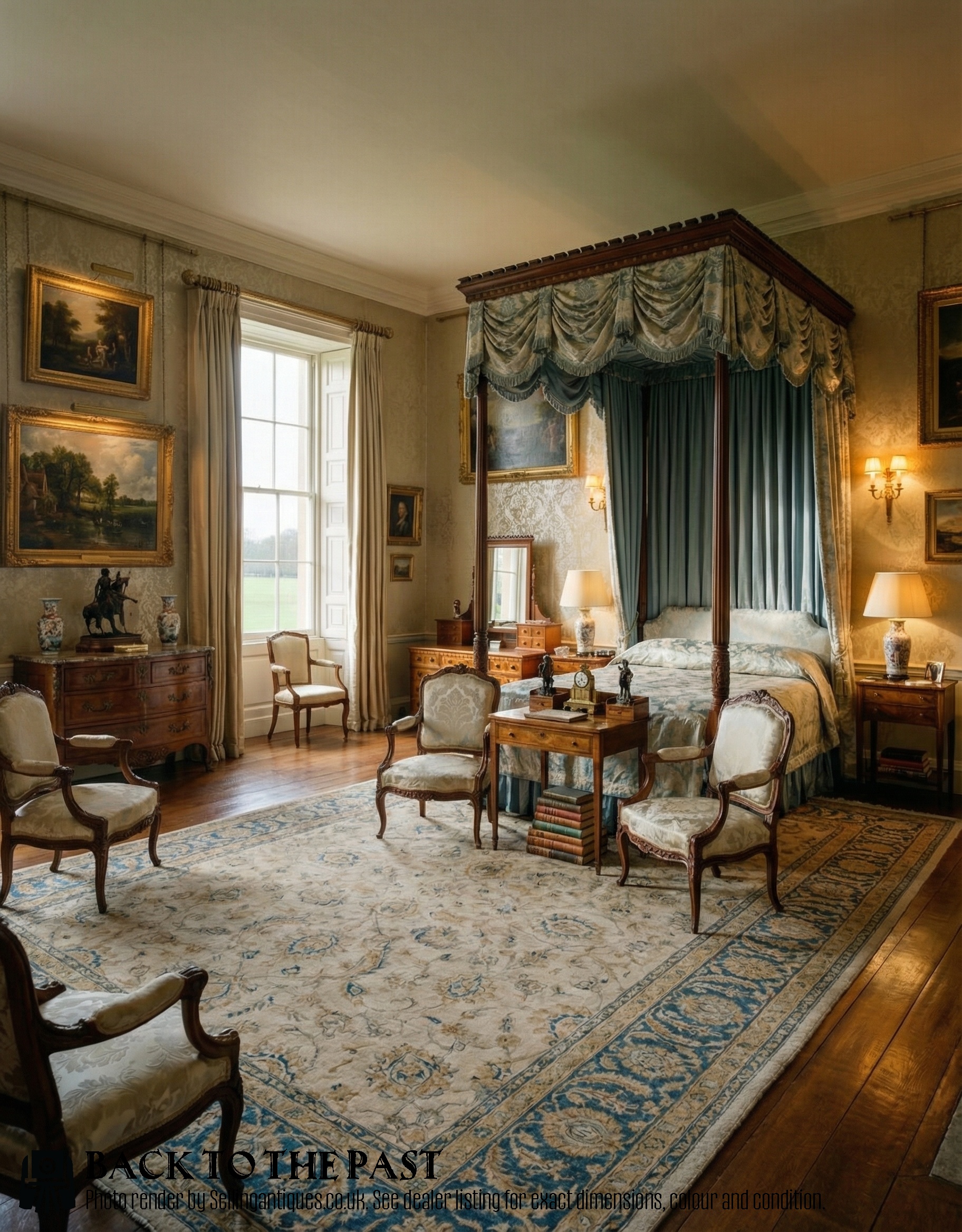
Materials and Construction
Cabinet makers constructed carcass frames from solid native and exotic hardwoods such as mahogany, rosewood, burr walnut, and coromandel. These dense timbers provide a stable foundation for decorative veneers and internal storage compartments.
Decoration relies on precision inlay work utilising contrasting elements like mother-of-pearl, bone, tulipwood, satinwood, and brass. Artisans embedded these materials into the timber surface to create geometric borders, floral sprays, and intricate marquetry panels.
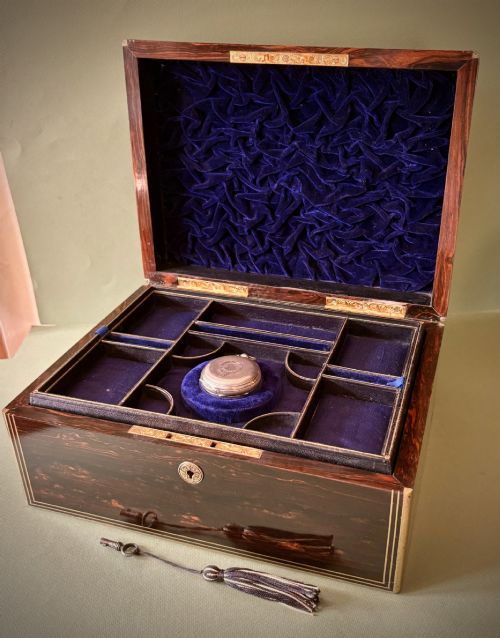
Fitted interiors incorporate glass mirrors, leather linings, silk trays, and compartments shaped to hold rings, trinkets, and writing equipment. Structural integrity depends on dovetail joints and carefully hung lids fitted with working brass locks and hinges.
Listings feature items from the Georgian, Victorian, and Edwardian periods, constructed in rosewood, mahogany, walnut, and satinwood.
Factors of Quality
The distinction between ordinary and superior pieces rests on the precision of the timber selection and the complexity of the inlay work. Finer examples display symmetrical grain patterns, such as flame mahogany or burr walnut, combined with cleanly cut mother-of-pearl or contrasting wood marquetry.
Internal organisation and completeness determine the standard of a vanity or jewellery box. Superior items retain their original fitted trays, working locks, intact silk or velvet linings, and mercury glass mirrors without clouding.
The reputation of the maker or workshop influences the standing of a piece, with labelled London firms and known Parisian makers demonstrating higher standards of joinery and hardware. The crispness of the exterior carving and the seamless fit of compartment lids indicate the level of skill invested in the creation.
Tahan Paris·H Mitchell·Maison Pretot Paris·Gillows
The Inlaid Wooden Vanity Glossary
- Marquetry
- Decorative patterns formed by fitting together thin slices of wood veneer, shell, or ivory onto a structural surface. This technique allows artisans to produce pictorial scenes and flowing floral designs.
- Parquetry
- Geometric mosaic woodwork arranged in repeating patterns such as cubes or chequers. It creates a structured, architectural surface on boxes and tables.
- Mother-of-Pearl
- The iridescent inner layer of mollusc shells, sliced into thin sections and embedded into wood. It provides a luminous contrast against dark timbers like rosewood and coromandel.
- Burr Walnut
- Wood harvested from the knotted growths of walnut trees, producing swirling, highly figured grain patterns. Cabinet makers prized this material for the striking visual texture it brought to veneered surfaces.
- Lowboy
- A small colonial or British table with drawers, typically standing on four legs, used for grooming or holding personal items. It bridges the form between a side table and a dressing chest.
Inlaid Wooden Vanity: Frequently Asked Questions
What is the difference between a vanity box and a jewellery box?
A vanity box, or dressing case, typically contains a fitted interior designed to hold glass bottles, jars, and grooming implements alongside compartments for jewellery. These pieces were made for travel or domestic use on a dressing table.
Jewellery boxes focus specifically on storage for rings, necklaces, and keepsakes, featuring velvet trays and smaller compartments without the dedicated space for toiletry bottles.
Are these vanity boxes meant for daily use?
These pieces serve well for storing modern trinkets, watches, and small personal accessories when handled with care. The historic linings and delicate veneer require gentle treatment to preserve their condition.
Placing items with moisture or heavy weight inside can damage fragile silk interiors or historic wood surfaces. Regular dusting and stable room humidity help maintain the timber and brass hardware.
How can I tell the period of an antique inlaid box?
Stylistic indicators such as Regency brass inlay, Victorian rosewood parquetry, or Edwardian satinwood banding point to specific eras of manufacture. Construction methods, including hand-cut dovetails and the type of internal hardware, also assist in dating.
Parks, maker labels, or stamps on the locks and woodwork provide direct evidence of origin and timeframe.