
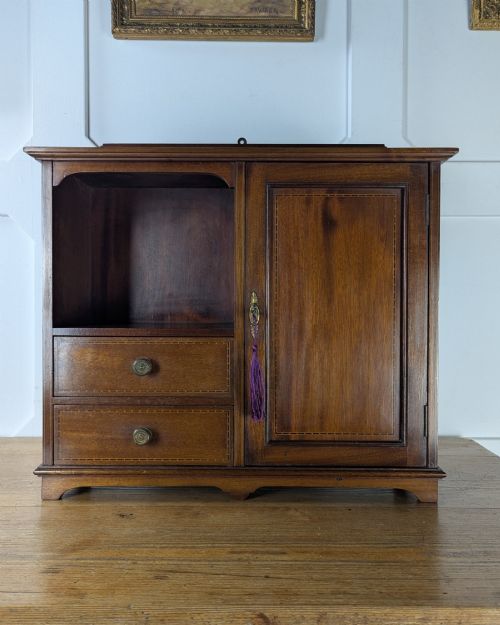
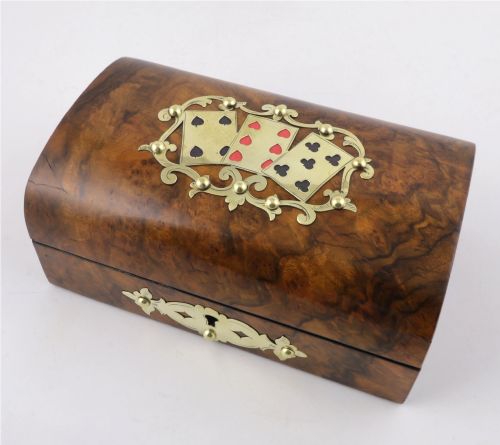
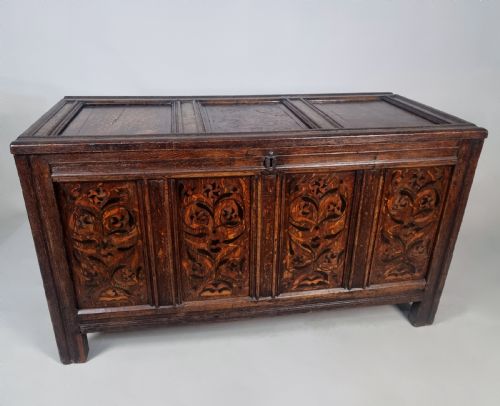
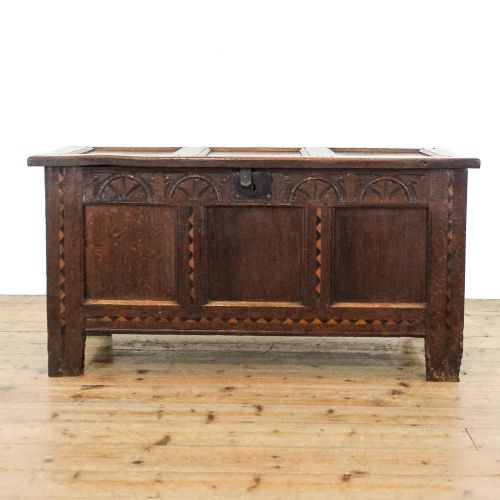
Inlaid Wooden Storage Box
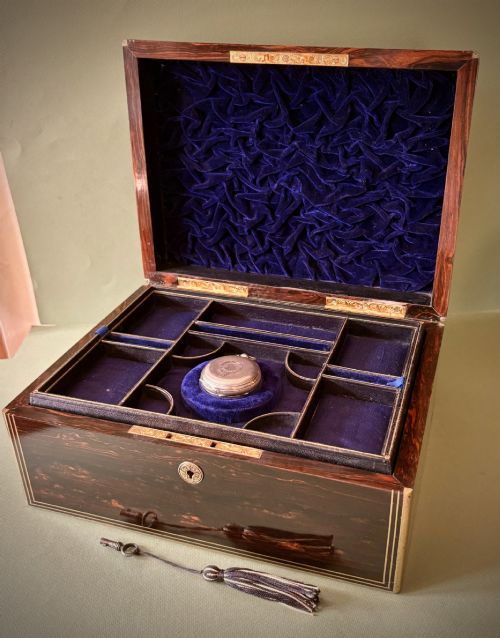
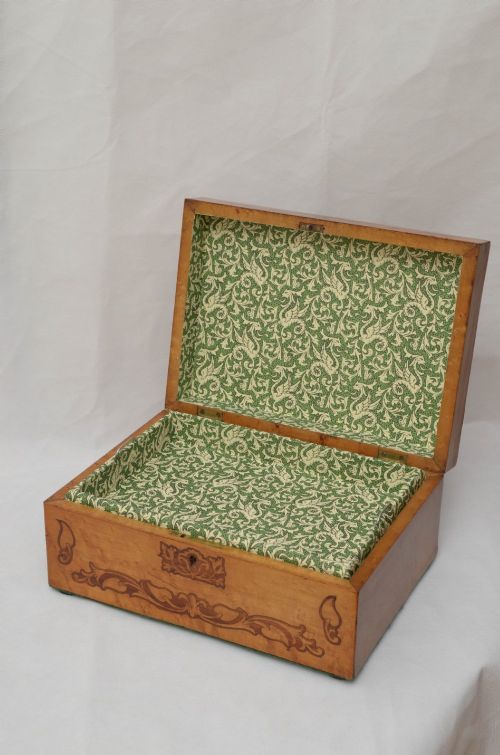
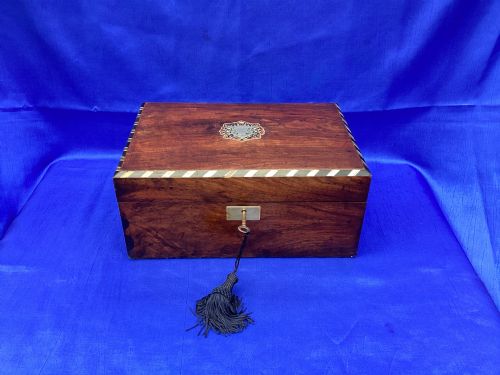
An inlaid wooden storage box holds small treasures or larger textiles, bringing centuries of cabinet-making skill straight into a modern room.
Inlaid Wooden Storage Box
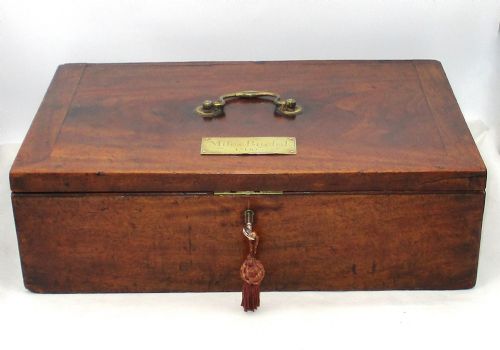
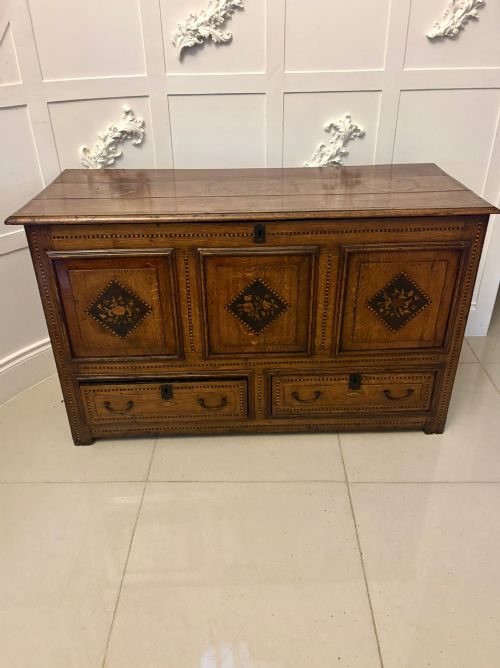
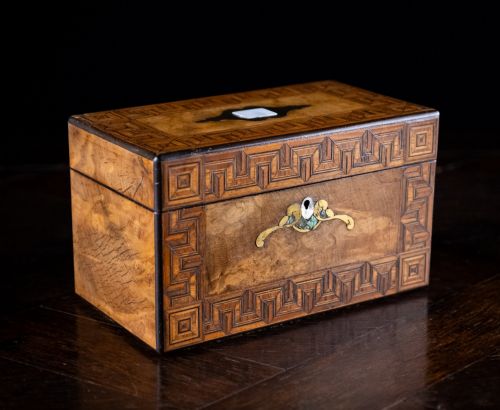
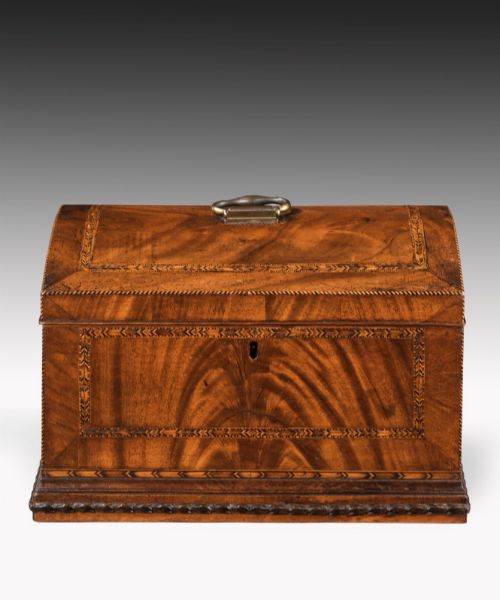
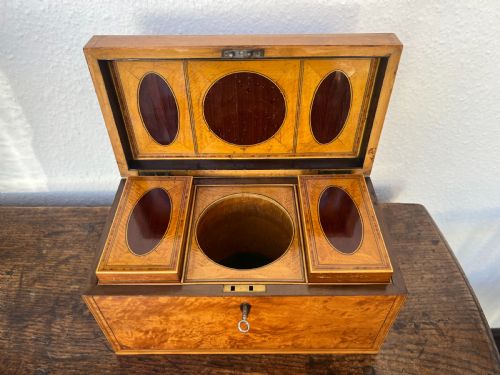
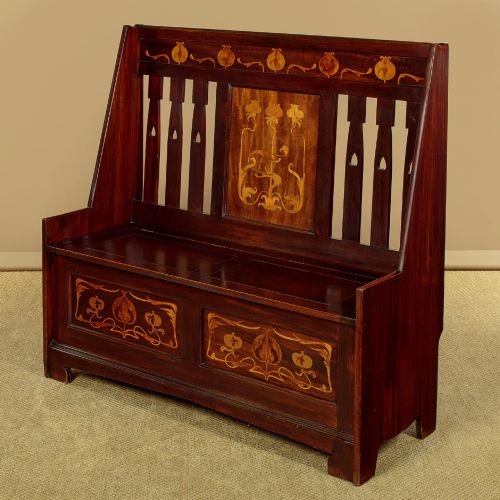
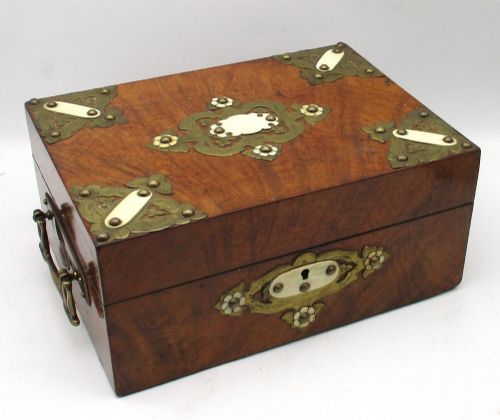
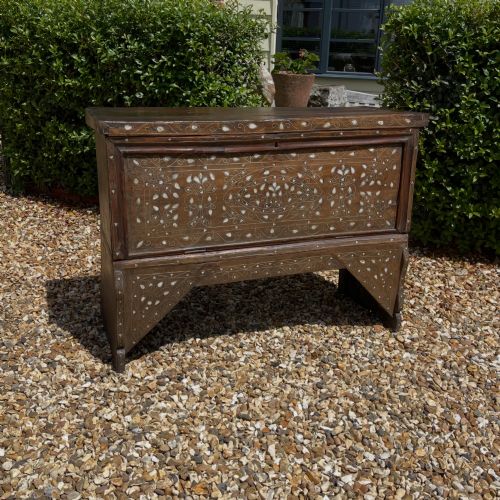
An inlaid wooden storage box encompasses a wide variety of domestic containers, ranging from tea caddies and jewellery boxes to large oak coffers and trunks.
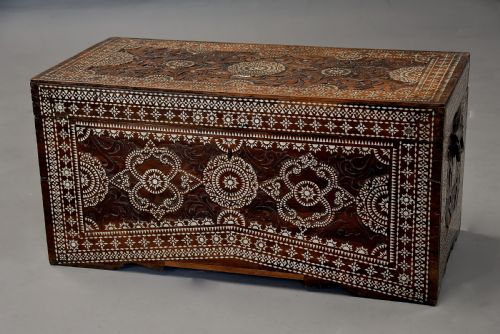
Buyers browsing this selection will most frequently encounter Georgian and Victorian specimens, alongside earlier seventeenth-century coffers and pieces featuring Middle Eastern or Tunbridge ware motifs.
Construction and materials
Cabinet makers utilised dense hardwoods such as mahogany, rosewood, walnut, satinwood, and oak as the foundational structure for these containers.
Decorative surface patterns were achieved by embedding contrasting materials like boxwood, brass, mother-of-pearl, and bone directly into the timber.
Periods represented span from the 17th century through the Georgian, Regency, and Victorian eras up to the early 20th century.
Judging quality and craftsmanship
The standard of an inlaid wooden storage box rests upon the precision of the joinery and the complexity of the contrasting wood or metal motifs integrated into the surface.
Superior examples display crisp detailing in carved elements and well-preserved interior fittings, whereas lesser pieces show simpler construction and heavier wear to the veneer.
James Shoolbred & Co·Holtzapffel and Co
The Inlaid Wooden Storage Box Glossary
- Inlay
- A technique where pieces of contrasting material are embedded into a recessed wooden surface to form a decorative pattern. This method defines the appearance of the entire selection.
- Tea caddy
- A small container originally designed to store loose tea leaves securely. These often feature internal compartments and secure locks.
- Coffer
- A large, heavy chest typically constructed from oak and utilised for storing household valuables or textiles. They frequently display period carving and marquetry.
- Tunbridge ware
- A specific type of decorative woodwork characterised by tiny mosaic tiles formed from naturally coloured woods to create pictorial designs. It appears prominently on nineteenth-century boxes.
- Marquetry
- The art of applying veneer slices in geometric or pictorial designs to a wooden structure. This technique requires significant precision from the cabinet maker.
Inlaid Wooden Storage Box: Frequently Asked Questions
What were tea caddies used for?
Tea caddies served to store expensive tea leaves securely under lock and key in period households.
Their internal compartments kept different varieties separated before tea became an everyday commodity.
How do I date an oak coffer?
Dating relies upon the joinery methods, such as pegged mortise and tenon joints, alongside the style of any carved panels or inlay.
Seventeenth-century pieces typically show heavier construction and distinct architectural motifs compared to later variants.
Where were Tunbridge ware boxes made?
These distinctive items originated in the spa town of Royal Tunbridge Wells during the nineteenth century.
Local workshops specialised in assembling intricate mosaic patterns from dozens of different native and foreign woods.
Can I use these boxes for modern storage?
These containers suit everyday organisation for modern items like jewellery, playing cards, or desk accessories.
Their solid wood construction and historic charm allow them to function practically on display within contemporary living spaces.