
Inlaid Wood Table Top
An inlaid wood table top brings together decorative timber work and functional furniture across Georgian, Regency, and Edwardian periods.
Inlaid Wood Table Top
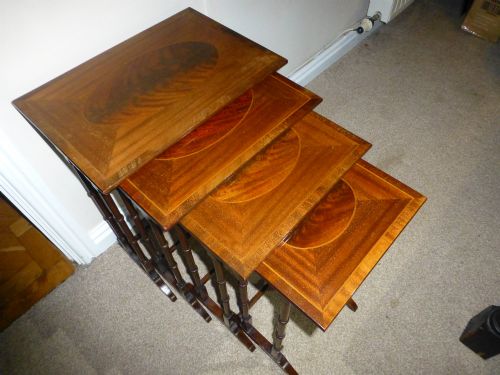
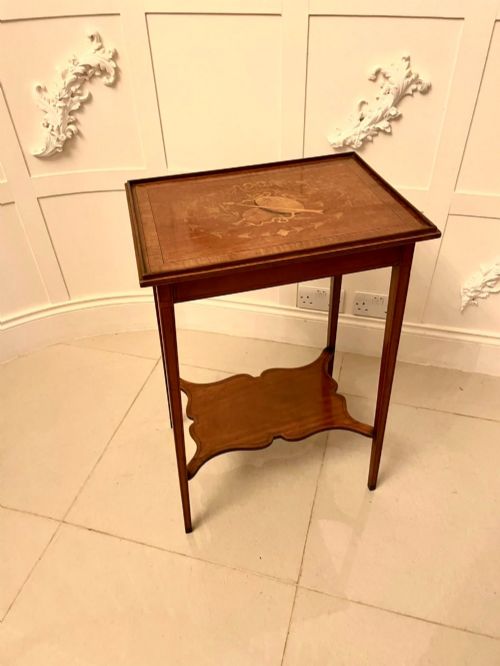
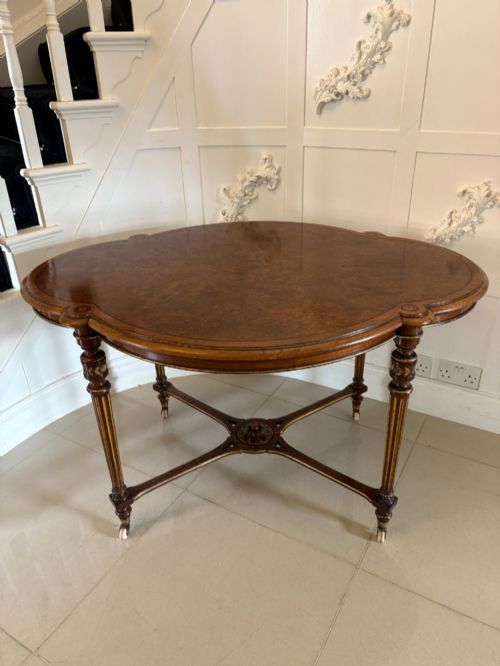
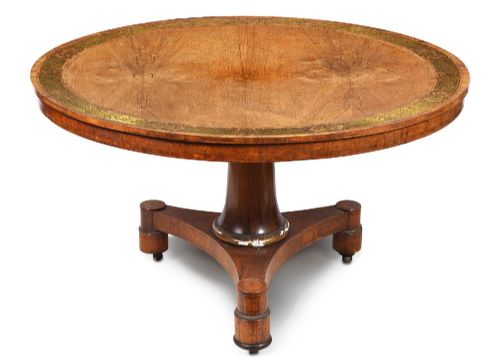
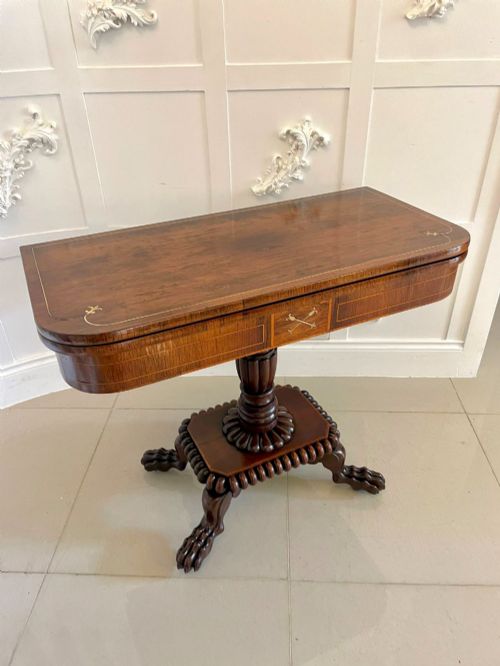
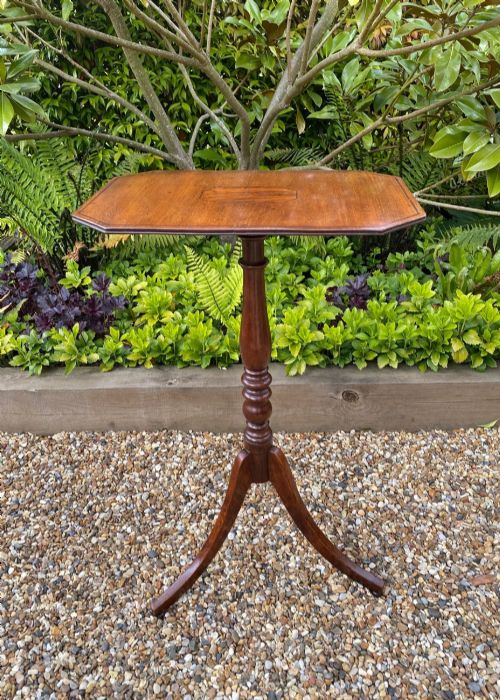
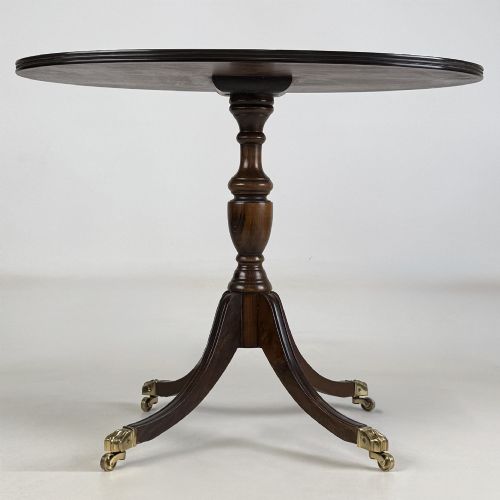
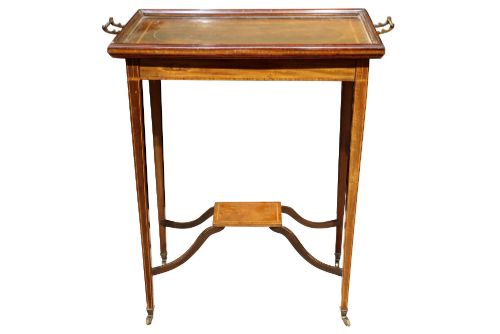
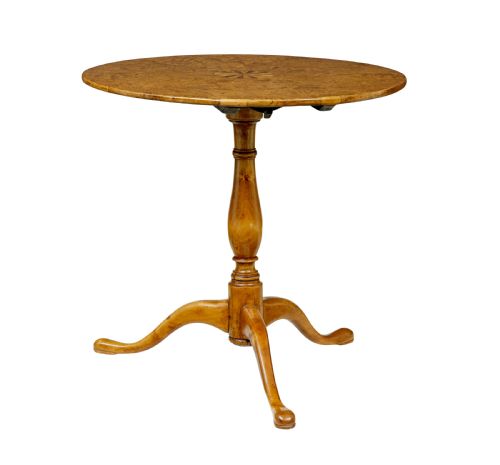
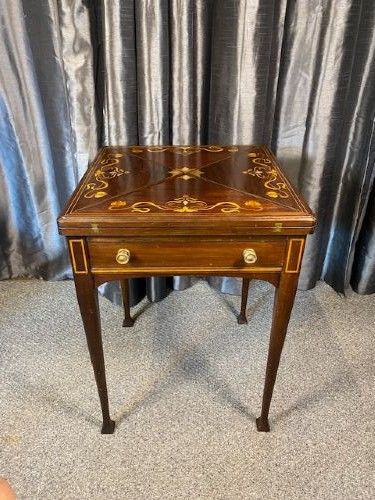
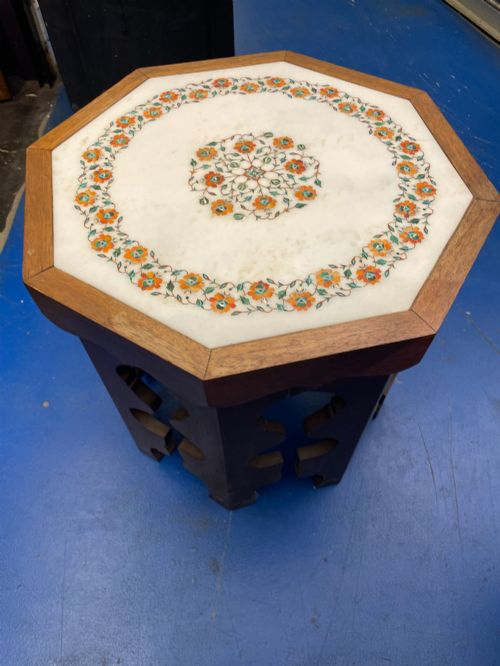
An inlaid wood table top forms the decorative surface of various furniture forms, including card tables, Pembroke tables, centre tables, and occasional stands.
The selections span from the eighteenth-century Georgian era through the Regency period and into the Edwardian years, showcasing diverse regional craft.
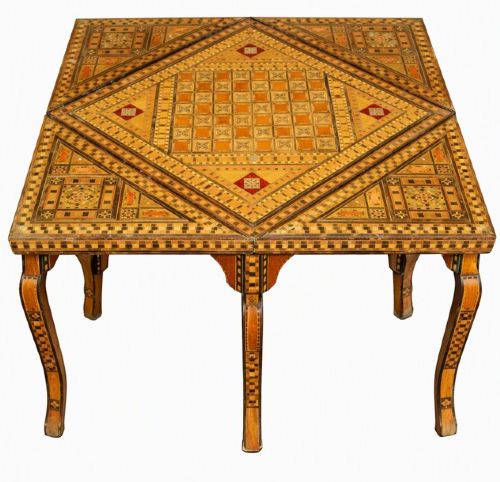
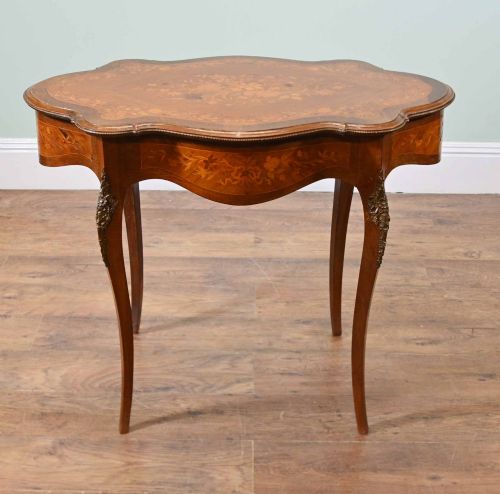
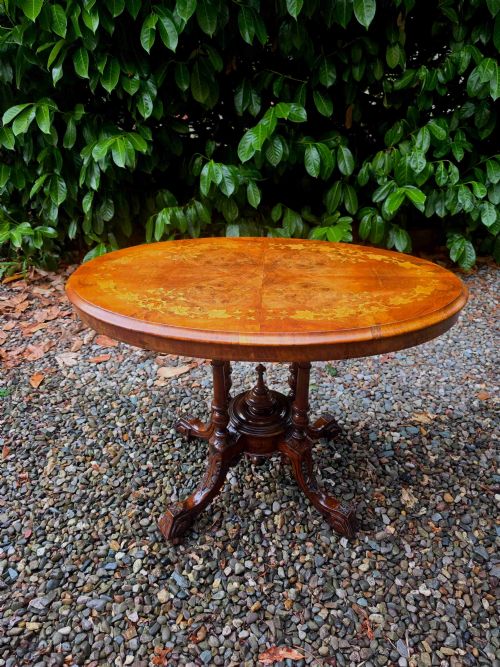
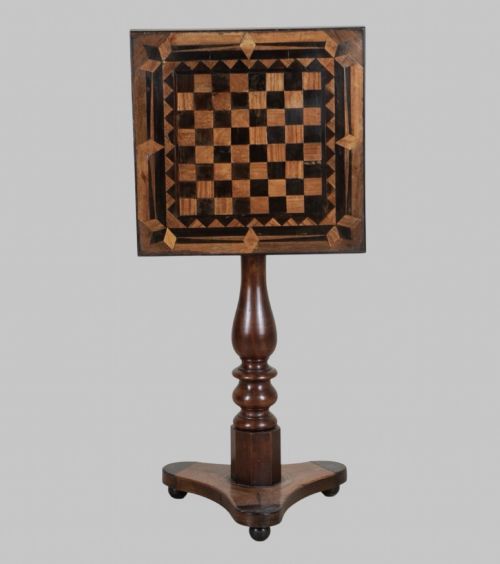
Buyers frequently encounter mahogany, rosewood, and satinwood examples decorated with geometric lines, chess boards, or complex floral marquetry.
What varies in quality
The distinction between tiers rests upon the precision of the timber matching and the complexity of the figuration within the grain.
Finer specimens display meticulous alignment in multi-wood parquetry and intricate brass or ivory stringing without gaps along the joints.
The selection includes specimens featuring exotic specimen woods, burr walnut, and intricate floral marquetry from British, French, and Italian workshops.
Amleto Bertoni·Ralph Turnbull·Egan Workshop·Gill & Reigate
The Inlaid Wood Table Top Glossary
- Marquetry
- The art of forming decorative patterns by fitting together veneer pieces of various woods and materials. This technique allows for elaborate pictorial or floral designs across flat surfaces.
- Parquetry
- Geometric mosaic woodwork arranged in regular patterns like cubes or herringbone. It creates durable, decorative surfaces often found on table tops and flooring.
- Satinwood
- A lustrous, yellow-toned timber prized for its fine grain and reflective sheen. Cabinet makers utilised it extensively during the Georgian and Edwardian periods for contrasting borders.
- Tilt-top
- A mechanism allowing the surface to pivot upright for storage against a wall when not in active use. These tables often feature circular tops supported on pedestal bases.
- Stringing
- Thin strips of contrasting wood or brass inlaid into channels cut into the primary surface. It provides delicate framing borders on table edges and drawer fronts.
Inlaid Wood Table Top: Frequently Asked Questions
How do I identify a Regency table top?
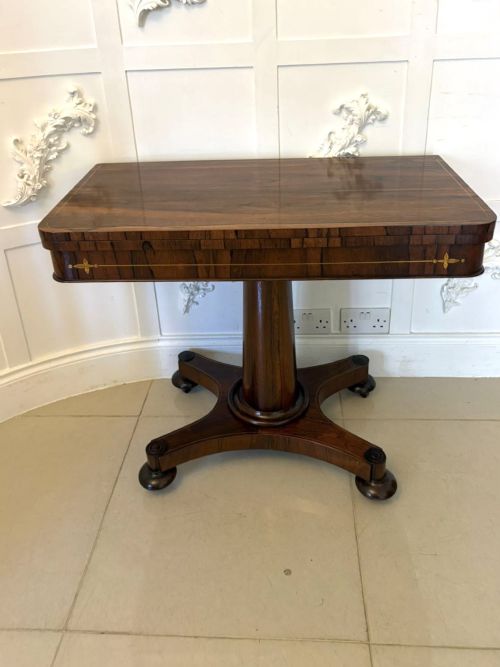
Regency pieces often feature dark rosewood surfaces accented with precise brass stringing or geometric banding. The proportions typically reflect classical revival influences popular in the early nineteenth century.
Examine the construction methods underneath, as the joinery and secondary timbers offer clear clues to the manufacturing decade.
What woods were used for inlay work?
Cabinet makers selected contrasting timbers to achieve sharp visual definition against darker primary woods. Satinwood, boxwood, kingwood, and various specimen woods appear frequently.
More elaborate examples incorporate mother-of-pearl, ivory, or metal alongside traditional timber veneers.
How do I care for an antique surface?
Protect the timber from direct sunlight and sudden temperature shifts to prevent veneer lifting or wood splitting. Maintain a stable indoor climate and avoid placing hot items directly on the polish.
Apply high-quality beeswax periodically to nourish the grain and preserve the historic finish without building up heavy residue.
Are chess boards common on these tables?
Integrated gaming surfaces appear regularly on occasional and card tables from the Georgian and Victorian eras. These incorporate alternating light and dark wood squares into the centre of the design.
Such dual-purpose items served both social entertainment and everyday display functions in period drawing rooms.