
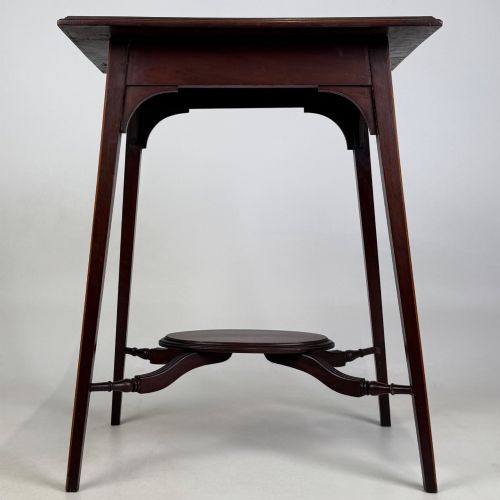
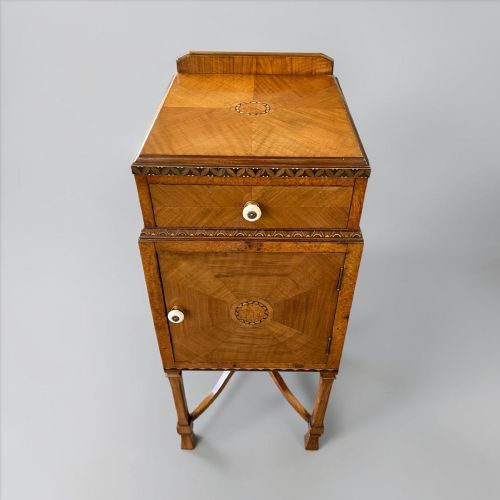
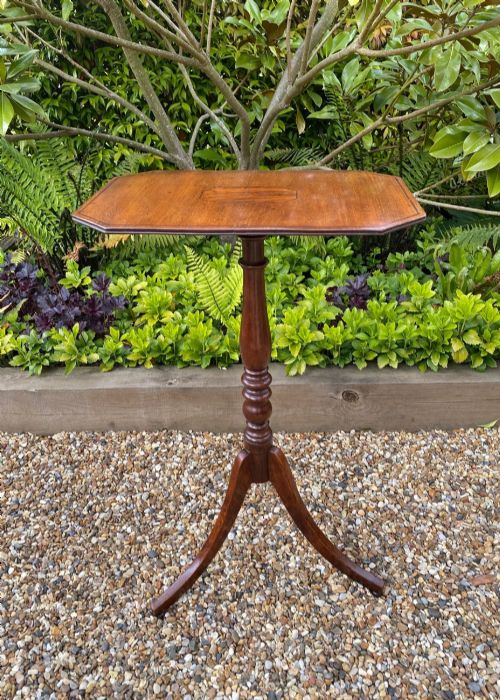
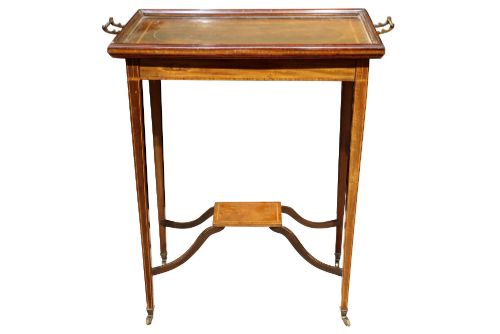
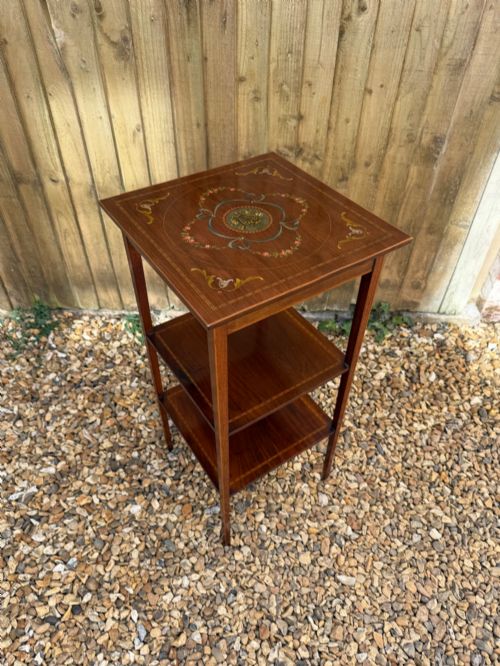
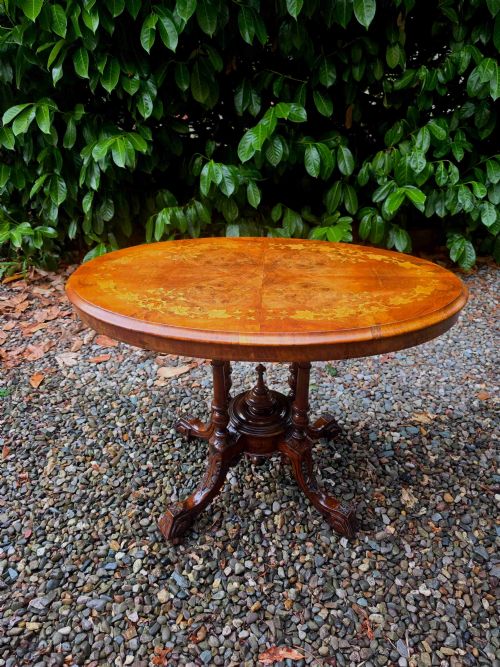
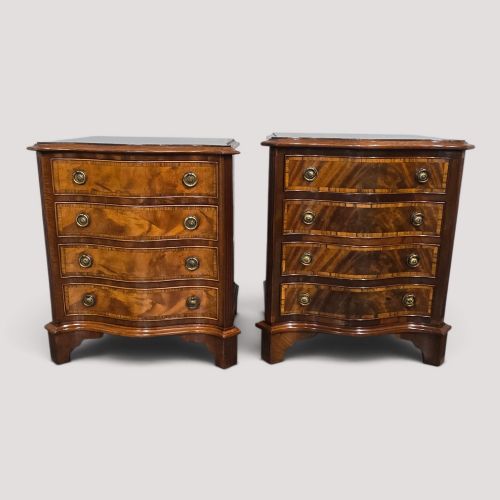
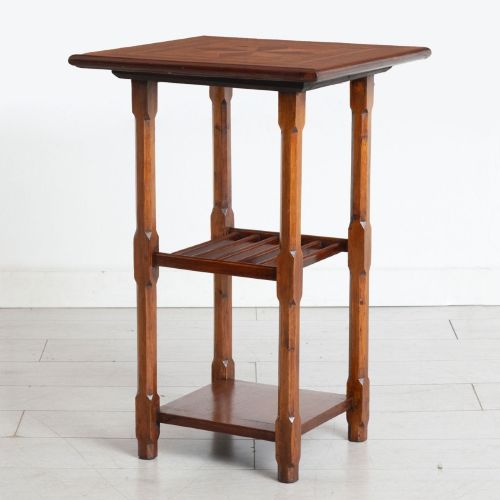
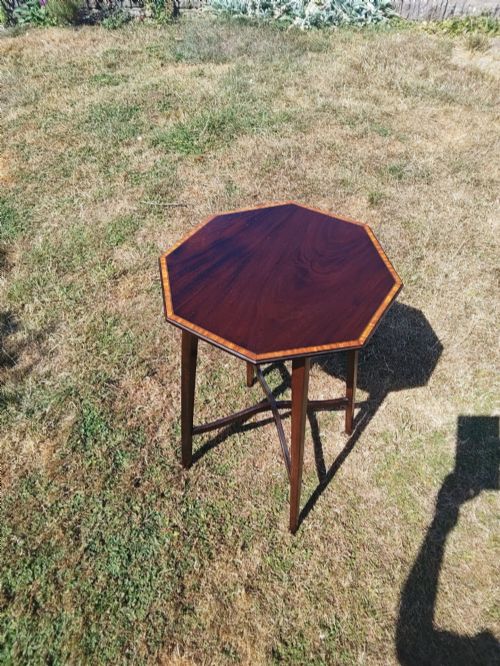
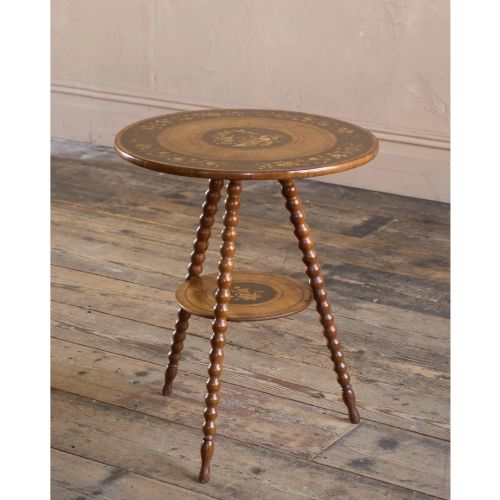
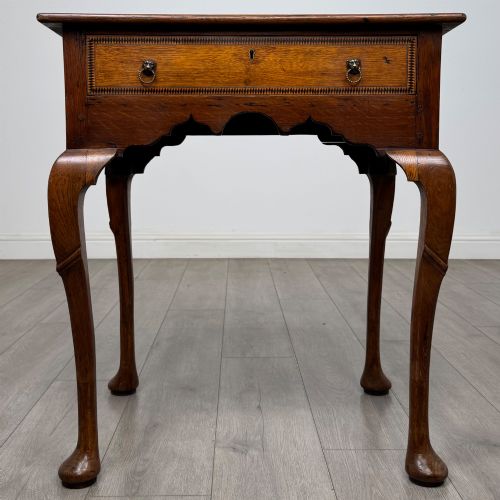

Inlaid Wood Lamp Table
When you search for an inlaid wood lamp table, you find pieces designed to hold illumination and small decorative objects.
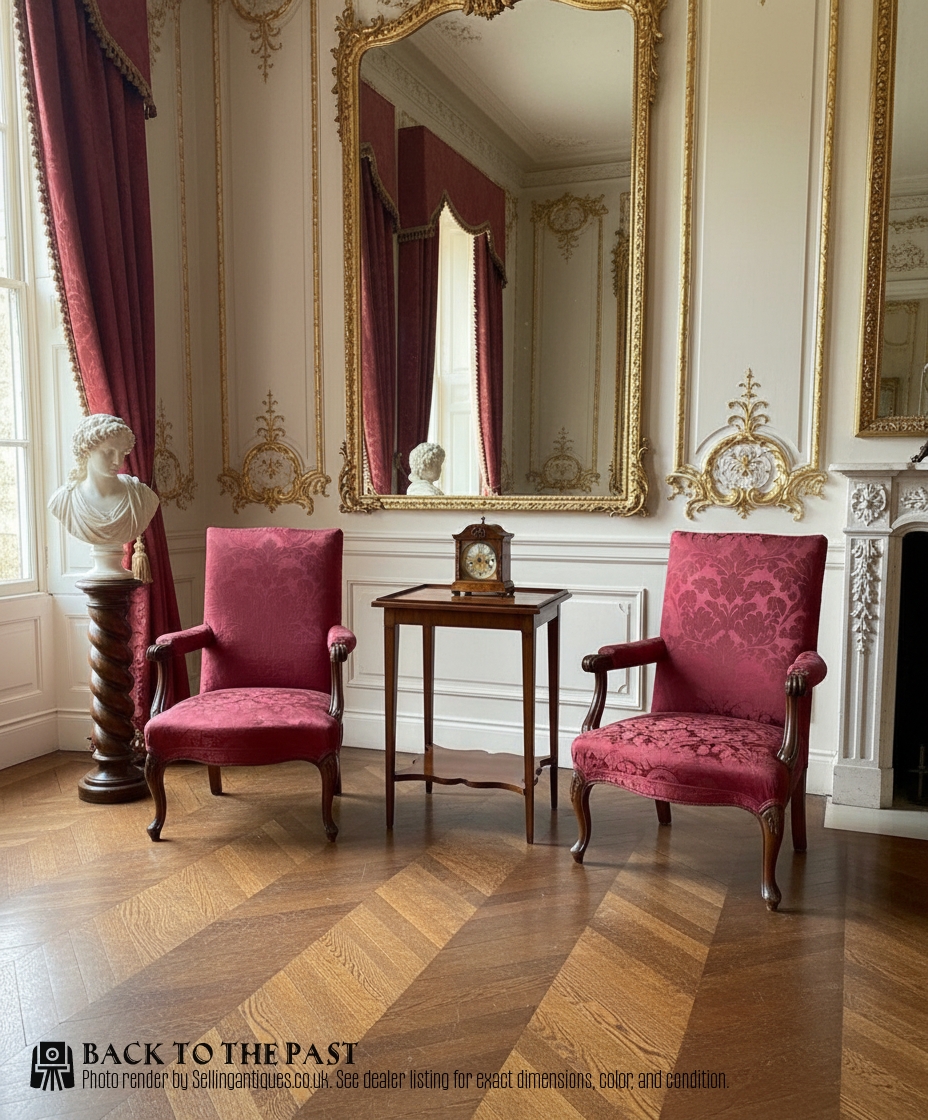
Inlaid Wood Lamp Table
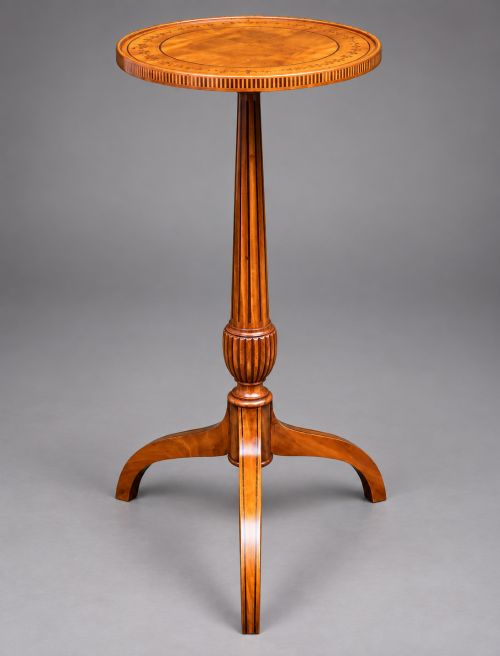
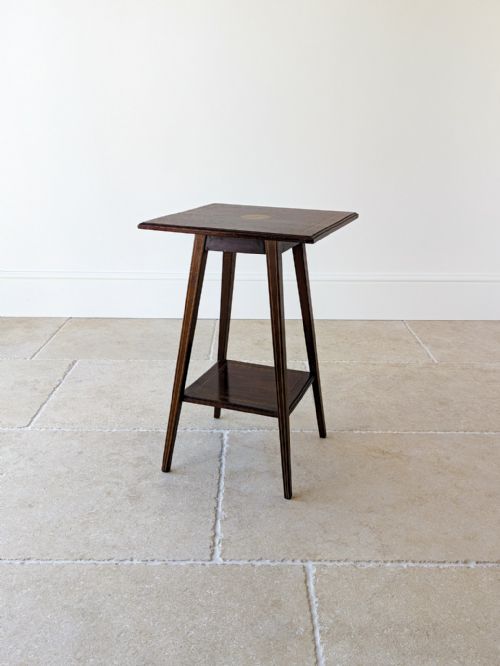
An inlaid wood lamp table functions as a stable surface for lighting, often taking the form of an occasional, side, or wine table. These pieces appear frequently from Edwardian and Victorian periods, alongside earlier Regency examples.
Makers utilised various formats, including circular, octagonal, and square tops, supported by single pedestals or multiple legs. The primary role of these furniture items involves supporting lamps and small domestic objects while displaying decorative wood surfaces.
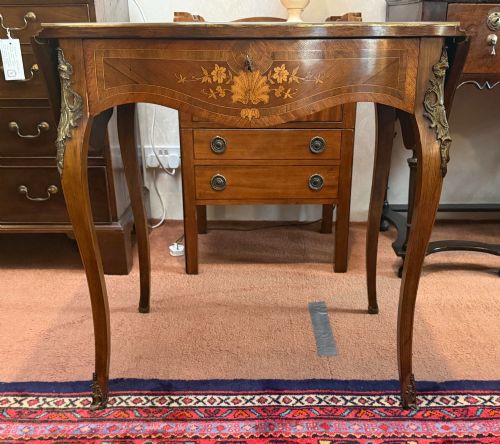
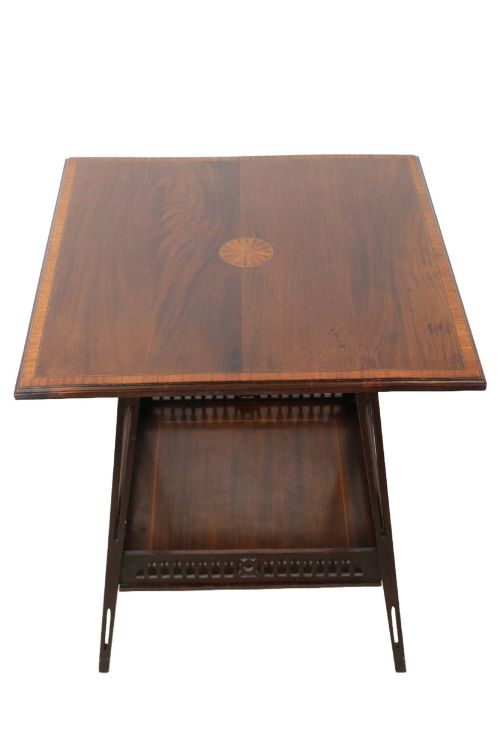
Victorian and Edwardian variations dominate current selections, featuring contrasting timber borders and detailed floral or geometric marquetry. Buyers encounter these versatile pieces in drawing rooms, hallways, and living spaces.
How they were made
Craftsmen built these tables using solid timber frames and applied decorative veneers of mahogany, rosewood, satinwood, and walnut. Wood inlay and marquetry techniques formed intricate patterns across the table tops using contrasting materials like boxwood and brass.
Joinery methods varied according to the period, employing traditional mortise and tenon joints for structural stability. Turned legs, bobbin supports, and pedestal bases provided the foundation for the veneered and inlaid surfaces above.
Some tables feature secret compartments designed for sewing implements or cards, hidden beneath the inlaid wooden surfaces.
What varies in quality
The precision of the wood inlay work distinguishes simpler utility pieces from high-status examples. Fine execution shows tight joints in the marquetry without noticeable gaps or excessive filler.
Choice of primary and secondary timbers affects the overall standard of construction. Dense hardwoods like rosewood and figured veneers such as burr walnut indicate superior material selection by the maker.
Trevor Page And Co·Edwards And Roberts·Collingson And Lock
The Inlaid Wood Lamp Table Glossary
- Marquetry
- The art of forming decorative patterns on a wooden surface by fitting together small pieces of veneer. This technique creates pictorial or geometric designs using various coloured woods.
- Satinwood
- A durable, lustrous timber with a yellowish colour often used for fine furniture veneers. Cabinet makers favoured it during the Sheraton revival and Edwardian periods for contrasting borders.
- Brass strung
- Inlaid thin lines of brass set into channels cut into the wood surface. Regency pieces frequently incorporate this detail along table edges and legs.
- Cross banding
- A border technique where veneer strips run perpendicular to the central grain. This frames the main panel of an inlaid wood lamp table.
Inlaid Wood Lamp Table: Frequently Asked Questions
What is an inlaid wood lamp table?
An inlaid wood lamp table is a small decorative surface designed to hold lighting and small objects in living spaces. These pieces combine functional furniture forms with detailed wood veneers and marquetry patterns.
Craftsmen produced these tables across multiple decades, resulting in varied shapes including circular, octagonal, and rectangular tops supported by pedestals or legs.
How do I date an inlaid wood lamp table?
Dating relies on examining the timber species, construction methods, and decorative styles present in the piece. Victorian and Edwardian examples often feature rosewood or mahogany with distinct floral marquetry.
Earlier Regency items incorporate brass stringing and specific pedestal configurations. Comparing the secondary woods and joinery helps confirm the period of manufacture.
Where should I place a lamp table?
These tables fit easily beside seating arrangements, in hallways, or against drawing room walls to support illumination. Their compact proportions allow them to function as side tables or occasional stands.
Placing them away from direct heat sources protects the delicate wood veneers and inlaid surfaces from drying out or warping.
How do I care for antique wood tables?
Caring for these items involves maintaining stable room humidity and avoiding placement in direct sunlight. Gentle cleaning with a soft cloth preserves the polished surface without damaging the historic finish.
Applying occasional appropriate wax maintains the lustre of the timber and protects the delicate marquetry details.