
Inlaid Wood Credenza Cabinet
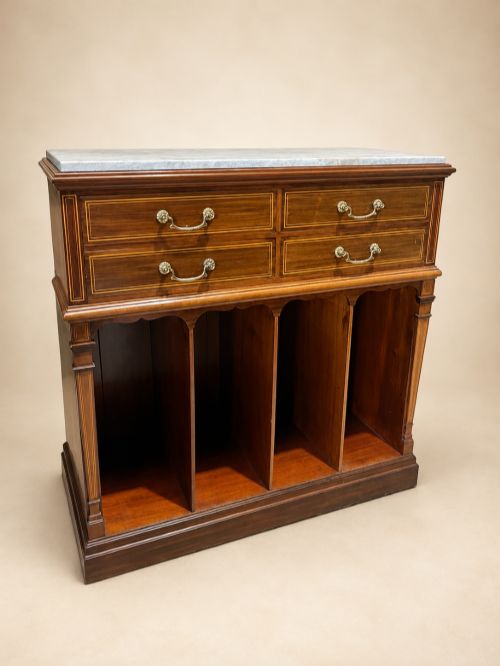
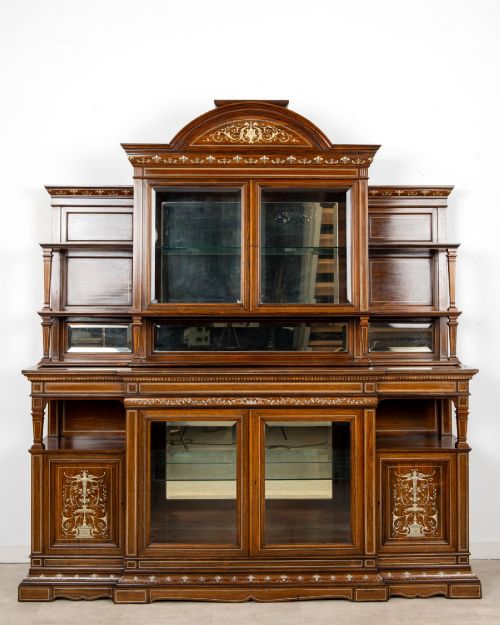
An inlaid wood credenza cabinet combines fine marquetry work with generous storage, bringing character and practical display space to a dining room or drawing room.
Inlaid Wood Credenza Cabinet
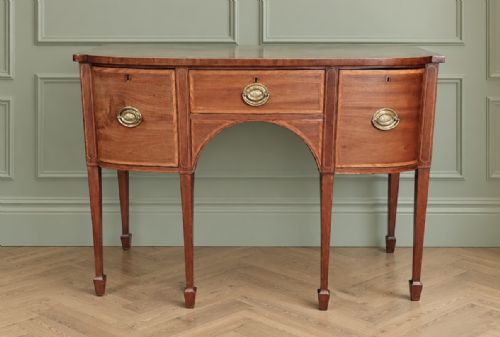
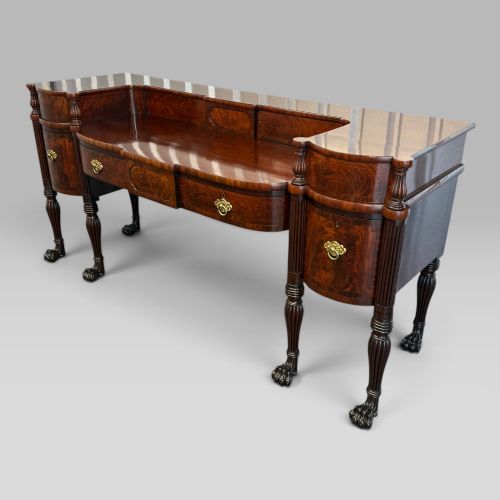
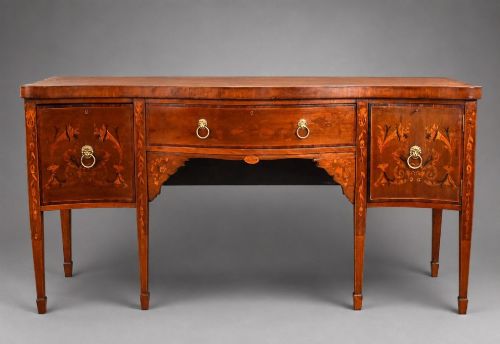
When you search for an inlaid wood credenza cabinet, you encounter forms that span the Georgian, Regency, and Victorian eras, alongside Edwardian revivals. These pieces function primarily as sideboards, side cabinets, display cabinets, and bookcases.
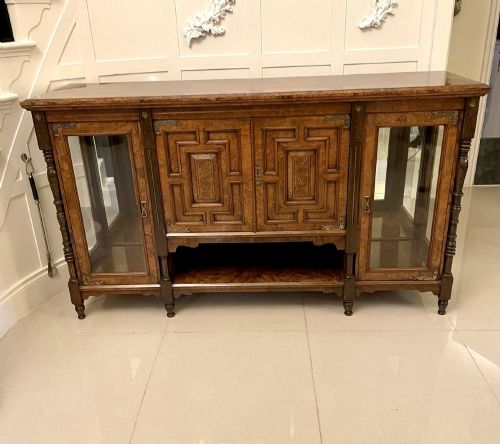
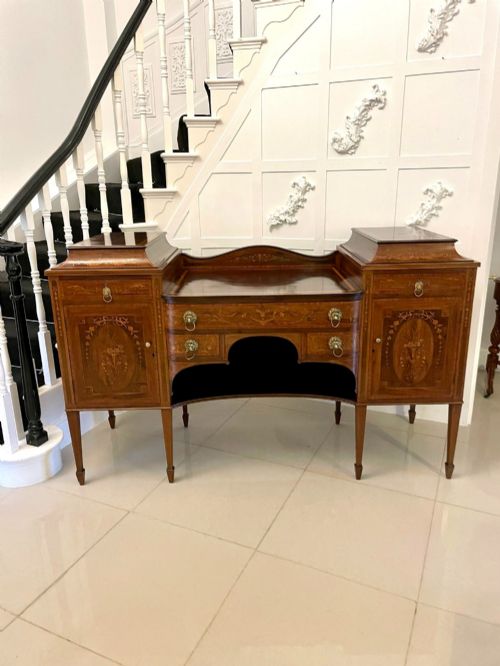
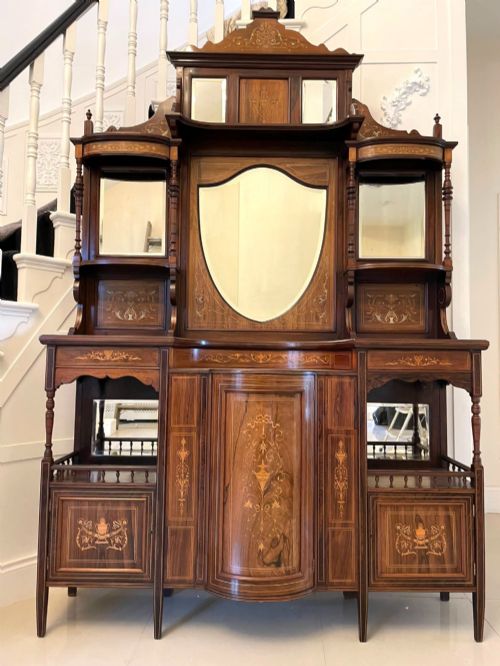
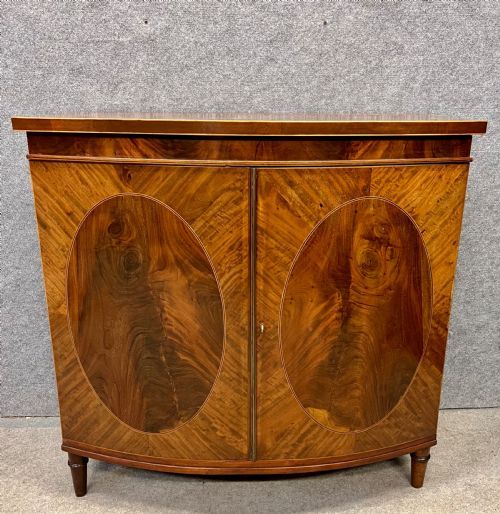
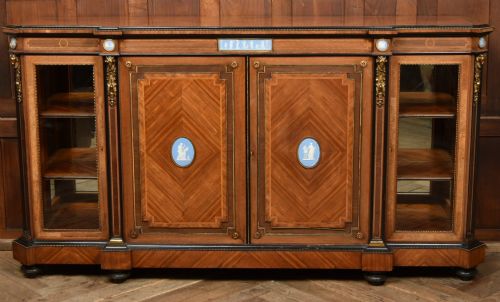
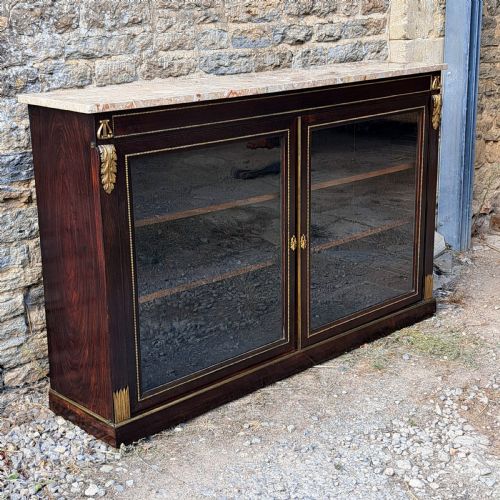
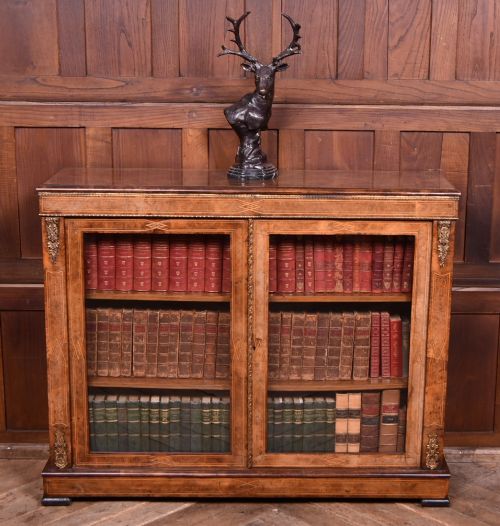
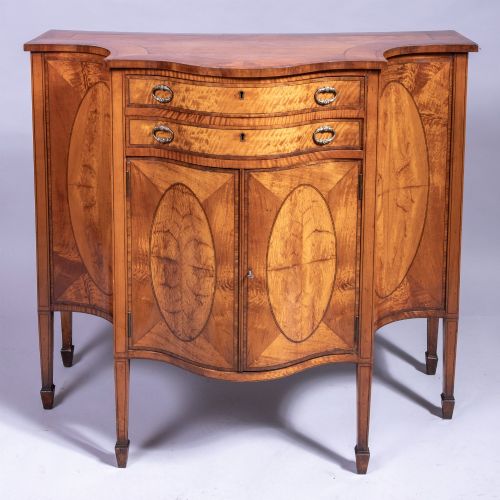
The most common version on this page is the Victorian walnut or rosewood piece, often featuring curved serpentine fronts, delicate marquetry, and glazed doors designed to show off china or books. Earlier Georgian examples tend toward architectural mahogany sideboard designs, while later Edwardian revivals draw heavily on Sheraton satinwood motifs.
Materials and Technique
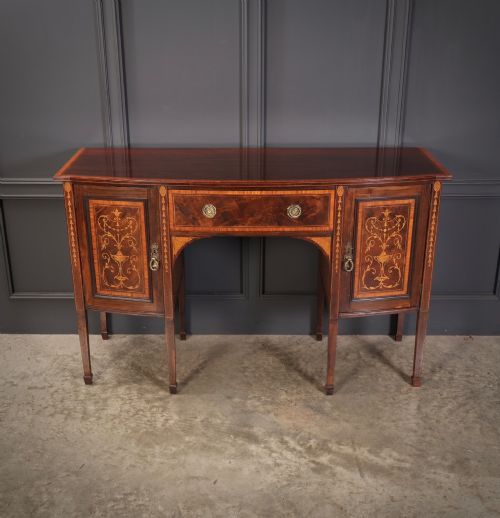
Cabinetmakers built the carcass of an inlaid wood credenza cabinet using solid foundational timbers like mahogany, oak, or walnut, then applied finely figured veneers such as burr walnut, rosewood, or flame mahogany across the primary surfaces. They employed contrasting light timbers like satinwood and fruitwood for detailed marquetry panels and banding.
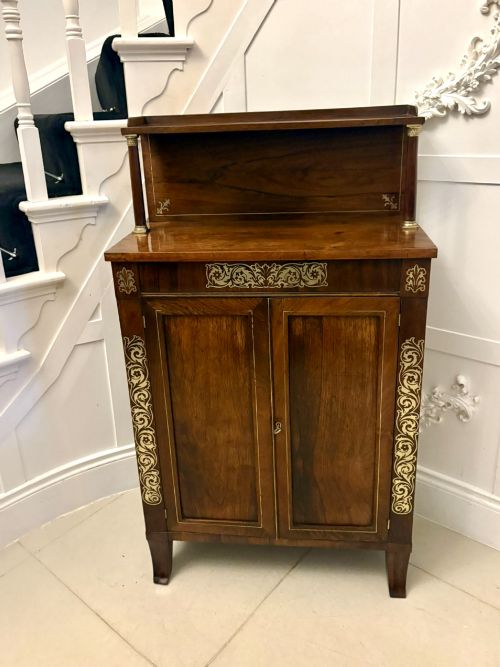
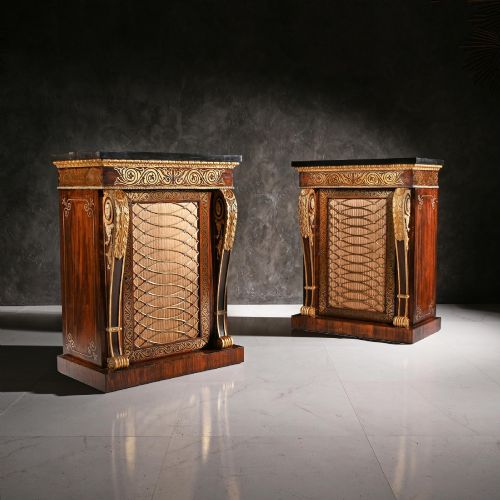
Metalwork played a structural and decorative role, with cast brass mounts, ormolu, and fine brass stringing inlay defining the borders of doors and panels. Glass panels featured in display variations, whilst marble tops appeared on continental and late-period iterations.
Several pieces include secret compartments designed for hiding silver or spirits from curious guests.
Craftsmanship and Proportion
The distinction between ordinary and exceptional examples rests in the depth of the timber figuring and the precision of the marquetry work. Finer pieces display crisp, tight vegetal or geometric inlays that sit perfectly flush with the surrounding veneer, rather than crude painted or stamped substitutes.
Structural harmony also separates the output of standard workshops from exhibition pieces. Superior cabinets exhibit balanced proportions, meticulously fitted doors that maintain their alignment over time, and secondary timbers of matching quality inside drawers and carcasses.
Hewetsons London·Collinson and Lock·Louis Constantin Le Gaigneur
The Inlaid Wood Credenza Cabinet Glossary
- Marquetry
- A technique where pieces of different coloured veneers are fitted together to form decorative pictures or patterns on a wooden surface. This method demands immense skill from the cabinetmaker to ensure tight joints.
- Ormolu
- Gilded bronze mounts applied to furniture for decorative effect, prevalent in Regency and Victorian pieces. These metal elements catch the light and accentuate the dark tones of rosewood and walnut.
- Serpentine
- A curved furniture front characterised by a convex centre flanked by concave ends. This undulating shape requires advanced woodworking techniques to veneer successfully.
- Stringing
- Fine, narrow lines of contrasting wood or brass inlaid into the surface of a cabinet. It creates delicate geometric borders around panels and table edges.
- Vitrine
- A glass-fronted display cabinet designed for showing porcelain and precious objects. These pieces often feature mirrored backs to reflect light through the displayed items.
Inlaid Wood Credenza Cabinet: Frequently Asked Questions
What is the difference between a credenza and a sideboard?
A credenza typically denotes a low cabinet featuring doors across the front, often raised on short legs or a plinth base, designed for display and serving. Sideboards historically include greater variation, incorporating drawers and deep cupboards intended for dining room storage.
While terms often overlap in nineteenth-century naming conventions, credenzas frequently lean toward decorative glass doors and marquetry panels suited to reception rooms.
How do I care for a polished wood surface?
Maintain the finish by applying natural beeswax sparingly and buffing gently with a soft cloth to preserve the sheen. Avoid placing cabinets in direct sunlight or near heat sources to prevent the underlying veneer from drying and lifting.
Keep humidity levels in the room stable to protect both the solid timber carcass and the delicate inlay work.
How do I date an inlaid cabinet?
Examine the secondary woods inside drawers and the construction methods used for the carcass and backboards. Oak and mahogany linings typically point to earlier periods, while softer deal or pine appears more frequently in later Victorian manufacturing.
Stylistic cues, such as neoclassical satinwood revival motifs or heavy rosewood scrollwork, help narrow the decade of origin.
Where should I place a credenza in a home?
These cabinets work well in dining rooms as traditional server units or in large hallways and drawing rooms as focal storage points. Their shallow depth allows them to sit against walls without dominating floor space.
Ensure there is enough clearance for doors to open fully, particularly on breakfront or serpentine models.