
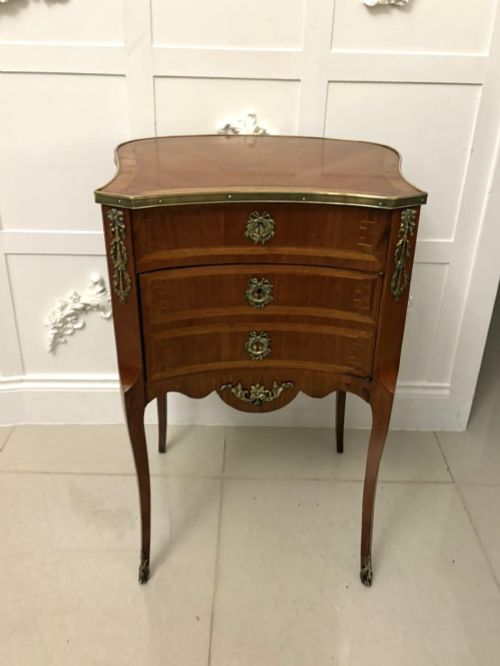
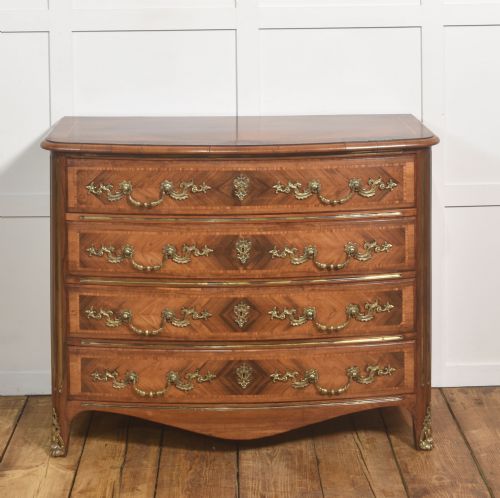
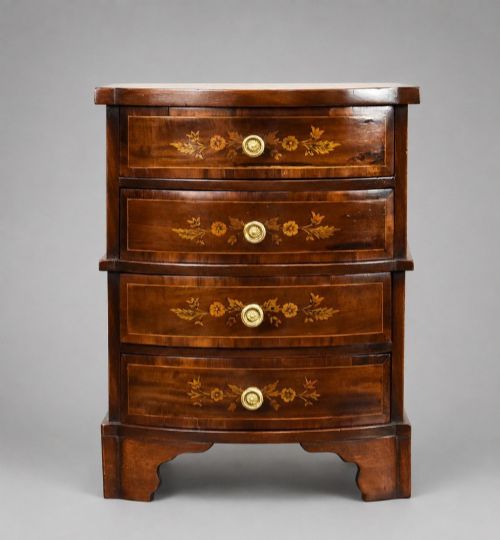
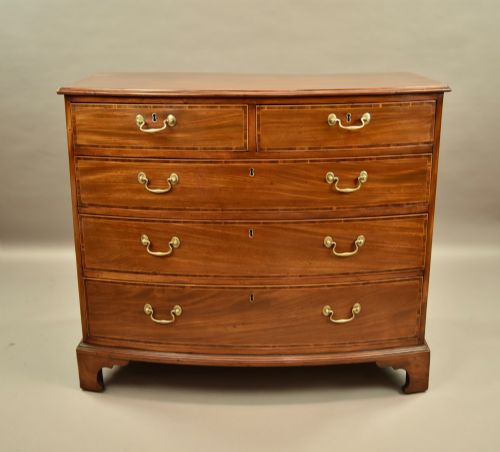

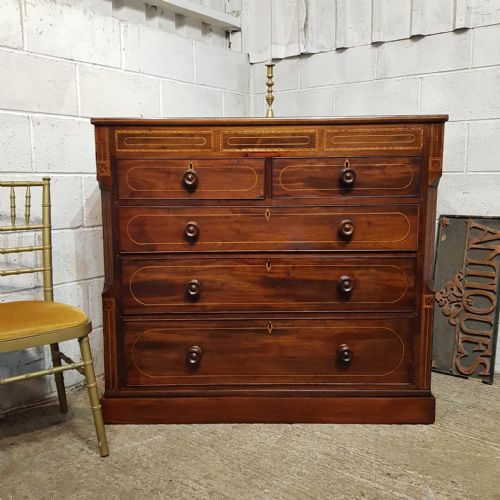
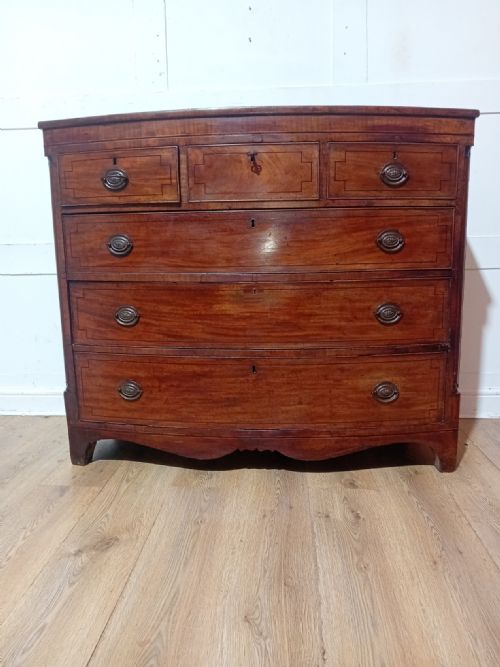

Inlaid Wood Commode
An inlaid wood commode brings substantial character and practical storage to a room through decorative veneers and traditional craftsmanship.
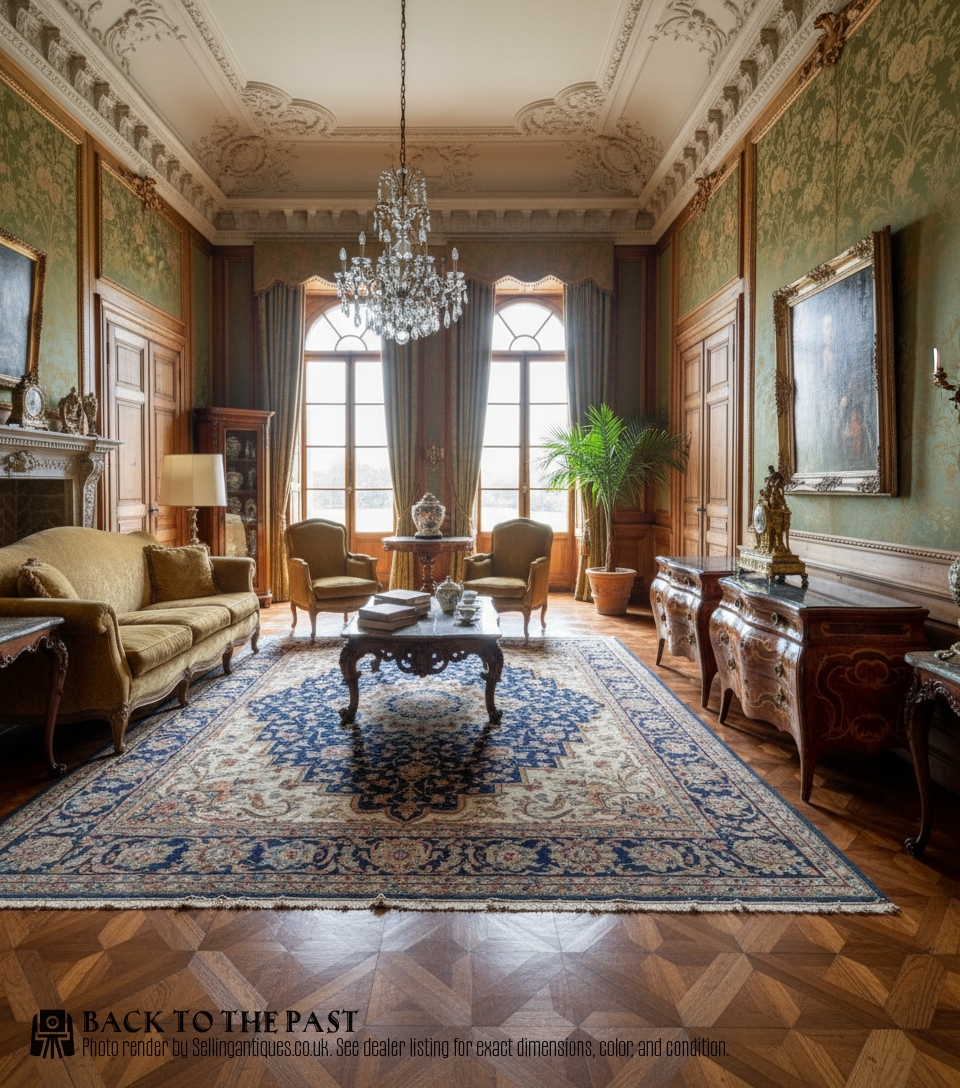
Inlaid Wood Commode
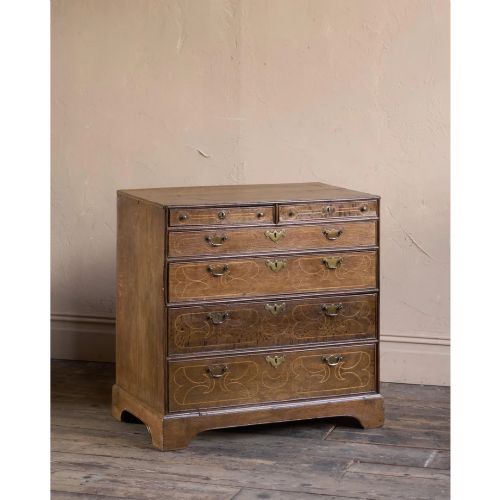
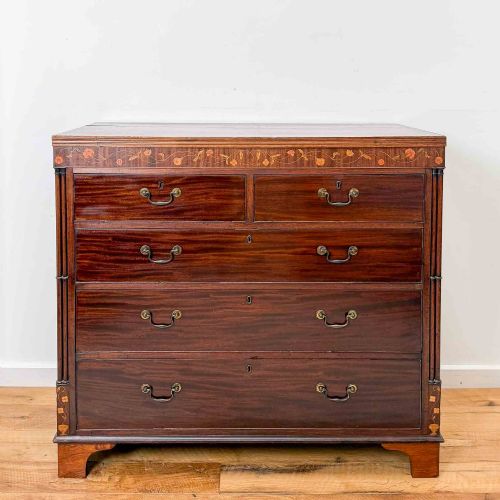
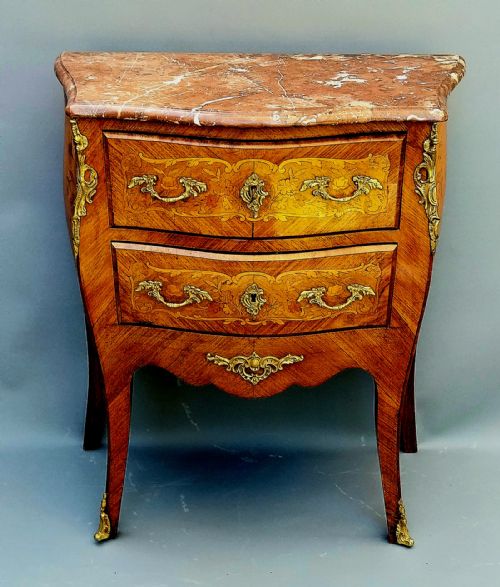
When searching for an inlaid wood commode, buyers encounter low-standing storage furniture decorated with contrasting timber veneers, floral motifs, or geometric banding. These pieces originate from various periods including the seventeenth, eighteenth, and nineteenth centuries, spanning Georgian, Regency, Victorian, and French Louis styles.
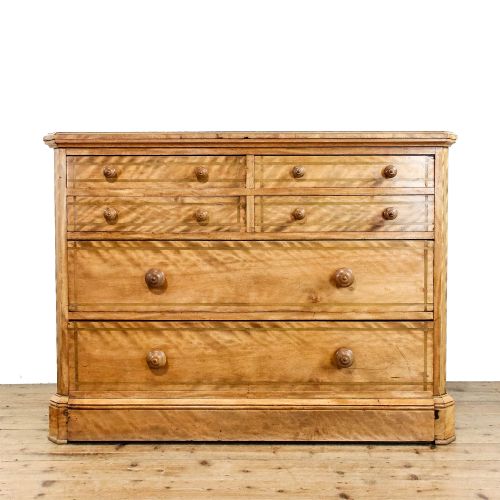
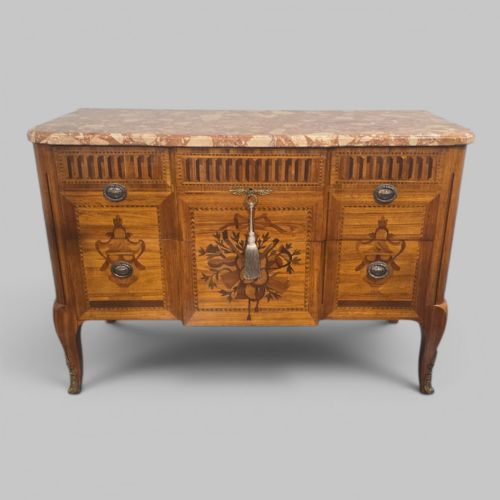
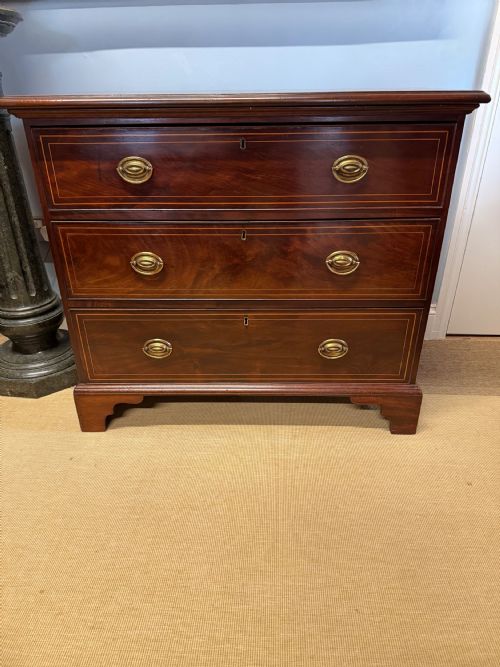
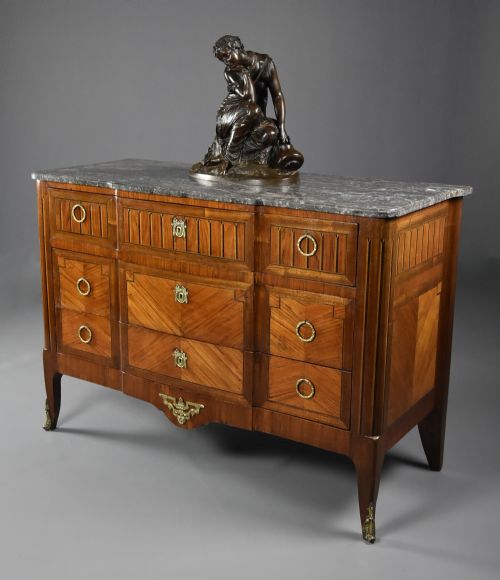
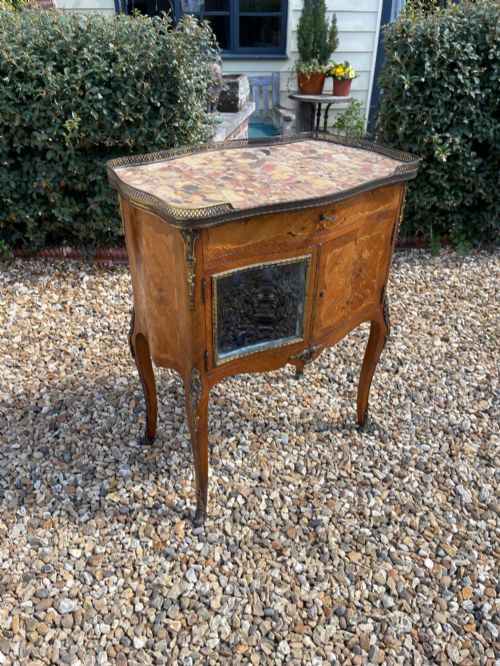
The most common examples on this page are French and English designs taking the form of chests of drawers, serpentine cabinets, and marble-topped commodes. Pieces range from grand breakfronts and bombes to compact bedside cupboards and miniature furniture.
Woods such as mahogany, walnut, satinwood, and kingwood form the primary carcases, often enhanced by meticulous marquetry and brass mounts. Each item reflects the prevalent aesthetic tastes of its era, from William and Mary floral marquetry to Edwardian satinwood refinement.
How they were made
Cabinetmakers constructed the main carcase using solid foundational timbers like oak, pine, or mahogany before applying fine decorative veneers to the exterior surfaces. Woods such as walnut, satinwood, kingwood, tulipwood, and fruitwood were sliced into thin sheets and arranged to create intricate patterns.
Marquetry and inlay techniques involved cutting distinct shapes into the wood ground and fitting contrasting timbers, boxwood, or mother-of-pearl into the recesses. Brass handles, ormolu mounts, and polished marble tops frequently completed the construction on continental and high-status pieces.
Miniature chests of drawers and bedside nightstands appear alongside full-scale seventeenth-century marquetry pieces and nineteenth-century French commodes.
What varies in quality
The sophistication of the timber selection and the precision of the marquetry distinguish standard storage items from superior examples. Finely figured veneers like burr elm, burr yew, or amboyna require expert matching across drawer fronts and curved surfaces.
Structural integrity is evident in the tightness of the drawer joints, the retention of original brass or ormolu hardware, and the correct fitting of marble tops. The crispness of the floral or geometric inlay work dictates the overall standard of the finished cabinet.
Mawer and Stephenson·Cowtan and Sons London·Edwards and Roberts
The Inlaid Wood Commode Glossary
- Marquetry
- The art of applying pieces of veneer to a structure to form decorative patterns and pictorial designs. This technique frequently employs contrasting timbers like fruitwood, boxwood, and walnut.
- Bombe
- A swelling, outward-curving profile found on the sides and fronts of continental commodes. This curved shape demands advanced cabinetmaking skills to apply veneer smoothly.
- Ormolu
- Gilded bronze mounts and decorative feet utilised on French and high-status English furniture. It provides metallic contrast against dark kingwood or mahogany carcases.
- Demi-lune
- A half-moon shape characteristic of sideboards and commodes designed to sit flat against a wall. These pieces often feature radiused top surfaces and matching veneer banding.
- Breakfront
- A cabinet front where the central section projects forward from the flanking wings. This architectural arrangement creates depth and visual balance on larger chests and sideboards.
Inlaid Wood Commode: Frequently Asked Questions
What is an inlaid wood commode?
An inlaid wood commode is a decorative cabinet or chest of drawers featuring contrasting timber veneers, geometric banding, or floral marquetry. These items served historically as refined storage furniture in principal rooms.
Today, they function as statement sideboards or bedside units in traditional and contemporary interiors alike.
How do I identify a French commode?
French commodes frequently display serpentine or bombe contours, gilt ormolu mounts, and fitted marble tops. They often incorporate elaborate floral marquetry executed in kingwood, tulipwood, or fruitwood.
English equivalents tend to rely on architectural mahogany or satinwood forms with restrained boxwood stringing.
How do I care for antique veneer?
Antique veneer requires protection from direct sunlight, excessive heat, and sudden humidity changes to prevent timber movement and lifting. Regular dusting with a dry, soft cloth maintains the polished surface.
Applying occasional appropriate wax preserves the moisture and natural grain of woods like walnut, mahogany, and satinwood.
Where were these pieces used?
Historically, commodes and side cabinets stood in principal bedchambers, drawing rooms, and formal hallways for storing linens, documents, or personal items. Their decorative facades ensured they were displayed in public entertaining spaces.
In modern homes, they occupy similar prominent positions as hallway credenzas or bedroom storage.