




Inlaid Wood Caddy Box
An inlaid wood caddy box brings the refined craft of Georgian, Regency and Victorian makers directly into daily use.
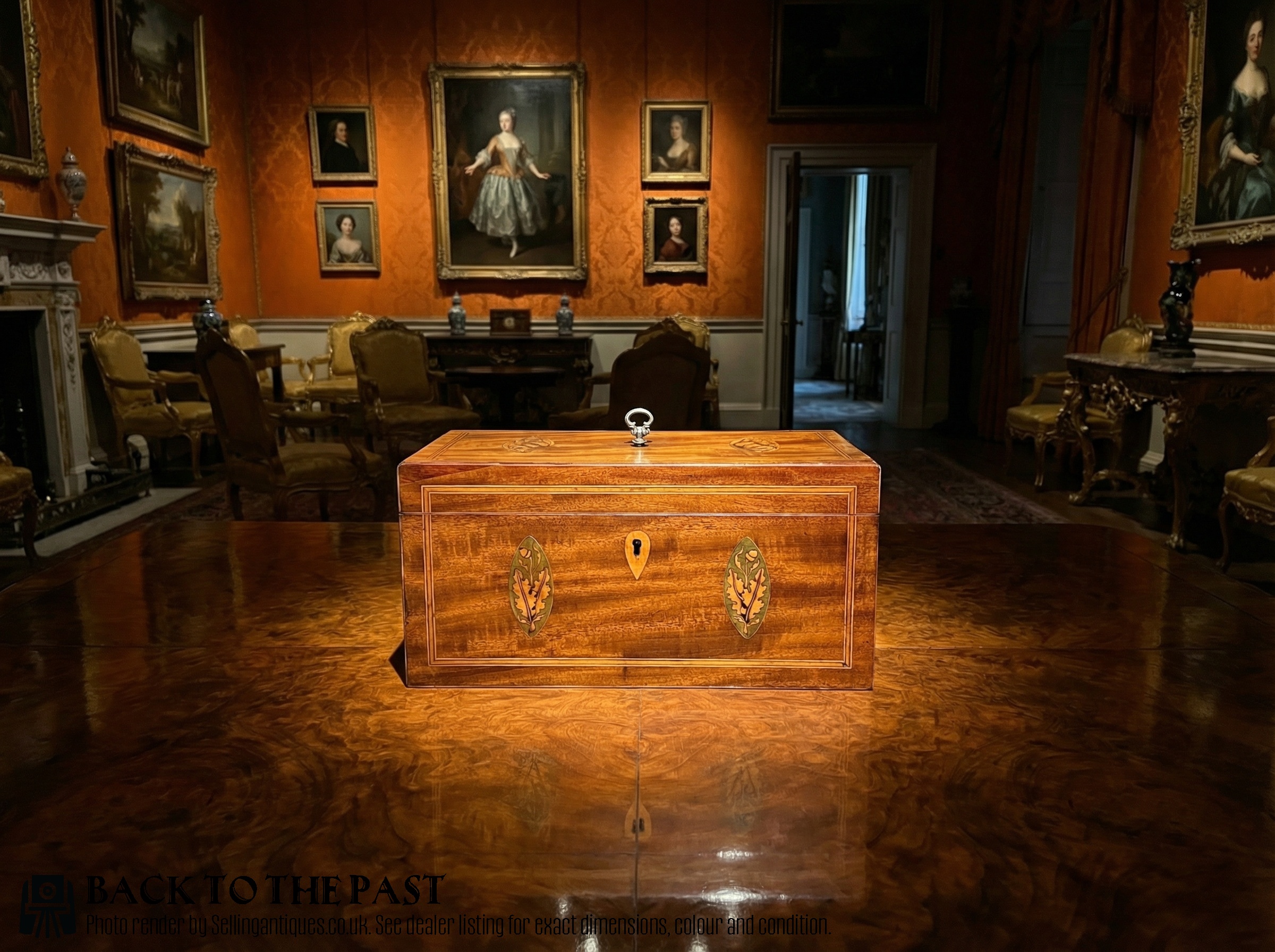
Inlaid Wood Caddy Box
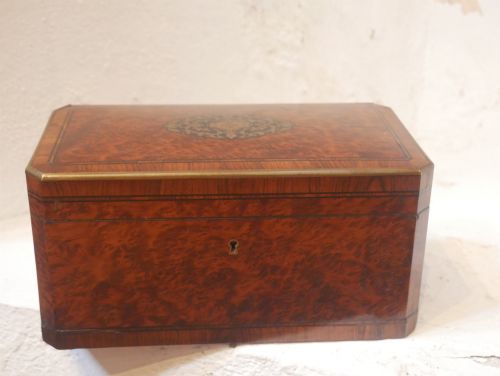
An inlaid wood caddy box is a small, portable container originally designed to store tea, documents or personal valuables securely. These objects date across the eighteenth and nineteenth centuries, spanning Georgian, Regency and Victorian periods.
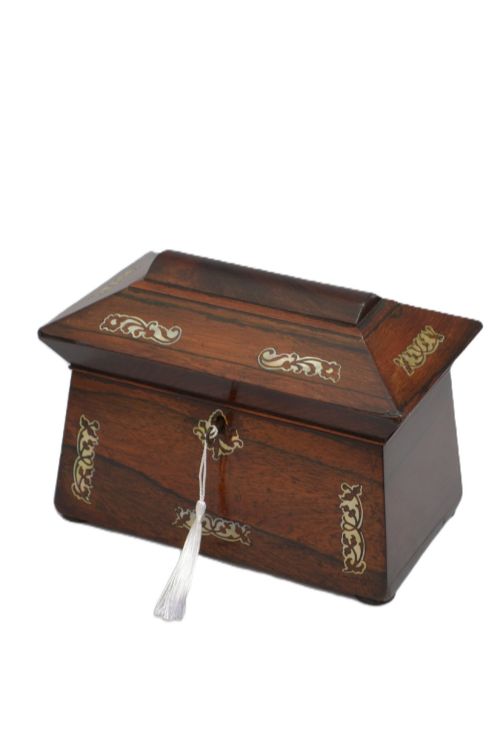
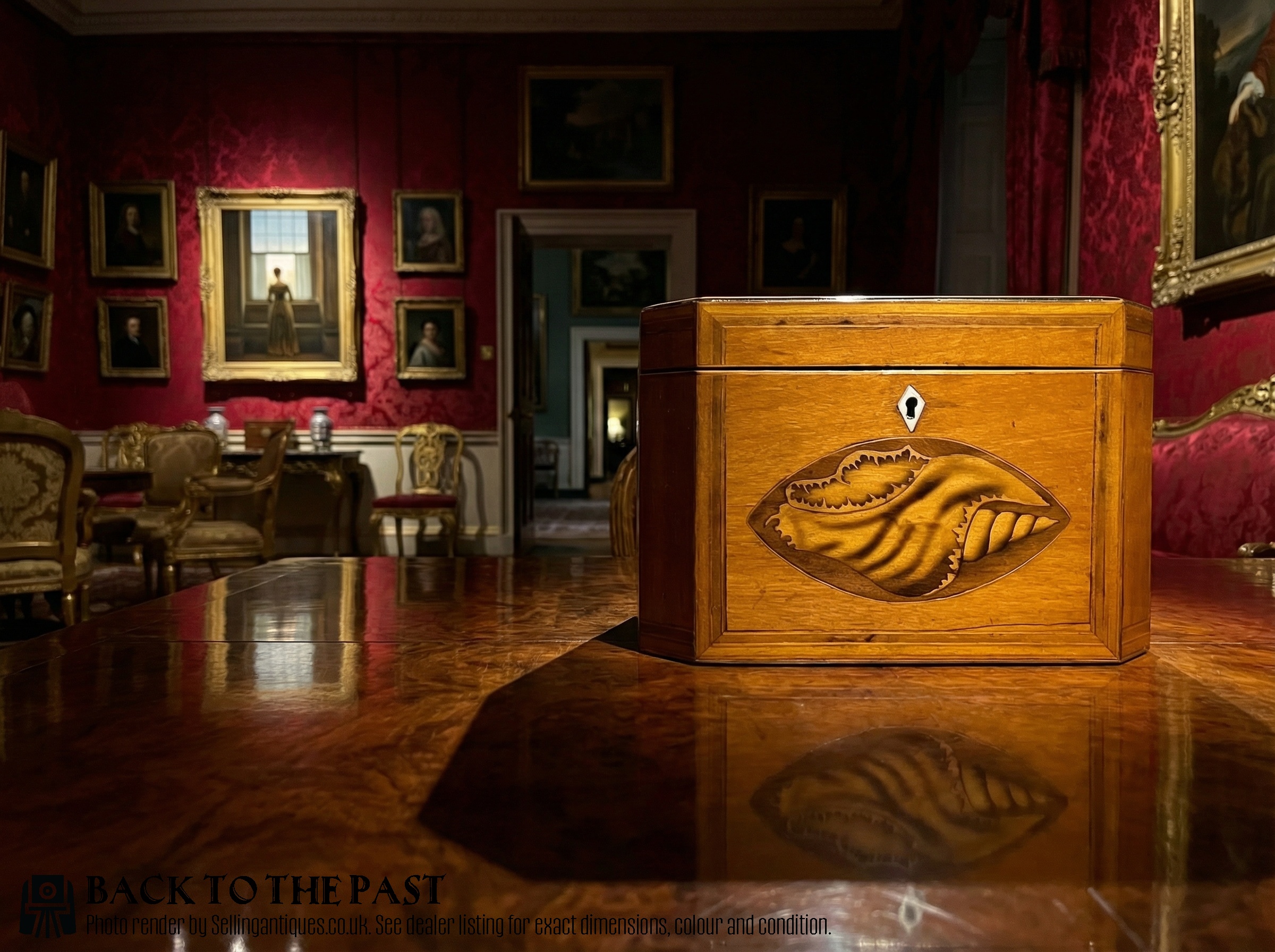
Makers shaped these boxes into rectangles, octagons, ovals and sarcophagus forms, often fitted with internal compartments and lockable lids. The inclusion of delicate stringing, shell motifs and parquetry marks them apart from plain storage vessels.
What separates quality among these pieces
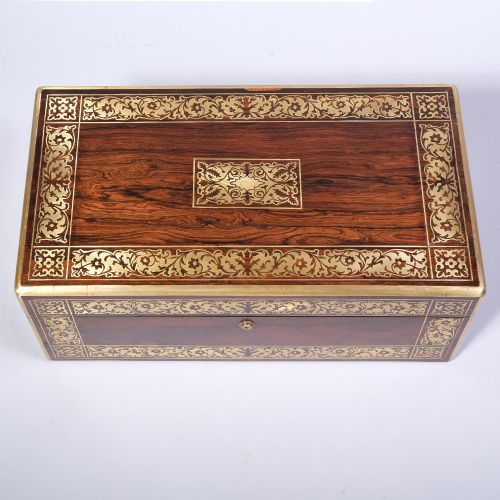
Quality rests upon the precision of the joinery and the complexity of the inlaid motifs. Superior examples display tight mitre joints, perfectly flush brass or wood inlays, and figured timber selections that wrap continuously around the box sides.
Interior fittings also dictate standard, where secondary woods, original divided compartments, working locks and functioning brass handles elevate a piece. Lesser examples rely on printed or painted surface decoration rather than true inlaid construction.
Materials recorded across these pieces include rosewood, mahogany, satinwood, burr yew, brass, tortoiseshell and mother-of-pearl.
Tahan Paris·Henry Hollamby·Freemans of Norwich
The Inlaid Wood Caddy Box Glossary
- Sarcophagus form
- A box shape featuring a domed or sloping hinged lid resting on a rectangular or plinth base. This silhouette gained popularity during the Regency period for large rosewood tea caddies.
- Tunbridge Ware
- A type of decorative woodwork produced in Kent using thousands of tiny coloured wood blocks to form mosaic pictures. Henry Hollamby stands as a notable maker working in this meticulous tradition.
- Parquetry
- A geometric mosaic of wood pieces used for surface decoration on boxes and furniture. It creates patterned floors or abstract designs across the top and sides of Victorian caddies.
- Stringing
- Thin lines of contrasting wood inlaid into the surface of a box to form borders and frames. Boxwood and fruitwood served commonly for this linear detail on Georgian pieces.
- Cellarette
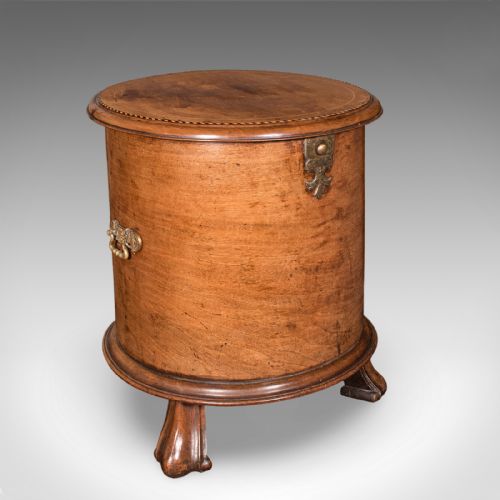
- A large freestanding or table-standing lockable container used for storing wine bottles. Regency examples often incorporate robust timber frames and fitted internal divisions.
Inlaid Wood Caddy Box: Frequently Asked Questions
What did people store inside an inlaid wood caddy box?
These boxes held valuable dried tea leaves when tea was an expensive commodity requiring protection from moisture and theft. Many designs included internal lidded compartments to keep green and black teas separate.
Over time, owners adapted similar lidded boxes to store stationery, sewing supplies, jewellery and private documents. The addition of lockable brass hardware ensured personal contents remained secure.
How do I distinguish a Georgian box from a Victorian one?
Georgian boxes from the eighteenth and early nineteenth centuries often favour satinwood, mahogany and delicate shell or boxwood stringing in oval and hexagonal shapes. Proportions tend to remain restrained and classical.
Victorian pieces frequently utilise darker timbers like coromandel, walnut and amboyna alongside heavier parquetry or Tunbridge Ware mosaics. Forms became more exuberant, including domed lids and elaborate fitted interiors.
Are original keys usually present with these boxes?
Original keys remain uncommon because locks were delicate and small brass keys easily misplaced over centuries of use. Many boxes retain functional locks with original escutcheons even if the winding key is absent.
When a matching key survives, it adds functional utility to the piece, allowing the lid mechanism to operate as intended by the original maker.
How should I care for an antique wood caddy box?
Keep the wood away from direct sunlight and dramatic humidity changes to prevent the delicate veneers and boxwood stringing from lifting or splitting. Maintaining a stable indoor environment protects the historic animal glue beneath the surface.
Apply a microcrystalline wax sparingly when the timber appears dry, buffing gently with a soft cloth. Avoid liquid polishes that can seep into inlay crevices and degrade the antique finish.