
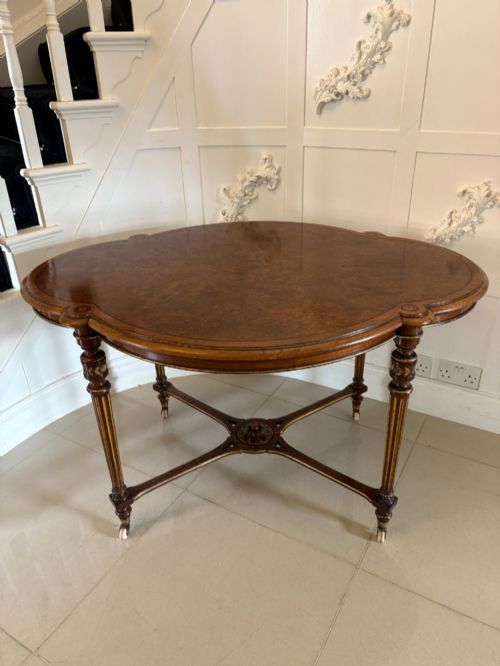
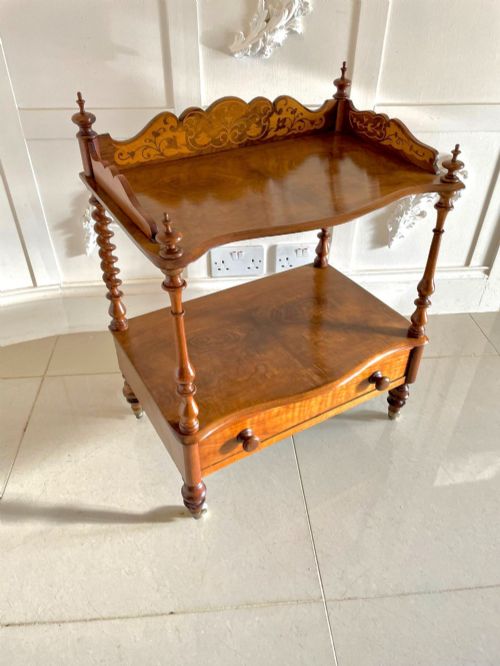
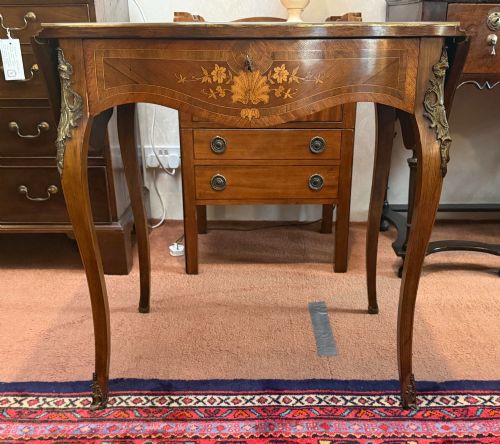
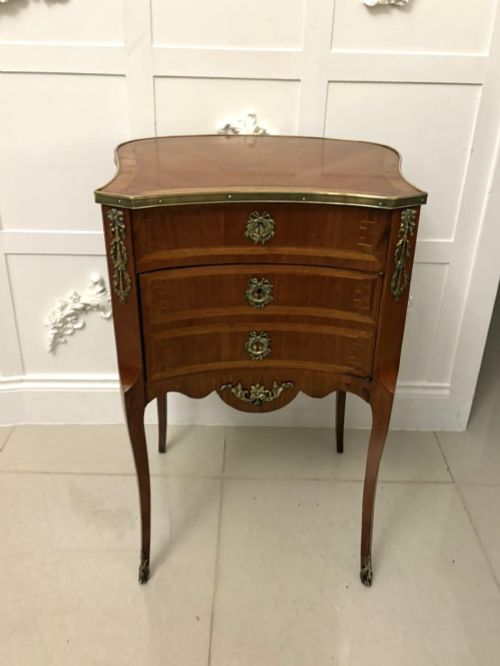

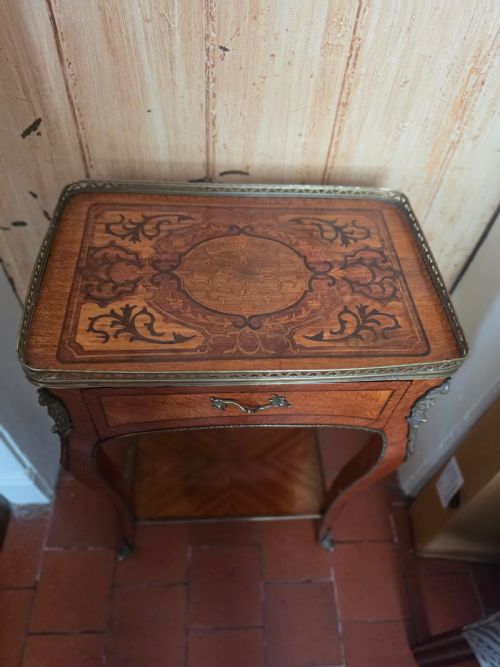
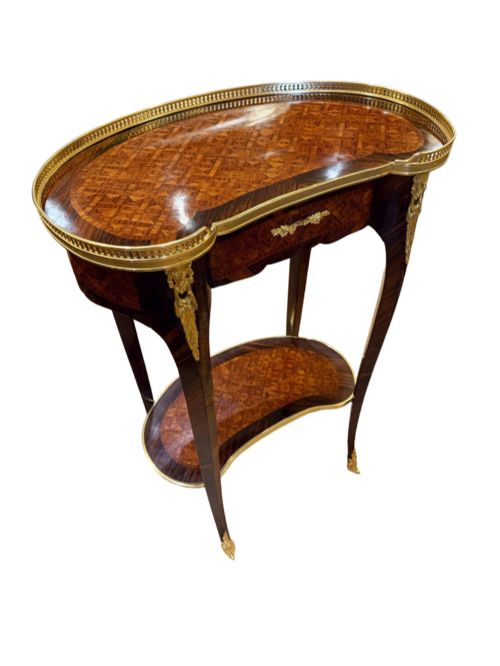
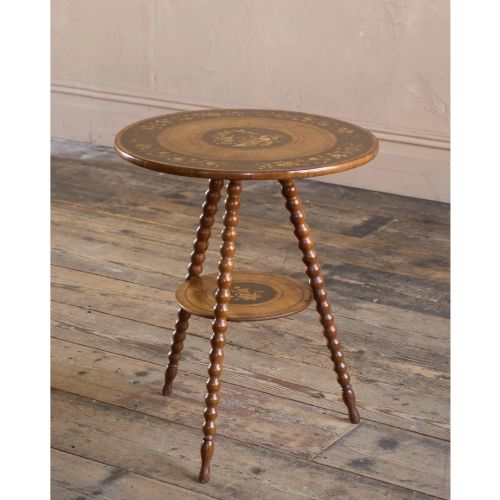
Inlaid Walnut Accent Table
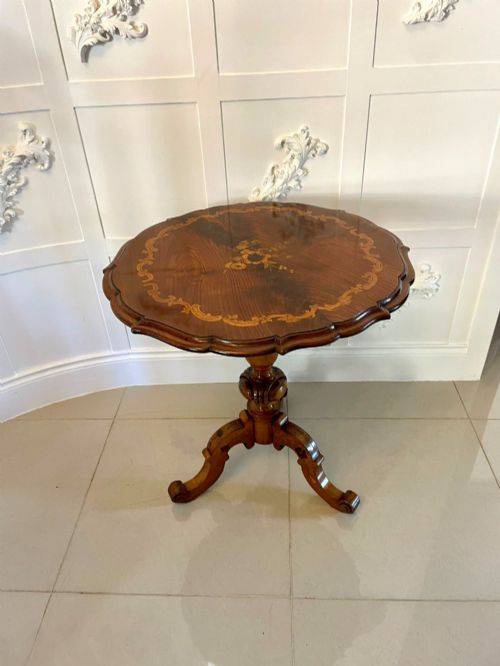
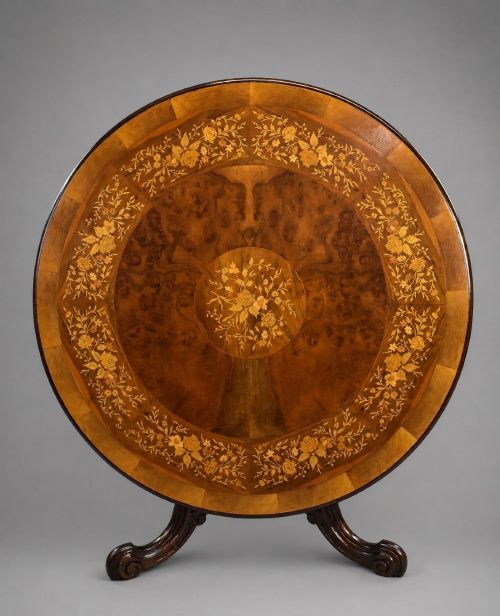
An inlaid walnut accent table brings warmth and intricate pattern into a room through figured timber and delicate marquetry.
Inlaid Walnut Accent Table
When searching for an inlaid walnut accent table, buyers encounter a diverse selection of nineteenth-century occasional, lamp, and centre tables. These pieces originate from English workshops as well as French, Italian, and Dutch makers, reflecting distinct regional tastes in surface decoration.
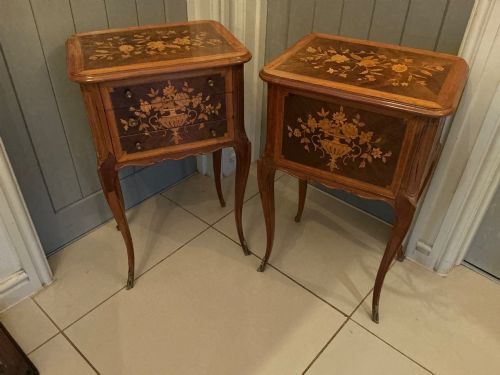
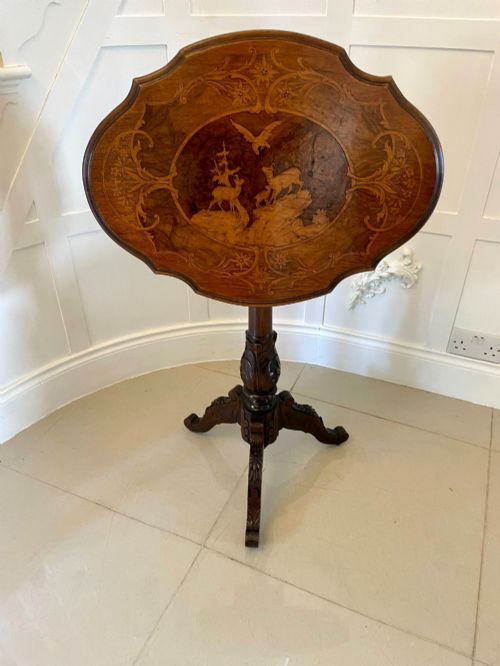
The Victorian period dominates the selection, particularly pieces utilising burr walnut veneer with floral marquetry or parquetry patterns. Common forms include oval lamp tables, wine tables, and occasional tables designed to sit beside seating.
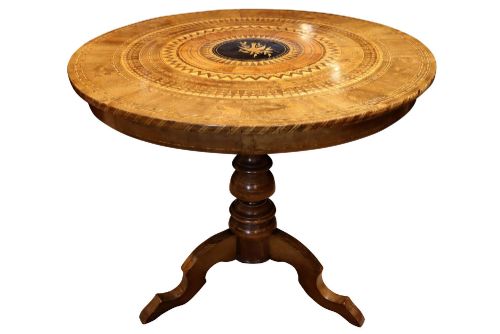
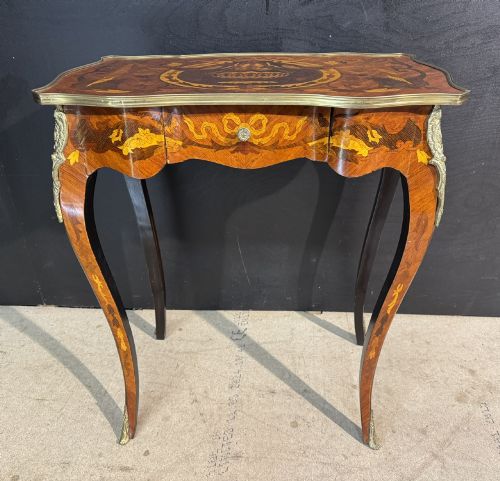
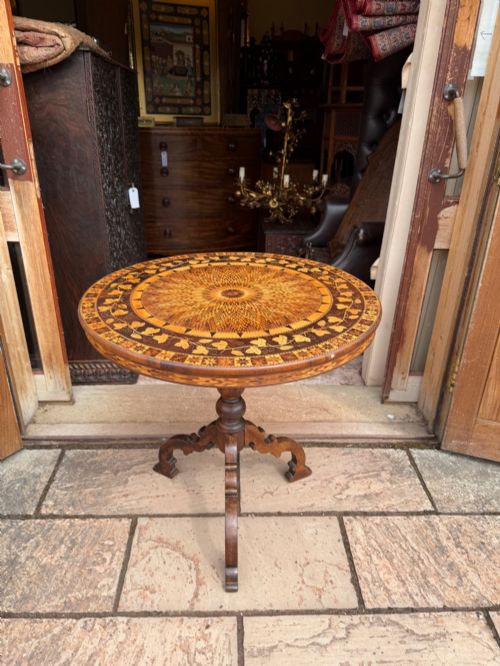
Alongside standard English Victorian designs, items range from Edwardian occasional pieces and French style side tables to Italian Sorrento work and Moorish revival pieces. These variations offer different timber tones and geometric or floral inlay motifs.
Materials and Construction
Makers constructed these tables using solid walnut or mahogany frames overlaid with figured walnut and burr walnut veneers. Marquetry and parquetry designs incorporate contrasting timbers, fruitwood, and occasional mother-of-pearl to build up pictorial or geometric decoration.
Surface details often include brass galleries, ormolu mounts, and delicate stringing lines that define the edges of the top and legs. Cabinetmakers applied these veneers by hand using animal glues, cutting contrasting woods together to achieve precise fits in the marquetry panels.
Listings feature walnut, burr walnut, and satin walnut alongside decorative brass and ormolu mounts.
Judging the Workmanship
Quality rests primarily on the depth and complexity of the timber figure and the precision of the marquetry. Burr walnut with rich, swirling grain patterns elevates a piece above plain walnut surfaces.
The crispness of the inlay work distinguishes finer examples, where individual leaf, floral, or geometric elements fit tightly without excessive filler. Superior tables also demonstrate careful timber selection for secondary woods and refined turning or carving on the legs and pedestals.
The Inlaid Walnut Accent Table Glossary
- Burr walnut
- A prized timber harvested from growth excrescences on walnut trees, yielding highly figured and swirling grain patterns. Cabinetmakers sliced this wood into thin veneers for decorative table tops.
- Marquetry
- The art of applying small pieces of veneer to a structure to form decorative patterns or pictorial scenes. Makers use contrasting woods and organic materials like fruitwood and mother-of-pearl.
- Parquetry
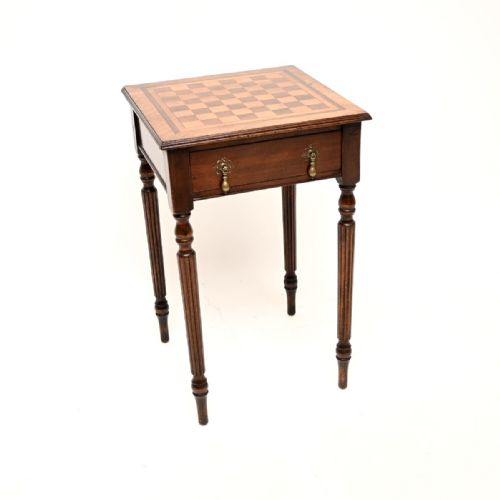
- A geometric mosaic of wood pieces used for surface decoration, commonly seen in chequerboard or diagonal patterns. It relies on precise cutting of straight-edged timbers.
- Ormolu
- Gilded bronze mounts and decorative elements applied to nineteenth-century furniture, particularly pieces influenced by French design. It adds metallic contrast to dark timber surfaces.
- Specimen wood
- A tabletop construction incorporating many different native and exotic timbers arranged in geometric or radial patterns. Each wood retains its natural colour and grain.
- Shorthand for an étagère
- A set of open shelves or a tiered side table used for display in nineteenth-century interiors. These structures often feature inlaid tops and slender supports.
Inlaid Walnut Accent Table: Frequently Asked Questions
What is an inlaid walnut accent table?
An inlaid walnut accent table is a small nineteenth-century or early twentieth-century furnishing featuring walnut timber decorated with contrasting wood veneers. These pieces serve functional roles as lamp, wine, or occasional tables while adding decorative pattern to a room.
Craftsmen utilised techniques like marquetry and parquetry to ornament the surfaces with floral, geometric, or pictorial designs. They appear in various forms, including oval, hexagonal, and rectangular shapes.
How do I date an inlaid walnut table?
Dating relies on examining the construction methods, timber choices, and prevailing revival styles of the period. Victorian pieces frequently employ burr walnut with rich floral marquetry, while Edwardian examples often feature lighter satin walnut or simpler turned legs.
French and Italian pieces from the nineteenth century display distinct regional marquetry styles, such as Sorrento geometric bands or Louis XV serpentine curves. Secondary woods underneath the tabletop also help confirm the era of manufacture.
Where should I place an accent table?
These tables suit placement beside sofas, armchairs, or against walls as lamp and display surfaces. Their compact proportions allow them to fit easily into sitting rooms, hallways, and studies without dominating the floor space.
Because many feature decorated tops designed to be viewed from above, open spaces or low seating arrangements work best to showcase the marquetry. Freestanding centre tables require placement further into a room where all sides remain visible.
How do I care for antique walnut furniture?
Maintain walnut furniture by keeping it away from direct sunlight and sudden temperature shifts that can dry out old timber and veneer. Regular dusting with a soft, dry cloth prevents particulate accumulation on the polished surface.
Apply a traditional beeswax polish sparingly when the wood appears dry, buffing gently to maintain a soft sheen. Avoid modern silicone-based sprays, which can penetrate porous historic finishes and damage the timber over time.