


Inlaid Wall Mirror
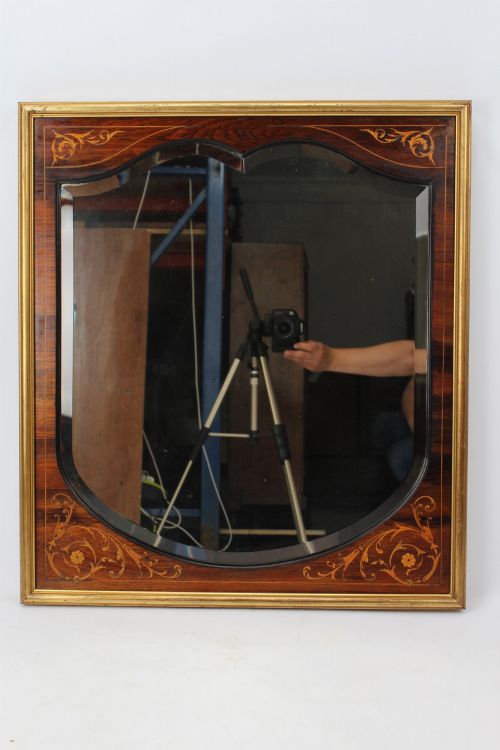
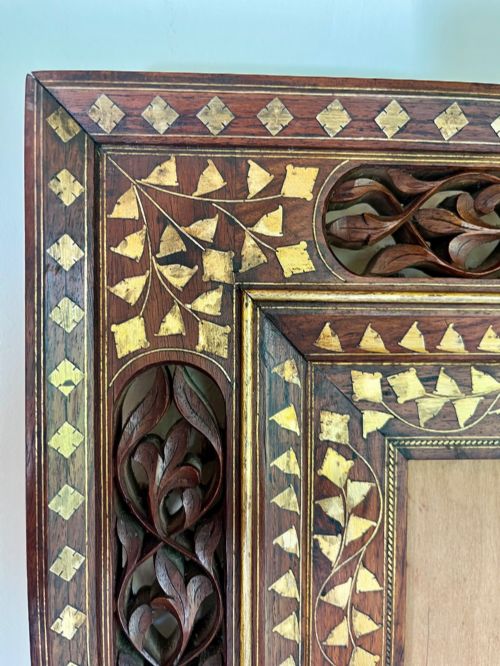
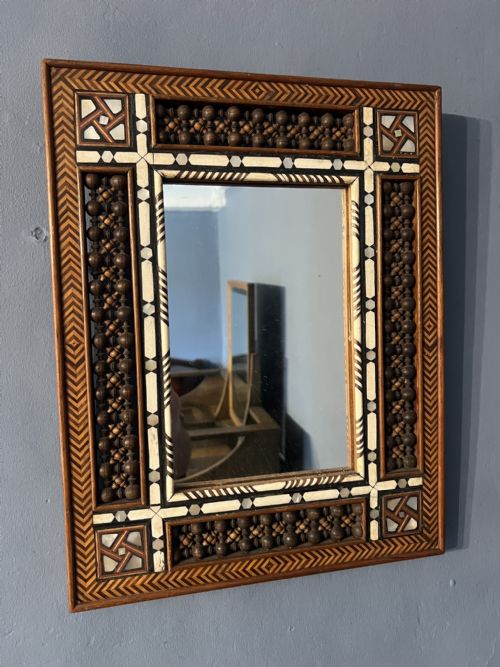
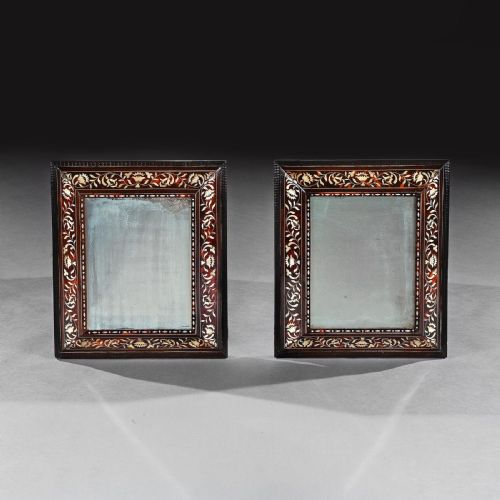
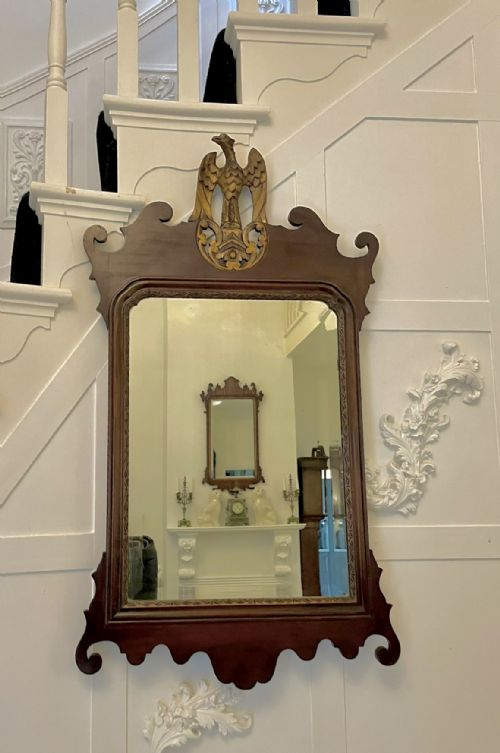
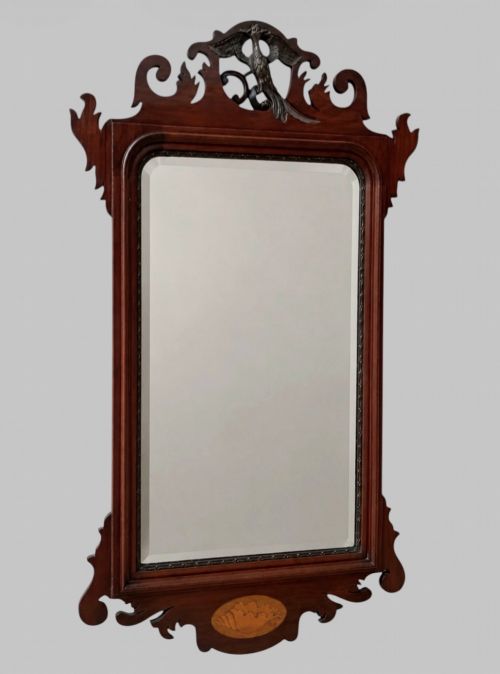
When you search for an inlaid wall mirror, you are looking at timber frames detailed with marquetry, wood inlay, or bone, designed to reflect light and anchor a room.
Inlaid Wall Mirror
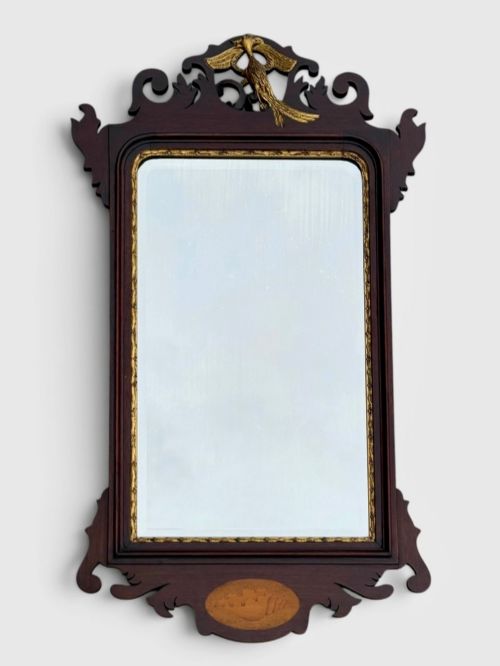
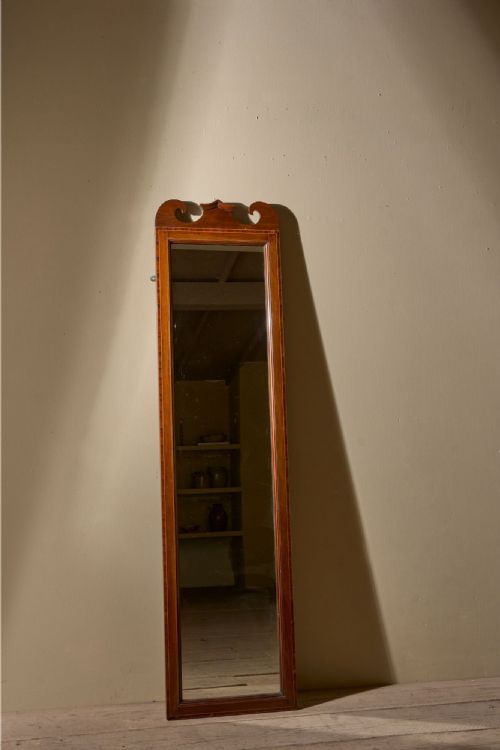
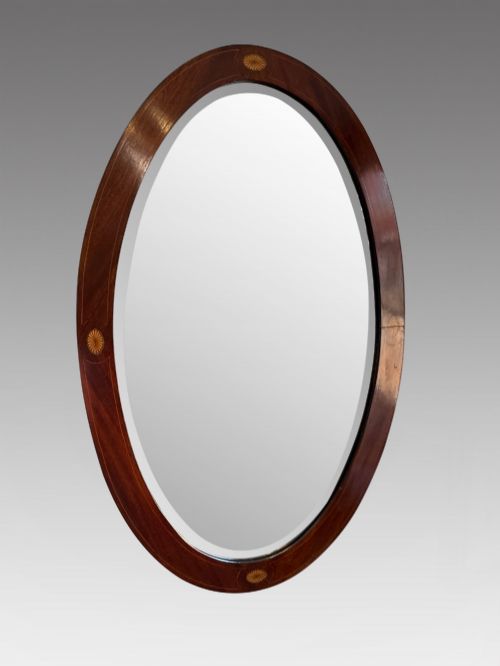
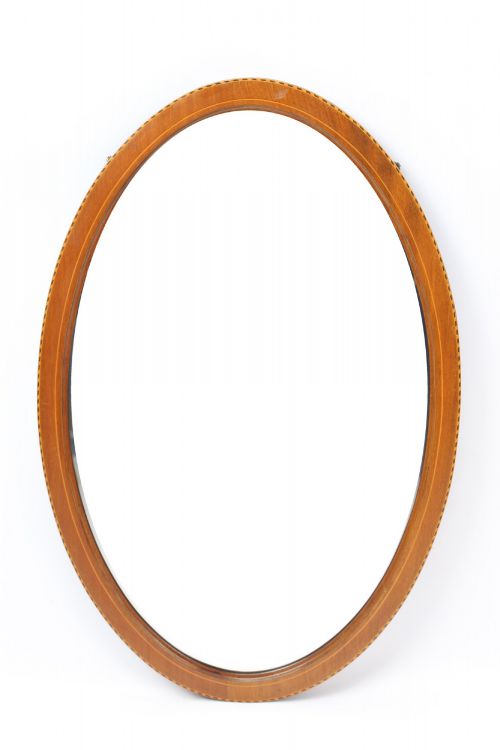
An inlaid wall mirror brings decorative timberwork and reflective glass together, appearing across various forms including compact hall versions, overmantels, and oval hanging shapes. These pieces emerge predominantly from the Victorian and Edwardian eras, alongside earlier Georgian styles and continental interpretations.
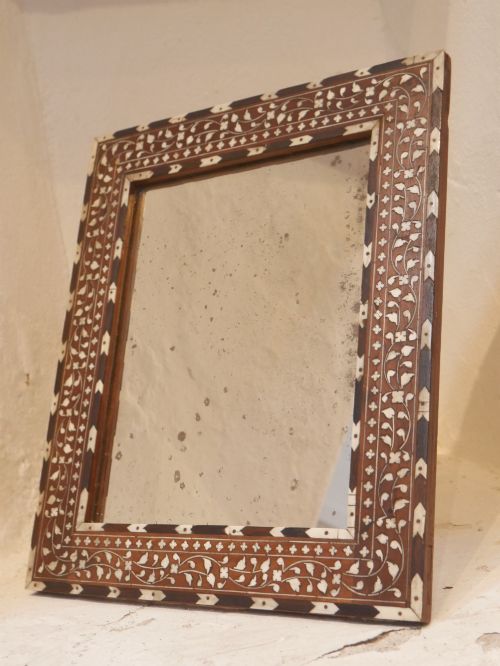
The materials span native and exotic woods such as mahogany, walnut, rosewood, and satinwood, frequently paired with contrasting stringing or botanical marquetry. Alongside British cabinetmaking, the selection encompasses regional specialisms like Hoshiarpur shisham and ivory work, and Damascus mother of pearl pieces.
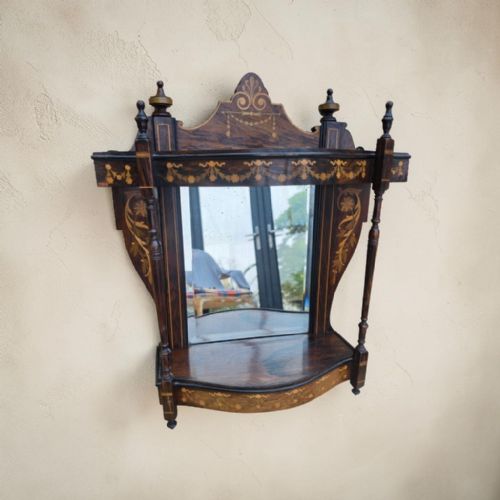
Buyers encounter everything from slender bedroom glasses to tall pier mirrors and frames incorporating small display shelves. The unifying element across these objects is the integration of decorative inlay into a functional wall-hanging frame.
How they were made
Cabinetmakers constructed the primary carcase using solid timbers or veneers like mahogany, walnut, and rosewood, applying precise hand-cut joinery to form fretted, oval, or rectangular frames. Surface ornamentation relied on contrasting woods, brass detailing, bone, and mother of pearl set flush into the timber ground.
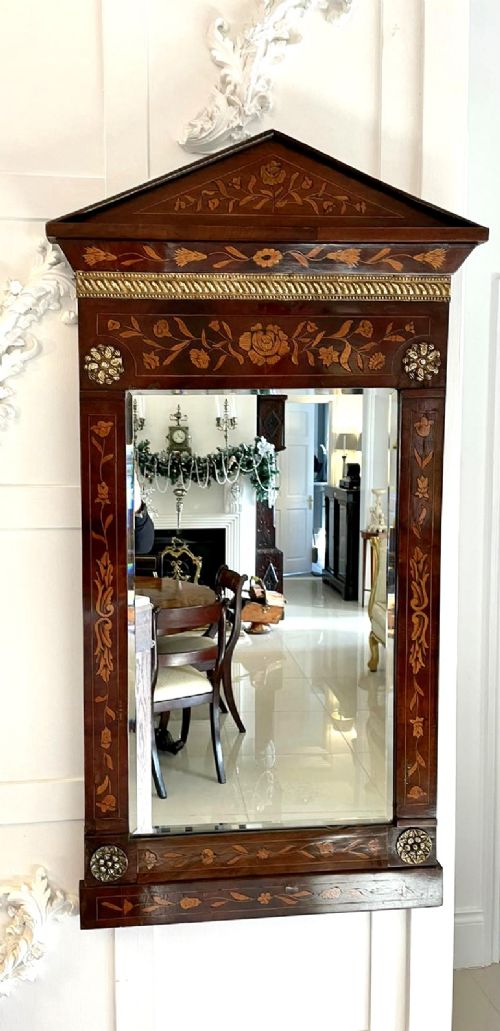
Marquetry panels were assembled by cutting delicate figural or floral motifs from thin veneers and embedding them into recesses within the main body. Finishing involved polishing the wood to reveal natural grain patterns while securing the mirror glass from the reverse with timber backing boards.
What varies in quality
The refinement of the inlay work distinguishes standard production from exceptional pieces, visible in the tightness of the veneer joints and the intricacy of botanical or geometric motifs. Dense execution in materials like rosewood, satinwood, or mother of pearl indicates higher workshop standards.
Structural harmony also defines the grade of a piece, seen in the proportion of fretted mahogany frames, the depth of carving around the glass, and the preservation of original mirror plates alongside secondary woods.
The Inlaid Wall Mirror Glossary
- Marquetry
- The art of forming decorative patterns by fitting together small pieces of veneer into a wood ground. This technique creates pictorial designs of flowers, urns, or scrolling foliage across the frame.
- Pier mirror
- A tall vertical glass designed to hang on the wall space between two windows. These pieces often feature matching console tables or extend downwards to reflect interior light.
- Overmantel mirror
- A wide horizontal glass intended to be mounted directly above a fireplace mantelpiece. They frequently incorporate gilt accents, shaped cornices, or burr walnut veneers.
- Fretwork
- Openwork carving produced by piercing thin wood with a fretsaw to create intricate geometric or scroll patterns. It appears frequently on the crests and borders of Georgian and Edwardian frames.
- Stringing
- Thin lines of contrasting wood inlay used to outline the borders and panels of a frame. This linear detail defines the edges of mahogany and rosewood wall mirrors.
Inlaid Wall Mirror: Frequently Asked Questions
Where should I hang an inlaid wall mirror?
These mirrors suit entrance halls, living rooms, and bedrooms where they can catch natural light and anchor the wall space above furniture.
Matching them with period consoles or hanging them at eye level helps balance their decorative proportions within a room.
How do I identify an Edwardian inlaid mirror?
Edwardian examples frequently employ light mahogany or rosewood surfaces decorated with delicate satinwood stringing and classical urn motifs.
They often feature bevelled mirror plates and lighter fretted or oval frames compared to heavier Victorian counterparts.
What is Dutch marquetry style?
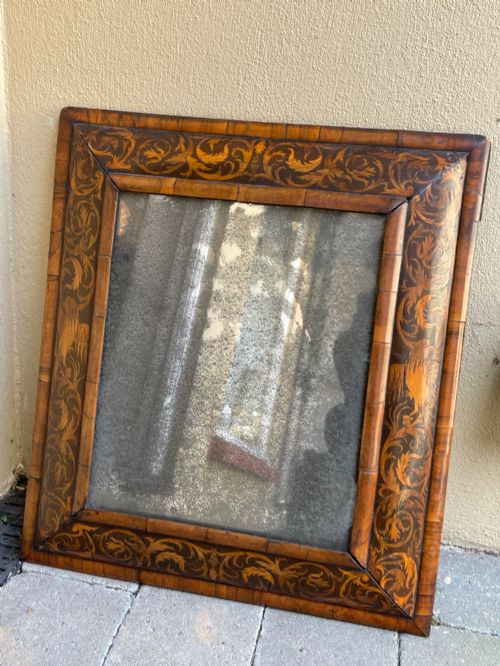
Dutch marquetry involves elaborate floral and bird designs rendered in contrasting light and dark woods across the entire surface of the frame.
Georgian style pieces often adopted this decorative technique to create rich visual depth.
How do I care for antique mirror glass and wood?
Keeping wooden frames clean requires dusting with a dry cloth and avoiding harsh chemical polishes that can degrade older finishes.
Glass surfaces benefit from minimal moisture applied directly to a cloth rather than the frame itself to protect the surrounding inlay.