


Inlaid Tiered Side Table
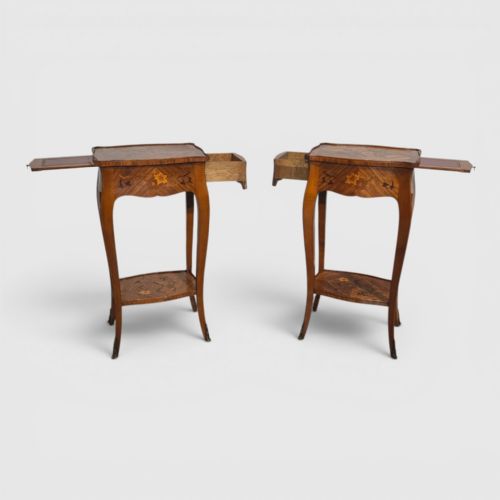
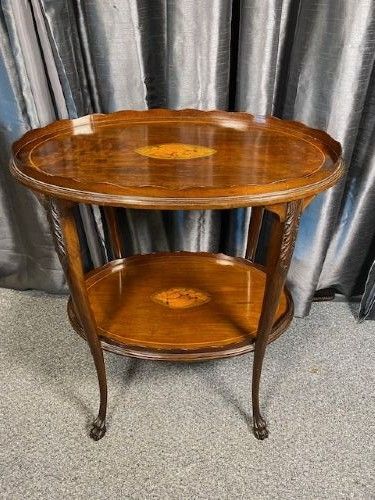
An inlaid tiered side table brings layered display surface and intricate woodwork to a room, offering both practical display space and decorative presence.
Inlaid Tiered Side Table
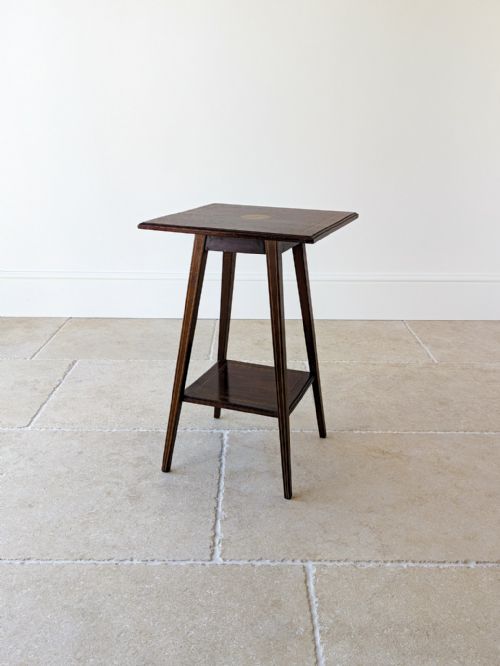
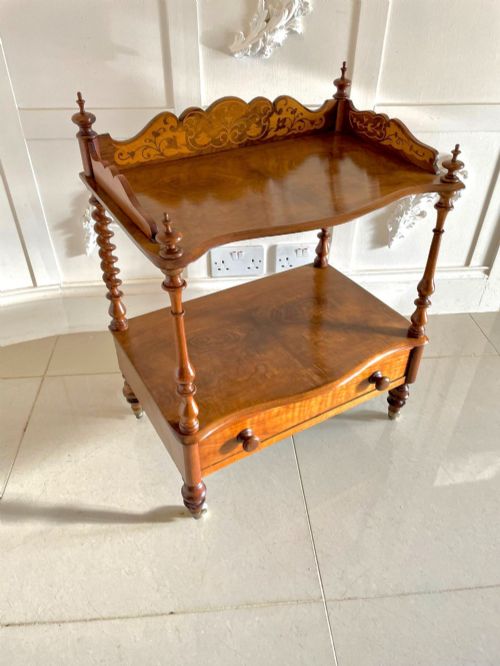
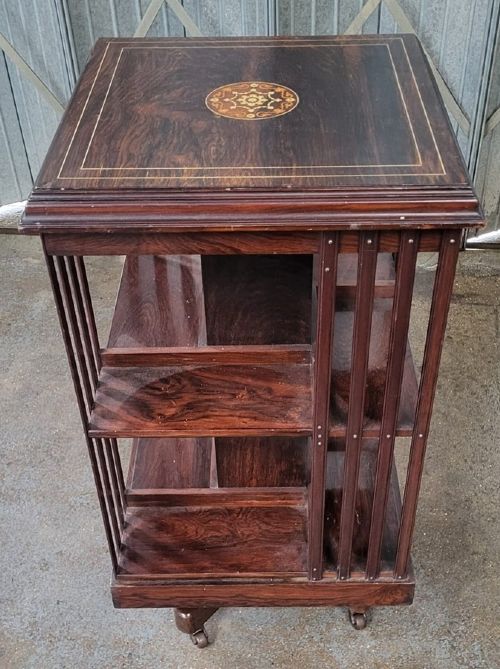
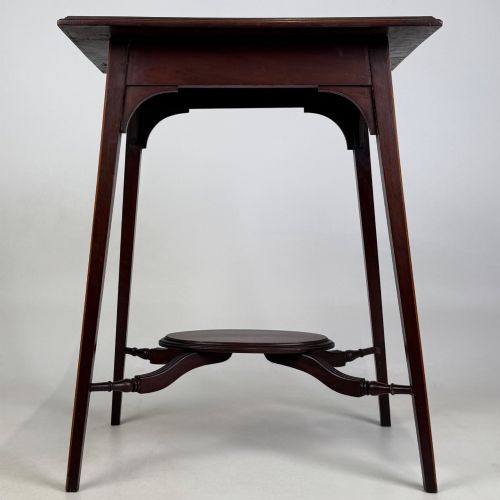
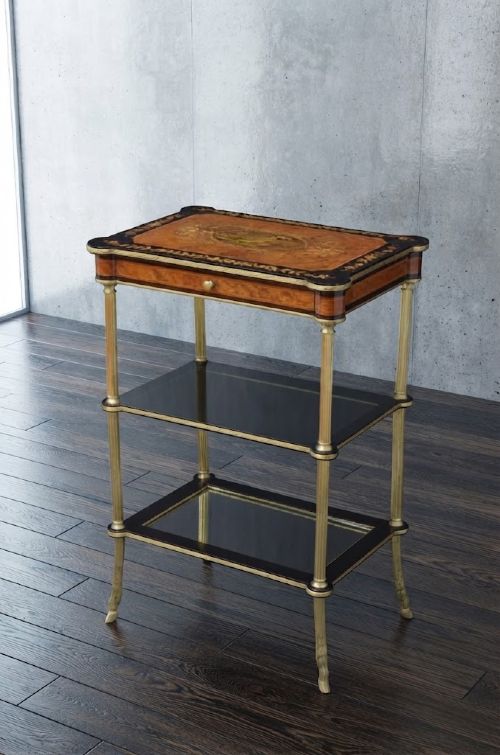
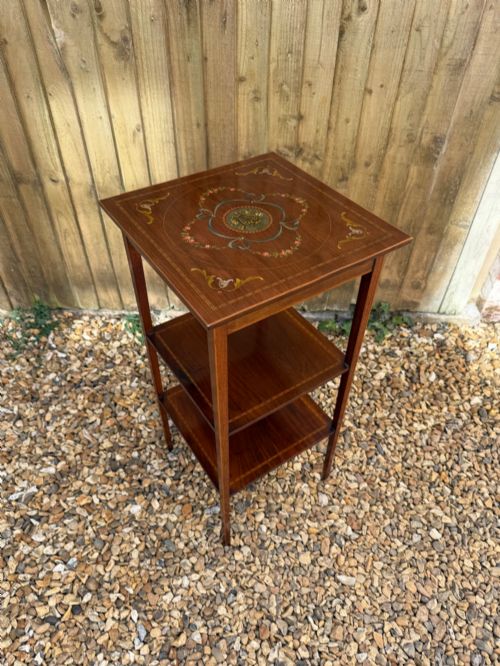
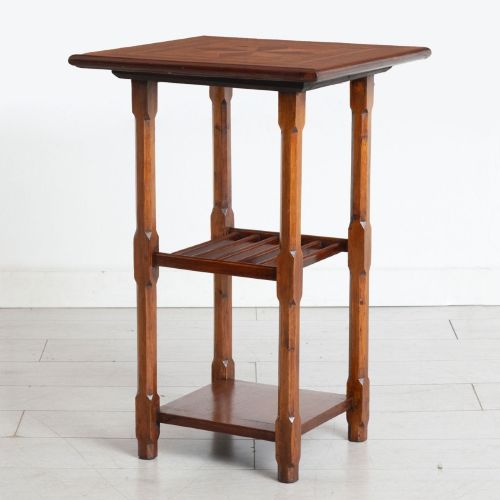
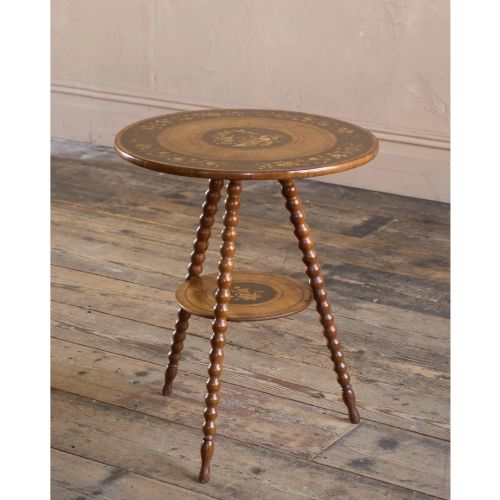
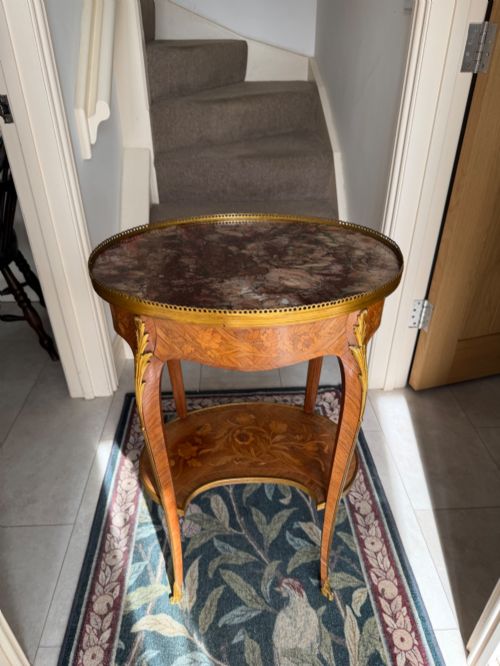
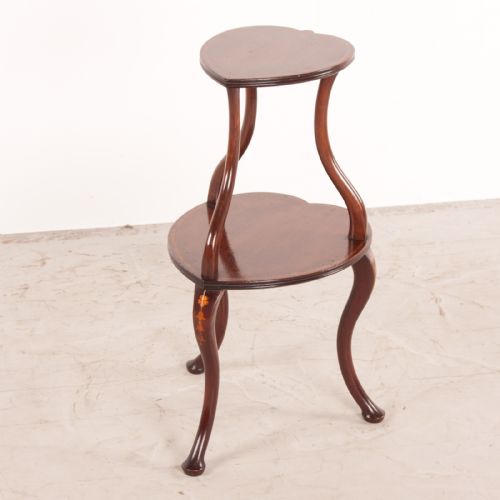
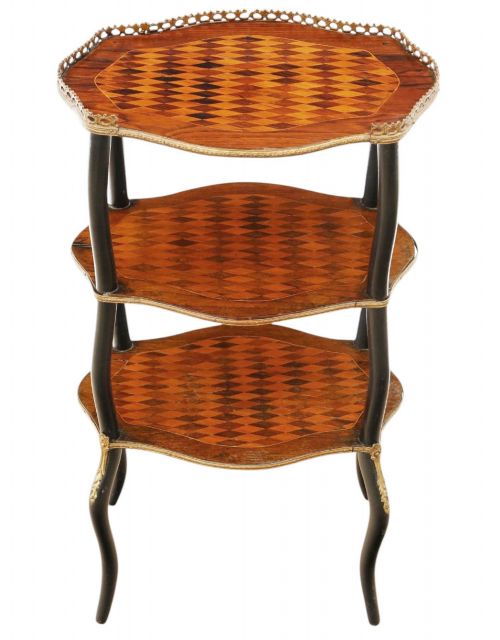
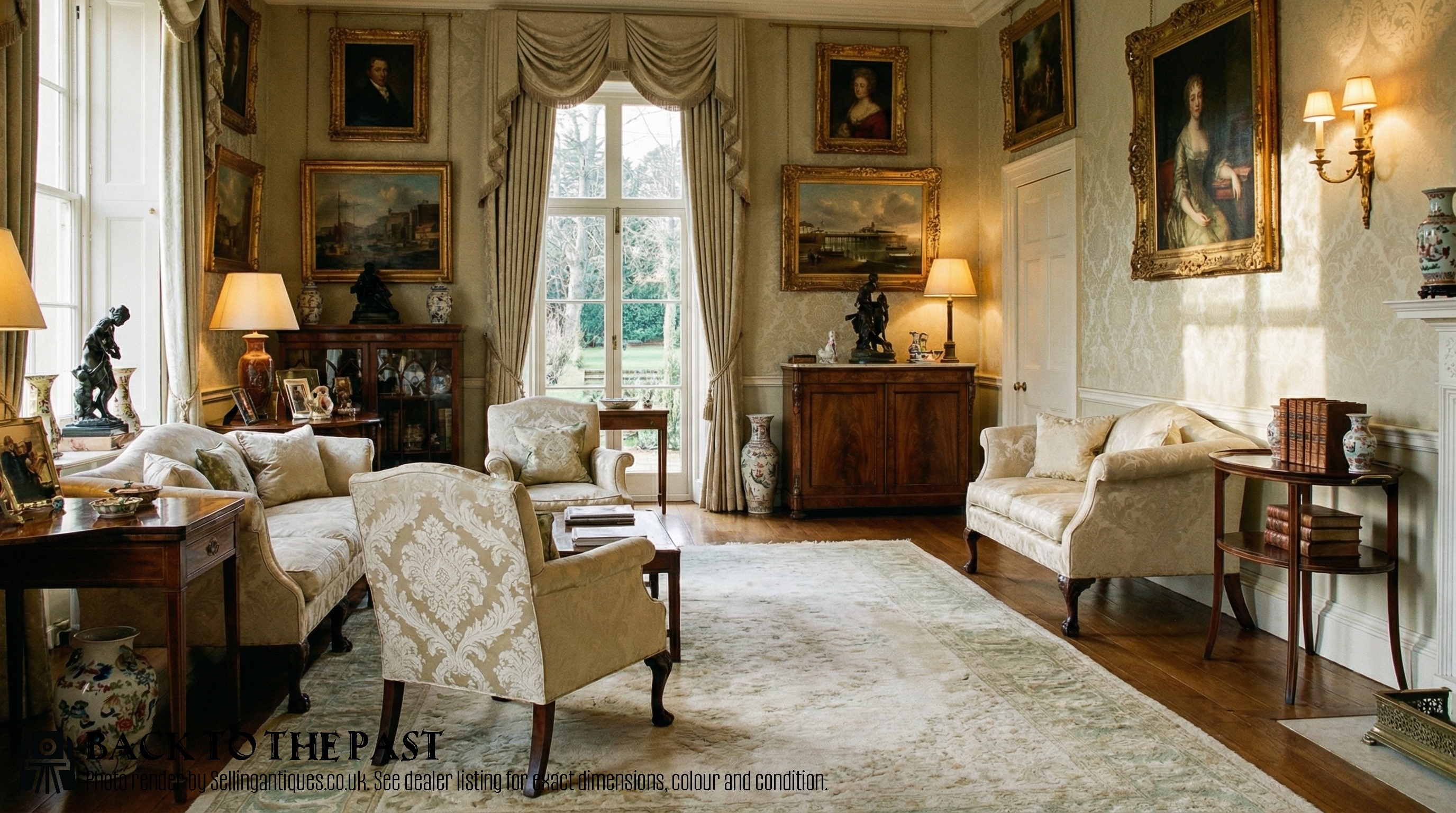
An inlaid tiered side table appears in forms ranging from multi-level etageres and two-tier occasional tables to revolving bookcases and display shelves. Buyers selecting an inlaid tiered side table most frequently encounter Edwardian and Victorian examples, alongside pieces from around nineteen hundred and the nineteenth century.
Makers and designers utilise diverse stylistic influences, including Sheraton Revival, French Rococo Revival, Louis XV style, Arts and Crafts, and Art Deco. These items function primarily as occasional, lamp, or window tables, providing stepped surfaces constructed to hold objects across multiple levels.
Materials and construction
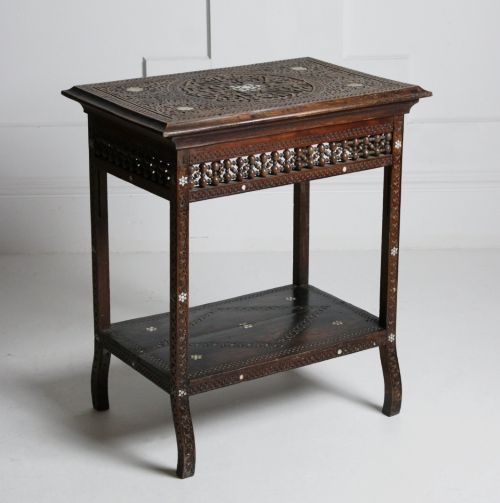
Construction relies heavily on timber frameworks of mahogany, walnut, rosewood, kingwood, and ebonised wood, paired with decorative contrasting elements like boxwood inlay, satinwood, and brass mounts. Artisans apply marquetry and parquetry techniques to ornament the surfaces with intricate patterns.
Additional decorative details include ormolu accents, mirrored tiers, and bobbin legs, creating complex multi-tiered structures designed for both stability and visual depth.
Materials recorded across current pieces include mahogany, rosewood, walnut, satinwood, and brass.
Craftsmanship and design
Quality separates along the precision of the marquetry and parquetry work, where tightly fitted contrasting woods demonstrate superior cabinetmaking. The choice of primary timbers, such as burr walnut or figured rosewood, alongside refined brass or ormolu mounts, elevates a piece above standard production.
Proportion and structural complexity also distinguish finer examples, particularly multi-tiered etageres and tables featuring specialised elements like mirrored glass or exhibition-grade secondary woods.
Edwards and Roberts·Collingson and Lock·George Bullock
The Inlaid Tiered Side Table Glossary
- Etagere
- A piece of furniture consisting of a set of open shelves for displaying small objects. These tiers provide vertical surface area without heavy visual bulk.
- Marquetry
- Decorative veneer applied to furniture in geometrical patterns, pictorial scenes, or scrollwork using different woods. It requires precise cutting and fitting of thin wood sections.
- Parquetry
- A geometric mosaic of wood pieces used for decorative floors or furniture surfaces. It creates repeating angular patterns across tabletops and shelves.
- Ormolu
- Gilded bronze applications used for mounts and decorative hardware on furniture. This technique adds metallic contrast and ornamental detail to the timber framework.
- Whatnot
- A piece of furniture with shelves for small ornaments or books, commonly manufactured in the nineteenth century. It shares functional similarities with the etagere.
Inlaid Tiered Side Table: Frequently Asked Questions
What is an inlaid tiered side table used for?
These tables provide functional surface space across multiple levels for lamps, decorative objects, or books. Their tiered design allows users to display items compactly in sitting rooms and hallways.
The secondary shelves add practical capacity without demanding a larger floor footprint than a standard single-surface table.
How do I identify an Edwardian tiered table?
Edwardian examples often feature light mahogany or satinwood construction with delicate stringing and classical revival motifs. They tend to exhibit lighter proportions than heavier Victorian predecessors.
Craftsmanship from this era frequently draws on Sheraton Revival styles, incorporating subtle floral marquetry and tapered legs.
What is the difference between an etagere and a side table?
An etagere specifically emphasises open shelving arranged in multiple tiers primarily for display purposes. A side table typically prioritizes a single main surface, though hybrid tiered versions combine both concepts.
Tiered side tables offer the surface utility of a table alongside the vertical display capacity of shelving.
How should I care for antique inlaid wood?
Keep inlaid furniture away from direct sunlight and extreme temperature fluctuations to prevent the delicate wood veneers from drying out and lifting. Regular dusting with a soft, dry cloth preserves the finish.
Aplying appropriate wax polish occasionally helps nourish the timber and protects the intricate parquetry and marquetry details.