

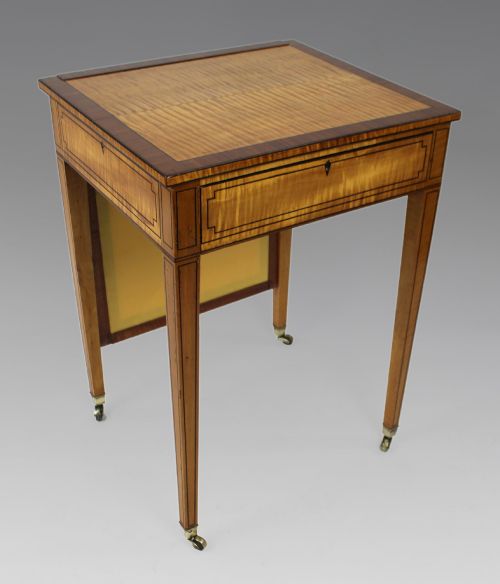
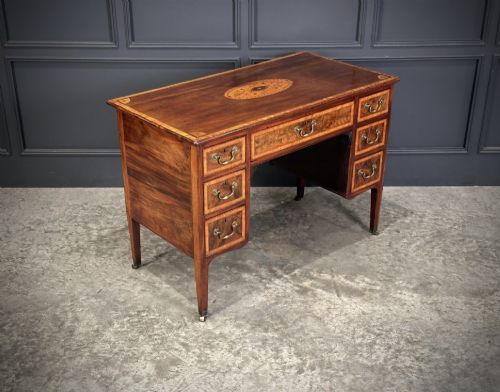
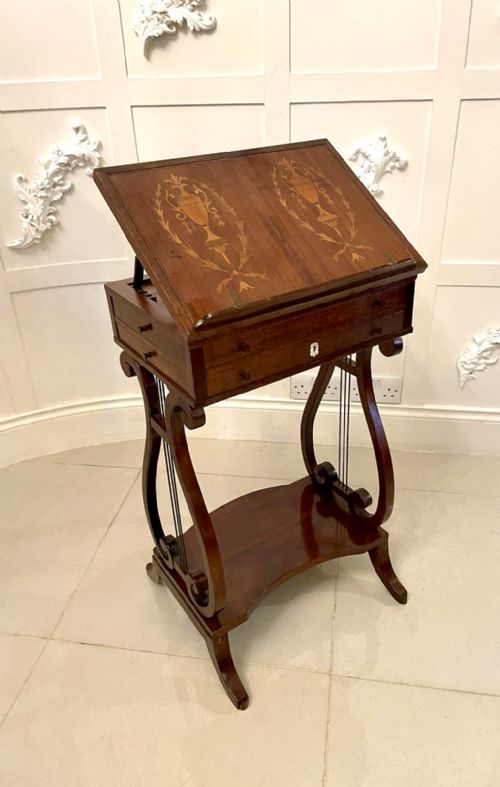


Inlaid Satinwood Library Table
These inlaid satinwood library table pieces bring timber work and marquetry into the study, offering a refined workspace for letters and volumes.
Inlaid Satinwood Library Table
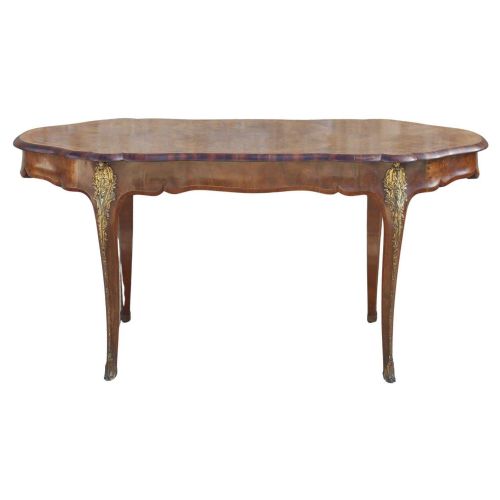
When you search for an inlaid satinwood library table, you are looking at substantial writing desks, centre tables, and reading surfaces built during periods ranging from the eighteenth century through the Edwardian era.
The pieces you are most likely to meet on this page date from the nineteenth century and the Edwardian period, often constructed in mahogany with satinwood details or executed fully in satinwood.
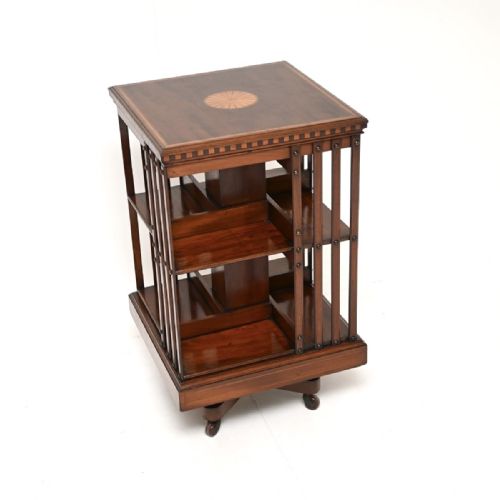
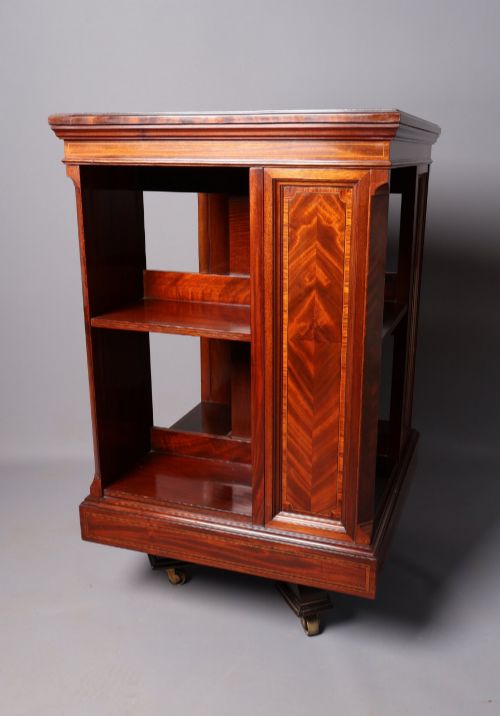
Forms span from freestanding sofa tables and writing desks to revolving bookcases and occasional library pieces, reflecting the varied domestic needs of past centuries.
How They Were Made
Cabinet makers utilised dense timbers such as mahogany, rosewood, and calamander as a base, applying pale satinwood veneers and intricate marquetry or line inlay to the surfaces.
Detailing often incorporated contrasting crossbanding, brass hardware, and leather writing inserts to finish the tops of these desks and tables.
Inlaid Satinwood Library Table Retail Price Guide 2026
Typical asking prices for inlaid satinwood library table among the pieces listed under this phrase on Sellingantiques today, from the lower quarter to the upper quarter. They describe what is for sale here now, not the wider market.
Some revolving bookcases turn smoothly on their original actions, ready to spin your evening reading right into your lap.
What Varies in Quality
The distinction between standard examples and exhibition pieces lies in the precision of the marquetry and the choice of secondary timbers beneath the veneers.
Superior execution shows in the crispness of the satinwood inlay, the retention of original handles, and the balance of proportion across complex forms like pedestal desks and revolving bookcases.
Edwards and Roberts·Donald Ross·James Shoolbred of London
The Inlaid Satinwood Library Table Glossary
- Satinwood
- A dense, lustrous timber native to the tropics, prized for its pale golden colour and smooth grain. It was frequently used as a veneer for fine cabinet work.
- Marquetry
- The art of forming decorative patterns on furniture by fitting together small pieces of wood veneer, shell, or ivory. This technique defines the intricate top surfaces seen on many tables.
- Crossbanding
- A strip of veneer applied to the border of a table top or drawer front with the grain running perpendicular to the central panel. It frames the primary timber and adds visual depth.
- Ormolu
- Gilt bronze ornamentation mounted onto furniture pieces during the eighteenth and nineteenth centuries. It provides metallic contrast against the polished wood surfaces.
Inlaid Satinwood Library Table: Frequently Asked Questions
What is an inlaid satinwood library table used for?
These tables served as functional writing desks, reading surfaces, and centre tables in domestic libraries and studies.
Their finished backs allowed them to stand free in the middle of a room rather than against a wall.
How do I identify an Edwardian piece?
Edwardian examples often display Sheraton Revival influences with lighter proportions, delicate satinwood inlay, and mahogany framing.
They date from the period around nineteen hundred and typically feature bright, clean polishing.
How should I care for satinwood surfaces?
Keep these tables away from direct sunlight and sudden temperature changes to protect the delicate veneers and natural wood oils.
Dust gently with a dry cloth and avoid modern silicone polishes that can damage the antique finish.
Are these tables suitable for daily writing?
Many of these pieces were built precisely for daily correspondence and retain sturdy construction suitable for regular use.
Leather inserts found on writing tables provide a durable surface for modern work.