



Inlaid Parlour Table
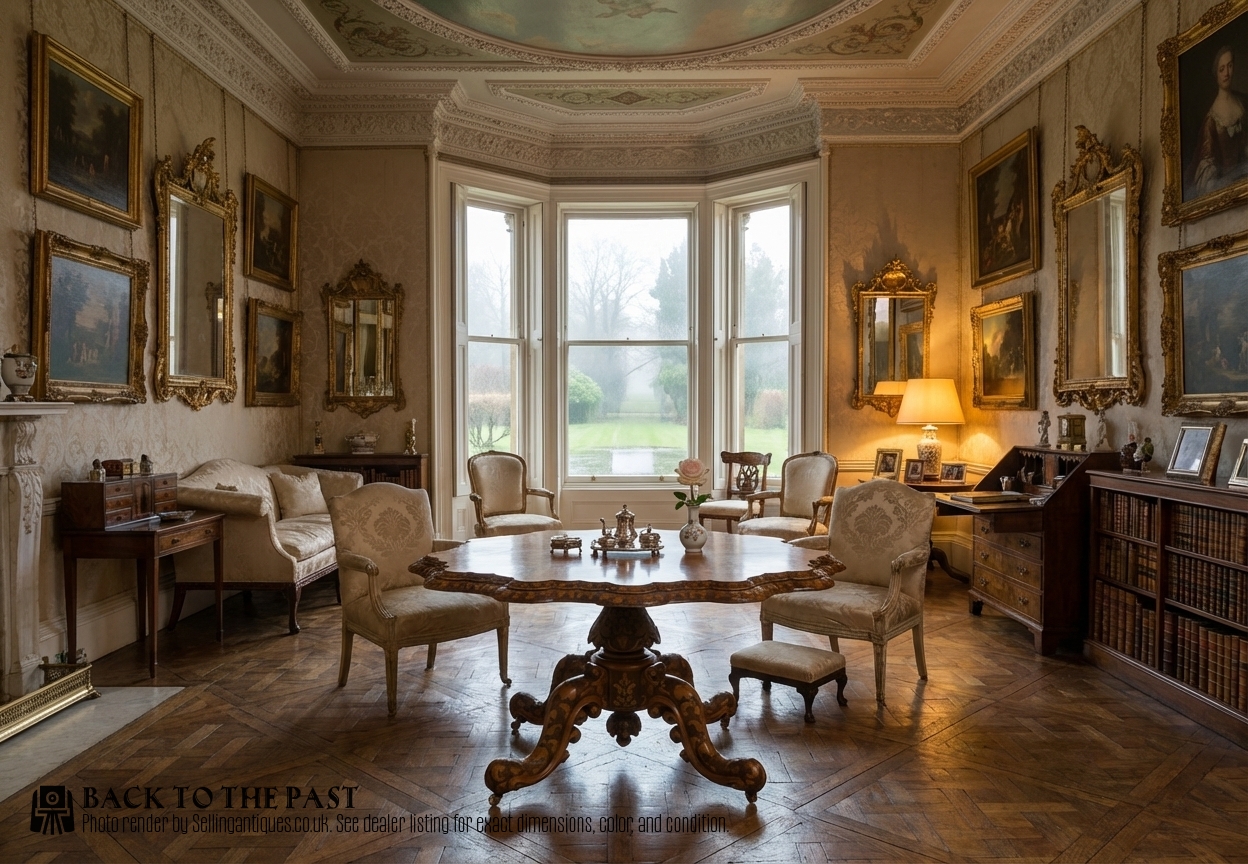
An inlaid parlour table brings the refined detail of Victorian and Edwardian drawing rooms directly into a modern home.
Inlaid Parlour Table
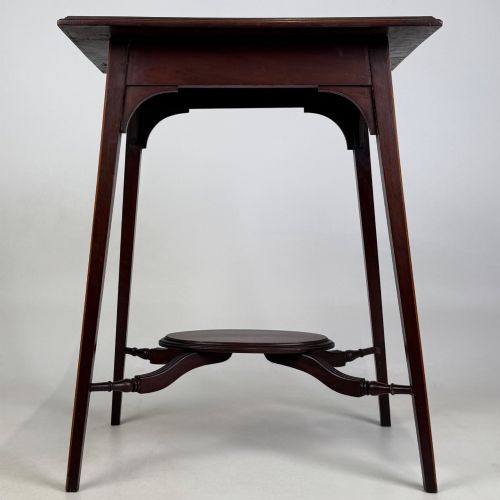
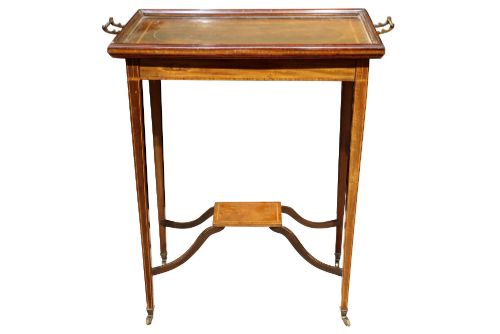
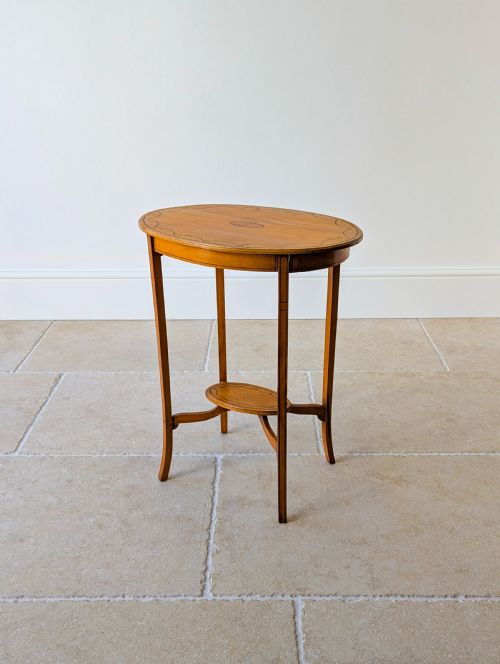
An inlaid parlour table is a domestic surface designed for reception rooms, appearing most frequently in this collection as a Victorian or Edwardian centre table, occasional table, or side table. These pieces span the nineteenth and early twentieth centuries, encompassing periods from the 1850s through to 1910.
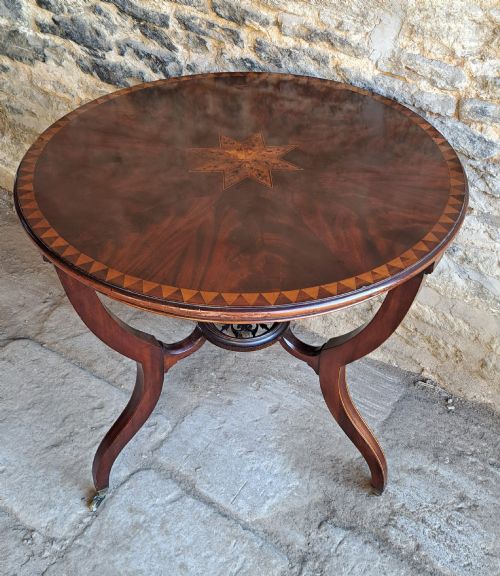
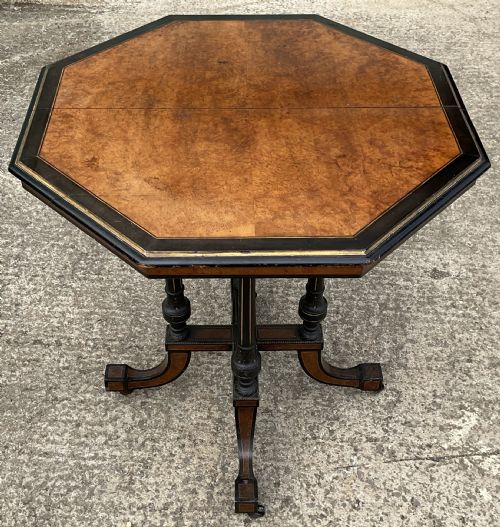
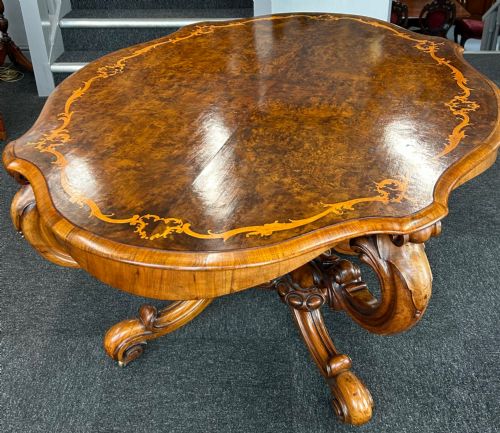
The versions met most often on this page take the form of walnut, mahogany, or rosewood centre tables and oval occasional tables. Makers of the period utilised diverse shapes, ranging from octagonal and shaped tops to tiered or basket-base constructions.
How they were made
Cabinet makers constructed these tables using dense timbers such as walnut, mahogany, rosewood, and satinwood, frequently applying burr walnut or mahogany veneers to create rich, figured surfaces. Hardwoods formed the sturdy structural carcasses and pedestals required to support central pillars and multi-tiered designs.
Decoration relied heavily on marquetry inlay and contrasting wood trims, incorporating boxwood, brass, or lighter veneers to form geometric patterns and floral motifs. French polishing was applied to seal and finish the timber, highlighting the natural grain and the intricate precision of the inlay work.
Several tables feature built-in basket bases designed to hold sewing yarn or velvet-lined surfaces once reserved for parlour card games.
What varies in quality
The standard of an inlaid parlour table is determined by the depth and selection of its timbers, where figured burr walnut and carefully matched satinwood distinguish finer examples from standard production pieces. The crispness of the marquetry inlay and the precision with which contrasting woods are fitted into the primary surface indicate the maker's skill.
Structural stability and the sophistication of the base construction also separate different tiers of quality. Freestanding basket bases, carved pedestals, and well-executed multi-tier framing demonstrate superior craftsmanship compared to simpler four-leg formats.
James Winter
The Inlaid Parlour Table Glossary
- Marquetry Inlay
- Decorative patterns formed by fitting contrasting veneers into a prepared wooden surface. This technique allows for complex pictorial or geometric designs across tabletops.
- Occasional Table
- A small, movable table designed for a specific, intermittent use within a room. These pieces include tea tables, side tables, and display surfaces.
- Centre Table
- A freestanding table finished on all sides, intended to stand away from walls in the middle of a room. Victorian examples often feature pedestal bases or pillar supports.
- Burr Walnut
- Timber taken from a walnut tree growth that produces highly figured, swirling grain patterns. It was prized for luxury table surfaces during the Victorian period.
- Satinwood
- A durable, yellowish timber with a lustrous sheen, often used for fine inlay work and occasional tables during the Edwardian era.
Inlaid Parlour Table: Frequently Asked Questions
What is an inlaid parlour table used for?
These tables originally served as decorative centerpieces in Victorian and Edwardian drawing rooms, holding lamps, calling card trays, or reading material. They were also utilised for intimate parlour games or simply to display prized decorative objects.
In a modern interior, they function wonderfully as lamp tables, small side tables, or prominent freestanding accents in a living room or hallway. Their finished table tops and detailed inlay ensure they look striking from any angle.
How do I tell Victorian from Edwardian tables?
Victorian tables, dating roughly from the mid-nineteenth century onwards, often feature darker timbers like rosewood and burr walnut, alongside heavier pedestal bases and rich marquetry. Their designs tend towards elaborate shapes, occasional Rococo revival curves, and deep, polished finishes.
Edwardian tables, produced around the turn of the twentieth century, frequently employ lighter woods such as satinwood and mahogany. They often display a more delicate aesthetic, sometimes incorporating two-tier shelving or simpler, slender framing.
Are these tables sturdy enough for daily use?
Most of these tables were built by skilled cabinet makers using dense hardwoods like mahogany, walnut, and rosewood, making them structurally robust. Their solid construction allows them to withstand normal everyday use as occasional or side surfaces.
Care should be taken to protect the polished wood and inlaid veneers from excessive moisture, direct heat sources, and heavy impacts. Using coasters and placing them away from direct sunlight preserves both the timber and the delicate marquetry.
What styles of inlay will I find?
The inlay work ranges from subtle geometric stringing in boxwood or brass to elaborate floral marquetry scenes across the central surface. French Louis XVI style influences often introduce refined metallic and light wood motifs.
Aesthetic Movement pieces might incorporate coromandel and walnut combinations with distinct linear detailing. Each style reflects the prevailing taste of its specific decade of manufacture.