


Inlaid Mahogany Seats
These inlaid mahogany seats bring together timber, satinwood, and fabric across Edwardian, Victorian, and Georgian eras.
Inlaid Mahogany Seats
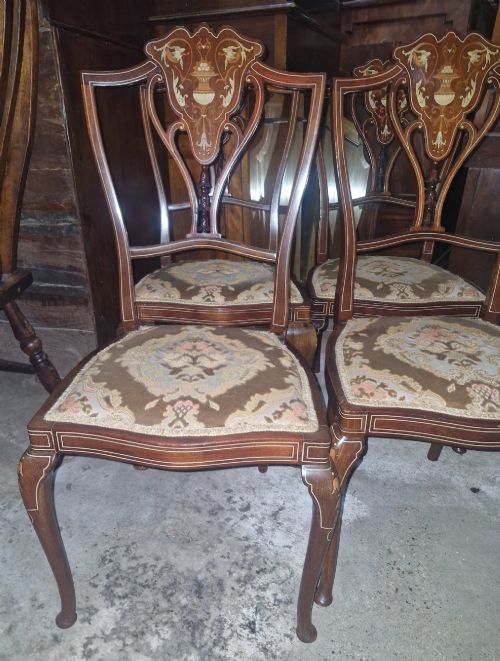
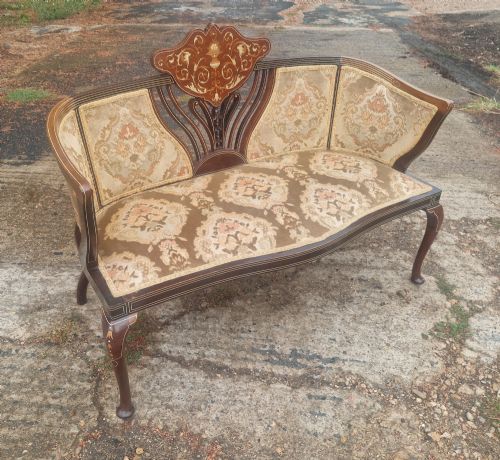
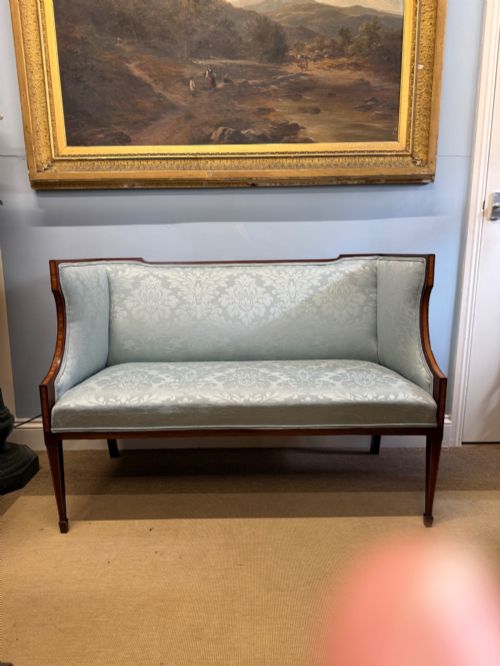
When searching for inlaid mahogany seats, buyers encounter dining chairs, armchairs, settees, salon chairs, and piano stools. The selection spans the Edwardian, Victorian, and Georgian periods, alongside Regency and 19th Century examples.
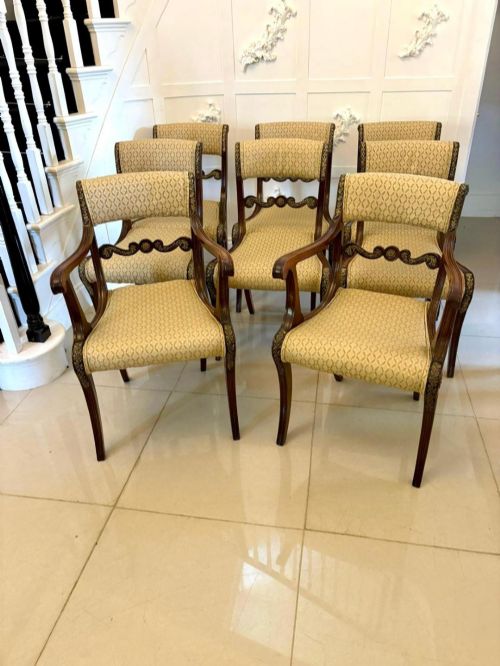
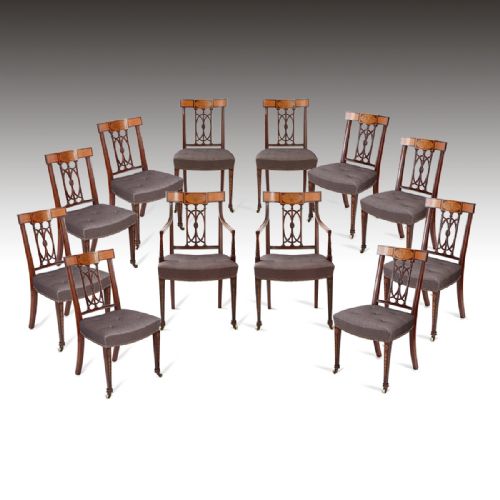
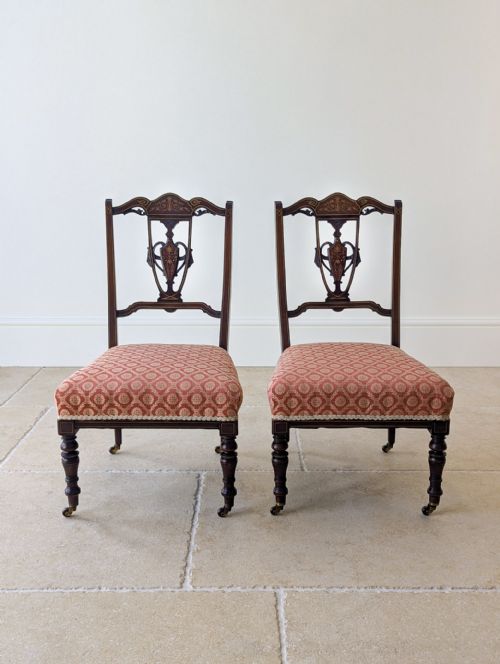
Edwardian pieces dominate the listings, frequently taking the form of bedroom chairs, side chairs, and sofas decorated with contrasting wood inlays. Dining chairs appear individually and in sets, often tracing back to Georgian, Regency, or Sheraton Revival designs.
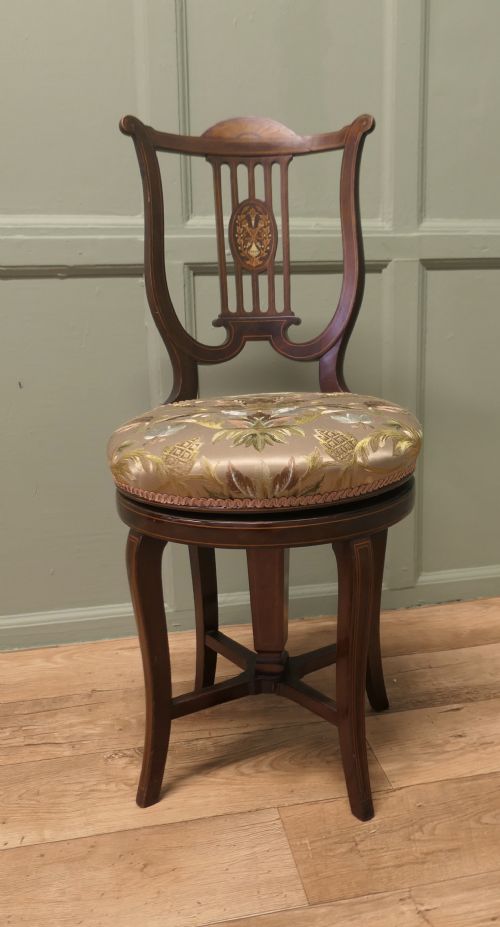
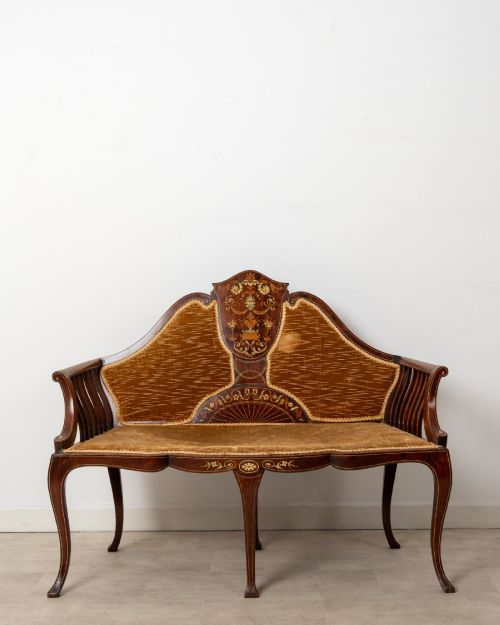
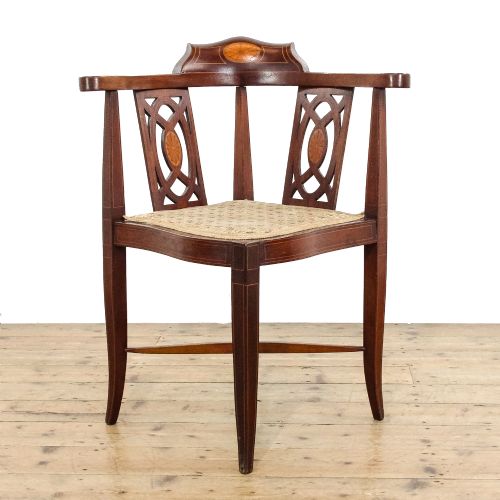
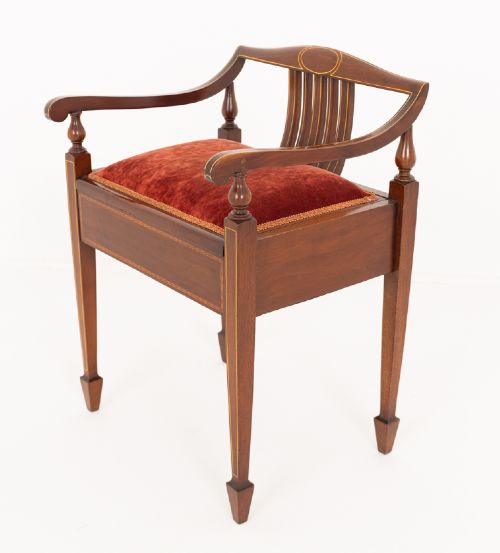
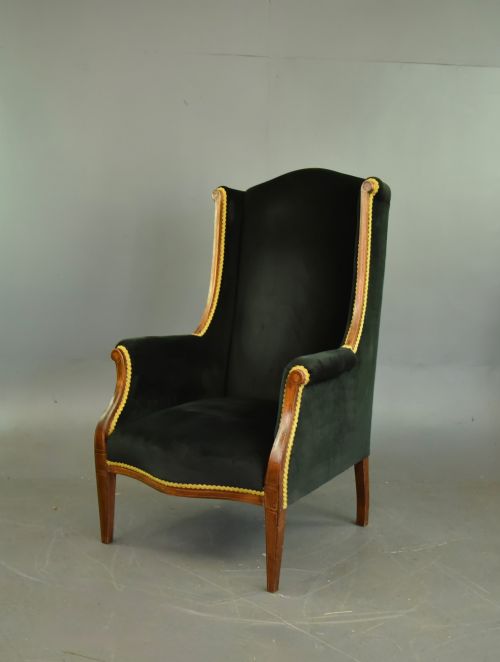
Functional seating forms such as piano stools, music chairs, window seats, and corner armchairs sit alongside larger settees and three-piece suites. Upholstery materials include leather, velvet, fabric, and cane.
How They Were Made
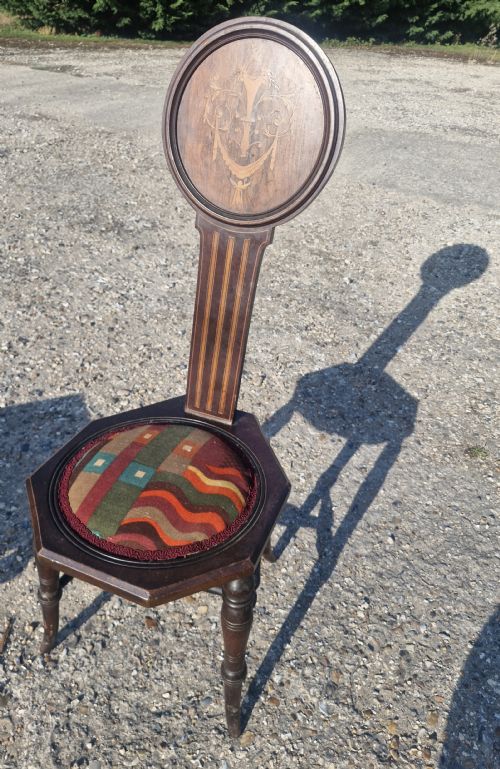
Makers constructed these frames primarily from mahogany, applying satinwood inlay, wood inlay, marquetry, and brass detailing to the surfaces. String inlay often defines the edges and panels of Edwardian and Georgian frames.
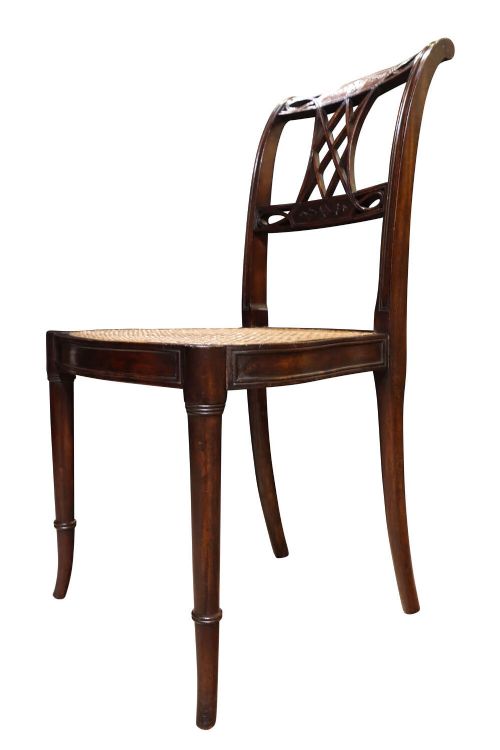
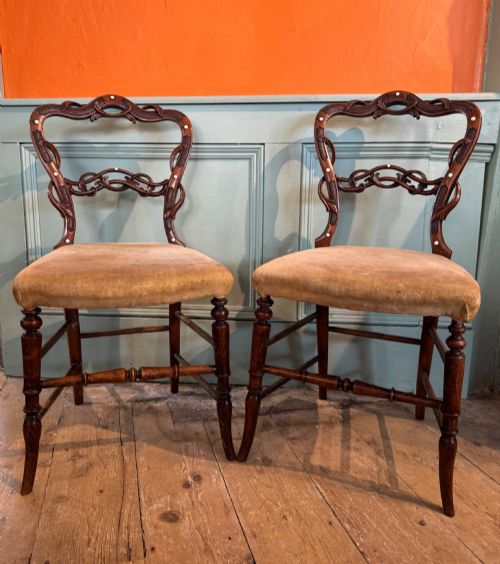
Upholstered elements rely on traditional textiles such as velvet, fabric, and leather, while specific variants incorporate cane seating panels. Frame construction involves carved scroll details, lyre backs, and structural brass components.
Styles range from Sheraton Revival and Art Nouveau to George III and Grand Regency, matching period joinery methods of the 18th, 19th, and early 20th centuries.
Listings feature Edwardian, Victorian, and Georgian periods alongside materials including mahogany, satinwood, brass, velvet, and cane.
What Varies in Quality
The precision of the cabinetwork separates standard production from exhibition pieces. Clean execution of satinwood, marquetry, and brass inlay dictates visual distinction across the frame.
The integrity of the timber and the preservation of original upholstery materials determine the standing of each piece. Intricate details such as scroll-carved backs and lyre motifs indicate higher levels of workshop attention.
James Shoolbred & Co.·Lamb of Manchester
The Inlaid Mahogany Seats Glossary
- Mahogany
- A durable tropical hardwood prized for its rich reddish-brown tone and stability in furniture construction.
- Satinwood
- A lustrous yellow-toned timber utilised for contrasting inlays and decorative banding.
- Marquetry
- The art of forming decorative patterns using fitted pieces of wood veneer applied to a timber surface.
- Sheraton Revival
- A late 19th and early 20th century design style drawing on the light neoclassical forms of the 18th century.
- Cane
- Woven rattan material utilised for lightweight, flexible seat panels on chairs and stools.
Inlaid Mahogany Seats: Frequently Asked Questions
What periods do these seats cover?
The available pieces span from the 18th century Georgian era through the Regency and Victorian periods into Edwardian production.
Most items date from the Edwardian period and the 19th century, reflecting revival styles alongside older surviving examples.
What materials are used for the inlays?
Makers employed satinwood, contrasting wood inlay, marquetry, and brass to decorate the mahogany surfaces.
String inlay is also common on Edwardian frames to outline structural panels.
Are dining chairs sold in sets?
Dining chairs appear both as individual pieces and in matched sets of various sizes.
Sets range from four to twelve chairs, originating primarily from the Georgian, Regency, and Edwardian periods.
What seating forms are available besides dining chairs?
The category includes armchairs, salon chairs, settees, sofas, window seats, and corner armchairs.
Specialist forms such as piano stools, music chairs, and spinning chairs also feature.
What upholstery materials do the seats feature?
Upholstered elements utilise fabric, velvet, and leather depending on the piece and its period.
Selected chairs and stools incorporate cane seating panels instead of fabric upholstery.